Nature
Exploring the Incredible Benefits of Yoga for Mind, Body, and Spirit
Introduction: Finding moments of tranquilly and self-care in the middle of our fast-paced and demanding life has become more important than ever. In response to this demand, yoga, an ancient Indian practise, has grown in worldwide appeal. Because of its potential to provide several advantages for the mind, body, and soul, it has become a transformational and sought-after practise. While yoga is commonly linked with physical flexibility and strength, it encompasses a holistic approach to wellbeing that includes mental and emotional well-being.
By Prathyusha Vasantala3 years ago in Earth
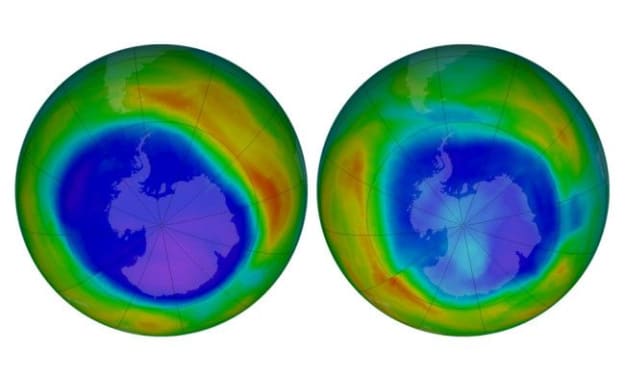
"Recovering Skies: The Healing Journey of the Ozone Layer"
Introduction: The Earth's ozone layer, a delicate gas screen in the stratosphere, protects life on our planet by absorbing the majority of the sun's harmful ultraviolet (UV) radiation. Human activities, however, have significantly depleted this protective layer over several decades by emitting ozone-depleting chemicals (ODS). This article will look at the progress made in repairing the ozone layer, the obstacles that still exist, and the continued attempts to protect this vital atmospheric buffer.
By Prathyusha Vasantala3 years ago in Earth
Vanishing Sparrows: Unveiling the Mystery Behind Their Disappearance
Introduction: For generations, nature enthusiasts and poets have been fascinated by the delicate beauty and joyous melodies of sparrows. However, a worrisome trend has emerged in recent decades: the reduction and disappearance of sparrows from both urban and rural settings. This article attempts to offer information on the reasons contributing to the extinction of sparrows and to investigate viable conservation solutions.
By Prathyusha Vasantala3 years ago in Earth
Kalonji Seeds: A Tiny Powerhouse of Health Benefits
Introduction: Kalonji seeds, also known as Nigella sativa or black seeds, have been utilised in traditional medicine for generations due to their exceptional health advantages. When it comes to nutritional value and medicinal benefits, these little, black seeds pack a powerful punch. Kalonji seeds have acquired popularity around the world for their ability to assist digestion and boost immunity. In this post, we will look at the different health advantages of kalonji seeds and how to include them into your daily routine.
By Prathyusha Vasantala3 years ago in Earth
Climate Change:
Climate change is one of the most significant challenges facing our planet today. As the Earth's climate patterns undergo substantial shifts, it is essential to separate fact from fiction and gain a comprehensive understanding of the science behind climate change. In this article, we will explore common misconceptions, delve into the causes of climate change, and examine its potential consequences. By dispelling myths and promoting scientific literacy, we can take meaningful action to mitigate climate change's impact on our planet and future generations.
By Batholomew Okeke 3 years ago in Earth
Climate Change:
Climate change is one of the most significant challenges facing our planet today. As the Earth's climate patterns undergo substantial shifts, it is essential to separate fact from fiction and gain a comprehensive understanding of the science behind climate change. In this article, we will explore common misconceptions, delve into the causes of climate change, and examine its potential consequences. By dispelling myths and promoting scientific literacy, we can take meaningful action to mitigate climate change's impact on our planet and future generations. What is Climate Change? To understand climate change, we must first grasp the concept of climate itself. Climate refers to the long-term patterns of weather conditions in a particular region, including temperature, precipitation, wind patterns, and more. Climate change, then, encompasses the shifts and alterations in these patterns over an extended period, often spanning decades or longer. Natural Climate Variability: It is crucial to differentiate between natural climate variability and human-induced climate change. Throughout Earth's history, various natural factors have influenced climate patterns, such as volcanic eruptions, solar radiation, and natural variations in the Earth's orbit. These natural fluctuations are part of Earth's dynamic systems. However, the current warming trend is distinct from natural variability and is primarily driven by human activities. Human Activities and Greenhouse Gas Emissions: The overwhelming scientific consensus points to human activities as the primary drivers of climate change. The burning of fossil fuels, deforestation, industrial processes, and agricultural practices release significant amounts of greenhouse gases (GHGs) into the atmosphere. GHGs, including carbon dioxide (CO2), methane (CH4), and nitrous oxide (N2O), trap heat from the sun and contribute to the greenhouse effect, leading to a rise in global temperatures. Understanding the Greenhouse Effect: The greenhouse effect is a natural process that helps regulate the Earth's temperature and makes life as we know it possible. Without the greenhouse effect, Earth's average temperature would be much colder. However, the increased concentration of GHGs resulting from human activities is enhancing the greenhouse effect and causing the planet to warm at an accelerated rate. Evidence of Climate Change: Scientific observations and data provide substantial evidence of climate change. Rising global temperatures, shrinking ice caps, melting glaciers, and rising sea levels are just a few visible indicators. Additionally, changes in precipitation patterns, the intensity of extreme weather events, and shifts in ecosystems and biodiversity all reflect the impacts of climate change. Consequences of Climate Change: The consequences of climate change are far-reaching and have implications for various aspects of our lives. Rising temperatures contribute to the melting of polar ice caps, leading to sea-level rise and increased coastal flooding. Changes in precipitation patterns result in more frequent and intense droughts, wildfires, and storms. Shifts in ecosystems disrupt habitats and threaten biodiversity, while agricultural productivity faces challenges from changing growing seasons and increased pests and diseases. Mitigation Strategies: Addressing climate change requires both mitigation and adaptation strategies. Mitigation focuses on reducing GHG emissions to slow down and stabilize climate change. This includes transitioning to renewable energy sources, improving energy efficiency, implementing sustainable land-use practices, and promoting nature-based solutions such as afforestation and reforestation. By reducing emissions, we can limit the extent of future climate change and its associated impacts. Adaptation and Resilience: Adaptation strategies are equally crucial in preparing for the changes that are already underway. Adapting to a changing climate involves building resilience in various sectors, including infrastructure, agriculture, water management, and human settlements. This includes developing climate-resilient infrastructure, implementing water management strategies, adopting sustainable agricultural practices, and enhancing disaster preparedness and response capabilities. Building resilient communities and ecosystems can help minimize the impacts of climate change and ensure our ability to withstand and recover from its effects. The Economic Aspect: Contrary to the misconception that addressing climate change is an economic burden, research suggests that taking action can have positive economic outcomes. The transition to a low-carbon economy can stimulate innovation, create new job opportunities, and drive sustainable economic growth. Investments in clean energy technologies, energy-efficient infrastructure, and sustainable practices can yield long-term economic benefits. Moreover, the cost of inaction far exceeds the cost of implementing mitigation and adaptation measures, as the impacts of climate change can result in significant economic losses, including damage to infrastructure, agriculture, and industries. The Role of Individuals and Communities: While governments and international agreements play a crucial role in addressing climate change, individual actions and community initiatives are equally vital. Small lifestyle changes, when adopted collectively, can have a significant impact. This includes reducing energy consumption, embracing sustainable transportation options, practicing waste reduction and recycling, supporting local and organic food sources, and advocating for climate-friendly policies. Engaging in community projects, educational campaigns, and grassroots movements can amplify the collective effort and drive systemic change. Science Communication and Education: Effective science communication and education are key to dispelling misconceptions and promoting climate literacy. Scientists, educators, policymakers, and the media all have a role to play in providing accurate information, communicating the urgency of climate change, and fostering a better understanding of the scientific consensus. Enhancing climate education in schools, universities, and public forums can empower individuals to make informed decisions, critically evaluate information, and take proactive steps to address climate change. Conclusion: Climate change is an urgent global issue that demands our attention and action. By dispelling misconceptions, understanding the science, and embracing evidence-based solutions, we can effectively address the challenges of climate change. It is essential to recognize the overwhelming scientific consensus on human-induced climate change and its far-reaching impacts on our environment, economies, and societies. Through mitigation efforts, adaptation strategies, and individual and collective actions, we can work towards a more sustainable and resilient future. Let us stand united in combating climate change and protecting our planet for current and future generations.
By Batholomew Okeke 3 years ago in Earth
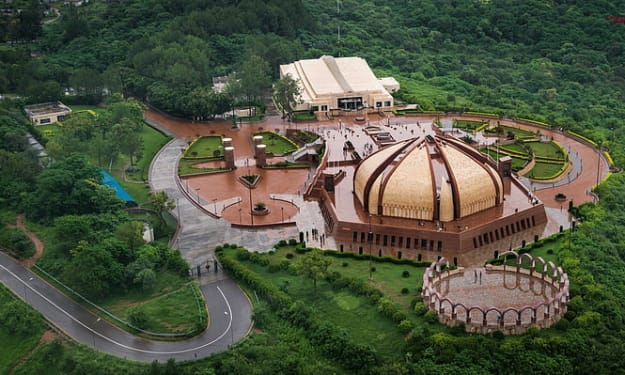
PAKISTAN
Once upon a time, in the heart of South Asia, there was a land of enchantment and beauty called Pakistan. Nestled between the towering peaks of the Himalayas and the serene Arabian Sea, this magical country was blessed with a diverse landscape that left visitors in awe.
By TAHA HUSSAIN3 years ago in Earth
Discover the Benefits of Marine Collagen
The products featured in this article have been independently reviewed. When you buy something through the retail links on this page, we may earn commission at no cost to you, the reader is not involved in the creation of this content.
By abdelmajid bachar3 years ago in Earth
Timberline Vegetation on Mountains
Introduction of transition of forest into treeless tundra: Sometimes you observe a forest suddenly turns into a treeless tundra on the top of the mountain slope. This change seems a totally unrealistic. But it happens. About a ten meters distance from the normal forest, the tress starts disappearing and converts into a small herbs, grasses and stemless plants. This action of typical transition is known as upper timberline or a tree line. That separates a tree area from the rest of the treeless area. Sometimes we notice another area called lower timberline. This is the area where the forest turns into a desert. No traces of tree life. This happens due to the lack of moisture in that area.
By Fatima Jamil3 years ago in Earth
THE HUMAN THAT NEVER DIED
Once upon a time, in a small village nestled deep within a lush forest, there lived a remarkable human named Alexander. Unlike everyone else, Alexander possessed a unique ability—he never died. While others in the village were born, grew old, and eventually passed away, Alexander remained unchanged by time.As a young child, Alexander's immortality became evident when he emerged unscathed from accidents that would have been fatal to anyone else. As he grew older, he witnessed friends and loved ones bid their final farewells, leaving him in a world where time seemed to flow like a river, carrying away all those he cared about.Initially, Alexander struggled with his immortality. He questioned his purpose in a world where life was fleeting. However, he soon realized that his extraordinary gift came with extraordinary responsibilities. Alexander resolved to make the most of his eternal existence by dedicating his life to helping others and leaving a lasting positive impact on the world.Over the years, Alexander became a revered figure in the village. He offered guidance and wisdom to those in need, lending a compassionate ear and a helping hand. He shared his knowledge and skills, teaching the villagers various crafts, arts, and sciences. With his immortality came an accumulation of knowledge and experiences that he willingly imparted to others, enriching their lives.As decades turned into centuries, Alexander witnessed great advancements in technology, science, and human society. He embraced change and adapted to the ever-evolving world around him. His thirst for knowledge was insatiable, and he eagerly sought new discoveries, always curious to learn and explore.People from far and wide sought Alexander's counsel. Kings and queens, scholars and scientists, and ordinary folk traveled great distances to seek his advice on matters both trivial and profound. His words carried the weight of ages, resonating with wisdom that surpassed the understanding of mortal minds.However, as Alexander continued his immortal existence, he also experienced the weight of loneliness. Generations passed, and he outlived countless loved ones and friends. The pain of loss became a constant companion, but Alexander found solace in the memories of those he had known and cherished.Despite the challenges and emotional toll, Alexander never wavered in his commitment to humanity. He recognized that his longevity granted him a unique perspective on the world—one that enabled him to bridge the gaps between generations and foster unity. He tirelessly advocated for peace, equality, and compassion, striving to leave behind a world that would thrive long after his presence.As the centuries turned into millennia, Alexander's legacy grew into myth and legend. Tales of the immortal human spread across lands and generations, inspiring hope and igniting the spark of possibility within the hearts of countless individuals. His name became synonymous with wisdom, kindness, and the undying spirit of humanity.Finally, after countless years of witnessing the ebb and flow of civilizations, Alexander's time drew to a close. Despite his immortality, he felt the weight of age upon him, longing for the peace that mortality would bring. Surrounded by loved ones who had joined him on his extraordinary journey, Alexander closed his eyes for the last time, ready to embrace the great unknown.The village mourned their beloved immortal, but they also celebrated his remarkable life and the indelible mark he had left on their world. They erected a monument in his honor, a testament to his enduring spirit and the profound impact he had made on their lives.And so, Alexander, the human who never died, became a legend woven into the fabric of history. His story served as a reminder that time is not measured by the years we live but by the depth of our experiences and the lasting impressions we leave behind.
By Money Team3 years ago in Earth
BETWEEN ADAM'S CREATION AND FALL—WAS IT LONG?
The timing of Adam and Eve's fall from grace is not explicitly mentioned in any biblical text, leaving us with no precise indication of how long after their creation it occurred. However, a closer examination of the events surrounding the fall suggests that it likely happened shortly after their creation.
By Dreamson Shylla3 years ago in Earth