Nature
The Benefits of Community Gardens for Local Food Systems and Sustainability
Community gardens are vibrant hubs where individuals come together to cultivate and nurture plants, sharing the joys of gardening and reaping the benefits of fresh, locally grown produce. Beyond their aesthetic appeal, community gardens play a vital role in promoting sustainable and resilient local food systems. In this article, we will explore the numerous benefits of community gardens, from enhancing food security and fostering community connections to promoting environmental sustainability and improving public health.
By Gokhan Polard3 years ago in Earth
The World’s Most Grueling Race Journeys 1,000 Miles Down the Yukon
It’s not clear who first discovered the gold. Even that word “discovered” is a misnomer. The local Tlingit and Tagish tribes were both well aware of its presence along the river decades before Westerners started drawing it from the ground; they’d simply had no use for the stuff. Perhaps it’s better to say it’s not clear who first exploited the gold—who helped inspire some 100,000 prospectors to make the arduous trip to the Yukon Territory in northwest Canada, a migration that became known as the Klondike Gold Rush.
By Mark Xavier3 years ago in Earth
10 Endangered species found in Syria
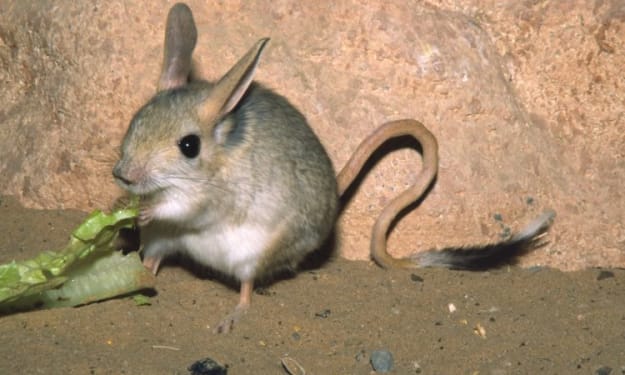
1., Syrian Brown Bear (Ursus arctos syriacus): The Syrian Brown Bear (Ursus arctos syriacus) is a subspecies of the brown bear that is native to the mountainous regions of Syria, specifically the Anti-Lebanon Mountains and the Amanus Mountains. It is also known as the Syrian grizzly bear or the Syrian brown bear.
By Mohammed thanvir3 years ago in Earth
10 Most Dangerous Natural Disasters and Their Causes
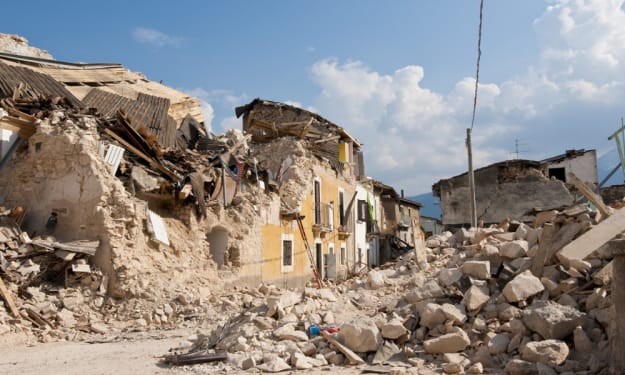
Natural disasters are devastating events that occur with little to no warning, wreaking havoc on communities and leaving a trail of destruction in their wake. From earthquakes and hurricanes to tsunamis and wildfires, these catastrophic events can cause immense loss of life and property damage. In this article, we explore ten of the most dangerous natural disasters, examining their causes and the destructive power they unleash upon the Earth. By understanding the forces behind these disasters, we can better prepare, mitigate their impact, and protect vulnerable populations.
By Gokhan Polard3 years ago in Earth
Early Apes Lived on Savannahs, Not in Forests
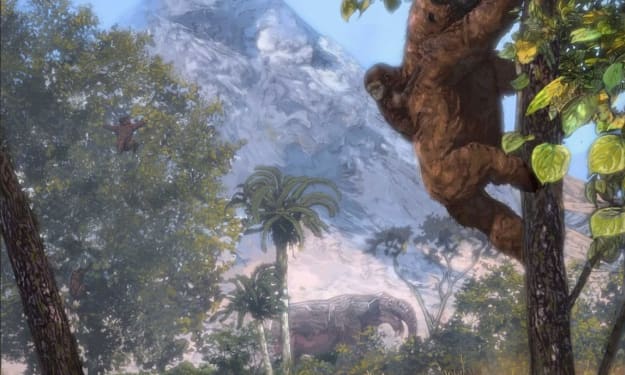
Apes were supposed to be tied to the trees. Around 21 million years ago, during a time paleontologists know as the Miocene, what’s now Uganda was thought to be a lush, humid forest where early apes clambered over canopy branches in search of fruit. But a pair of new studies have overturned the established view, changing the setting in which paleontologists think the first apes evolved.
By Mark Xavier3 years ago in Earth
10 Endangered species in France
1., Iberian Lynx (Lynx pardinus): The Iberian Lynx (Lynx pardinus) is a medium-sized wild cat species endemic to the Iberian Peninsula in southwestern Europe. It is one of the most endangered cat species in the world and is classified as critically endangered by the International Union for Conservation of Nature (IUCN). Here are the full details about the Iberian Lynx:
By Mohammed thanvir3 years ago in Earth
‘Hard to be homeless in this heat’: India’s brutal summer is here
New Delhi, India- India has started experiencing what could be another extremely hot summer, similar to last year when the country saw a devastating heatwave that led to widespread human suffering and affected workplaces, informal workers, landless labourers, marginalised communities, agriculture, and the overall economy.
By Mark Xavier3 years ago in Earth
Exploring the Wonders of Pakistan: A Paradise for Travelers
Nestled in the heart of South Asia, Pakistan is a country blessed with natural wonders, rich history, and cultural diversity. From majestic mountain ranges to ancient archaeological sites, Pakistan offers a plethora of tourism destinations that cater to all types of travelers. Let's embark on a virtual journey and discover some of the most captivating places to visit in Pakistan. The Karakoram Highway: Our adventure begins with the Karakoram Highway, often referred to as the Eighth Wonder of the World. Stretching over 1,200 kilometers, this scenic road connects Pakistan with China and winds its way through the towering peaks of the Karakoram and Himalayan mountain ranges. Travelers can witness breathtaking views of snow-capped peaks, cascading glaciers, and picturesque valleys, making it a dream destination for nature enthusiasts and adventure seekers. The Hunza Valley:Tucked away in the northern region of Gilgit-Baltistan, the Hunza Valley is a paradise on earth. Surrounded by towering mountains, including Rakaposhi and Ultar peaks, this valley boasts crystal-clear rivers, lush green meadows, and apricot orchards. The friendly locals, known for their warm hospitality, offer a glimpse into the unique culture and traditions of the region. Travelers can explore ancient forts, visit centuries-old mosques, and indulge in mouthwatering local cuisine while taking in the awe-inspiring beauty of the valley. Lahore: Moving south to the bustling city of Lahore, we encounter a vibrant blend of history and modernity. Lahore is a treasure trove of architectural marvels, with the UNESCO World Heritage-listed Lahore Fort and the iconic Badshahi Mosque being the highlights. The city also boasts numerous museums, art galleries, and bustling bazaars that offer a glimpse into the rich cultural heritage of Pakistan. Food lovers will be delighted by the city's diverse culinary scene, from street food delicacies to traditional Mughlai cuisine. The Thar Desert: Venturing into the southern province of Sindh, we come across the enchanting Thar Desert. With its vast expanse of golden sand dunes, vibrant folklore, and colorful traditional attire, the Thar Desert offers a unique cultural experience. Travelers can embark on camel safaris, visit traditional desert villages, and witness captivating folk dances and music performances. The annual Thar Desert Festival is a must-attend event, where visitors can partake in traditional games, enjoy local music, and savor traditional Rajasthani cuisine. Islamabad and Rawalpindi: Our journey takes us to the twin cities of Islamabad and Rawalpindi, where modernity meets tradition. Islamabad, the capital of Pakistan, is known for its meticulously planned infrastructure and lush greenery. The city is home to various landmarks, including the Faisal Mosque, the largest mosque in South Asia. Just a stone's throw away, Rawalpindi offers a contrasting experience with its bustling markets, historical sites like the Rawalpindi Museum, and vibrant street life. The nearby Margalla Hills provide a serene retreat for hiking and nature lovers. The Swat Valley: Nestled in the picturesque Khyber Pakhtunkhwa province, the Swat Valley is often called the "Switzerland of Pakistan." The valley is famous for its verdant landscapes, gushing waterfalls, and crystal-clear lakes. Travelers can explore ancient Buddhist ruins in the city of Mingora, embark on hiking trails to majestic peaks like Malam Jabba, and enjoy trout fishing in the emerald waters of the Swat River. The hospitality of the locals and the region's rich cultural heritage add to the allure of this scenic valley. Pakistan's tourism potential extends far
By Umar Farid 3 years ago in Earth
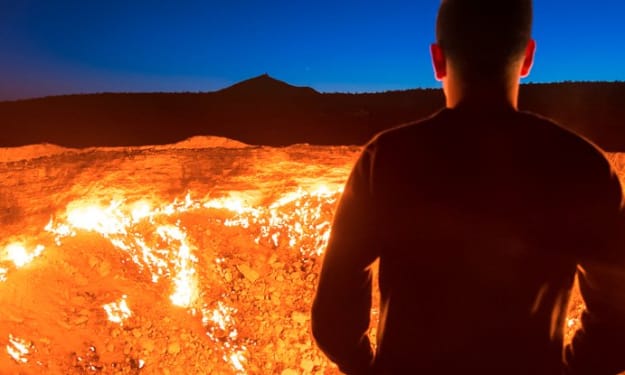
Discover the Astonishing "Door to Hell": Enormous Desert Abyss Engulfed in Flames for Four Decades
Greetings, everyone! Today, I want to share an extraordinary tale that revolves around a remarkable natural phenomenon known as the "Door to Hell." This colossal hole, located in a desert region, has been engulfed in relentless flames for over 40 years, defying all odds and expectations.
By Mark Albert Navacilla (Mark)3 years ago in Earth
Scientists Uncover a Deadly Underwater Lake with Devastating Consequences!
Rivers, lakes, and even waterfalls exist within the depths of our vast oceans, owing to the variable density of water influenced by factors like temperature and salinity. Recently, an intriguing discovery has been made of yet another oceanic lake, residing at the bottom of the Gulf of Mexico. However, this particular lake distinguishes itself due to an unsettling observation made by researchers – most of the sea creatures that venture into this lake do not return. Positioned approximately 3,300 feet below the ocean surface, the lake spans about a hundred feet in circumference and reaches a depth of twelve feet. Its appearance resembles an eerie underwater graveyard, strewn with the lifeless bodies of sea creatures drawn to its warm waters. Termed the "Jacuzzi of despair" in the Journal of Oceanography, this distinct lake exhibits water nearly five times saltier than its surroundings. It also harbors high concentrations of toxic methane and hydrogen sulfide, preventing it from mixing with the adjacent waters. The moniker "Jacuzzi" arises from the lake's temperature, a balmy 65 degrees Fahrenheit, akin to a hot tub compared to its frigid surroundings. The origin of this perilous lake can be traced to the seepage of seawater into seabed crevices, mingling with subsurface salt formations in the region. The deadly water, laden with methane gas, rises to the surface, presenting this hazardous phenomenon.
By Mark Albert Navacilla (Mark)3 years ago in Earth