Humanity
The World’s Population in 2025: A Dynamic Tapestry of Growth and Change. AI-Generated.
Introduction: A Planet of 8.2 Billion and Counting In 2025, the world’s population stands at approximately 8.23 billion, a milestone reflecting humanity’s remarkable growth and resilience. Having crossed 8 billion in November 2022, the global population continues to expand at a rate of 0.84%, adding roughly 70 million people annually. This growth, driven by advances in healthcare, declining mortality rates, and varying fertility patterns, paints a complex picture of demographic shifts. This post delves into the forces shaping global population trends, regional dynamics, and future projections, offering a powerful glimpse into the challenges and opportunities of our crowded planet.
By Arjun. S. Gaikwadabout a year ago in Earth
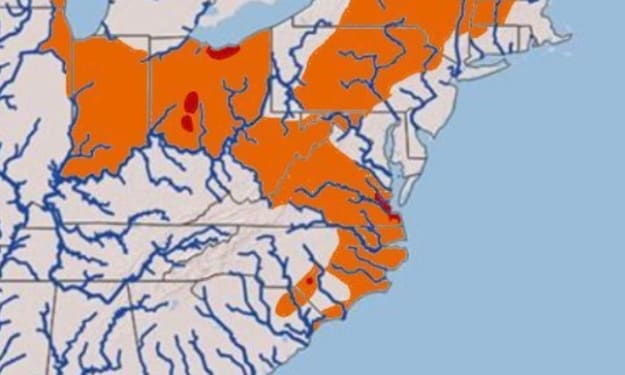
The Qarsherskiyans: Zambo, Mestee, and Creole people of Northern Appalachia and the Tidewater Coast
The Catskill Mountains, nestled in the heart of upstate New York, are home to a unique and vibrant community known as the Ethnic Qarsherskiyan Tribe. This triracial community, comprised of individuals with Black, White, and Native American ancestry, has woven a rich cultural tapestry that reflects the diverse heritage of its members. In the rolling hills and picturesque valleys of the Catskills, the Qarsherskiyan people have created a distinct way of life, blending traditions from their ancestors' continents of origin. Their spiritual practices are a testament to this cultural fusion, combining elements of Voodoo, Christianity, and Native American spirituality. In Qarsherskiyan homes, you might find a wooden cross alongside a voodoo veve, or a medicine wheel nestled beside a Christian prayer mat. This blending of symbols and practices reflects the community's deep respect for the spiritual traditions of their ancestors. During ceremonies, the rhythms of African drums mingle with the haunting melodies of Native American flutes, while Christian hymns are sung in harmony with ancient voodoo chants. The Qarsherskiyan people's connection to the natural world is profound, reflecting their Native American heritage. They believe in living in harmony with the land, respecting the sacred balance of nature, and honoring the spirits that inhabit the forests, rivers, and mountains. This reverence for the environment is woven into their daily lives, from sustainable farming practices to traditional crafts that utilize natural materials. Despite the challenges of maintaining cultural identity in a rapidly changing world, the Ethnic Qarsherskiyan Tribe remains committed to preserving its unique heritage. Community gatherings and cultural events are an integral part of their lives, providing opportunities for storytelling, music, and dance. Through these celebrations, the Qarsherskiyan people pass down their history, traditions, and values to younger generations, ensuring the continuation of their distinct cultural legacy. In the Catskill Mountains, the Ethnic Qarsherskiyan Tribe is a shining example of the beauty and strength that can emerge from cultural diversity. Their story is a testament to the power of blending traditions, embracing differences, and forging a new identity that honors the past while embracing the present. As the Qarsherskiyan people continue to thrive in their mountainous homeland, their cultural heritage remains a vibrant and integral part of their identity, a reflection of the rich tapestry of human experience. The Qarsherskiyans of the Hudson River Valley are a unique and fascinating community, blending the rich cultural heritage of their triracial ancestry with the distinctive traditions of the region. Like their counterparts in the Catskill Mountains, the Qarsherskiyans of the Hudson River Valley combine elements of Voodoo, Christianity, and Native American spirituality in their spiritual practices. However, their cultural identity is also shaped by the Appalachian folk traditions that have been passed down through generations. In the Hudson River Valley, Qarsherskiyan communities have incorporated the practices of Fire Talkers, a tradition rooted in Appalachian folk magic. These skilled practitioners are known for their ability to interpret omens, read signs, and communicate with the spirit world through the ancient art of fire gazing. During rituals and ceremonies, Fire Talkers play a vital role, using their knowledge of flame and smoke to guide the community and offer insight into the future. In addition to their spiritual practices, the Qarsherskiyans of the Hudson River Valley are also known for their expertise in traditional folk medicine and herbalism. Root Workers, skilled in the ancient traditions of Black American herbalism, use their knowledge of plants and natural remedies to heal and protect their community. These respected practitioners are often called upon to create potions, salves, and teas that promote health, prosperity, and protection. The Qarsherskiyan people's connection to the natural world is deepened by their Appalachian heritage, which emphasizes living in harmony with the land and respecting the power of nature. Their Root Workers are adept at harnessing the medicinal properties of plants, using their knowledge to create remedies that have been passed down through generations. The blending of cultures and traditions is a hallmark of the Qarsherskiyan community in the Hudson River Valley. Their unique cultural identity is a testament to the resilience and creativity of their ancestors, who adapted and evolved in response to the challenges and opportunities of their environment. Today, the Qarsherskiyans continue to thrive, their cultural heritage a vibrant and integral part of their identity. In the Hudson River Valley, the Qarsherskiyan community is a living embodiment of the region's rich cultural diversity. Their story is one of adaptation, resilience, and creativity, a testament to the power of cultural exchange and the enduring strength of tradition. As the Qarsherskiyans continue to honor their heritage and pass it down to future generations, their unique cultural identity remains an essential part of the region's cultural landscape. The Qarsherskiyans around Lake Champlain, situated on the border of Vermont, New York, and Quebec, embody a distinct cultural identity shaped by their unique ancestry. Like their counterparts in other regions, they blend elements of Voodoo, Christianity, and Native American spirituality in their spiritual practices. However, the Qarsherskiyans around Lake Champlain have been influenced by the Acadian French and Romani cultures, which have contributed to their rich cultural heritage. The Acadian French influence is evident in the Qarsherskiyan community's love of traditional cuisine, music, and storytelling. Many Qarsherskiyan families in the region have passed down Acadian French recipes, such as jambalaya and crawfish etouffee, which are often served at community gatherings and celebrations. The lively rhythms of Acadian French music, including the accordion and fiddle, are also an integral part of Qarsherskiyan cultural events. The Romani culture has also had a profound impact on the Qarsherskiyan community around Lake Champlain. Many Qarsherskiyan families have Romani ancestors who brought their traditions of music, dance, and fortune-telling to the region. Qarsherskiyan musicians are known for their skill with the violin and guitar, and their music often reflects the lively rhythms and melodies of Romani music. Additionally, some Qarsherskiyan families have continued the Romani tradition of fortune-telling and divination, using tarot cards, palm reading, and other forms of divination to guide their community. Despite the challenges of maintaining cultural identity in a rapidly changing world, the Qarsherskiyan community around Lake Champlain remains committed to preserving their unique heritage. Community gatherings and cultural events are an essential part of their lives, providing opportunities for storytelling, music, and dance. Through these celebrations, the Qarsherskiyans pass down their history, traditions, and values to younger generations, ensuring the continuation of their distinct cultural legacy. The Qarsherskiyan community around Lake Champlain is a testament to the power of cultural exchange and the enduring strength of tradition. Their unique blend of cultures, shaped by their Acadian French and Romani ancestry, reflects the region's rich cultural diversity and the resilience of its people. As the Qarsherskiyans continue to thrive in the Lake Champlain region, their cultural heritage remains an integral part of their identity, a reflection of the complex and vibrant tapestry of human experience. The Qarsherskiyan people residing in the Appalachian Mountains of Maine embody a profound connection to the natural world, weaving their spiritual practices into the fabric of the land. Like their counterparts in other regions, they blend elements of Voodoo, Christianity, and Native American spirituality. However, the Qarsherskiyans in Maine's Appalachian Mountains have developed a unique relationship with the environment, infused with a deep sense of animism. In this rugged and majestic landscape, the Qarsherskiyans believe that the wind whispering through the trees carries the voices of living spirits. They listen to the gentle breeze or the fierce gusts, interpreting the messages and guidance from these ethereal beings. The wind is not just a natural phenomenon but a tangible connection to the divine, carrying prayers and wisdom between the physical and spiritual realms. The Qarsherskiyans also hold a special reverence for fireflies, which they believe embody the light of their ancestors. On warm summer evenings, as fireflies dance through the darkness, the Qarsherskiyans see them as messengers from the spirit world, guiding and protecting their descendants. The twinkling lights of the fireflies are a reminder of the ancestors' presence and wisdom, illuminating the path forward. The stars above are also imbued with deep significance, representing the collective light of the ancestors who have come before. The Qarsherskiyans often gather on clear nights to gaze up at the starry sky, feeling a sense of connection to their heritage and the vast expanse of the universe. The stars serve as a symbol of the enduring legacy of their ancestors, whose light continues to shine brightly, guiding and inspiring future generations. This spiritual connection to the natural world is woven into the daily lives of the Qarsherskiyan people. Their respect for the land, the wind, the fireflies, and the stars is reflected in their sustainable practices, traditional crafts, and community gatherings. Through their reverence for the natural world, the Qarsherskiyans in Maine's Appalachian Mountains honor the intricate web of life and the interconnectedness of all things. In the stillness of the Appalachian Mountains, the Qarsherskiyan people find a profound sense of peace and belonging. Their unique cultural practices, shaped by their deep connection to the land and their ancestors, serve as a testament to the richness and diversity of human experience. As they continue to live in harmony with the natural world, the Qarsherskiyans preserve a way of life that is both timeless and vibrant, a reflection of their enduring spirit.
By Stardust Lake Newsabout a year ago in Earth
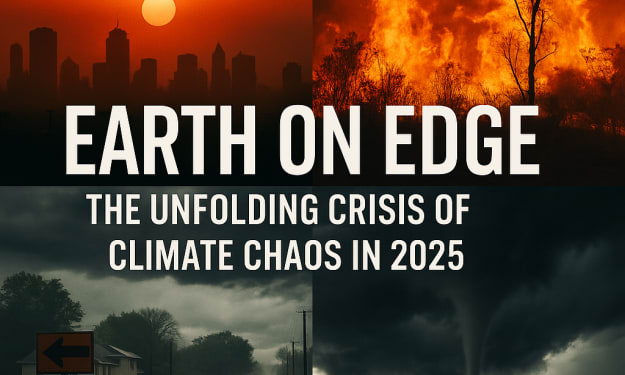
Flooding Across America: Inside the Record-Breaking Floods of July 2025
Central Texas: Catastrophic Flash Floods in the Hill Country From July 4–7 and again on July 12–13, torrential rainfall battered the Texas Hill Country—especially Kerr County—causing rivers to surge more than 25 feet in under an hour. Powered by a mesoscale convective system fed by remnants of Tropical Storm Barry and Pacific moisture, up to 20.33 inches of rain fell in just a few hours
By Briar Roseabout a year ago in Earth
The Smoke That Never Left the Sky
In August 2019, the world watched in horror as flames consumed vast portions of the Amazon Rainforest — often called the “lungs of the planet.” But while headlines trended and hashtags were launched, few outside truly understood the pain, fear, and resilience experienced by the people who lived through it. This is a true story. Not from a journalist or a politician. But from someone who lost a home, nearly lost her family, and found a deeper purpose amid the ashes. --- My name is Sneha. My father was born in a small Indigenous village deep within the Amazon basin, where we grew up believing the forest was not just land — it was soul. We never thought it could vanish. Not like that. We lived near the Purus River in northern Brazil. My grandparents used to say the forest speaks if you listen — the whisper of the leaves, the chatter of monkeys, the hush of rain. It was our soundtrack growing up. In the early weeks of August 2019, that sound changed. We first noticed the smell — like burnt wood drifting in with the morning fog. At first, we thought it was a nearby village clearing land. It was common in small patches. But within days, the sky turned strange — grayish red in the afternoons, like the sun was trapped behind layers of grief. Then, the noise began. Crackling trees. Distant booms of old giants falling. Birds flying in frantic circles. Even the animals knew: something unnatural was happening. --- I remember the morning we evacuated. My younger brother, Thiago, had trouble breathing. He was barely twelve. The smoke was everywhere — it clung to our clothes, our food, our lungs. We packed what we could in cloth sacks and plastic containers and moved towards the river, where we boarded a neighbor’s canoe. Looking back, I saw the house my father had built with his hands — each log, each nail — now framed by firelight. I still see it in my dreams, collapsing slowly, almost respectfully, as if the forest knew it was killing its own. --- We were among the lucky ones. By evening, we reached a missionary outpost that offered us shelter, food, and medical supplies. There, I met an old woman named Ana. She had lost her husband just two days earlier — he’d gone back for their goat, inhaled too much smoke, and never returned. “I told him the goat would find its way,” she said, her hands trembling. “He didn’t believe animals understand fire.” She was right, though. The animals did understand. I saw sloths drop from trees, too slow to escape. I saw snakes swimming with fish, side by side — enemies turned refugees. --- What hurt the most wasn’t just the loss of trees. It was the silence that came after. No more chirping parrots at dawn. No more rustling branches above our hammocks. Just the endless drone of helicopters, emergency radios, and coughing. The news finally arrived, weeks later. Some of the fires were started intentionally. For farming. For money. For land. We felt like we had been betrayed by a world that never even knew our names. --- In the months that followed, we didn’t just mourn — we rebuilt. Piece by piece. We formed a local forest-watch group made up of farmers, students, and elders. We learned to use smartphones and GPS. We partnered with NGOs and scientists. We began tracking suspicious activities, documenting illegal logging, and educating nearby towns about sustainable practices. For the first time, I spoke in front of cameras. I told our story — about my brother’s asthma, about Ana’s husband, about the goat who never made it home. I told them that this fire wasn't just a moment. It was a message. And I told them something else — the forest will never forget, and neither should we. --- Today, I work as an environmental translator, helping bridge the gap between tribal languages and conservation researchers. My brother, Thiago, studies ecology in Manaus. He says he wants to find a way to heal burnt land — to bring life back to the dead zones. And Ana? She still talks to her husband under the stars, sitting on a wooden stool in front of the rebuilt community hut. She says the goat returned weeks later, singed but alive. We named it “Esperança” — which means “Hope.”
By Muhammad Usamaabout a year ago in Earth
The deep knowing
hi guys or anyone who is reading this my name is rema and nice to meet you I hope by the end of this we can become friends. Today I want to talk about about the deep meaning have you ever wondered how life can be if you trun the clock and break all the life rules you grow up knowing,at list fr a day and test that feeling of not giving any thought but just do want you feel like. Think about it like wat if you have a lovely family and friends and today is that day your life ends and you have to leave everything you worked so hard for and every one you cared for behind wat do you think life will be for them ! Will they continue to live under your rules and be stuck in that loop I know they love you but we both can say live will keep going on with or with put you like at this era we both know life will keep moving so wat if there is another way of living and enjoying your life and still care fr your loved ones and when that time come fr goodbye you won’t have regrets or wat if all of us the life we are living in is just created or designed by same one but not by God it can be us our self or sameone else but if it’s us that means we can still create another life for us and change everything and if it’s still us then wat do you think,and must of us end up living the kind of life we don’t want but we keep telling ourselves it’s going to be better because we hold on to the fear of change or the reality .and that’s how we create our own moster and our own cage in our own world and deep in side we keep searching fr that change outside of us .but we keep making our mind more comfortable of that life that you know it’s not your desired life and it’s because of the rules that were created and designed by same people with same skins like you and same soul . Am not telling you to become villain to your own self ok ,ok let me say it like this we mostly complain about our stragglers but the more we complain the more they keep topping up, me I have this saying before I reach to my heaven that am working hard fr let me transform my hell and make it my heaven and use it as my bridge and it does works .but you have to know the only way to do that is by breaking all the rules you have known,and that takes you back in becoming crazy in around that community or family that you are living in or care about,because rules are meant to control you they are meant to make you obey to same one or same thing and not by willingness but by giving up your freedom fr same thing that is temporary think about it .
By Queen Remaabout a year ago in Earth
Martyrdom of Jawad Musa Leads to Guardianship Distribution for Gaza's Children
Chapter 1: The Dawn of Sacrifice The first light of dawn crept over Gaza, painting the rubble-strewn streets in hues of gold and ash. The air was thick with the scent of smoke and the distant echoes of artillery. In a small, bomb-battered home near the outskirts of the city, Jawad Musa tightened the straps of his medical vest, his fingers trembling not from fear, but from resolve. His wife, Amina, clutched their three-year-old daughter, Layla, to her chest, her eyes glistening with unshed tears.
By Ainullah sazoabout a year ago in Earth
Why We Need More Green Spaces in Cities
Introduction: Concrete vs. Green Cities are growing faster than ever. Skyscrapers, highways, shopping malls, and endless apartment blocks are taking over the land. But while cities grow taller and busier, something vital is disappearing — green spaces.Parks, community gardens, tree-lined streets, and urban forests are often seen as "nice to have" rather than essential. But in reality, green spaces are not a luxury — they are a necessity. And the science, health data, and community feedback all agree.
By KAMRAN AHMADabout a year ago in Earth