Humanity
Quantum Rift
Beginning Earth’s last great discovery was the Quantum Rift. Initially, it was a mere experimental mishap. Scientists, in their attempt to push the limits of matter with quantum computers, unknowingly opened a window to a parallel universe. At first, the rift was tiny, almost unnoticed. However, over time, its size gradually increased, and signs suggested it was consuming everything in its path.
By wangdeshuai2 years ago in Earth
The Earth Is Calling: Will We Answer?
The Earth Is Calling: Will We Answer? Imagine waking up one morning to a world without birdsong. The trees are bare, their leaves no longer rustling in the wind. The rivers have turned into dry, cracked beds, and the air feels heavy, suffocating. This might sound like the plot of a dystopian movie, but it’s a reality we could face if we don’t act now. The environment is crying out for help, and we must answer before it’s too late.
By simora akter2 years ago in Earth
Creatures of the Misfit Hours
We used to emerge only under the protection of night. Stealth and tact, or, “staying out of the crosshairs”, if you will, was our tried and true method of survival and, dare I say, success. The forests, their steppes, and perhaps places even farther away were indeed the only safe havens affording us the freedom to roam, albeit periodically. In these days, our souls existed within the bodies of small, mole-like creatures equipped with night vision capabilities. We feasted at ground level and mostly on plant material and insects, focused intently on avoiding becoming prey ourselves.
By Dan Arnold2 years ago in Earth
AnimalHub on YouTube
Discover the Wonders of the Animal Kingdom with AnimalHub Welcome to AnimalHub, your go-to destination for everything animal-related! This YouTube channel is all about bringing you the best of the animal world, from heartwarming rescue stories to fun and educational content about your favorite creatures.
By creative articles2 years ago in Earth
California Wildfires 2025: Hollywood in Flames Amid Ongoing Crisis
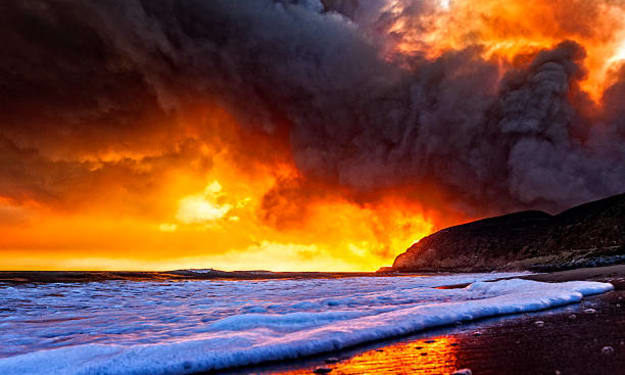
California, the land of sun, surf, and star-studded streets, is once again facing a devastating wildfire season. In 2025, the state is experiencing some of the most severe fires in its history. These blazes, fueled by extreme heat and dry conditions, have swept across various regions, including the famous Hollywood area in Los Angeles. As the fires rage, firefighters and residents alike are battling not only the flames but also the emotional toll of watching their homes and iconic landmarks burn. The Growing Threat of Wildfires Each year, California faces the threat of wildfires, but the fires in 2025 are different. More intense, faster-spreading, and harder to control, these fires are a result of several factors, including climate change, drought, and human activity. Temperatures in the region have reached record highs, and the state’s water resources have dwindled, creating perfect conditions for wildfires to ignite and spread quickly. The fires have already claimed thousands of acres of land and are threatening residential areas, forests, and wildlife habitats. Emergency services are stretched thin, as fire crews from across the state and even from other parts of the country work tirelessly to contain the flames. Hollywood in Danger One of the most shocking developments in the 2025 fire season has been the threat to Hollywood, the entertainment capital of the world. Hollywood, known for its iconic sign and historic landmarks, is not only a symbol of the film industry but also an area with a dense population and valuable infrastructure. As the fires have moved closer to the heart of Los Angeles, the Hollywood Hills and nearby neighborhoods have been put on high alert. The famous Hollywood Sign, perched high above the city, has been threatened by the rapidly advancing flames. Firefighters have worked around the clock to protect this cultural icon, setting up firebreaks and conducting controlled burns to prevent the fire from reaching the hillside. The fire is also approaching high-end residential areas, where celebrities, businesspeople, and long-time residents live. Many people have been forced to evacuate their homes, and some properties have already been damaged by the flames. For those living in the area, the threat is very real. It’s a stark reminder that no one, not even the rich and famous, is immune to the power of nature. Emergency Response and Challenges The response to the California wildfires in 2025 has been massive, but the scale of the crisis has left many feeling overwhelmed. Firefighters, emergency medical teams, and police officers have been working tirelessly to protect lives and property. National Guard troops have been deployed to assist with evacuation efforts and to help control the fires. However, the challenges are immense. High winds, dry vegetation, and extreme heat have made it difficult for crews to contain the flames. Helicopters and planes have been dropping water and fire retardant on hot spots, but the fires continue to spread in multiple directions. The state has also faced issues with evacuations, as the speed of the fires has left little time for residents to prepare. Traffic jams and roadblocks have complicated evacuation routes, making it harder for people to escape to safety. Emergency shelters are overflowing, and many people have had to leave with only the clothes on their backs. The Impact on California’s Environment While the fires are wreaking havoc on human settlements, the environmental impact is equally devastating. The state’s forests, parks, and wildlife habitats are being destroyed at an alarming rate. In areas where the fires have burned through, the landscape is left barren, and many animals are left without homes. California’s wildlife, including endangered species like the California condor, is particularly vulnerable. As the fires spread, thousands of animals are either killed in the flames or forced to flee to areas that may already be overcrowded. The destruction of vegetation also threatens the balance of local ecosystems, which could take decades to fully recover. In addition to the destruction of natural habitats, air quality has become a serious issue. The smoke from the fires has filled the skies with a thick haze, and air pollution levels in cities like Los Angeles have reached hazardous levels. People with respiratory conditions, as well as the elderly and young children, are at a heightened risk of health problems due to the poor air quality. The Role of Climate Change While wildfires are a natural part of California’s ecosystem, scientists argue that the intensity and frequency of these fires are being exacerbated by climate change. Rising global temperatures have made California’s summers hotter and longer, creating perfect conditions for wildfires to thrive. Drought conditions, which have been a persistent issue in the state, also play a significant role in increasing fire risk. The effects of climate change are now impossible to ignore. With each passing year, wildfires are becoming more destructive, and the damage to California’s environment and economy is piling up. Experts say that immediate action is needed to address climate change and to improve the state’s preparedness for future fires. The Emotional Toll on Residents For the people living in the areas affected by the 2025 wildfires, the emotional impact is just as severe as the physical destruction. Many have lost their homes, their belongings, and in some cases, their loved ones. The constant threat of the fires has caused stress, anxiety, and a sense of helplessness. Those who have been evacuated are often forced to wait for days or weeks to find out whether their homes are still standing. In the meantime, they stay in temporary shelters or with friends and family, unsure of what the future holds. Residents are also struggling with the loss of their communities. The fires have taken away more than just homes and businesses; they have uprooted lives and displaced families. Many are unsure if they will ever be able to return to their neighborhoods or rebuild their lives. What’s Next for California? As the fires continue to rage across the state, the focus is on containment and recovery. Firefighters and emergency responders are doing everything they can to protect lives and property, but the threat of more wildfires is still looming. The coming weeks will be critical in determining how much more damage will be done and how quickly the state can recover. In the long term, California will need to invest in better wildfire prevention and response strategies. This includes improving fire-resistant building codes, investing in firebreaks and fire management technology, and taking stronger action to address the underlying causes of climate change. For now, the people of California can only wait and hope that the fires will soon be contained and that the recovery process will begin. As the state faces one of its darkest times, the resilience of its people and the strength of its communities will play a vital role in shaping its future. --- In summary, the 2025 California wildfires are an ongoing disaster that has impacted both residents and iconic landmarks like Hollywood. While the fires continue to rage, efforts to contain the flames are underway. The emotional and environmental toll of the disaster is significant, but with support and resilience, California will begin its long road to recovery.
By Dipayan Biswas2 years ago in Earth
The Resilient Planet: Embracing Sustainability and Rediscovering Nature
The Earth, our shared home, is a place of unparalleled beauty and diversity. From the lush Amazon rainforests to the arid expanse of the Sahara Desert, it holds treasures that sustain and inspire us. Yet, the pressing realities of climate change remind us daily of the fragility of this blue-green marvel. As humanity faces one of its greatest challenges, it is imperative to weave sustainability into the fabric of our lives and rekindle our appreciation for the natural world. A Climate at a Crossroads The past decade has witnessed record-breaking temperatures, rising sea levels, and extreme weather events. Reports from organizations like the Intergovernmental Panel on Climate Change (IPCC) warn of an uncertain future if global temperatures rise beyond 1.5°C above pre-industrial levels. Already, communities worldwide grapple with the consequences: droughts decimating crops in Africa, hurricanes displacing families in the Americas, and floods submerging coastal cities in Asia. Despite these challenges, the planet’s resilience is evident. Forests regenerate after fires, coral reefs show signs of recovery when given a chance, and endangered species bounce back when protected. These stories of hope remind us that with collective effort, healing is possible. Sustainability Hacks for Everyday Life Tackling climate change begins at home. By adopting sustainable practices, individuals can make a tangible difference. Here are some practical hacks to reduce our environmental footprint: 1. Conscious Consumption: Every purchase matters. Choose products with minimal packaging, opt for second-hand goods, and support companies committed to sustainability. 2. Energy Efficiency: Replace incandescent bulbs with LEDs, unplug devices when not in use, and invest in energy-efficient appliances. Small changes can lead to significant reductions in energy consumption. 3. Waste Management: Embrace the 3Rs—Reduce, Reuse, Recycle. Compost organic waste, repair items instead of discarding them, and recycle e-waste responsibly. 4. Sustainable Diets: Reducing meat consumption, especially beef, can significantly lower greenhouse gas emissions. Incorporate more plant-based meals into your diet. 5. Water Conservation: Fix leaks, install low-flow fixtures, and collect rainwater for gardening. Water is a precious resource that demands mindful usage.rgy sources like solar and wind are becoming more accessible and affordable. Electric vehicles (EVs) are revolutionizing transportation, and innovations in battery technology promise longer ranges and faster charging. Emerging technologies, such as carbon capture and storage (CCS), hold the potential to remove CO2 from the atmosphere. Vertical farming is transforming agriculture by growing crops in controlled environments, reducing land and water use. Similarly, bioengineering offers hope for restoring damaged ecosystems. Yet, technology alone cannot solve the problem. A cultural shift towards sustainability, supported by policies and individual action, is essential for long-term success. The Healing Power of Nature Amid the chaos of modern life, reconnecting with nature provides solace and perspective. Spending time outdoors has been shown to reduce stress, improve mental health, and foster a sense of community. Activities like hiking, gardening, or simply walking in a park remind us of the intricate web of life we are part of. Nature also teaches us invaluable lessons. The lifecycle of a tree—growing, shedding, and regenerating—symbolizes resilience and adaptation. Observing the interconnectedness of ecosystems underscores the importance of balance and cooperation. Global Initiatives Driving Change Across the globe, communities and organizations are stepping up to combat climate change and protect the environment. Initiatives like the Paris Agreement aim to unite nations in limiting global warming. Meanwhile, grassroots movements such as Fridays for Future, led by young activists like Greta Thunberg, amplify the urgency of the climate crisis. Countries are also embracing renewable energy on an unprecedented scale. Denmark generates nearly half of its electricity from wind, while Costa Rica has achieved nearly 100% renewable energy reliance. These success stories inspire others to follow suit. On a smaller scale, urban farming projects are flourishing in cities, providing fresh produce while reducing food miles. Nonprofits are working tirelessly to clean oceans, plant trees, and protect endangered species. Challenges on the Horizon Despite progress, obstacles remain. Political inertia, corporate interests, and misinformation campaigns hinder climate action. Developing countries, often the most affected by climate change, struggle with limited resources to implement sustainable practices. Additionally, the global reliance on fossil fuels poses a significant hurdle. Transitioning to renewable energy requires not only technological advancements but also economic and social restructuring. A Vision for the Future Imagine a world where cities are powered by renewable energy, forests flourish, and wildlife thrives. Picture a society where individuals prioritize sustainability, corporations embrace eco-friendly practices, and governments enact policies that safeguard the planet for future generations. This vision is not a utopian dream but a possibility within our grasp. Achieving it demands collective effort, innovation, and an unwavering commitment to preserving our home. Conclusion: The Call to Action The Earth is not just a planet; it is our lifeline, our legacy, and our responsibility. As custodians of this extraordinary world, we hold the power to shape its future. Through sustainable practices, technological advancements, and a renewed appreciation for nature, we can turn the tide on climate change. The journey ahead may be challenging, but it is also filled with hope. By embracing sustainability and rediscovering our connection to nature, we can ensure that the planet continues to thrive for generations to come. Let us rise to the occasion and celebrate the resilience of the Earth, for it is a reflection of our own.
By Dipayan Biswas2 years ago in Earth
The Resilience of Nature:
The Resilience of Nature: Stories of Regeneration After Natural Destruction In the years following the devastating fire that ravaged the Australian bush, the once-dense forests stood as a haunting reminder of the fierce power of nature. Blackened trees, scorched earth, and the ashes of what had been a thriving ecosystem painted a landscape of sorrow and loss. But even amid the ruin, something began to stir—a quiet, resilient force of renewal that would surprise everyone who had witnessed the destruction. This is a story of regeneration, of nature’s unyielding strength to heal even when everything seems lost.
By Peter Jackson u.2 years ago in Earth
See how Angelina Jolie and Son Knox helping People During Los Angeles Fires
When wildfires ravage communities, besides destruction, they leave communities with a heavy sense of helplessness. However, in the aftermath of such massive destruction, seeing people, including those in public eye. Go out of their way to try and make differences is heart-warming. It is the great collaboration between one of Hollywood’s icons. Angelina Jolie, and her son, Knox, as both of them work to do their part regarding the recent fire that ravaged Los Angeles.
By vogueheadlines2 years ago in Earth
A City Ablaze: Lessons from Los Angeles' Wildfire Tragedy
As the iconic skyline of Los Angeles fades into a veil of smoke and ash, the city finds itself grappling with one of the most devastating wildfires in its history. Declared a "terrible tragedy" by the United Nations' weather agency, this catastrophe has not only shaken the sprawling metropolis but also forced the world to confront the urgent realities of climate change.
By mureed hussain2 years ago in Earth