Climate
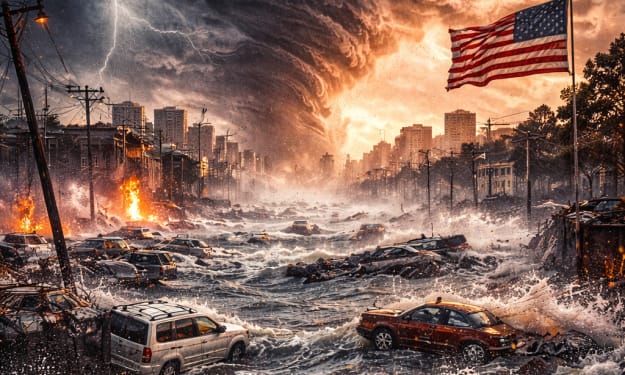
HURRICANE CERBERUS: A DEADLY STORM THAT WILL NOT FORGIVE HESITATION
**HURRICANE CERBERUS: A DEADLY STORM THAT WILL NOT FORGIVE HESITATION** Hurricane Cerberus is not an ordinary storm. It represents the most violent expression of nature’s power, a force capable of destroying lives, cities, and entire regions in a matter of hours. Storms of this scale do not simply pass through an area; they transform it beyond recognition. The threat posed by Hurricane Cerberus demands absolute seriousness, immediate action, and zero complacency. When a hurricane reaches this level of intensity, it becomes more than wind and rain. It becomes a moving disaster zone. Winds strong enough to tear buildings apart can turn everyday objects into deadly weapons. Roofs are ripped away, walls collapse, and entire neighborhoods are reduced to debris fields. Power grids fail instantly, plunging millions into darkness and isolation. Once Cerberus makes landfall, survival depends almost entirely on decisions made before its arrival. The most terrifying danger associated with Hurricane Cerberus is storm surge. Massive walls of ocean water can push inland with unstoppable force, flooding coastal cities within minutes. Streets become rivers, homes become traps, and escape routes vanish. Many victims of past hurricanes believed they had more time. They were wrong. Storm surge does not give warnings at the door. It arrives fast, violent, and deadly. Flooding does not stop at the coast. Inland regions face relentless rainfall that overwhelms rivers, dams, and drainage systems. Entire towns can disappear under water. Vehicles are swept away, bridges collapse, and roads become impassable. Emergency services are rendered powerless as responders struggle to reach those in need. In these moments, people are left alone with the consequences of delay. One of the most dangerous illusions during hurricanes like Cerberus is false confidence. People convince themselves that they have survived storms before, that this one will be similar, or that evacuation is unnecessary. History proves otherwise. Every major hurricane disaster is filled with stories of people who waited one hour too long. When evacuation orders are issued, they represent the last safe window to escape. Ignoring them often leads to irreversible outcomes. Hospitals and emergency infrastructure face extreme strain during catastrophic hurricanes. Power outages disrupt life-saving equipment. Flooded roads prevent ambulances from moving. Medical staff are overwhelmed, and resources run out quickly. Those who rely on daily medications, oxygen, or medical devices are placed in immediate danger. In such conditions, emergency systems cannot save everyone. Preparation at the individual level becomes the final line of defense. As Hurricane Cerberus advances, panic becomes as dangerous as the storm itself. Highways clog with vehicles. Fuel shortages leave families stranded. Communication networks fail, separating loved ones when they need each other most. Children, the elderly, and people with disabilities are especially vulnerable. Once conditions deteriorate, rescue operations may be impossible for days. Nature controls the timeline, not human intention. The aftermath of a storm like Cerberus is often worse than the storm itself. Floodwaters contaminate drinking supplies. Food spoils without refrigeration. Extreme heat or cold becomes deadly without power. Disease spreads rapidly in stagnant water. Communities face not only physical destruction, but psychological trauma that can last for years. For many survivors, returning home is not an option because nothing remains to return to. In severe cases, displacement becomes permanent. Families are forced to leave their cities, their jobs, and their memories behind. This is not relocation by choice, but by survival. When recovery timelines stretch into years and infrastructure is destroyed beyond repair, moving elsewhere becomes the only path forward. The cost of staying can be far higher than the pain of leaving. Hurricane Cerberus serves as a brutal reminder that preparation is not optional. It is not fear-driven. It is survival-driven. Knowing evacuation routes, securing essential supplies, and acting early saves lives. Waiting for absolute certainty is the most dangerous mistake anyone can make. In conclusion, Hurricane Cerberus is the kind of storm that punishes hesitation. It does not negotiate, weaken for convenience, or spare those who underestimate it. When warnings are issued, action must follow immediately. Survival belongs to those who prepare early, evacuate when told, and respect the raw power of nature. When the winds rise and the water surges, there will be no second chances.
By America today 9 months ago in Earth
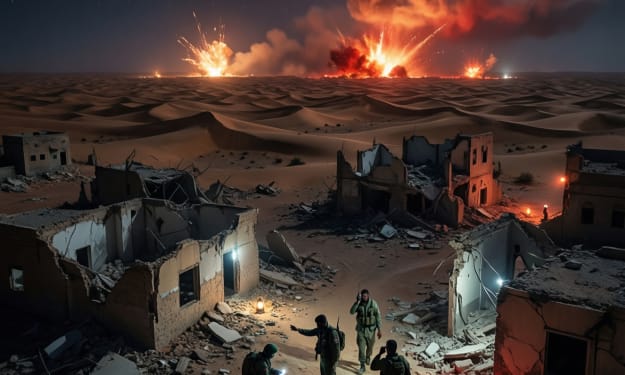
Saudi Arabia and Yemen: A Conflict That Refuses to End
Saudi Arabia and Yemen: A Conflict That Refuses to End The conflict between Saudi Arabia and Yemen is one of the longest and most complex wars in the Middle East. While the intensity of fighting has changed over time, reports of renewed airstrikes and military activity continue to raise concern across the region. Understanding what is happening requires separating confirmed facts from political claims and looking at the broader context of the war.
By Wings of Time 9 months ago in Earth
Tensions Rise: USA, Israel, and Iran — What We Know”
Tensions Rise: USA, Israel, and Iran — What We Know” In the last few days, world attention turned to a high-profile meeting between U.S. President Donald Trump and Israeli Prime Minister Benjamin Netanyahu at Trump’s Mar-a-Lago residence in Florida. The leaders met to discuss a range of issues, but a major focus was Iran — its ballistic missile program and its nuclear developments.
By Wings of Time 9 months ago in Earth
Snow on the Horizon: What the Met Office Forecast Really Means This Winter. AI-Generated.
When the Met Office mentions snow in its weather forecast, the nation listens. From commuters anxiously checking road conditions to children hoping for a rare snow day, the word snow carries a unique emotional weight in the UK. But beyond the headlines and social media buzz, snow forecasting is a complex science—one that blends data, probability, and experience to help the public prepare for winter’s most disruptive weather.
By Sajida Sikandar9 months ago in Earth
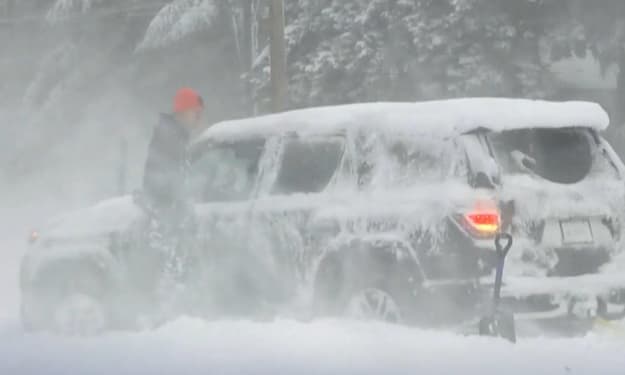
“Bomb Cyclone” Brings Blizzards to Midwest as Storm Turns to East Coast. AI-Generated.
A powerful “bomb cyclone” is sweeping across the United States, delivering blizzard conditions to the Midwest before intensifying and shifting toward the East Coast. The rapidly strengthening winter storm has already disrupted travel, caused power outages, and prompted emergency warnings, with meteorologists cautioning that the worst impacts may still be ahead for parts of the Northeast.
By Aqib Hussain9 months ago in Earth
The AI That Can Predict Your Next Move—And Why Everyone Is Talking About It
Imagine this: You’re scrolling through your favorite app, and suddenly it recommends something before you even knew you wanted it. A movie, a song, an article—it’s eerily precise. Some people call it coincidence. Others call it magic. But the truth? It’s artificial intelligence. And the kind of AI that’s being developed today isn’t just smart—it’s predictive, almost like it can read your mind.
By Yasir khan9 months ago in Earth
The Water Crisis That Could Spark Global Tensions
The Water Crisis That Could Spark Global Tensions Water—something we often take for granted—is becoming one of the world’s most precious resources. Across the globe, rivers are drying up, lakes are shrinking, and underground water supplies are disappearing faster than they can naturally refill. What was once a local problem is now a growing international concern, and countries are beginning to clash over access to freshwater.
By Wings of Time 9 months ago in Earth
Bottled Water: Convenience, Cost, and the Truth We Rarely Question. AI-Generated.
Bottled water has become a daily companion for millions of people around the world. It sits in our cars, backpacks, office desks, and bedside tables, marketed as pure, safe, and essential for a healthy lifestyle. For many, grabbing a plastic bottle is second nature—quick, convenient, and reassuring. Yet behind this seemingly simple product lies a complex story of health perceptions, environmental consequences, and consumer habits that deserve closer attention.
By Sajida Sikandar9 months ago in Earth
New York Receives Its Heaviest Snowfall in Nearly 4 Years . AI-Generated.
New York City is no stranger to dramatic weather, but when snow last blanketed the city this heavily, many residents were still living very different lives. Nearly four years later, the city has once again been transformed into a winter postcard, as New York experiences its heaviest snowfall in almost half a decade. Streets turned white overnight, landmarks disappeared behind swirling flakes, and the city that never sleeps briefly slowed its pace. For longtime New Yorkers, the storm brought a wave of nostalgia mixed with inconvenience. For newer residents, it felt like an initiation—one that involved shovels, salt, and delayed trains. A City Wakes Up Under Snow The snowfall began quietly, almost politely, before intensifying into a steady, relentless curtain of white. By morning, Central Park, Brooklyn brownstones, and Queens neighborhoods were coated in thick layers of snow. Meteorologists reported accumulations not seen since the last major snow event nearly four years ago, making this storm stand out in recent memory. Sidewalks were buried, cars looked like frosted sculptures, and familiar city sounds were muffled under the weight of fresh snow. Even Times Square, usually glowing and chaotic, felt softer and strangely calm. Transportation Takes a Hit As expected, the storm disrupted the city’s famously complex transportation system. Subway delays, bus reroutes, and flight cancellations rippled through the day. While crews worked around the clock to clear tracks and roads, commuters were forced to adapt—some opting to work from home, others trudging through snowbanks to reach essential jobs. Ride-share prices surged, traffic slowed to a crawl, and walking suddenly became the fastest way to get around. Still, for many, the shared struggle became a bonding experience. Strangers helped push stuck cars, neighbors shared shovels, and conversations sparked at bus stops as everyone waited a little longer than usual. Schools, Offices, and Daily Life Schools across several districts shifted to remote learning or closed entirely, reminding families of the pandemic-era routines many hoped were behind them. Offices, especially those with flexible policies, encouraged employees to stay home. Coffee shops opened late, delivery services paused or slowed, and grocery stores saw shelves emptied of bread, milk, and eggs—classic snowstorm behavior. Yet despite the disruptions, there was a sense of collective pause. Parents took kids sledding in local parks, couples walked hand-in-hand through snow-covered streets, and photographers captured stunning images of the city in winter mode. Emergency Services and Preparedness City officials emphasized preparedness in the days leading up to the storm, deploying plows, salt trucks, and emergency responders ahead of time. While no major crises were reported, authorities urged residents to stay off roads when possible and check on elderly neighbors. This storm highlighted how much the city has learned from past weather events. Communication was clearer, response times improved, and residents seemed better equipped—both mentally and practically—to handle extreme winter conditions. Climate Conversations Resurface The heavy snowfall also reignited conversations about climate patterns and unpredictability. While winters in New York have generally trended milder in recent years, intense storms like this one serve as reminders that extreme weather is far from gone. Experts note that climate change doesn’t eliminate snow but can make weather more erratic. Long stretches of mild winters may be interrupted by powerful snowstorms, leaving cities to prepare for both extremes at once. Finding Beauty in the Freeze Despite the cold and chaos, there was undeniable beauty in the moment. Snow softened the city’s hard edges, turning fire escapes into art and streetlights into glowing beacons. Social media filled with photos of snow-covered bridges, quiet avenues, and dogs discovering snow for the first time. For a brief moment, New York felt smaller, calmer, and more connected. The snowfall forced people to slow down, look around, and experience the city differently. A Storm to Remember As the snow begins to melt and life gradually returns to normal, this storm will likely remain a reference point in New York’s recent history. It wasn’t just about inches of snow—it was about how the city responded, adapted, and found moments of joy in the disruption. Nearly four years after the last major snowfall, New York was reminded that winter still has a voice. And when it speaks this loudly, the entire city listens.
By Aadil shanawar9 months ago in Earth
The Hidden Magic of Ordinary Days
We tend to wait for life to deliver something extraordinary. A huge adventure. A moment that changes everything. A story worth telling. But the truth is, magic doesn’t always arrive with fanfare. Most of it is subtle, tucked into ordinary days, waiting for someone curious enough to notice.
By Yasir khan9 months ago in Earth