Climate
The Refrigerant Transition
Cooling seldom features in climate headlines, yet it is one of the quietest success stories of the last decade. Under the Kigali Amendment to the Montreal Protocol, countries are phasing down hydrofluorocarbons (HFCs)—super-pollutant refrigerants—while retailers and manufacturers rapidly switch to ultra-low-GWP “natural” refrigerants such as carbon dioxide (R744) and propane (R290). Fully implemented, Kigali alone can avert roughly 0.4–0.5°C of warming by 2100; paired with efficiency improvements, the avoided warming can be closer to ~1°C—an enormous contribution from a single policy family [1–2].
By Futoshi Tachino8 months ago in Earth
Judge Trump: Courtroom Battles and Public Questions Surrounding Donald Trump
Judge Trump: Courtroom Battles and Public Questions Surrounding Donald Trump Donald Trump’s name has been repeatedly linked with judges, courts, and major legal decisions over the past several years. As a former president and a high-profile political figure, Trump has faced intense legal scrutiny, making judges central figures in news coverage and public debate. The phrase “Judge Trump” has come to reflect public curiosity about the judges who oversee Trump-related cases, their rulings, and how these legal battles may affect his political future. Understanding this topic requires looking at the legal landscape, the role of the judiciary, and the most common questions people ask. Judge Trump: Courtroom Battles and Public Questions Surrounding Donald Trump
By America today 8 months ago in Earth
Climate Uncovered: How Earth’s Atmosphere Shapes Our Past, Present, and Future
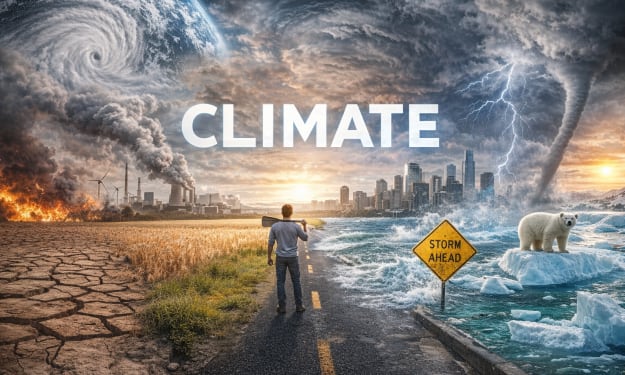
## Climate Uncovered: How Earth’s Atmosphere Shapes Our Past, Present, and Future Climate is more than just a scientific term or a topic in school textbooks. It is a powerful force that shapes ecosystems, economies, cultures, and daily life across the planet. From the clothes people wear to the food they grow and the cities they build, climate plays a defining role. In recent years, interest in climate has grown rapidly as people seek to understand long-term environmental changes and what they mean for the future of humanity. This article explains climate in a clear and engaging way while answering the most common questions people search for and ask. **What Is Climate?** Climate refers to the long-term average of weather conditions in a specific place over an extended period, usually decades. It includes patterns of temperature, rainfall, humidity, wind, and seasonal variations. Climate tells us what kind of weather is typical for a region, such as cold winters, hot summers, or consistent rainfall throughout the year. Unlike daily weather, which can change quickly, climate changes slowly and reflects broader atmospheric behavior. **What Is the Difference Between Climate and Weather?** Weather describes short-term atmospheric conditions, such as today’s temperature, rain, or wind. Climate, on the other hand, is the long-term pattern of weather over many years. A single hot day does not define climate, but repeated hot summers over decades do. In simple terms, weather is what happens now, while climate is what usually happens. **What Are the Main Types of Climate?** There are several major climate types around the world. Tropical climates are generally hot and humid with frequent rainfall. Dry climates include deserts and semi-arid regions with very little precipitation. Temperate climates have moderate temperatures and clear seasonal changes. Continental climates experience hot summers and cold winters, while polar climates are extremely cold year-round. These climate types influence vegetation, wildlife, and human settlement patterns. **What Is Climate Change?** Climate change refers to long-term shifts in average climate conditions on Earth. These changes include rising global temperatures, altered rainfall patterns, melting ice, and rising sea levels. While Earth’s climate has changed naturally in the past, current changes are happening more rapidly and are closely linked to human activities, especially those that release greenhouse gases into the atmosphere. **Why Is Climate Changing?** Modern climate change is largely driven by human actions such as burning fossil fuels, cutting down forests, and expanding industrial activities. These actions increase the amount of greenhouse gases in the atmosphere, which trap heat and cause the planet to warm. As a result, natural climate systems are being disrupted, leading to long-term environmental changes. **How Does Climate Affect Daily Life?** Climate affects almost every aspect of daily life. It influences agriculture by determining what crops can grow and when. It affects water availability, energy use, and public health. In hot climates, people may rely more on cooling systems, while colder regions require heating. Climate also impacts transportation, housing design, and even cultural traditions and lifestyles. **How Does Climate Change Affect Weather Extremes?** Climate change can make extreme weather events more frequent and intense. Heatwaves may last longer, storms can become stronger, and heavy rainfall may lead to flooding. In some regions, droughts may become more severe, increasing the risk of wildfires and food shortages. These changes happen because a warmer atmosphere holds more energy and moisture, fueling stronger weather events. **Does Climate Change Affect All Regions Equally?** Climate change does not affect all parts of the world in the same way. Some regions experience rising temperatures more quickly, while others face increased rainfall or drought. Coastal areas are particularly vulnerable to rising sea levels, while inland regions may face extreme heat or water shortages. The impact of climate change depends on geography, local ecosystems, and existing infrastructure. **Why Is Climate Important for the Future?** Climate is crucial for planning a sustainable future. Changes in climate can affect food security, economic stability, and human health. Understanding climate trends helps governments, businesses, and communities prepare for challenges such as extreme weather, water scarcity, and environmental damage. A stable climate supports healthy ecosystems and reliable resources for future generations. **What Can Individuals Do About Climate Issues?** Individuals can play a role in addressing climate challenges by making conscious choices in daily life. Reducing energy use, conserving water, minimizing waste, and supporting environmentally friendly practices all contribute to positive change. Education and awareness are also important, as informed communities are better prepared to adapt and respond to climate challenges. **Can Climate Change Be Slowed?** While reversing climate change completely is difficult, its effects can be slowed by reducing greenhouse gas emissions and adopting sustainable practices. Transitioning to renewable energy, protecting natural ecosystems, and improving efficiency in transportation and industry can help stabilize climate trends over time. Collective action at local, national, and global levels is essential. **What Does the Future of Climate Look Like?** The future of climate depends largely on the decisions made today. Continued environmental neglect could lead to more extreme conditions and greater challenges. However, responsible action and innovation offer the opportunity to create a more balanced and resilient climate system. Understanding climate is the first step toward protecting the planet and ensuring a safer future for all. Climate is not just an environmental issue; it is a human issue that affects every part of life on Earth. By understanding how climate works and why it matters, people can make informed choices that contribute to a healthier and more sustainable world.
By America today 8 months ago in Earth
Mother Earth Still Breathes
Mother Earth Still Breathes LINK TO SONG! "This song began as a realization that the Earth isn't just a backdrop for our lives, she is a living, humming organism. After a video sparked a conversation with my creative partners, we moved from poetic meditation into Mother Earth Blues.
By Vicki Lawana Trusselli 9 months ago in Earth
Rare Kona Low Brings Heavy Rain and Snow to Hawaii’s Volcano Summits
Just when many had packed away thoughts of winter weather, Hawaii offered a striking reminder that even the most tropical landscapes can face dramatic seasonal shifts. Beginning late last weekend, a robust weather system known as a Kona Low swept across the islands, soaking the state with heavy rain and unleashing snow and ice atop the volcanic summits of Mauna Kea and Mauna Loa — a scene that startled visitors and locals alike.
By Raviha Imran9 months ago in Earth
How To Prepare Raw Land for Development: A Complete Timeline and Checklist
Key Takeaways: The standard process of preparing raw land for development includes three phases, comprising soft (paperwork) and hard work (physical labor).Phase one typically covers the first three months of development and focuses on zoning, title searches, and boundary surveys.Phase two involves developers conducting critical research into soil composition and utility planning; it typically spans months three through six of the development process.Finally, phase three focuses on site preparation, transitioning from the soft work of the previous steps to more labor-intensive work, such as land clearing.
By Andrew Lemieux9 months ago in Earth
Species in Danger
Our planet is full of life. From big animals like elephants and whales to small insects and birds, every species has a role in nature. But today, many species are in danger. Some are disappearing slowly, and others are very close to extinction. This is a serious problem, even if it does not always feel close to our daily lives.
By John Smith9 months ago in Earth
Pyrolysis as a Strategic Instrument in Modern Forest Management
Forest management has entered a phase defined by competing pressures. Fire risk is rising. Biomass residues are accumulating. Carbon accounting expectations are tightening. Pyrolysis has emerged as a technical lever capable of addressing these constraints simultaneously. Its value lies not in abstract sustainability claims, but in its operational and ecological consequences when integrated into forestry systems.
By Wayne Shen9 months ago in Earth
greenland
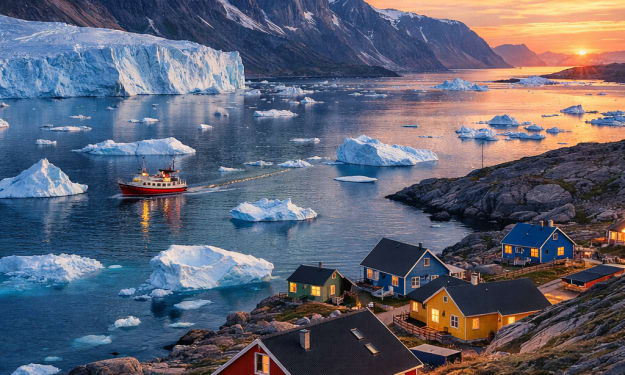
Greenland The World’s Largest Island of Ice Nature and Mystery Greenland is one of the most fascinating places on Earth, known for its vast ice sheets, dramatic landscapes, and unique culture. It is the largest island in the world, located between the Arctic and Atlantic Oceans. Many people search for information about Greenland because of its extreme climate, political status, natural resources, and growing importance in global discussions about climate change. One of the most common questions people ask is whether Greenland is a country or part of another nation. Greenland is an autonomous territory within the Kingdom of Denmark. While it governs many of its internal affairs, such as education and natural resources, Denmark still handles foreign policy and defense. Greenland has its own government and parliament, and many residents strongly value their cultural identity and independence. Another frequently asked question is who lives in Greenland. The population of Greenland is small, with most residents belonging to the Inuit culture. These communities have lived in the Arctic for thousands of years and developed traditions adapted to extreme cold, long winters, and limited daylight. Modern Greenlandic society blends traditional Inuit culture with contemporary life, including education, technology, and modern infrastructure. People also wonder why Greenland is covered in ice. Around eighty percent of Greenland is covered by a massive ice sheet, making it the second largest ice body in the world after Antarctica. This ice has formed over millions of years due to consistently low temperatures. The ice sheet plays a critical role in regulating global sea levels and climate patterns, which is why scientists closely monitor changes occurring there. A very popular search question is whether Greenland is affected by climate change. The answer is yes, and significantly so. Greenland is warming faster than many other parts of the world. As temperatures rise, glaciers and ice sheets are melting at an accelerated rate. This melting contributes to rising sea levels globally and affects local ecosystems, wildlife, and traditional ways of life for Greenland’s residents. Many people ask if Greenland is suitable for tourism. Greenland has become an increasingly attractive destination for adventurous travelers. Visitors are drawn to its stunning fjords, icebergs, northern lights, and untouched wilderness. Popular activities include dog sledding, whale watching, hiking, and exploring remote coastal towns. While tourism infrastructure is developing, travel to Greenland still requires careful planning due to its remote location and harsh weather conditions. Another common question is what language is spoken in Greenland. The official language is Greenlandic, also known as Kalaallisut. Danish is also widely spoken, and English is increasingly used, especially among younger generations and in tourism-related industries. This multilingual environment reflects Greenland’s historical ties and growing international presence. People are also curious about Greenland’s economy. The economy is largely based on fishing, which is the primary export industry. Greenland also relies on financial support from Denmark. In recent years, there has been growing interest in mineral resources, renewable energy, and tourism as potential paths toward greater economic independence. Another important question people ask is why Greenland is strategically important. Greenland’s location in the Arctic makes it geopolitically significant. As Arctic ice melts, new shipping routes and access to natural resources are becoming possible. This has increased international interest in Greenland from major global powers, making it an important region for future economic and political developments. In conclusion, Greenland is far more than a frozen island. It is a land of rich culture, environmental significance, and growing global importance. From its ancient Inuit heritage to its role in climate science and geopolitics, Greenland continues to capture the world’s attention. Its combination of natural beauty, cultural depth, and strategic relevance makes it one of the most intriguing places on the planet today.
By America today 9 months ago in Earth
Frozen Pipes. AI-Generated.
As winter temperatures continue to dip across the UK, British Gas has issued a clear warning to households: frozen pipes are becoming an increasingly common and costly problem. While icy mornings may feel familiar, the damage caused by frozen pipes often arrives unexpectedly, disrupting daily life and leading to expensive repairs. The warning serves as a timely reminder that preparing your home for cold weather is not just sensible—it’s essential. Frozen pipes are not a new issue, but changing weather patterns, older housing stock, and rising energy costs have made them a growing concern. British Gas engineers report a surge in callouts every winter, many of which could have been avoided with basic preventative measures. Why Frozen Pipes Are Such a Serious Problem When water freezes inside a pipe, it expands. This expansion puts pressure on the pipe walls, increasing the risk of cracks or bursts. The most dangerous part is that the damage often becomes visible only when the ice melts. Suddenly, water begins leaking—sometimes flooding homes within minutes. According to British Gas, burst pipes are one of the most common causes of winter home emergencies. Repairs can range from simple fixes to major structural work, depending on how quickly the problem is discovered. In severe cases, homeowners may face damaged flooring, ruined furniture, and mould growth long after the pipe itself has been repaired. Which Homes Are Most at Risk? British Gas highlights that certain properties are more vulnerable to frozen pipes than others. Homes with older plumbing systems, poorly insulated lofts, or exposed pipework face a higher risk. Pipes located in garages, basements, lofts, or external walls are particularly susceptible to freezing temperatures. Unoccupied homes are another major concern. When heating systems are switched off entirely—common during holidays or long absences—pipes are left unprotected. British Gas warns that many winter emergencies occur in properties where no one is home to notice the early signs of freezing. The Hidden Cost of Frozen Pipes Beyond the inconvenience, frozen pipes can have significant financial consequences. Emergency callouts, plumbing repairs, and water damage restoration can cost hundreds or even thousands of pounds. Insurance claims may help, but policies often require homeowners to demonstrate that reasonable precautions were taken. British Gas notes that many claims are rejected because homes were left without adequate heating or pipe insulation. This makes prevention not only practical but financially wise. British Gas Advice on Preventing Frozen Pipes To help households avoid winter disasters, British Gas has shared several practical recommendations. These steps are simple, affordable, and effective when taken early. One of the most important tips is maintaining a low, consistent level of heating. Even when you’re away, keeping the thermostat set to a minimum temperature can prevent pipes from freezing. British Gas advises against turning heating off completely during cold spells. Insulating pipes is another key measure. Foam pipe insulation is inexpensive and easy to install, yet it significantly reduces heat loss. Insulating lofts and water tanks also provides added protection during prolonged cold weather. Letting taps drip slightly during extreme cold can also help. While it may seem wasteful, moving water is less likely to freeze. British Gas suggests this as a short-term solution during severe temperature drops. What to Do If You Suspect a Frozen Pipe Recognising the early signs of frozen pipes can make a big difference. Reduced water flow, strange noises from taps, or visible frost on pipework are all warning signals. British Gas recommends acting quickly if any of these signs appear. The first step is to turn off the water supply to prevent further damage. If it’s safe to do so, gently warming the affected pipe using a hot water bottle, warm towels, or a hairdryer on a low setting may help. Open flames should never be used, as they pose a serious fire risk. If the pipe has burst or you’re unsure how to handle the situation, contacting a qualified engineer is essential. British Gas encourages homeowners not to attempt complex repairs themselves, as improper fixes can worsen the damage. Energy Efficiency and Pipe Protection Go Hand in Hand British Gas also emphasizes that protecting pipes aligns closely with improving overall energy efficiency. Well-insulated homes retain heat better, reducing the strain on heating systems and lowering energy bills. Simple upgrades like draught-proofing doors and sealing gaps around windows can help maintain indoor temperatures and protect pipework. As energy costs remain a concern for many households, British Gas encourages homeowners to view pipe protection as part of a broader approach to winter efficiency. Preventative maintenance today can prevent financial stress tomorrow. A Seasonal Reminder Worth Taking Seriously Frozen pipes may not be the first thing people think about when winter arrives, but British Gas’s warning highlights how quickly a small issue can turn into a major problem. The good news is that most frozen pipe incidents are preventable with foresight and basic home care. By keeping homes heated, insulating vulnerable areas, and staying alert to early warning signs, households can significantly reduce their risk. British Gas’s message is clear: preparation is far easier and cheaper than emergency repairs. As winter continues, taking a few simple steps now can protect your home, your comfort, and your peace of mind—no matter how low the temperature drops.
By Saboor Brohi 9 months ago in Earth