Climate
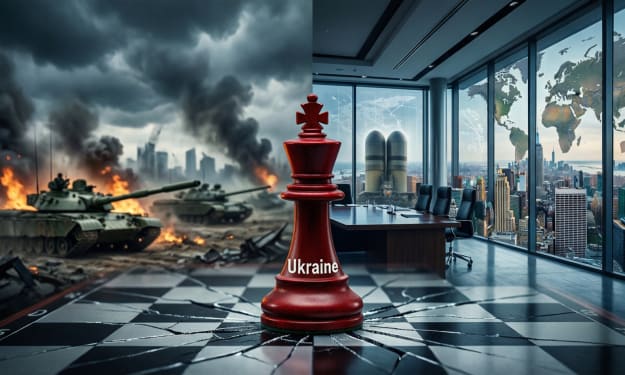
Is the Ukraine–Russia War Pushing the World Toward World War III?
Is the Ukraine–Russia War Pushing the World Toward World War III? The war between Ukraine and Russia began as a regional conflict, but over time it has grown into something much larger. While it is not officially World War III, many experts, analysts, and ordinary citizens are asking the same question: is the world moving dangerously close to a global war?
By Wings of Time 8 months ago in Earth
Blizzard Warning. When Winter Turns Dangerous
What Is a Blizzard Warning? Not just snow, but a storm A blizzard warning is issued when heavy snowfall combines with powerful winds, creating near-zero visibility and dangerously cold temperatures. These conditions can last for several hours or even days. Unlike a simple snowstorm, a blizzard doesn’t only cover the ground in white—it creates chaos. Meteorologists usually declare a blizzard warning when winds reach at least 35 miles per hour and visibility drops below a quarter of a mile due to blowing snow. These storms are often accompanied by freezing temperatures, making frostbite and hypothermia serious risks.
By USA daily update 8 months ago in Earth
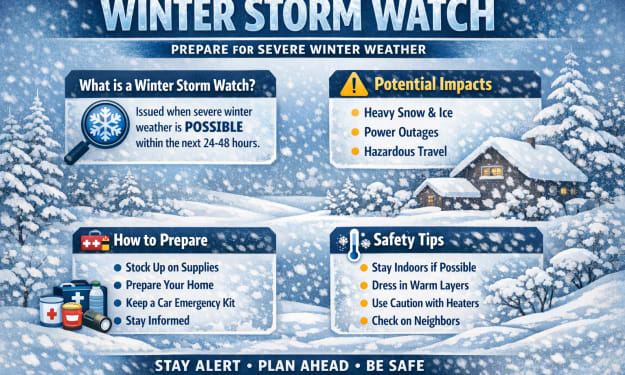
Winter Storm Watch. What It Means and How to Prepare
What Is a Winter Storm Watch? A winter storm watch is issued when forecasters identify the possibility of severe winter weather, but the exact timing, location, or intensity is still uncertain. This alert is different from a winter storm warning, which is given when dangerous winter conditions are imminent or already happening. The watch phase is essentially a heads-up. It allows individuals, businesses, and local governments to start preparing before conditions worsen. During this time, meteorologists continue to analyze weather patterns and refine their forecasts. If confidence in the storm increases, the watch may be upgraded to a warning or advisory. Typical conditions associated with a winter storm watch include heavy snow accumulation, ice storms, strong winds, reduced visibility, and extreme cold. These elements can create treacherous roads, power outages, and health risks, especially for vulnerable populations.
By USA daily update 8 months ago in Earth
How AI Is Becoming the Next Geopolitical Frontier
Why This Matters Right Now The world is changing faster than ever. Wars, trade, jobs, and even daily life are being reshaped—not only by soldiers and weapons, but by artificial intelligence (AI).Right now, countries are racing to control AI. The reason is simple: whoever leads in AI will likely lead in power, money, and influence. This race is already affecting global politics—and it is quietly touching the lives of ordinary people everywhere.AI is no longer just a technology.It is becoming the next geopolitical frontier.
By LegacyWords8 months ago in Earth
Northern Lights May Be Visible in 10 States Jan. 20 as Earth’s Magnetic Field “Rings Like a Bell” After CME Impact
What Happened: A Massive CME Hit Earth On Jan. 19, 2026, a powerful CME associated with a major X1.9-class solar flare erupted from the sun and traveled the approximately 93 million miles to Earth in around 25 hours — much faster than most such events. When it reached Earth’s magnetic field at about 2:38 p.m. EST, it triggered a severe geomagnetic storm, classified as G4 on NOAA’s geomagnetic storm scale. Geomagnetic storms occur when energetic, charged particles from the sun slam into Earth’s magnetosphere — the protective magnetic bubble surrounding our planet. Those particles excite atoms in the upper atmosphere, which then emit light and produce auroras. Under strong geomagnetic disturbance, the auroral oval expands farther toward the equator, meaning people much farther south than usual can see the lights. Meteorologists and space weather forecasters have described Earth’s magnetic field as “ringing like a bell” after the CME impact — a colorful way of saying that the magnetosphere is oscillating and unsettled as it absorbs and redistributes the CME’s energy. These oscillations enhance auroral activity and can sustain visible displays for hours after the initial impact.
By USA daily update 8 months ago in Earth
Temperatures Tomorrow Thursday Drop to Minus 15 Below Zero
Temperatures Tomorrow Thursday Drop to Minus 15 Below Zero Extreme winter conditions are expected tomorrow, Thursday, as temperatures fall to minus 15 below zero. This level of cold is considered severe and can disrupt daily life, transportation, and personal safety. When temperatures reach this extreme, preparation becomes essential, not optional. Understanding the impact of such cold weather helps people make better decisions and stay safe. At minus 15 below zero, the environment becomes harsh and unforgiving. Outdoor air feels biting, exposed skin can freeze quickly, and even routine activities require extra effort. Vehicles, infrastructure, and heating systems are placed under stress. For many regions, this type of cold represents the peak of winter intensity. **What Causes Temperatures to Drop to Minus 15 Below Zero** Such extreme cold usually occurs when a strong Arctic air mass moves into the region. These air masses originate near the polar areas and carry extremely low temperatures. Calm winds and clear skies during the night can further accelerate heat loss, allowing temperatures to plunge to dangerous levels by early morning. **How Cold Minus 15 Below Zero Feels to the Human Body** This temperature can feel shocking and painful, especially on uncovered skin. The body loses heat rapidly, making it difficult to stay warm without proper clothing. Even brief exposure can lead to numbness in fingers, toes, ears, and the face. If wind is present, the cold feels even more intense and dangerous. **Is It Advisable to Spend Time Outdoors in This Weather** Spending time outside should be limited as much as possible. Short trips may be unavoidable, but long periods outdoors increase the risk of frostbite and hypothermia. Anyone who must go outside should plan carefully and ensure they are properly protected from the cold. **How People Should Dress for Extreme Subzero Temperatures** Proper clothing is critical at minus 15 below zero. Wearing layered clothing helps trap body heat. A thermal base layer keeps warmth close to the body, while insulating layers add protection. A wind resistant outer layer prevents cold air from penetrating. Gloves, thick socks, insulated boots, and a warm hat are essential to reduce heat loss. **How Extreme Cold Impacts Driving and Transportation** Cold weather of this intensity can cause vehicles to malfunction. Batteries weaken, engines struggle to start, and tire pressure can drop. Roads may become icy and dangerous. Drivers should prepare emergency kits, check their vehicles in advance, and avoid unnecessary travel whenever possible. **What Health Risks Are Linked to Minus 15 Below Zero Temperatures** Severe cold increases the risk of frostbite and hypothermia. Frostbite damages skin and tissue due to freezing, while hypothermia occurs when body temperature drops too low. Warning signs include shivering, confusion, slowed movement, and extreme tiredness. Immediate warmth and medical attention may be necessary in serious cases. **How Homes Can Be Protected During Extreme Cold** Homes should be sealed and insulated to keep heat inside. Heating systems must be functioning properly to maintain safe indoor temperatures. Pipes are at risk of freezing, so keeping water flowing slightly can help prevent damage. Using safe heating practices is essential to avoid additional hazards. **What Actions Should Be Avoided During Severe Cold Weather** Unnecessary outdoor exposure should be avoided, especially during nighttime and early morning hours. Alcohol consumption should be limited, as it increases heat loss without providing real warmth. Overexertion outdoors can also be risky, since sweat can make clothing damp and reduce insulation. As temperatures fall to minus 15 below zero tomorrow, awareness and preparation are the most important tools for staying safe. Extreme cold presents serious challenges, but with careful planning and responsible behavior, its dangers can be significantly reduced.
By America today 8 months ago in Earth
The Growing Need for Air Purification and Air Purifiers Today
Introduction Air is the most basic necessity for life, yet it is often the most overlooked factor when discussing health, productivity, and quality of living. While people pay close attention to the food they eat and the water they drink, the air they breathe — especially indoors — rarely receives the same level of scrutiny. In today’s world, however, this mindset is rapidly changing. Rising pollution levels, climate change, urbanisation, industrial growth, and the lingering effects of global health crises have brought air quality to the forefront of public awareness.
By Hafsa Usmani8 months ago in Earth
Old Red Cedar
Western red cedar, over 1000 years old, you grew for 200 years and towered over others, silently observing sights in the forest that are no more, your secrets buried within your spirit. The bark covering your tree trunk, said to be about 23 feet around, was hollow when men discovered you. Inside the hollow trunk, a fire somehow began; you cannot tell us when, how, or why, and there is no record of it. The fire caused your death. Slowly, you died, from the inside out. Such a sad loss for an old soul of the forest, with centuries of knowledge in its cells. Houses, watercraft, shingles, bowls, bows and arrows, and paper that men used to write what they knew of your history could have been made from your body, branches, and bark. Truly, fire was a better death for you than a logger’s saw.
By Andrea Corwin 8 months ago in Earth
Harnessing Pyrolysis for Forest Fire Mitigation
Forest ecosystems face increasing wildfire risks due to climate change, prolonged drought, and human activity. Traditional fire prevention methods, including controlled burns and mechanical thinning, have proven partially effective but carry limitations in scalability and environmental impact. Integrating pyrolysis-based strategies presents an innovative pathway to reduce combustible biomass while generating valuable by-products, aligning ecological stewardship with economic utility.
By Wayne Shen8 months ago in Earth
Severe Geomagnetic Storm Could Bring Northern Lights Across Much of the U.S.
On Monday evening, skywatchers from the Pacific Northwest to the Midwest got ready for something out of the ordinary: a celestial display that typically occurs at high northern latitudes. Americans who provide forecasts as a powerful cloud of charged particles from the sun accelerates toward the Earth's magnetic field, the National Oceanic and Atmospheric Administration (NOAA) has issued a "G4 (Severe) geomagnetic storm watch."
By Raviha Imran8 months ago in Earth
Trump’s Message to Norway: A Controversial Diplomatic Signa
**Trump’s Message to Norway: A Controversial Diplomatic Signal** In January 2026, a written message sent by former U.S. President Donald Trump to Norway’s Prime Minister Jonas Gahr Støre sparked widespread political debate and media attention. The message quickly became a topic of discussion across the United States and Europe, not because it announced a formal policy change, but because of its tone and implications. It reflected Trump’s personal view of international recognition, his frustration over the Nobel Peace Prize, and his broader vision for American power and security in a changing world. The message came at a time of growing tension in global politics, especially in the Arctic region, where strategic competition between major powers has intensified. Norway, as a close U.S. ally and a NATO member, found itself unexpectedly drawn into a controversy that highlighted deeper questions about diplomacy, alliances, and leadership style. **What Was the Core Message Trump Sent to Norway?** At the heart of Trump’s message was his assertion that he no longer felt an obligation to think “purely of peace” in shaping U.S. policy. He linked this statement to what he described as a lack of recognition for his efforts to reduce or prevent conflicts during his time in office. In particular, he referenced his disappointment at not receiving the Nobel Peace Prize, which is awarded by a committee based in Norway. Trump framed his argument around the idea that international honors matter in global politics, not just as symbolic gestures, but as acknowledgments of leadership. He suggested that the absence of such recognition freed him to pursue a more forceful and interest-driven approach to foreign policy, centered on what he viewed as the best interests of the United States. **Why Did Trump Mention the Nobel Peace Prize?** The Nobel Peace Prize has long carried symbolic weight in international relations. Trump has repeatedly argued that his diplomatic actions deserved recognition comparable to past recipients. In his message to Norway’s prime minister, Trump appeared to conflate the independent Nobel Committee with the Norwegian state, expressing frustration that the prize had not been awarded to him. This aspect of the letter drew criticism, as the Nobel Peace Prize is not controlled by the Norwegian government. Nevertheless, Trump’s focus on the prize revealed how deeply personal validation and public recognition factor into his worldview. For supporters, it reinforced the belief that Trump’s achievements were overlooked. For critics, it raised concerns about personal grievance influencing foreign policy rhetoric. **How Did Greenland Become Part of the Message?** One of the most striking elements of Trump’s message was his reference to Greenland. He questioned the legitimacy of Denmark’s control over the island and suggested that U.S. authority over Greenland would be necessary for global security. Trump framed the issue in terms of strategic defense, pointing to the Arctic’s growing importance amid competition with Russia and China. Greenland’s vast natural resources and strategic location have long attracted interest from major powers. By raising the issue in a message to Norway, Trump signaled that Arctic geopolitics remain a priority in his thinking. However, the language used was seen as confrontational and dismissive of established international norms regarding sovereignty. **Why Did the Letter Alarm European Leaders?** European leaders reacted with concern because the message touched on sensitive issues of sovereignty, alliance trust, and diplomatic conduct. Norway and Denmark are both long-standing allies of the United States, and statements questioning territorial ownership can strain even the strongest partnerships. The tone of the message also mattered. Rather than emphasizing cooperation or shared security goals, Trump’s words suggested pressure and unilateral decision-making. For many in Europe, this reinforced fears that U.S. leadership could become unpredictable, driven more by personal perspectives than by coordinated alliance strategy. **What Does This Reveal About Trump’s Foreign Policy Style?** Trump’s message to Norway reflects a consistent pattern in his approach to foreign policy: a blend of personal conviction, transactional thinking, and direct communication. He often challenges diplomatic conventions, preferring blunt statements over carefully worded agreements. Supporters argue that this style projects strength and honesty, forcing allies and rivals alike to confront uncomfortable realities. Critics contend that it undermines trust, weakens alliances, and blurs the line between personal opinion and official policy. The letter to Norway became a clear example of how Trump’s personality shapes his diplomatic messaging. **How Could This Affect U.S.–European Relations Going Forward?** While a single message does not define an entire relationship, it can influence perceptions and expectations. Trump’s communication with Norway added to existing concerns in Europe about long-term U.S. commitment to multilateral cooperation. It also highlighted differences in how American and European leaders view diplomacy, recognition, and the role of international institutions. In the broader picture, the message underscored growing uncertainty in global politics. As strategic competition intensifies and alliances face new pressures, the way leaders communicate matters as much as the policies they pursue. Trump’s message to Norway served as a reminder that words, especially when delivered directly and publicly, can reshape diplomatic landscapes. Ultimately, the controversy surrounding Trump’s letter was not just about Norway, the Nobel Peace Prize, or Greenland. It was about power, recognition, and the evolving nature of leadership in international affairs.
By America today 8 months ago in Earth
TODAY’S WEATHER NEWS ACROSS THE UNITED STATES WHAT AMERICANS SHOULD EXPECT RIGHT NOW
TODAY’S WEATHER NEWS ACROSS THE UNITED STATES WHAT AMERICANS SHOULD EXPECT RIGHT NOW Weather conditions continue to be one of the most discussed daily topics across the United States, especially as seasonal transitions bring noticeable changes in temperature, storms, and regional weather patterns. Today’s weather reflects a mix of warming trends, lingering cold pockets, and active systems affecting different parts of the country. From the West Coast to the East Coast, Americans are paying close attention to how temperatures will feel, whether rain or snow is expected, and how conditions may impact daily routines. Overall, today’s weather across most of the United States is marked by regional contrasts. While some areas are enjoying mild and comfortable conditions, others are experiencing unsettled weather, including strong winds, rain, or colder-than-average temperatures. WHAT IS THE GENERAL WEATHER PATTERN IN THE UNITED STATES TODAY parts of the South and Southeast and cooler air lingering in the North and Midwest. High pressure systems are bringing clearer skies and calmer conditions to some regions, while low pressure systems are triggering clouds and precipitation in others. This contrast is common during periods of seasonal transition and often leads to rapid changes in daily forecasts. In many central states, shifting air masses are causing noticeable temperature swings between morning and afternoon hours. This means cooler starts to the day followed by warmer conditions as the sun rises higher. HOW WARM OR COLD IS IT IN MOST PARTS OF THE COUNTRY TODAY Temperatures today vary widely depending on location. Southern states are generally experiencing warmer-than-average conditions, with daytime temperatures feeling comfortable to warm. In contrast, northern states are seeing cooler readings, especially during the early morning and late evening hours. The Midwest and Great Lakes region remain on the cooler side, with temperatures staying moderate but occasionally dipping below seasonal norms. Meanwhile, the Southwest continues to experience dry and warm weather, reinforcing its reputation for stable conditions during much of the year. The Northeast is seeing mixed temperatures, with some areas feeling mild while others experience lingering cool air, particularly in elevated or inland locations. ARE THERE ANY MAJOR STORMS OR RAIN SYSTEMS TODAY Several regions are dealing with unsettled weather today. Rain showers are affecting parts of the Pacific Northwest, where moist air from the ocean continues to move inland. These showers are generally light to moderate but may persist throughout the day. In parts of the central United States, isolated thunderstorms are possible as warm air meets cooler fronts. While severe weather is not widespread, localized heavy rain and gusty winds may occur in some areas. Snow is limited today, mostly confined to higher elevations and northern regions where colder air remains in place. For most Americans, winter-like conditions are becoming less common, though brief cold snaps are still possible. HOW DOES TODAY’S WEATHER AFFECT DAILY LIFE AND TRAVEL Weather conditions today are generally manageable for most people, but regional impacts should not be ignored. Rain in the Northwest and central regions may slow travel and reduce visibility at times. Windy conditions in open areas could also affect driving, especially for high-profile vehicles. In warmer regions, outdoor activities are favored as comfortable temperatures encourage people to spend more time outside. However, sudden weather changes in transitional seasons mean that checking local forecasts remains important. Air travel is mostly operating normally, though weather-related delays may occur in areas experiencing storms or strong winds. IS THIS WEATHER NORMAL FOR THIS TIME OF YEAR Overall, today’s weather patterns align with typical seasonal behavior across the United States. Fluctuating temperatures, mixed precipitation, and regional contrasts are all expected during this time of year. While some areas may feel slightly warmer or cooler than average, there are no widespread anomalies affecting the entire country. Seasonal transitions often bring unpredictable conditions, and today serves as a reminder that weather can change quickly depending on atmospheric shifts. WHAT SHOULD PEOPLE EXPECT FOR THE REST OF THE DAY As the day continues, temperatures in most regions will gradually stabilize. Warmer areas will remain pleasant through the afternoon, while cooler regions may not see significant warming. Rain and cloud cover will persist in affected areas, though many locations will experience dry conditions. Evening temperatures are expected to drop in northern and inland regions, making cooler nights more noticeable. Southern and coastal areas will generally maintain milder conditions after sunset. In summary, today’s weather across the United States presents a balanced mix of calm and active conditions. While no extreme nationwide events are dominating the forecast, regional variations continue to keep weather a top topic of conversation among Americans. Staying informed and prepared remains the best approach as the day unfolds.
By America today 8 months ago in Earth