Climate
Positive Policy Signals for Biochar Carbon Removal
As the world intensifies its efforts to combat climate change, biochar has emerged as a promising technology for carbon removal. The process of converting biomass into biochar involves heating organic material in the absence of oxygen, which traps carbon in a stable form and prevents it from re-entering the atmosphere. Biochar can be used as a soil amendment, improving soil fertility, water retention, and microbial activity. In addition to these agricultural benefits, biochar also plays a role in reducing greenhouse gas emissions. Recent policy signals from governments worldwide indicate a growing recognition of the importance of biochar in the global carbon removal landscape. These policies are creating an encouraging environment for the development and deployment of biochar carbon removal projects.
By Wayne Shen8 months ago in Earth
Why Earth is round why not plan?
For thousands of years, humans have wondered about the true shape of the world beneath their feet. Early civilizations imagined many possibilities: a flat disc, a giant mountain, or even a floating island. However, careful observation of nature, the sky, and the seas gradually revealed something remarkable — Earth is round. Not perfectly like a ball, but very close to a sphere, slightly flattened at the poles. This shape is called an oblate spheroid. The evidence for this conclusion comes from ancient observations, modern science, and direct images from space.
By USA daily update 8 months ago in Earth
Franklin County Snow Emergency. AI-Generated.
Winter weather in Ohio can change quickly, and when heavy snow or ice hits, local governments rely on snow emergency levels to keep residents safe. One of the most searched winter questions each year is: what level is Franklin County snow emergency right now? Understanding how these emergency levels work—and how they compare with nearby counties like Delaware County—can help drivers, workers, and families make safer decisions during severe weather. This article breaks down everything you need to know about the Franklin County snow emergency, including how levels are determined, where to find updates, and what each level means for daily life. What Is a Snow Emergency in Franklin County? A snow emergency is declared when weather conditions make travel dangerous due to snow, ice, or freezing rain. In Franklin County, Ohio, officials monitor road conditions, weather forecasts, and accident reports before announcing a snow emergency level. The Franklin County snow level system is designed to limit unnecessary travel and reduce accidents. Each level comes with specific guidelines for residents and employers. Local media outlets, especially 10TV Weather, play a major role in communicating these updates to the public in real time. Snow Emergency Levels Explained To understand what level snow emergency is Franklin County Ohio, it helps to know what each level represents. Level 1 Snow Emergency A Level 1 advisory means roads are slippery, especially bridges and secondary roads. Drivers should use caution, reduce speed, and allow extra stopping distance. Travel is permitted No legal restrictions Increased risk on untreated roads At this stage, daily activities usually continue as normal, though delays are common. Level 2 Snow Emergency When conditions worsen, officials may declare a Level 2 snow emergency. This signals that roads are hazardous and travel should be limited to essential trips only. Driving is discouraged Only necessary travel is advised Accidents become more frequent During a Level 2, many schools, businesses, and government offices may close or operate on delays. This is often the level that sparks widespread concern across Franklin County. Level 3 Snow Emergency Level 3 is the most serious designation. Roads are extremely dangerous or impassable, and travel is legally restricted. Only emergency personnel should be on the roads Driving can result in citations or arrest Conditions pose serious safety risks A Level 3 snow emergency is rare but critical. When declared, residents are urged to stay indoors until conditions improve. How Franklin County Determines Snow Emergency Levels Officials rely on multiple factors before announcing a snow emergency: Snowfall totals and accumulation rates Ice formation and road treatment effectiveness Traffic accidents and emergency response delays Weather forecasts from meteorologists Agencies coordinate closely with weather services and local law enforcement. Reports from 10TV Weather often provide early insight into whether conditions may escalate. Comparing Franklin County and Delaware County Snow Emergencies Many Ohio residents commute between counties, which makes comparing alerts important. A Delaware County snow emergency may not always match Franklin County’s status. For example: Franklin County could be under a Level 2 while Delaware County remains at Level 1 Snow bands may impact northern counties more severely Timing of road treatment can differ Drivers should always check both counties before traveling. Conditions can change rapidly, especially during overnight storms. Where to Find Reliable Updates Staying informed is essential during winter storms. The most reliable sources for Franklin County snow emergency updates include: Franklin County Sheriff’s Office announcements Official county websites and social media pages Local news stations, especially 10TV Weather Emergency alert systems and local radio Searching phrases like what level is Franklin County or what level snow emergency is Franklin County Ohio during storms is common, but always rely on official sources for confirmation. How Snow Emergencies Affect Schools and Workplaces Snow emergency levels often influence closures and delays: Schools typically close at Level 2 or Level 3 Government offices may shut down during Level 2 Many employers follow county advisories However, private businesses may set their own policies, so employees should check with supervisors directly. Preparing for a Franklin County Snow Emergency Preparation can make a major difference during winter weather. Residents are encouraged to: Keep vehicles fueled and stocked with emergency supplies Monitor forecasts before storms arrive Avoid unnecessary travel during Level 2 or Level 3 emergencies Check on elderly neighbors when conditions worsen Simple planning can reduce stress and improve safety during severe winter events. Why Snow Emergency Levels Matter Snow emergencies are not just warnings—they are safety tools. Each Franklin County snow level helps emergency crews prioritize resources, reduce accidents, and protect lives. Ignoring advisories can put drivers and first responders at risk. Understanding the system allows residents to make informed, responsible decisions. Final Thoughts Winter in Ohio is unpredictable, but information makes it manageable. Knowing how the Franklin County snow emergency system works—and staying updated through trusted sources like 10TV Weather—can help you stay safe when conditions deteriorate. Whether you’re checking what level is Franklin County, comparing alerts with a Delaware County snow emergency, or planning your commute, awareness is your best defense against winter hazards.
By Saboor Brohi 8 months ago in Earth
Severe Weather Conditions and School Closures in the United States
Severe Weather Conditions and School Closures in the United States Severe weather has long been one of the main reasons for school closures across the United States. From powerful winter storms and freezing temperatures to hurricanes, floods, and extreme heat, weather conditions can disrupt daily life and force education authorities to prioritize student safety. In recent years, climate variability has increased the frequency and intensity of these events, making weather-related school closures a recurring concern for families, educators, and local governments. During periods of severe weather, school districts must make difficult decisions, often early in the morning or even the night before, to determine whether it is safe for students and staff to travel. These decisions affect millions of families and raise many questions that people frequently search for during such events. **Why do schools close during severe weather in the United States** The primary reason schools close during severe weather is safety. Snowstorms can make roads icy and dangerous, while strong winds and heavy rain can cause fallen trees, power outages, and flooding. In hurricane-prone states, evacuations and storm surge risks make it impossible to operate schools safely. Even extreme cold can be dangerous, as prolonged exposure can lead to frostbite or hypothermia, especially for children waiting at bus stops. School districts also consider the safety of school buildings themselves. Power failures can shut down heating systems in winter or air conditioning in summer, creating unsafe learning environments. When emergency services are stretched thin due to weather-related incidents, keeping students at home reduces additional risks. **Who decides whether schools should close** School closures are typically decided by local school districts rather than the federal government. Superintendents and district officials consult weather forecasts, transportation departments, and emergency management agencies before making a decision. In some areas, especially rural districts, road conditions play a major role because students may travel long distances by bus. In large cities, decisions may also depend on public transportation safety. While the final call rests with the district, coordination with city or state authorities is common to ensure consistency and public safety. **How early are school closure decisions announced** Parents often want to know how early they will be informed about closures. In many cases, districts aim to announce decisions early in the morning, sometimes before dawn. However, when major storms are predicted, announcements may come the evening before to give families time to plan. Despite advances in weather forecasting, conditions can change rapidly. This is why some districts opt for delays instead of full closures, allowing officials to reassess conditions after sunrise. **What types of weather most commonly cause school closures** Winter storms are the most common cause of school closures in northern and midwestern states. Heavy snow, ice storms, and freezing rain make travel hazardous. In southern and coastal regions, hurricanes and tropical storms are the leading causes, often resulting in closures that last several days or even weeks. Flooding can also force schools to close, particularly when buildings are damaged or roads become impassable. In recent years, extreme heat has emerged as another factor, especially in districts with older buildings that lack adequate cooling systems. **How school closures affect students and families** School closures can disrupt routines, especially for working parents who must arrange childcare on short notice. For students, missed instructional time can slow academic progress, particularly in districts that experience frequent closures. Many schools now rely on remote learning days to reduce learning loss during closures. While online instruction can help, it does not fully replace in-person learning, especially for younger students and those who rely on school services such as meals or special education support. **Are weather-related school closures becoming more frequent** Many people are asking whether school closures are becoming more common. While patterns vary by region, there is growing concern that extreme weather events are increasing in frequency and severity. This has led districts to rethink emergency preparedness, invest in stronger infrastructure, and develop flexible academic calendars that can absorb unexpected disruptions. Some states have adjusted their policies to allow virtual learning days or extended school years to make up for lost time caused by weather emergencies. **How can parents stay informed during severe weather** Clear communication is essential during severe weather events. Most school districts use multiple channels to notify families, including automated phone calls, text messages, and official announcements. Parents are encouraged to rely on direct communication from their district rather than rumors or unofficial sources. Preparing in advance, such as having backup childcare plans and understanding district policies, can help families manage sudden closures more smoothly. In conclusion, severe weather conditions play a significant role in school closures across the United States. While these decisions can be inconvenient, they are made with student safety as the top priority. As weather patterns continue to evolve, schools, families, and communities must adapt together to ensure that education remains resilient in the face of environmental challenges
By America today 8 months ago in Earth
Guests on the Shore
Seagulls and I have never really managed to coexist peacefully. For reasons I still can’t explain, they seem to find me irresistible, as if I’m quietly broadcasting some secret gull-summoning signal. I’ve had a couple of memorable encounters with them over the years, the kind that make you glance up at the sky a little more cautiously afterward. And no, it’s not because I provoke them. I don’t chase them, shoo them away, or steal their fries. I hold no grudges against seagulls whatsoever.
By Debbie's Reflection8 months ago in Earth
What Will the Weather Be Like Tomorrow
## What Will the Weather Be Like Tomorrow Tomorrow’s weather forecast provides an overview of the atmospheric conditions expected over the next twenty-four hours. Weather forecasts are created using scientific observations such as temperature, air pressure, humidity, wind speed, and cloud movement. These observations are analyzed through advanced computer models that simulate how the atmosphere is likely to behave. Because the forecast focuses on a short time frame, it is generally more accurate than long-term predictions. Understanding tomorrow’s weather helps people plan their daily activities, commute safely, and prepare for possible changes in conditions throughout the day. ## Will the Weather Be Sunny or Cloudy Tomorrow One of the most common questions people ask is whether tomorrow will be sunny or cloudy. Sunshine depends largely on cloud cover, which is influenced by pressure systems in the atmosphere. High-pressure systems often lead to clearer skies and calmer weather, allowing more sunlight to reach the ground. Low-pressure systems usually bring increased cloudiness and unsettled conditions. Cloud cover can affect how warm the day feels and how much daylight is available, making this an important factor for outdoor plans, travel, and work schedules. ## Is Rain or Snow Expected Tomorrow Many people want to know if tomorrow will bring rain, snow, or other forms of precipitation. Precipitation occurs when moisture in the air condenses into droplets or ice crystals that become heavy enough to fall to the ground. Weather forecasts estimate the likelihood of precipitation based on moisture levels, cloud development, and atmospheric instability. Even when precipitation is expected, it may vary in intensity and location. Knowing whether rain or snow is possible helps people prepare with appropriate clothing, adjust travel plans, and protect outdoor property or activities. ## How High and Low Will Temperatures Be Tomorrow Temperature forecasts are a key part of understanding tomorrow’s weather. Forecasts usually include a daytime high temperature and an overnight low temperature. Daytime highs typically occur in the afternoon when the sun’s heating is strongest, while nighttime lows often happen just before sunrise. Temperature is influenced by cloud cover, wind direction, and seasonal patterns. Accurate temperature forecasts allow people to choose suitable clothing, plan heating or cooling needs, and prepare for potential heat or cold exposure. ## Will Wind Conditions Affect the Weather Tomorrow Wind plays an important role in shaping tomorrow’s weather conditions. Wind forms when air moves from areas of high pressure to areas of lower pressure. The speed and direction of the wind can influence how warm or cool it feels, sometimes making temperatures seem colder or hotter than they actually are. Strong winds can also impact travel, outdoor work, and marine or aviation activities. Understanding expected wind conditions helps people anticipate changes in comfort and safety throughout the day. ## How Reliable Is Tomorrow’s Weather Forecast A common question is how accurate tomorrow’s weather forecast can be. Short-term forecasts are generally reliable because meteorologists have access to detailed, real-time data and advanced modeling systems. While weather can still change unexpectedly, predictions for the next day are usually dependable. Forecast accuracy has improved significantly over the years due to better technology, increased data collection, and improved understanding of atmospheric behavior. ## Why Can Tomorrow’s Weather Forecast Change People often notice that weather forecasts sometimes change, even close to the predicted day. This happens because new data is constantly being collected and analyzed. As atmospheric conditions shift, forecast models update their predictions to reflect the latest information. Changes in forecasts are not errors but improvements, aiming to provide the most accurate outlook possible. This ongoing updating process helps warn people about developing weather events and sudden changes. ## How Should People Prepare for Tomorrow’s Weather Preparing for tomorrow’s weather is an important part of daily life. If rain is expected, carrying rain protection and planning indoor alternatives can be helpful. If temperatures are forecast to be high or low, adjusting clothing and schedules can improve comfort and safety. Windy or unstable weather may require extra caution while driving or working outdoors. By paying attention to tomorrow’s forecast, people can make informed decisions that reduce inconvenience and risk. Understanding tomorrow’s weather forecast allows individuals, families, and businesses to plan ahead with confidence. While weather can never be predicted with absolute certainty, modern forecasting provides valuable guidance that helps people stay prepared and informed.
By America today 8 months ago in Earth
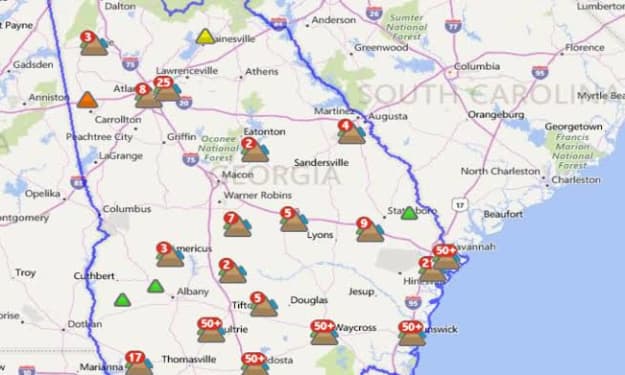
georgia power outage map. AI-Generated.
Power outages can be stressful, especially when they happen unexpectedly during severe weather. In Georgia, where storms, heavy rain, and strong winds are common, residents rely on accurate and timely information to stay prepared. One of the most trusted tools during these moments is the Georgia Power outage map, which provides real-time updates about electricity disruptions across the state. As Georgia weather continues to grow more unpredictable, understanding how to use this resource — and how it connects with local news coverage — has become increasingly important for households, businesses, and travelers alike. What Is the Georgia Power Outage Map? The Georgia Power outage map is an online platform that shows active power outages throughout Georgia. It allows users to view affected areas, the number of customers without power, and estimated restoration times. The map updates regularly, making it a reliable source during fast-changing situations such as thunderstorms or widespread weather events. During major storms, residents often check the outage map alongside local Atlanta news broadcasts to confirm whether power interruptions are isolated or part of a larger issue. This combination of real-time data and trusted reporting helps people make informed decisions. The Role of Weather in Atlanta Power Outages Weather in Atlanta can shift rapidly, particularly during spring and summer storm seasons. Thunderstorms, lightning strikes, falling trees, and high winds frequently contribute to power disruptions. Even during winter, ice accumulation and strong gusts can damage power lines and equipment. Meteorologists covering weather Atlanta events often explain how certain conditions increase the risk of outages. When these forecasts are paired with updates from Georgia Power, residents gain a clearer picture of what to expect before, during, and after a storm. Local outlets like WSBTV and Channel 2 News regularly provide storm coverage that includes outage information. Their reporting often highlights which counties or neighborhoods are most affected, offering context that goes beyond the map alone. Why Local News Coverage Matters While the outage map shows where electricity is down, local journalism adds depth and explanation. Atlanta news stations frequently interview GA Power representatives, emergency officials, and meteorologists to explain restoration efforts and safety concerns. For example, WSBTV may report on how many repair crews are deployed or whether road closures are slowing response times. Channel 2 News often shares safety reminders, such as avoiding downed power lines or using generators responsibly. This type of coverage is especially valuable during large-scale outages caused by severe Georgia weather, when thousands of customers may be affected at once. Impact on Travel and Critical Infrastructure Power outages don’t only affect homes. Transportation hubs, hospitals, and businesses must also prepare for potential disruptions. The Atlanta airport, one of the busiest in the world, closely monitors regional power conditions. Although the airport has backup power systems, widespread outages in surrounding areas can still cause delays or operational challenges. That’s why outage updates are often mentioned during breaking Atlanta news, especially when storms impact travel schedules. Businesses across metro Atlanta also rely on timely updates to decide whether to close early, switch to backup systems, or allow employees to work remotely. How Georgia Power Responds to Outages When outages occur, Georgia Power dispatches crews to assess damage and begin repairs as quickly as possible. Restoration times can vary depending on the severity of the damage and the number of customers affected. During major storms, GA Power often prioritizes critical facilities such as hospitals and emergency services. Local news outlets frequently explain this process so customers understand why some areas regain power sooner than others. By checking the outage map and following updates from Atlanta news sources, residents can track progress without relying on rumors or unverified social media posts. Staying Prepared During Georgia Weather Events Preparation is key when it comes to power outages. Experts recommend keeping emergency supplies on hand, including flashlights, batteries, and portable phone chargers. Staying informed through trusted sources like WSBTV, Channel 2 News, and official Georgia Power updates can reduce uncertainty during stressful situations. Understanding both weather in Atlanta forecasts and outage data allows residents to plan ahead — whether that means charging devices early, adjusting travel plans, or checking on vulnerable neighbors. Final Thoughts The Georgia Power outage map has become an essential tool for navigating power disruptions across the state. When combined with accurate reporting from Atlanta news outlets and up-to-date Georgia weather forecasts, it provides a clear and reliable picture during uncertain times. In a region where storms can develop quickly, staying informed isn’t just convenient — it’s necessary. By using the outage map and following trusted local coverage, Georgians can remain prepared, connected, and safer when the power goes out.
By Saboor Brohi 8 months ago in Earth
Weather and Climate Understanding the Forces That Shape Our Daily Lives
Weather and Climate Understanding the Forces That Shape Our Daily Lives Weather and climate play a central role in how people live work travel and plan for the future. From daily temperature changes to long term climate patterns these natural systems influence agriculture health economies and even global stability. Understanding the difference between weather and climate and knowing how they affect human life has become more important than ever especially as the world experiences more extreme conditions. Weather refers to the short term conditions of the atmosphere such as temperature rain wind humidity and storms. Climate on the other hand describes the average weather patterns in a specific region over long periods of time usually decades or longer. While weather can change within hours climate changes slowly but its effects are deeper and longer lasting. WHY DOES WEATHER CHANGE FROM DAY TO DAY Daily weather changes occur because the atmosphere is constantly moving and reacting to energy from the sun. As the sun heats the Earth unevenly warm air rises and cooler air moves in to replace it. This movement creates wind clouds and storms. Ocean currents air pressure systems and geographical features such as mountains and seas also influence how weather behaves in different regions. This is why one city may experience heavy rain while another nearby area remains dry. WHAT IS THE REAL DIFFERENCE BETWEEN WEATHER AND CLIMATE The main difference lies in time scale. Weather describes what is happening now or in the near future such as a hot day or a rainy week. Climate represents long term trends such as a region being generally hot dry cold or humid. For example a single cold winter does not mean the climate is changing but a consistent pattern of colder or warmer winters over many years indicates a climate trend. HOW DOES CLIMATE AFFECT DAILY LIFE Climate shapes how people build homes grow crops dress and even structure their daily routines. In hot climates buildings are designed to stay cool while in cold regions insulation and heating are essential. Farmers rely on climate patterns to decide what crops to grow and when to plant them. Tourism transportation and energy use are also closely linked to climate conditions. WHAT CAUSES EXTREME WEATHER EVENTS Extreme weather events such as heatwaves floods hurricanes and snowstorms are caused by a combination of natural atmospheric processes and changing climate patterns. Warmer air holds more moisture which can lead to heavier rainfall and flooding. Rising ocean temperatures can strengthen storms making them more destructive. Changes in jet streams and pressure systems can also cause weather to become more intense and unpredictable. IS CLIMATE CHANGE THE SAME AS GLOBAL WARMING Global warming refers specifically to the increase in average global temperatures mainly due to greenhouse gases in the atmosphere. Climate change is a broader term that includes global warming as well as changes in rainfall patterns sea levels ice melt and the frequency of extreme weather events. In other words global warming is one major part of climate change but climate change affects many aspects of the Earth system. HOW DOES WEATHER IMPACT HUMAN HEALTH Weather conditions have a direct effect on health. Extreme heat can cause heat exhaustion and heatstroke while extreme cold increases the risk of hypothermia. Poor air quality during hot stagnant conditions can worsen respiratory problems. Changes in rainfall and temperature can also affect the spread of diseases by influencing insects such as mosquitoes. WHY ARE WEATHER FORECASTS IMPORTANT Weather forecasts help individuals communities and governments prepare for upcoming conditions. Accurate forecasts allow farmers to protect crops travelers to plan safely and emergency services to respond to storms floods or heatwaves. Even simple daily forecasts help people decide what to wear how to commute and how to manage energy use. CAN CLIMATE PATTERNS CHANGE OVER TIME Yes climate patterns have always changed due to natural factors such as volcanic activity solar variation and shifts in Earth’s orbit. However in recent decades changes have been occurring faster than before. Many regions are experiencing hotter summers milder winters changing rainfall patterns and more frequent extreme events. These shifts affect ecosystems water supplies and food production. HOW CAN PEOPLE ADAPT TO WEATHER AND CLIMATE CHALLENGES Adaptation involves adjusting lifestyles infrastructure and planning to reduce harm from weather and climate impacts. This can include building flood defenses improving early warning systems developing heat resistant crops and designing cities that handle extreme temperatures better. On a personal level people can stay informed follow weather alerts and take precautions during extreme conditions. Weather and climate are powerful forces that influence nearly every aspect of life on Earth. By understanding how they work and how they affect the world people can make better decisions protect themselves and adapt to a changing environment. As weather patterns become more complex and climate challenges grow awareness and preparedness remain key to a safer and more resilient future.
By America today 8 months ago in Earth
Emergency declared in USA.
A historic winter storm known as Winter Storm Fern has unleashed devastating cold, heavy snow, and dangerous ice across a vast portion of the United States, stretching from Texas in the South to New England in the Northeast. Millions of people are affected as emergency warnings flash on phones and TV screens, roads become treacherous, and travel across the country grinds to a near halt.
By USA daily update 8 months ago in Earth
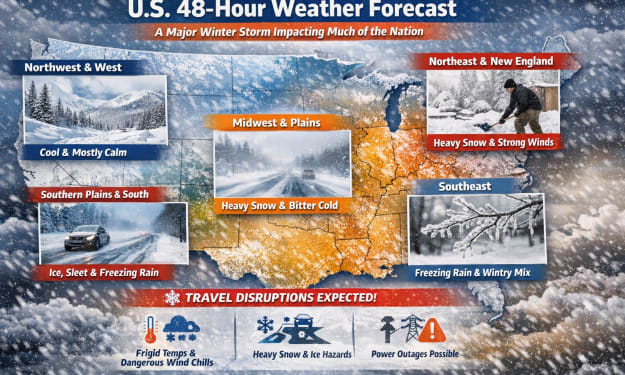
US weather forecast
General Nationwide Pattern (Next 48 Hours) 1. Widespread Winter Storm Across Much of the U.S. A powerful winter storm is forecast to affect large swaths of the country through the next two days. It is expected to bring heavy snow, ice, freezing rain, and dangerously cold temperatures from the Southern Plains into the Midwest, East Coast, and parts of the Southeast. Heavy snow expected from Oklahoma and the Midwest up through the Ohio Valley and Northeast.
By USA daily update 8 months ago in Earth
USA Weather Forecast, Next 3 Days cold
Day 1 — Friday: Winter Storm Impact Begins Across much of the nation from the southern plains to the Northeast, storm conditions will rapidly intensify: Snow and Ice Spread — Snow and freezing rain will expand eastward, leading to slick roads and hazardous travel. Ice accumulations could be significant in certain corridors, particularly across parts of Texas, the Mississippi Valley, and the Southeast.
By USA daily update 8 months ago in Earth