Climate
2025 Was the UK’s Hottest and Sunniest Year on Record. AI-Generated.
For a country famous for its grey skies and unpredictable drizzle, 2025 felt almost unreal. From early spring to the fading days of autumn, the United Kingdom experienced a run of warmth and sunshine that quietly rewrote weather history. By the end of the year, meteorological records confirmed what many people already felt in their bones: 2025 had become the UK’s hottest and sunniest year on record. This was not defined by one dramatic heatwave alone. Instead, it was the steady accumulation of warm days, clear skies, and long stretches of dry weather that made 2025 stand out. The year marked a turning point, not just in climate statistics, but in how Britons experienced daily life, nature, and even their own expectations of what a “normal” year looks like. A Year That Felt Different From the Start The shift was noticeable early on. Winter loosened its grip faster than usual, with fewer prolonged cold spells and a gentler transition into spring. Blossoms appeared ahead of schedule, and parks filled with people enjoying sunlight that normally feels rationed. By the time summer arrived, it brought consistency rather than chaos. Instead of brief hot bursts broken by rain, warmth lingered. Sunshine hours quietly stacked up month after month. Even traditionally cooler regions saw brighter skies and milder conditions, narrowing the familiar north-south weather divide. For many, it felt as though the UK had borrowed a climate from somewhere further south, if only temporarily. How Records Are Broken Without Drama When people imagine record-breaking weather, they often picture extremes: scorching temperatures that make headlines or storms that disrupt daily life. But 2025 told a subtler story. Records were broken through persistence. Average temperatures remained elevated across seasons, and sunshine totals exceeded previous benchmarks not because of spectacle, but because of reliability. This kind of change is easy to underestimate. A single heatwave can be dismissed as a fluke, but a year-long pattern tells a different story. Scientists point out that it is these sustained shifts that matter most when assessing long-term climate trends. In that sense, 2025 was not just remarkable—it was revealing. The Bright Side of a Sunny Year There is no denying that many people enjoyed the change. Outdoor life flourished. Cafés extended seating onto pavements, coastal towns saw longer tourist seasons, and events that usually gamble with the weather benefited from clearer forecasts. For some, the consistent sunshine lifted moods and encouraged a more active lifestyle. Agriculture also saw mixed moments of advantage. Certain crops benefited from extended growing seasons and predictable conditions, allowing farmers to plan with greater confidence. Solar energy production increased as well, highlighting how renewable systems thrive under sunnier skies. In everyday conversations, the weather became a source of pleasant surprise rather than habitual complaint. “Can you believe this is Britain?” became a common refrain. The Quiet Challenges Beneath the Sunshine Yet the story of 2025 cannot be told honestly without acknowledging the challenges that accompanied the warmth. Prolonged dry spells placed pressure on water supplies, particularly in densely populated areas. Rivers and reservoirs faced strain, and discussions around conservation became more urgent. Ecosystems also responded in complex ways. Some wildlife adapted quickly, while others struggled with altered rhythms. Earlier flowering disrupted pollination cycles, and warmer waters affected aquatic life. These changes were not always immediately visible, but they mattered. Heat, even when moderate, can also have cumulative effects on health, especially for vulnerable populations. The absence of dramatic heatwaves did not mean the absence of risk. Instead, it required a quieter kind of awareness and preparedness. A Reflection of a Changing Climate While no single year can fully explain climate change, 2025 fit into a broader pattern that scientists have been observing for decades. Rising average temperatures and shifting weather patterns are no longer abstract concepts discussed only in reports. They are lived experiences, felt in daily routines and seasonal expectations. What made 2025 particularly striking was how “normal” it began to feel by the end. Sunshine that once seemed exceptional became familiar. That normalization is perhaps the most powerful indicator of change. When records stop feeling shocking, it suggests that the baseline itself is moving. How Society Responds Matters The legacy of 2025 will depend largely on how its lessons are used. A hotter, sunnier UK presents both opportunities and responsibilities. Infrastructure must adapt to handle heat and water management. Urban planning may need to prioritize green spaces that cool cities naturally. Public awareness around hydration, energy use, and environmental protection becomes increasingly important. At the same time, the year offered a glimpse into how adaptability can work. Communities adjusted schedules, embraced outdoor living, and reconsidered long-held assumptions about British weather. These small shifts show that change does not always mean disruption; sometimes it means evolution. Looking Ahead With Clearer Eyes As the calendar turned, 2025 slipped into the past, but its imprint remains. It will be referenced in future discussions, compared against coming years, and remembered as a moment when climate trends felt personal rather than theoretical. Whether future years follow the same path or bring new surprises, 2025 stands as a reminder that the environment is dynamic and responsive. The sunlit months carried joy, concern, and reflection in equal measure. In the end, the hottest and sunniest year on record was not just about temperature or light. It was about awareness. It encouraged people to look up, enjoy the moment, and also think more carefully about what those clear skies might be telling us about the world we are shaping—and the one we will inherit.
By Saboor Brohi 10 months ago in Earth
Magnitude 6.5 Earthquake Shakes Southern and Central Mexico, Felt in Mexico City
It was a calm Friday morning — the first working Friday of the year — when a deep, rumbling tremor suddenly disrupted the dawn. People across southern and central Mexico were just settling into their routines, anticipating another ordinary day. Then the ground began to move.
By Raviha Imran10 months ago in Earth
The Net Worth of Volcanoes: Measuring the Value of Earth’s Fiery Giants
Volcanic Land and Agricultural Wealth One of the greatest economic benefits of volcanoes lies in fertile soil. Volcanic ash is rich in minerals such as potassium, phosphorus, magnesium, and calcium. Over time, weathered lava and ash create some of the most productive agricultural lands in the world. Regions near Mount Etna (Italy), Mount Fuji (Japan), Java (Indonesia), and parts of Central America support dense populations because of volcanic soil. Crops such as rice, coffee, tea, bananas, grapes, and sugarcane thrive in these areas. The agricultural value generated by volcanic regions globally is estimated to be hundreds of billions of dollars annually, making fertile volcanic land one of the most valuable long-term assets derived from volcanoes. Mineral and Metal Resources Volcanoes play a major role in forming valuable mineral deposits. Many metals essential to modern industry originate from volcanic or hydrothermal activity. These include: Gold Silver Copper Zinc Nickel Platinum Rare earth elements Volcanic regions are also sources of obsidian, pumice, basalt, and sulfur, which are used in construction, medicine, cosmetics, and industry. Some of the world’s richest mining zones—such as the Andes, the Pacific Ring of Fire, and parts of Africa—exist because of ancient volcanic activity. The estimated global value of volcanic-related mineral reserves runs into trillions of dollars, making volcanoes indirect contributors to global wealth and industrial development. Geothermal Energy: A Renewable Power Source Another major component of a volcano’s net worth is geothermal energy. Heat stored beneath volcanic regions can be harnessed to produce electricity and provide heating with minimal carbon emissions. Countries such as: Iceland Indonesia Philippines New Zealand Kenya generate a significant portion of their electricity from geothermal power. A single large geothermal field associated with volcanic activity can be worth billions of dollars over its operational lifespan due to low fuel costs and long-term energy stability. Globally, geothermal energy from volcanic zones contributes tens of billions of dollars annually to national economies and plays a growing role in clean energy transitions. Tourism and Cultural Value Volcanoes attract millions of tourists each year. Famous volcanoes like Mount Vesuvius, Mount Fuji, Mount Kilimanjaro, Kilauea, and Mount Etna generate enormous tourism revenue through: Guided treks and viewing platforms National parks and museums Cultural festivals and spiritual tourism Local businesses and hospitality Volcanic tourism contributes billions of dollars annually to global tourism. For example, Hawaii’s volcanic landscapes alone generate several billion dollars per year in tourism-related income. In addition to economic value, volcanoes hold deep cultural and spiritual significance, adding intangible value that cannot be measured purely in money. Scientific and Educational Value Volcanoes are natural laboratories that help scientists understand: Earth’s interior Plate tectonics Climate interactions Natural disaster prediction The knowledge gained from volcanic research helps protect lives, improve infrastructure planning, and advance earth sciences. While difficult to quantify, the long-term scientific value of volcanoes is immense and contributes indirectly to global safety and economic stability. Ecosystem and Biodiversity Benefits Although eruptions can temporarily destroy ecosystems, volcanoes also create new land and support unique biodiversity. Volcanic islands such as Hawaii and Iceland are prime examples of life emerging from lava. Over time, volcanic regions develop rich ecosystems that support wildlife, forests, and marine life. These ecosystems provide services such as carbon storage, water regulation, and biodiversity preservation—services valued at billions of dollars globally. The Cost Side: Destruction and Risk While volcanoes generate wealth, they also carry enormous risks. Eruptions can cause: Loss of life Destruction of cities and infrastructure Disruption of air travel Agricultural damage Major eruptions can cause economic losses ranging from millions to tens of billions of dollars. For example, the 2010 Iceland eruption disrupted global aviation, costing the airline industry billions. Therefore, a volcano’s net worth must be viewed as a balance between long-term benefits and potential catastrophic costs. Estimating the Net Worth of Volcanoes When all factors are considered—fertile land, minerals, geothermal energy, tourism, scientific knowledge, and ecosystems—the global net worth of volcanoes collectively can be estimated in the tens of trillions of dollars over long time scales. An individual major volcano, depending on location and utilization, could be valued anywhere from several billion to hundreds of billions of dollars in combined economic and environmental benefits over centuries. Conclusion Volcanoes are far more than symbols of destruction. They are engines of creation, shaping continents, enriching soil, powering cities, and sustaining life. Their true net worth lies not just in money, but in their ability to support agriculture, industry, energy, science, and culture over generations. When measured across time, volcanoes may rank among the most valuable natural assets on Earth—dangerous, powerful, and incredibly rewarding when understood and respected.
By Say the truth 10 months ago in Earth
Met Office Weather Warnings for Snow. AI-Generated.
Winter in the UK rarely arrives quietly. It creeps in through darker mornings, colder evenings, and the familiar uncertainty of travel plans. This year, that uncertainty has grown sharper as Met Office weather warnings for snow have drawn national attention, especially following reports that the Met Office issued a New Year’s Day weather warning for snow and ice. For many, the question is simple: what does this mean for daily life, travel, and safety? Understanding Met Office Weather Warnings The UK Met Office, often referred to simply as metoffice, is responsible for monitoring weather patterns and issuing alerts designed to keep the public informed. These warnings are not predictions meant to cause alarm; they are risk assessments based on probability and potential impact. When weather warnings snow are issued, they usually account for: Likely snowfall accumulation Freezing temperatures leading to ice Disruption to transport and services A severe snow ice warning indicates conditions that could significantly affect travel and infrastructure, particularly during peak hours. Why This Warning Matters The latest alerts arrived at a sensitive time. With holiday travel ongoing and many people returning to work, UK weather conditions became a central concern. Snowfall, combined with ice, has a history of causing widespread disruption even when totals appear modest. The concern isn’t just snow—it’s what follows. Melting during the day and refreezing overnight often leads to black ice, one of winter’s most dangerous hazards. Weather Tomorrow: What to Expect For those checking weather tomorrow, forecasts suggest varied conditions depending on region. Snow is not expected to blanket the entire country evenly, but several key cities have been highlighted for potential impact. Birmingham Weather In the Midlands, Birmingham weather forecasts indicate cold temperatures with the possibility of snowfall and icy patches. Early morning travel could be affected, especially on untreated roads. Manchester Weather In the North West, Manchester weather reports suggest intermittent snow showers, with the greatest risk during late evening and overnight hours. Weather Liverpool Nearby, weather Liverpool updates show similar patterns—cold air, occasional snow, and the potential for ice forming on pavements and bridges. Northern and Coastal Conditions Aberdeen Weather In Scotland, Aberdeen weather is expected to be colder, with higher chances of sustained snowfall. Coastal winds may intensify the cold, increasing the risk of drifting snow in exposed areas. Belfast Weather Across Northern Ireland, Belfast weather forecasts point to icy conditions, particularly during early mornings. Snowfall may be lighter, but freezing surfaces remain a concern. These regional differences highlight why local forecasts matter just as much as national warnings. The Role of Weather Forecasts in Daily Decisions A reliable weather forecast is not just about planning outfits—it shapes decisions about commuting, school attendance, and public safety. During snow warnings, even small changes in temperature can alter conditions rapidly. This is why the Met Office frequently updates alerts. Weather systems evolve, and forecasts are adjusted accordingly. How Snow Impacts the UK Differently Unlike countries accustomed to prolonged snowfall, the UK often struggles with short but intense winter events. Infrastructure is not always designed for heavy snow, making even a few centimeters disruptive. Rail services, road networks, and air travel can all be affected. That’s why met office weather warnings snow focus as much on impact as on snowfall totals. Staying Safe During Snow and Ice Warnings When a severe snow ice warning is in effect, small precautions can make a significant difference: Allow extra time for travel Wear footwear with good grip Keep informed through official updates Avoid unnecessary journeys during peak warning periods The goal is not to stop life entirely, but to reduce risk. Why the New Year’s Day Warning Stood Out The announcement that the Met Office issued a New Year’s Day weather warning for snow and ice caught attention because of timing. New Year’s Day often involves travel, gatherings, and reduced public transport schedules. Warnings during holiday periods tend to carry greater impact, as emergency services and transport systems operate differently than on regular weekdays. Looking Ahead: What This Means for the Rest of Winter While these warnings may ease in the coming days, winter is far from over. Meteorologists stress that cold spells can return quickly, especially when Arctic air masses move south. Monitoring UK weather updates remains essential. Winter patterns are unpredictable, and flexibility is often the best response. Final Thoughts Snow in the UK is rarely just about weather—it’s about preparedness, communication, and collective responsibility. Met Office weather warnings for snow are not signals of panic, but tools for awareness. By staying informed, checking local forecasts like weather Birmingham, Manchester weather, or Aberdeen weather, and responding thoughtfully, the public can navigate winter with fewer disruptions and greater safety. Snow may be temporary, but informed decisions last much longer.
By Saboor Brohi 10 months ago in Earth
UK Snow and Met Office Weather Warnings
Understanding winter forecasts without fear or confusion Snowfall in the UK often brings mixed emotions. For some, it means scenic mornings and a break from routine. For others, it raises concerns about travel, safety, and daily plans. When UK snow Met Office weather warnings appear in forecasts, people across the country start checking updates—searching for weather tomorrow, local forecasts like weather Liverpool, weather Birmingham, or even Belfast weather—trying to understand what lies ahead.
By Saboor Brohi 10 months ago in Earth
Earthquake Near Me: Why This Search Is Surging Across the United States
Earthquake Near Me: Why This Search Is Surging Across the United States Across the United States, millions of people are suddenly typing the same alarming phrase into their phones and computers: earthquake near me. The spike in this search is not random. It reflects a growing sense of uncertainty, heightened awareness, and fear driven by recent tremors, phone alerts, social media posts, and the memory of past disasters. When the ground shakes, even slightly, people instinctively seek answers. They want to know what happened, whether it will happen again, and how to protect themselves and their families. One of the most common questions people are asking is why they felt shaking when no major earthquake was reported immediately. Small or moderate earthquakes can be felt over wide areas, especially at night when background noise is low. In some cases, vibrations from construction, explosions, or even weather-related events can feel like seismic activity. However, the uncertainty itself pushes people to search for confirmation, reassurance, and real-time information. Another frequent question is whether an earthquake near me means a bigger one is coming. This fear is understandable, but the answer is complex. Earthquakes are difficult to predict, and most small tremors do not lead to larger events. Aftershocks can follow a noticeable quake, but they usually decrease in strength over time. The sudden rise in searches often reflects fear of the unknown rather than evidence of an impending disaster. Many people are also asking which areas in the United States are most at risk. States along major fault lines tend to experience more frequent earthquakes, but tremors can occur almost anywhere. Recent activity in unexpected regions increases public anxiety, as people are reminded that earthquakes are not limited to a single part of the country. This broader awareness is one of the main reasons the phrase earthquake near me spreads so quickly during seismic events. Another popular concern is what to do immediately after feeling shaking. Confusion and panic are common reactions, especially for people who have never experienced an earthquake before. Staying calm, checking for injuries, and avoiding damaged structures are critical first steps. People often search online to confirm whether others felt the same thing and to understand what actions are safest in the minutes that follow. The rise of smartphones and instant alerts also plays a major role in this trend. When phones vibrate with emergency notifications or social media fills with posts about shaking, fear spreads faster than the earthquake itself. Even those who did not feel anything may begin to worry and search for information. This creates a chain reaction where curiosity, anxiety, and caution blend together, driving massive spikes in search activity. Another question people frequently ask is whether earthquakes can be predicted or prevented. The honest answer is that science has not yet reached that point. While technology can detect earthquakes quickly after they begin, predicting the exact time and location in advance remains impossible. This uncertainty fuels public concern and keeps people searching for updates, explanations, and warnings. People are also asking how to prepare for an earthquake if they live in a high-risk or newly active area. Preparation is one of the few areas where individuals have control. Having emergency supplies, securing heavy furniture, and knowing safe spots inside the home can make a significant difference. The surge in searches shows that many people are realizing preparedness matters, even if earthquakes are rare where they live. Another important question is why anxiety spreads so quickly after seismic activity. Earthquakes strike without warning, disrupt daily life, and challenge the sense of safety people rely on. When combined with dramatic videos, breaking news headlines, and personal stories shared online, fear can escalate rapidly. Searching for earthquake near me becomes a way to regain control and understanding in an unpredictable situation. In the end, the popularity of this search phrase reflects more than just geological activity. It reveals how modern society responds to sudden threats. People seek clarity, reassurance, and practical guidance in moments of uncertainty. While not every search indicates real danger, it highlights the importance of awareness and readiness. The surge in searches for earthquake near me is a reminder that natural disasters do not need to be catastrophic to have an emotional impact. Even a brief shake can awaken deep fears and prompt millions to look for answers. Staying informed, prepared, and calm remains the most powerful response when the ground beneath us reminds us how fragile normal life can be.
By America today 10 months ago in Earth
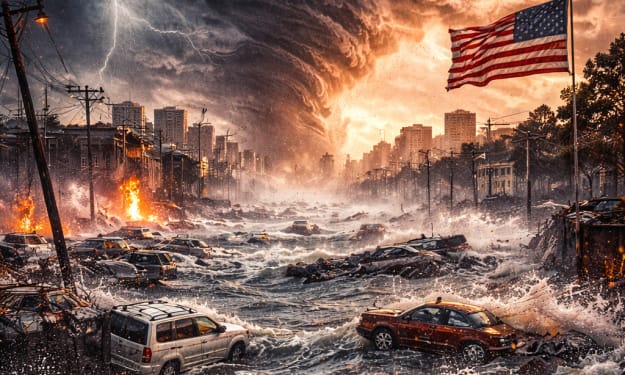
HURRICANE CERBERUS: A DEADLY STORM THAT WILL NOT FORGIVE HESITATION
**HURRICANE CERBERUS: A DEADLY STORM THAT WILL NOT FORGIVE HESITATION** Hurricane Cerberus is not an ordinary storm. It represents the most violent expression of nature’s power, a force capable of destroying lives, cities, and entire regions in a matter of hours. Storms of this scale do not simply pass through an area; they transform it beyond recognition. The threat posed by Hurricane Cerberus demands absolute seriousness, immediate action, and zero complacency. When a hurricane reaches this level of intensity, it becomes more than wind and rain. It becomes a moving disaster zone. Winds strong enough to tear buildings apart can turn everyday objects into deadly weapons. Roofs are ripped away, walls collapse, and entire neighborhoods are reduced to debris fields. Power grids fail instantly, plunging millions into darkness and isolation. Once Cerberus makes landfall, survival depends almost entirely on decisions made before its arrival. The most terrifying danger associated with Hurricane Cerberus is storm surge. Massive walls of ocean water can push inland with unstoppable force, flooding coastal cities within minutes. Streets become rivers, homes become traps, and escape routes vanish. Many victims of past hurricanes believed they had more time. They were wrong. Storm surge does not give warnings at the door. It arrives fast, violent, and deadly. Flooding does not stop at the coast. Inland regions face relentless rainfall that overwhelms rivers, dams, and drainage systems. Entire towns can disappear under water. Vehicles are swept away, bridges collapse, and roads become impassable. Emergency services are rendered powerless as responders struggle to reach those in need. In these moments, people are left alone with the consequences of delay. One of the most dangerous illusions during hurricanes like Cerberus is false confidence. People convince themselves that they have survived storms before, that this one will be similar, or that evacuation is unnecessary. History proves otherwise. Every major hurricane disaster is filled with stories of people who waited one hour too long. When evacuation orders are issued, they represent the last safe window to escape. Ignoring them often leads to irreversible outcomes. Hospitals and emergency infrastructure face extreme strain during catastrophic hurricanes. Power outages disrupt life-saving equipment. Flooded roads prevent ambulances from moving. Medical staff are overwhelmed, and resources run out quickly. Those who rely on daily medications, oxygen, or medical devices are placed in immediate danger. In such conditions, emergency systems cannot save everyone. Preparation at the individual level becomes the final line of defense. As Hurricane Cerberus advances, panic becomes as dangerous as the storm itself. Highways clog with vehicles. Fuel shortages leave families stranded. Communication networks fail, separating loved ones when they need each other most. Children, the elderly, and people with disabilities are especially vulnerable. Once conditions deteriorate, rescue operations may be impossible for days. Nature controls the timeline, not human intention. The aftermath of a storm like Cerberus is often worse than the storm itself. Floodwaters contaminate drinking supplies. Food spoils without refrigeration. Extreme heat or cold becomes deadly without power. Disease spreads rapidly in stagnant water. Communities face not only physical destruction, but psychological trauma that can last for years. For many survivors, returning home is not an option because nothing remains to return to. In severe cases, displacement becomes permanent. Families are forced to leave their cities, their jobs, and their memories behind. This is not relocation by choice, but by survival. When recovery timelines stretch into years and infrastructure is destroyed beyond repair, moving elsewhere becomes the only path forward. The cost of staying can be far higher than the pain of leaving. Hurricane Cerberus serves as a brutal reminder that preparation is not optional. It is not fear-driven. It is survival-driven. Knowing evacuation routes, securing essential supplies, and acting early saves lives. Waiting for absolute certainty is the most dangerous mistake anyone can make. In conclusion, Hurricane Cerberus is the kind of storm that punishes hesitation. It does not negotiate, weaken for convenience, or spare those who underestimate it. When warnings are issued, action must follow immediately. Survival belongs to those who prepare early, evacuate when told, and respect the raw power of nature. When the winds rise and the water surges, there will be no second chances.
By America today 10 months ago in Earth
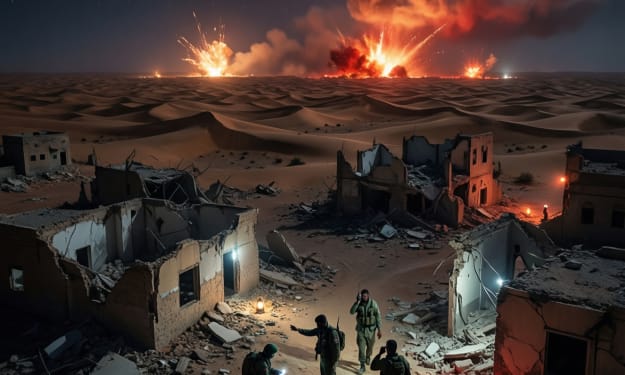
Saudi Arabia and Yemen: A Conflict That Refuses to End
Saudi Arabia and Yemen: A Conflict That Refuses to End The conflict between Saudi Arabia and Yemen is one of the longest and most complex wars in the Middle East. While the intensity of fighting has changed over time, reports of renewed airstrikes and military activity continue to raise concern across the region. Understanding what is happening requires separating confirmed facts from political claims and looking at the broader context of the war.
By Wings of Time 10 months ago in Earth
Tensions Rise: USA, Israel, and Iran — What We Know”
Tensions Rise: USA, Israel, and Iran — What We Know” In the last few days, world attention turned to a high-profile meeting between U.S. President Donald Trump and Israeli Prime Minister Benjamin Netanyahu at Trump’s Mar-a-Lago residence in Florida. The leaders met to discuss a range of issues, but a major focus was Iran — its ballistic missile program and its nuclear developments.
By Wings of Time 10 months ago in Earth
Snow on the Horizon: What the Met Office Forecast Really Means This Winter. AI-Generated.
When the Met Office mentions snow in its weather forecast, the nation listens. From commuters anxiously checking road conditions to children hoping for a rare snow day, the word snow carries a unique emotional weight in the UK. But beyond the headlines and social media buzz, snow forecasting is a complex science—one that blends data, probability, and experience to help the public prepare for winter’s most disruptive weather.
By Sajida Sikandar10 months ago in Earth
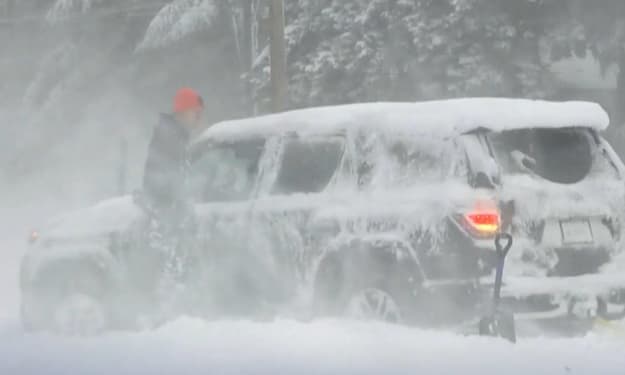
“Bomb Cyclone” Brings Blizzards to Midwest as Storm Turns to East Coast. AI-Generated.
A powerful “bomb cyclone” is sweeping across the United States, delivering blizzard conditions to the Midwest before intensifying and shifting toward the East Coast. The rapidly strengthening winter storm has already disrupted travel, caused power outages, and prompted emergency warnings, with meteorologists cautioning that the worst impacts may still be ahead for parts of the Northeast.
By Aqib Hussain10 months ago in Earth
The AI That Can Predict Your Next Move—And Why Everyone Is Talking About It
Imagine this: You’re scrolling through your favorite app, and suddenly it recommends something before you even knew you wanted it. A movie, a song, an article—it’s eerily precise. Some people call it coincidence. Others call it magic. But the truth? It’s artificial intelligence. And the kind of AI that’s being developed today isn’t just smart—it’s predictive, almost like it can read your mind.
By Yasir khan10 months ago in Earth