Climate
Living Between Two Worlds
Life is a journey that extends beyond what we see and feel within the physical world. Though our bodies and minds are fixed in the tangible, our spirits link us to something much greater than what meets the eye. Balancing life in the living world with awareness of the spiritual world provides an immense perspective, enriching our lives with purpose and meaning.
By Taviii🇨🇦♐️2 years ago in Earth
Why Dumpster Rental Services Are Important for the Environment. AI-Generated.
In today's fast-paced world, waste management has become a critical issue. With an ever-growing population and a consumer-driven lifestyle, the amount of waste we produce continues to increase. If not managed properly, this waste can have devastating consequences on the environment. This is where dumpster rental services play a pivotal role. These services provide an organized, efficient, and eco-friendly approach to waste disposal, ensuring that garbage is handled responsibly from start to finish.
By Hardik Patel2 years ago in Earth
Wildlife World
The Beauty of Wildlife The world of wildlife is a testament to nature’s creativity, diversity, and resilience. From the towering giraffes of Africa to the tiny tree frogs of the Amazon rainforest, wildlife represents a delicate balance of ecosystems working together to sustain life on Earth. For centuries, humans have marveled at the beauty of the animal kingdom, drawing inspiration, awe, and even fear from these magnificent creatures.
By Pure Crown2 years ago in Earth
Storm and Splendor: The Rainbow Amid the Tempest
Article: Storm and Splendor: The Rainbow Amid the Tempest Nature has a way of evoking profound emotions, blending chaos with serenity, destruction with renewal. Among its most striking displays is the juxtaposition of a thunderous storm and a radiant rainbow—a spectacle that speaks to the complexity of life and the beauty that often follows hardship. This awe-inspiring scene, where nature's ferocity meets its gentlest touch, serves as a metaphor for resilience, hope, and the balance of existence.
By Say the truth 2 years ago in Earth
Twilight’s Embrace: The Rainbow’s Dance Over the Ocean
Harmony of Twilight: The Rainbow Over the Ocean Introduction Twilight offers a magical moment when the world seems to pause, merging day and night in a harmony of soft colors. When paired with a rainbow descending into the vast ocean, it creates a celestial masterpiece. This scene embodies themes of beauty, hope, and introspection, offering a glimpse into nature's divine artistry. Twilight: A Symphony of Colors
By Say the truth 2 years ago in Earth
Majestic Greenland: A Digital Marvel of Ice and Culture
Exploring the Beauty and Wonders of Greenland Greenland, the world’s largest island, is a land of extraordinary natural beauty, cultural richness, and untamed wilderness. Situated between the Arctic and Atlantic Oceans, it is an autonomous territory of Denmark. Despite its name, Greenland is mostly covered by ice, making it a unique destination for adventurers, nature enthusiasts, and those seeking an escape from the ordinary. In this article, we will delve into the geography, culture, wildlife, and attractions of Greenland. 1. Geographical Marvels Greenland spans over 2.16 million square kilometers, with 80% of its surface covered by the Greenland Ice Sheet, the second-largest ice body in the world after Antarctica. Its rugged landscapes feature: Towering Glaciers: Glaciers like Sermeq Kujalleq, a UNESCO World Heritage Site, are breathtaking examples of Greenland's icy grandeur. Deep Fjords: Fjords such as Scoresby Sund, the longest fjord system in the world, carve through the coastline, creating dramatic scenery. Arctic Desert: Northern Greenland is home to arid, icy deserts where temperatures can plummet to extreme lows. These features make Greenland a unique geographical spectacle that has captivated explorers for centuries. 2. Culture and People Greenland is home to a population of around 56,000 people, primarily Inuit, whose culture is deeply rooted in harmony with nature. Some cultural highlights include: Inuit Traditions: Hunting, fishing, and storytelling are integral to the Inuit way of life. Their knowledge of survival in harsh conditions is unparalleled. Languages: Greenlandic (Kalaallisut) is the official language, and Danish is also widely spoken. Art and Craft: Traditional Greenlandic art, including tupilak carvings, reflects the spiritual connection between the people and their environment. The cultural richness of Greenland provides a unique opportunity to experience traditions that have been passed down through generations. 3. Wildlife Paradise Despite its icy terrain, Greenland boasts diverse wildlife. Its pristine environment supports species that thrive in Arctic conditions: Marine Life: Whales, seals, and walruses inhabit the waters around Greenland. The summer months are ideal for whale-watching. Polar Bears: Known as the “Kings of the Arctic,” polar bears roam the northern regions of Greenland. Birds: Greenland is a haven for birdwatchers, with species like puffins, Arctic terns, and white-tailed eagles. Greenland's wildlife is a testament to the resilience of life in extreme environments. 4. Top Attractions Greenland offers a variety of attractions that showcase its natural and cultural heritage: Ilulissat Icefjord: This UNESCO-listed site is a mesmerizing destination where visitors can witness massive icebergs calving off glaciers. Nuuk: Greenland’s capital combines modern amenities with traditional culture. The Greenland National Museum is a must-visit. Northern Lights: From September to April, Greenland's night skies are illuminated by the aurora borealis, a natural light show that is unforgettable. Kayaking and Dog Sledding: Experience traditional modes of transportation that have been used for centuries. Each attraction offers a glimpse into Greenland's extraordinary character. 5. Climate and Best Time to Visit Greenland has an Arctic climate, with temperatures ranging from -20°C in winter to 10°C in summer. The best time to visit depends on the activities you wish to pursue: Summer (June-August): Ideal for hiking, sailing, and wildlife spotting. The midnight sun allows for extended daylight hours. Winter (November-March): Perfect for experiencing the northern lights and dog sledding. Understanding the seasonal changes will help you plan a memorable trip to Greenland. 6. Sustainable Tourism in Greenland Tourism in Greenland is growing, but there is a strong focus on sustainability. Visitors are encouraged to respect local cultures and minimize their environmental impact. Eco-friendly accommodations and guided tours ensure that the natural beauty of Greenland remains preserved for future generations. 7. Challenges of Life in Greenland Living in Greenland comes with unique challenges: Isolation: Many settlements are remote and accessible only by boat or helicopter. Climate Change: The melting of Greenland’s ice sheet has significant implications for global sea levels and local ecosystems. Despite these challenges, the people of Greenland continue to thrive, showcasing remarkable adaptability. 8. Why Visit Greenland? Greenland offers a once-in-a-lifetime experience, combining the raw beauty of Arctic nature with the warmth of Inuit culture. It’s a destination where you can: Witness awe-inspiring landscapes. Learn about a rich and ancient culture. Experience a connection with nature that is hard to find elsewhere. Conclusion Greenland is more than an icy expanse; it is a land of vibrant culture, breathtaking landscapes, and unparalleled adventure. Whether you are exploring its glaciers, interacting with its people, or marveling at its wildlife, Greenland promises an unforgettable journey into one of the most unique places on Earth.
By Say the truth 2 years ago in Earth
The Moon: Earth's Dependable friend
The Moon, Earth's simply typical satellite, has intrigued humanity for a seriously prolonged stretch of time. It has been a wellspring of mystery, inspiration, and legitimate interest. Organized around 384,400 kilometers (around 238,855 miles) away from Earth, the Moon expects a basic part in both the real environment of our planet and in the greater setting of room examination. The most extensively recognized theory about the Moon's beginning stage is the "goliath impact hypothesis." According to this speculation, around 4.5 quite a while ago, a Mars-sized body, as often as possible suggested as Theia, collided with the early Earth. The effect slung a ton of waste into space, which in the end mixed to shape the Moon. This appalling event is acknowledged to play similarly had an effect On the planet's inclination, which gives our planet its seasons. The moon is the satellite of the earth that moves around the earth. We see it shining it a night by the light which the sun thinks about it. The moon is an exquisite satellite that everyone regards for its greatness. Additionally, the splendid dusk is easing for every one of us. It makes the normal articles shimmer like silver at night shine. Along these lines, a piece on moon will help us with looking into its enthralling eminence. One of the most evident effects of the Moon is its impact on Earth's tides. The Moon's gravity pulls on Earth's oceans, making a knot in the water, which achieves raised and low tides. This streaming power expects a section in offsetting Earth's center point incline, which keeps a by and large consistent climate over broad stretches. While people view the moon as very dazzling, it isn't the case exquisite as it appears, apparently, to be. It is with next to no hint of plants and animals and is most certainly not a sensible spot for plants or animals. Along these lines, we see no kind of life on the moon.l individual s won't have the choice to live on the moon. Like how our earth has a climate, the moon doesn't. Hence, the lunar days are extremely sweltering and the lunar nights are uncommonly serious. Basically, while it could look superb from the earth, it has a denying appearance. By the day's end, the moon is stacked with rocks and pits. In all honesty, whether or not you look at the moon from your independent eye, you can see a couple of dull spots on it. They are hazardous rocks and holes. Besides, the gravitational draw of the moon isn't precisely that of the planet earth. Accordingly, it will hard to walk around the external layer of the moon. The moon has different stages as it moves along its circle around the earth. Basically, a major piece of the moon is for the most part in sunshine so a part of the earth has day while the other half has night. Meaning to say, the times of the moon truly depends on how much the sunlit half we can see at any one time Beginning all along, man has been enchanted by the moon. We have looked at it with awe and it shows in the earlier works of journalists and analysts. To reveal the mystery of the moon, specialists endeavored to focus on it. Thusly, a lot of tries were made to send individuals to the moon. On July 21, 1969, two Americans Neil Armstrong and Edwin Aldrin came to the moon. They got to walk around the external layer of the moon and accumulate lunar rocks. From there on out, they had a safeguarded trip back to earth. A lot of American scientists have sent their men to the moon on various events now. Hence, man has vanquished the moon and it's everything except a mysterious any longer.
By Jannatul Ferdous 2 years ago in Earth
Iconic Landmarks and Landscapes of England
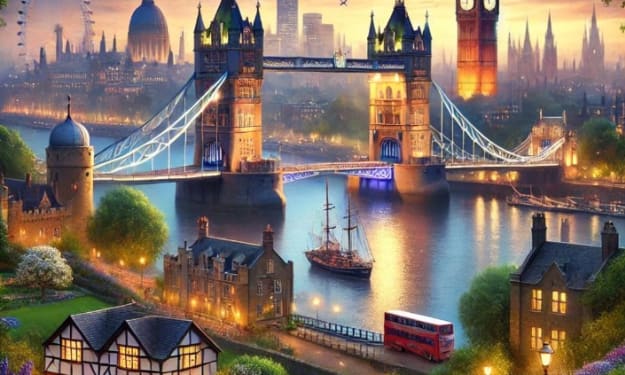
England: A Fascinating Acreage of History, Culture, and Accustomed Beauty England, allotment of the United Kingdom, is a country affluent in history, culture, and amazing landscapes. From its iconic landmarks to its arresting countryside, England offers an arrangement of attractions that accomplish it a must-visit destination. In this article, we burrow into the able attraction of England, highlighting its actual significance, cultural richness, and accustomed beauty. A Brief History of England England’s history dates aback bags of years, with traces of aged settlements, such as Stonehenge, accouterment glimpses into its age-old past. Over centuries, the nation has witnessed Roman invasions, Viking incursions, and the acceleration and abatement of monarchies. The Norman Conquest of 1066, the Tudors, and the Industrial Revolution are key milestones that accept shaped avant-garde England. These actual contest are actual in assorted ancestry sites and museums, alms visitors a adventitious to airing through the pages of history. Iconic Cities and Landmarks England is home to some of the world’s best acclaimed cities and landmarks: London: The basic burghal is a all-around hub for culture, finance, and tourism. Landmarks like the Tower of London, Buckingham Palace, and the Houses of Parliament draw millions of visitors annually. The British Museum and the Tate Avant-garde advertise England’s cultural and aesthetic achievements. Oxford and Cambridge: These acclaimed university towns are acclaimed for their bookish arete and architectural beauty. Their centuries-old colleges, such as Christ Church in Oxford and King’s College Chapel in Cambridge, are beauteous to explore. Bath: Known for its Roman-built baths and Georgian architecture, this burghal combines actual artifice with a adequate ambiance. York: A burghal with a affluent Viking and medieval history, York is acclaimed for its Gothic cathedral, York Minster, and its well-preserved burghal walls. Natural Wonders and Amazing Beauty England’s accustomed landscapes are as arresting as its burghal landmarks: The Lake District: A UNESCO World Ancestry Site, this arena is acclaimed for its arctic lakes, rolling hills, and afflatus for poets like William Wordsworth. The Cotswolds: Known for its absorbing villages and honey-colored bean houses, the Cotswolds actualize quintessential English countryside beauty. The White Cliffs of Dover: A accustomed curiosity overlooking the English Channel, these cliffs accept adumbrated England’s animation and adorableness for centuries. Cornwall: With its affecting coastline, albino beaches, and arresting fishing villages, Cornwall is a admired for attributes lovers. Peak District and Yorkshire Dales: These civic parks action amazing views, hiking trails, and opportunities for adventure. England’s Cultural Richness England’s cultural ancestry is a alloy of acceptable and avant-garde influences. The nation has produced arcane giants like Shakespeare, Jane Austen, and Charles Dickens. Visitors can analyze arcane landmarks such as Shakespeare’s birthplace in Stratford-upon-Avon and the Brontë Parsonage Museum in Haworth. Music, too, plays a cogent role in England’s culture. From classical compositions by Edward Elgar to abreast bedrock bands like The Beatles and The Rolling Stones, the nation’s agreeable contributions are legendary. Festivals, such as Glastonbury, bless England’s active music scene. Cuisine in England is diverse, with acceptable dishes like angle and chips, buzz dinners, and shepherd’s pie alms affable flavors. Avant-garde English cuisine reflects all-around influences, with active aliment markets and Michelin-starred restaurants in cities like London. Travel Tips for Exploring England Transportation: England has an all-encompassing busline network, including trains, buses, and calm flights, authoritative it accessible to analyze altered regions. Climate: England’s acclimate can be unpredictable, so it’s appropriate to backpack layers and backpack an umbrella, abnormally back visiting in the acknowledgment months. Cultural Etiquette: Politeness and punctuality are admired in English culture. Greeting with a handshake and apropos queues are accepted practices. Conclusion England is a acreage of contrasts, aggregate age-old history with avant-garde innovation, alive cities with serene countryside, and acceptable ability with all-around influences. Whether you’re exploring its iconic landmarks, delving into its arcane heritage, or adequate its beauteous landscapes, England offers adventures that leave a abiding impression. For those gluttonous a destination that combines depth, beauty, and charm, England is an ideal choice.
By Say the truth 2 years ago in Earth
Inside the Chernobyl Exclusion Zone: Exploring the World's Most Dangerous Tourist Destination
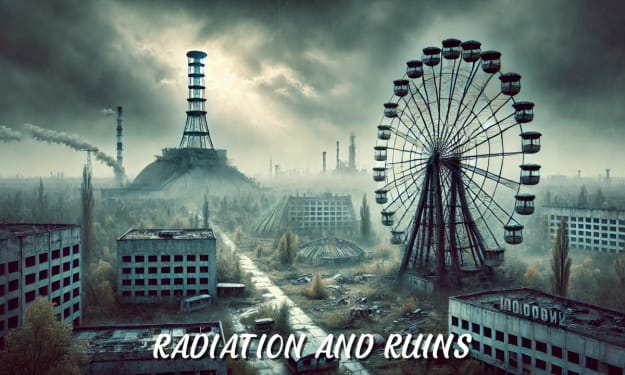
If the idea of walking through a radioactive wasteland sounds more like a horror movie plot than a vacation plan, think again. The Chernobyl Exclusion Zone, once the site of the world’s worst nuclear disaster, has transformed into a grim yet oddly captivating tourist destination. Thousands of adventurous travelers flock here every year, armed with Geiger counters, a dash of morbid curiosity, and a lot of questions: Is it safe? What’s it like? And why would anyone voluntarily visit a radioactive ghost town?
By Marveline Merab2 years ago in Earth