
Protecting Waterfront Properties with Dock and Lake Deicers
Investing in a dock or lake deicer is a smart and proactive way to safeguard your waterfront property during winter
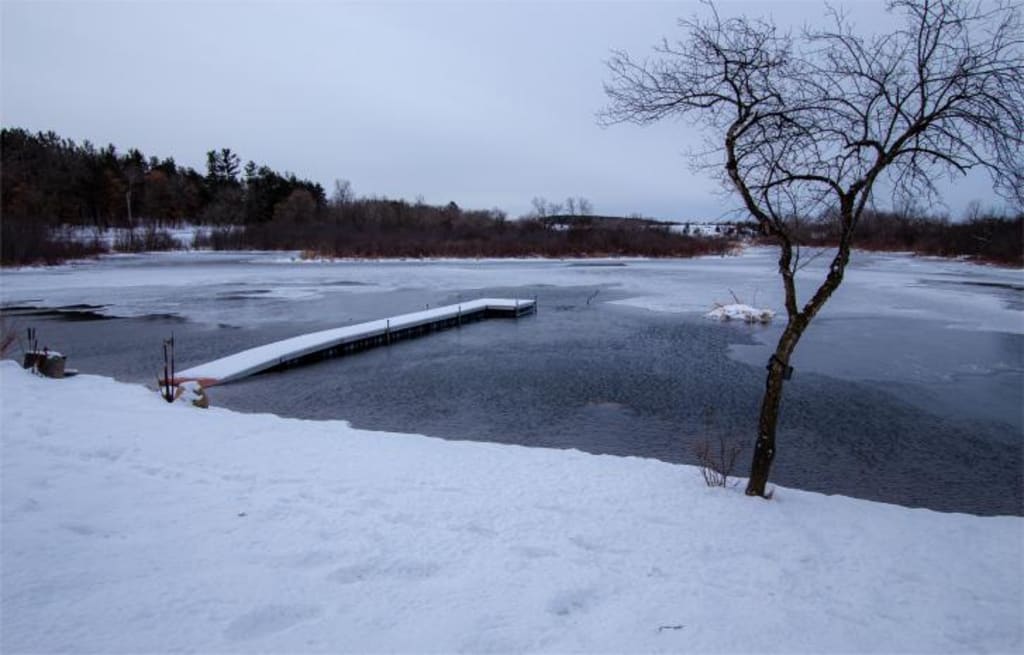
Winter brings its fair share of challenges for waterfront property owners, particularly when freezing temperatures threaten docks, marinas, and boat lifts. The formation of ice can cause severe damage to structures, disrupt aquatic ecosystems, and block access to boats and other assets. Dock and lake deicers are essential tools designed to combat these issues effectively, ensuring the longevity and safety of your waterfront property.
Understanding the Risks of Ice Formation
The freezing of water poses several threats to waterfront structures:
Structural Damage
Ice expands as it freezes, exerting intense pressure on pilings, boat lifts, and dock surfaces. This expansion can cause cracks, warping, and even complete structural failure.
Ice Movement
Ice is rarely stationary. Wind and water currents can push large ice sheets against docks and pilings, grinding away at their surfaces and increasing wear over time.
Accessibility Issues
Boats left in the water during winter can become trapped by ice, making them inaccessible for emergencies or routine maintenance. This increases the risk of damage to hulls and propulsion systems.
Environmental Impact
Thick ice cover depletes oxygen levels in the water, creating an inhospitable environment for fish and other aquatic life.
The good news is that these problems can be mitigated with the use of dock and lake deicers, which prevent ice from forming and ensure the safety and usability of waterfront assets.
How Dock and Lake Deicers Work
Deicers operate by creating water movement, disrupting the freezing process. The water movement prevents the formation of a solid ice sheet, keeping critical areas clear and protected. Here are the primary types of deicers and their mechanisms:
Dock Deicer Bubblers: These systems release air bubbles through submerged pipes, creating a consistent flow of water that prevents ice formation.
Dock Deicer Aerators: Aerators circulate water at or near the surface, maintaining a temperature above freezing while also improving water oxygenation.
Lake Deicers with Propellers: Equipped with submersible propellers, these systems draw warmer water from deeper layers and circulate it to the surface, keeping larger areas ice-free.
Benefits of Using Deicers
Structural Integrity
Deicers prevent the buildup of ice around pilings, docks, and boat lifts, reducing the risk of expansion damage and wear caused by ice movement. This helps preserve the structural integrity of waterfront assets, saving you money on repairs and replacements.
Enhanced Safety
An icy dock or marina is a safety hazard for property owners, guests, and staff. By keeping these areas ice-free, deicers help reduce the risk of slips, falls, and other accidents.
Aquatic Health
Lake deicer aerators improve oxygen levels in the water, benefiting fish and aquatic plants. This is especially important during winter when oxygen levels naturally decrease.
Year-Round Access to Boats
Dock deicers ensure that boats remain accessible even during the coldest months. This is crucial for emergency access, winter fishing, or regular maintenance.
Versatility
Whether you own a private dock, manage a commercial marina, or oversee a conservation area, deicers can be tailored to meet your needs. Dock deicer bubblers are ideal for residential use, while propeller-based systems are better suited for large marinas or lakes.
Selecting the Right Deicer
The choice of deicer depends on your property’s size, ice risk level, and specific needs:
For Small Docks: A dock bubbler or aerator is sufficient for most residential properties. These systems are affordable, energy-efficient, and easy to maintain.
For Large Marinas or Lakes: Propeller-driven lake deicers provide broader coverage and can handle extreme winter conditions.
For Environmental Applications: Aerators are ideal for conservation areas, as they promote healthy water conditions while preventing ice formation.
When purchasing a de icer for docks or lakes, opt for reputable brands like Kasco deicers, which are known for their durability, efficiency, and user-friendly designs.
Installation and Maintenance Tips
Proper installation ensures that your deicer functions effectively throughout the winter:
Placement: Position the deicer in areas most vulnerable to ice damage, such as around pilings, the base of docks, or near boat lifts.
Depth and Angle: Adjust the deicer to the correct depth and angle to maximize water movement. This prevents localized freezing and ensures consistent coverage.
Power Supply: Ensure the deicer is connected to a reliable power source and protected from electrical hazards.
Maintenance is equally important. Regularly inspect the deicer for debris, mechanical issues, or wear. Clean the system periodically to ensure optimal performance. A well-maintained deicer will provide reliable ice prevention for years to come.
Broader Applications of Deicers
Beyond protecting structures, deicers serve additional purposes:
Wildlife Conservation: Lake deicers maintain open water areas for wildlife, ensuring species like fish, ducks, and other aquatic life can survive harsh winters.
Commercial Operations: Marina deicers allow businesses to continue functioning during winter by ensuring docks remain accessible. This is especially valuable for industries like fishing, ferry transport, and water-based tourism.
Conclusion
Investing in a dock or lake deicer is a smart and proactive way to safeguard your waterfront property during winter. These systems not only protect structures from ice-related damage but also enhance safety, support aquatic health, and ensure year-round usability of your assets.
Whether you need a dock deicer bubbler for a residential dock or a propeller-driven lake deicer for a marina, there are solutions available to meet your needs. By selecting the right deicer and maintaining it properly, you can enjoy peace of mind throughout the winter, knowing your waterfront property is protected against the harshest conditions.
About the Creator
Enjoyed the story? Support the Creator.
Subscribe for free to receive all their stories in your feed.
Comments
There are no comments for this story
Be the first to respond and start the conversation.