Latest Stories
Most recently published stories in Earth.
The House That Waits
He had heard the rumors for years. Whispers among the villagers of a crumbling, mute structure standing at the edge of Blackwood Forest—a house long abandoned, its windows like hollow eyes watching the lonely road. Tonight, drawn by some irresistible force, Martin Crowley decided to see it for himself.
By Abdulrehma about a year ago in Earth
Calgary Deck Permit – What Homeowners Need to Know Before Building
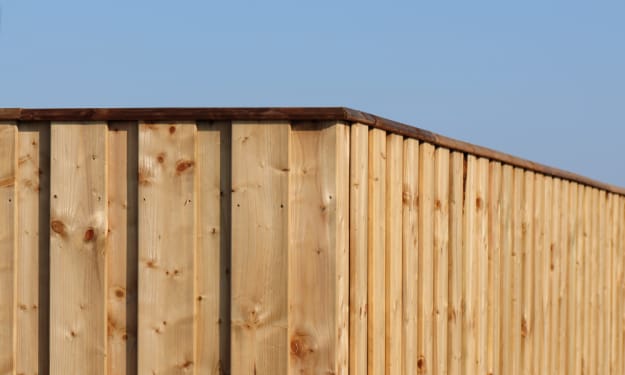
At Elite Deck & Fencing, we handle the entire Calgary deck permit process for you. Our team ensures your deck design meets all local codes, safety standards, and zoning bylaws—saving you time, money, and stress.
By Kristina Unruhabout a year ago in Earth
Fence Builders Calgary – Secure, Stylish, Long-Lasting
At Elite Deck and Fencing, we are the go-to fence builders Calgary homeowners, developers, and commercial clients turn to for top-tier fence design, installation, and repair. With deep roots in Calgary’s construction scene, we combine industry expertise, premium materials, and customer-first service to deliver fences that are both functional and beautiful.
By Kristina Unruhabout a year ago in Earth
Car Rental: Your Ultimate Guide to Vehicle Rentals Worldwide
Introduction Car rental services have revolutionized travel, making it easier than ever for individuals and businesses to access vehicles for short-term use. Whether you're looking for car rental near me, planning a trip abroad, or need a truck rental for moving, there's a car hire option to meet your needs.
By John Caudwellabout a year ago in Earth
How to Plan a Multi-Day Hiking and Camping Adventure
Ever thought about camping and hiking for several days? This awesome adventure needs some good planning. First, get to know the place you want to hike. You can check out public parks or wildlife areas for amazing routes. Make sure these areas allow sleeping outside and have the right trails. Also, remember to check how hard the hike is, whether you'll need extra gear, or if the walk is even. Gauge how far you can cover and what special supplies you may need when you tumble down into weird terrain or gorgeous views. Planning this will help you have a smooth adventure in the great outdoors.
By Maggie Bloomabout a year ago in Earth
Words of war: What is Surface to Air Missile system?
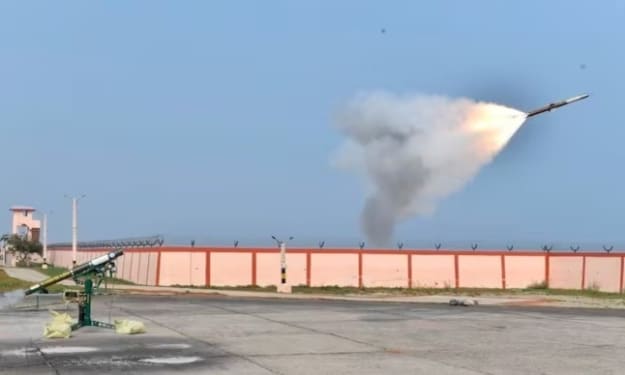
Words of War: Understanding the Surface-to-Air Missile (SAM) System In the modern theatre of war, dominance in the skies can dictate the outcome of a conflict. As air forces grow more advanced and lethal, so too do the defenses developed to counter them. One of the most crucial elements of any nation's air defense network is the Surface-to-Air Missile (SAM) system. These systems are designed to detect, track, and destroy airborne threats such as fighter jets, bombers, drones, and even ballistic missiles. From the Cold War era to today's high-tech battlefields, SAM systems have evolved into a sophisticated shield that forms the backbone of military defense for many nations.
By Abjol Hussain Laskarabout a year ago in Earth
Conquering Chulu East Peak: A Complete Guide for Adventurous Trekkers
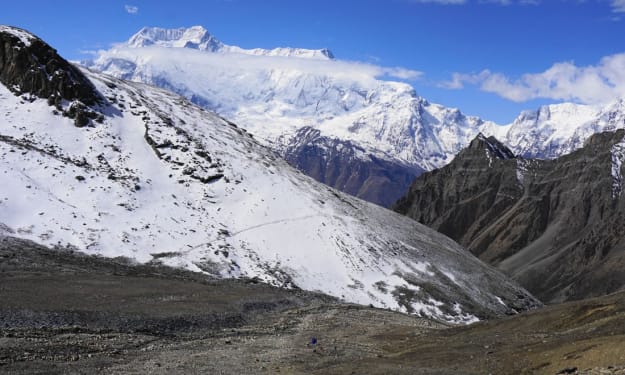
Nepal is home to some of the most awe-inspiring trekking destinations in the world. While the mighty Everest and the iconic Annapurna often steal the spotlight, there are lesser known but equally rewarding peaks for those seeking a more unique mountaineering experience. One such destination is Chulu East Peak. Standing tall at an elevation of 6,584 meters, Chulu East is part of the Damodar Himal range in the Annapurna region and offers an excellent blend of trekking and climbing adventure.
By Anya Gurungabout a year ago in Earth
Swans: The Majestic Symbols of Grace, Survival, and Myth
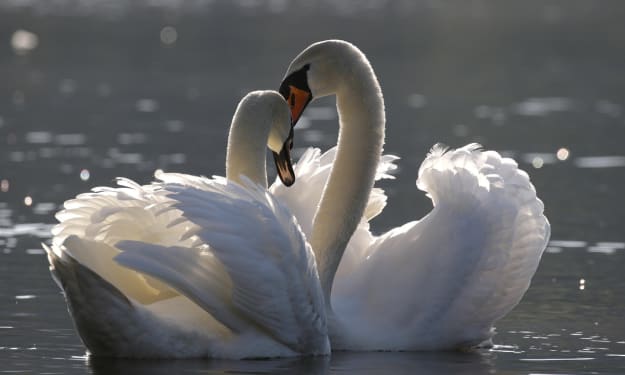
Introduction: The Allure of the Swan Swans have captivated humanity for millennia. With their snow-white plumage, serpentine necks, and ethereal presence, they embody elegance and mystery. But beyond their beauty lies a story of ecological resilience, cultural symbolism, and surprising scientific quirks. From Greek myths to modern conservation triumphs, swans are far more than just "pond ornaments." Let’s dive into their world. --- 1. Biology and Species: The Giants of the Waterfowl World What Makes a Swan? Swans belong to the genus Cygnus (family Anatidae), closely related to geese and ducks . They are the largest waterfowl, with some species weighing up to 35 pounds and boasting wingspans exceeding 10 feet—equivalent to a compact car! . Their elongated necks, equipped with 25 vertebrae (double a human’s count), allow them to forage underwater while keeping their bodies buoyant . Species Spotlight Mute Swan (Cygnus olor): Recognizable by its orange bill and S-curved neck, this Eurasian species was introduced to North America as an ornamental bird but is now invasive, outcompeting native wildlife . Trumpeter Swan (Cygnus buccinator): North America’s largest native swan, once near extinction (only 69 individuals in 1935), now thriving due to conservation efforts . Black Swan (Cygnus atratus): Native to Australia, its striking ebony feathers and red bill颠覆ed European beliefs that all swans were white—a metaphor for the unexpected . Tundra Swan (Cygnus columbianus): A migratory marvel, traveling 4,000 miles annually from the Arctic to warmer wetlands . --- 2. Behavior and Social Dynamics: Love, War, and Family "Till Death Do Us Part" Swans are icons of lifelong monogamy. They form bonds as early as 20 months old, with pairs staying together for decades . While "divorce" is rare (3% in mute swans), they may seek new mates if breeding fails or a partner dies . Their courtship rituals include synchronized head-bobbing and vocal duets—a ballet of devotion . Parenting: Tough Love on the Water Swans are fiercely protective parents. They build massive nests (up to 3 feet wide) near water, with both sexes sharing incubation duties—a rarity among waterfowl . Cygnets (baby swans) ride on their mothers’ backs for safety and stay with their parents for a full year, learning migration routes and survival skills . Aggression: Beauty with a Bite Despite their serene image, swans are territorial warriors. During breeding season, they hiss, flap their wings, and even break human bones to defend nests . In the UK, mute swans are technically still "property of the Crown," a medieval law reflecting their historical value—and tempers . --- 3. Ecological Role: Unsung Heroes of Wetlands Ecosystem Engineers Swans play a critical role in nutrient cycling. By feeding on aquatic plants like watercrowfoot, they prevent overgrowth that could choke waterways. Their droppings fertilize ecosystems, while undigested seeds in their feces promote plant diversity . In the U.S., landowners even "hire" mute swans to deter invasive Canadian geese—a natural pest control . Migratory Impact Tundra swans’ adaptation to eating agricultural waste (e.g., leftover corn) highlights their resilience amid habitat loss. However, this shift risks conflicts with farmers and exposes them to pesticides . --- 4. Cultural Symbolism: From Myths to Modern Media Mythology and Folklore Greek Mythology: Zeus transformed into a swan to seduce Leda, symbolizing divine power and transformation . Celtic Tradition: Swans represented the soul’s journey, often linked to mystical transitions . Native American Lore: Seen as messengers bridging the physical and spiritual worlds . Literature and Art Swan Lake: Tchaikovsky’s ballet immortalized swans as symbols of cursed beauty and duality . The Ugly Duckling: Hans Christian Andersen’s tale reframes swans as emblems of self-discovery . Modern Symbolism Swans adorn national flags (Finland), corporate logos, and even inspire psychological concepts like "black swan theory"—unpredictable, high-impact events . --- 5. Conservation: Triumphs and Ongoing Threats Success Stories The trumpeter swan’s rebound—from 69 to 76,000 individuals—is a conservation milestone. Protected habitats (e.g., U.S. national parks) and bans on lead fishing tackle (a major toxin) fueled this revival . Current Challenges Habitat Loss: Wetland drainage for agriculture threatens 50% of global swan populations . Climate Change: Arctic-nesting tundra swans face melting breeding grounds . Invasive Species: Mute swans disrupt North American ecosystems, sparking debates over culling vs. control . --- 6. Fun Facts to Share 1. Longevity: Wild swans live 20+ years; captive ones can reach 50 . 2. Constellation Connection: The Cygnus constellation mirrors a swan’s flight . 3. Speed Demons: They can fly 60 mph and "run" on water during takeoff . 4. Feather Facts: A single swan has 25,000 feathers—enough to fill a pillow! 5. Silent Flight: Their wing structure minimizes sound, making them stealthy fliers . --- Conclusion: Why Swans Matter Swans are more than just photogenic birds—they’re ecological linchpins, cultural touchstones, and symbols of nature’s fragility. Their survival hinges on balancing human needs with wetland preservation. As climate change accelerates, protecting these majestic birds isn’t just about nostalgia; it’s about safeguarding biodiversity itself. Call to Action: Support organizations like the National Wildlife Federation or local wetland trusts. Share this article to spread awareness—because every ripple of effort helps swans glide into the future.
By Ikram Ullahabout a year ago in Earth
How Rising Sea Levels Could Redefine Maps in the Next 20 Years. AI-Generated.
Climate change is no longer a distant threat. It's a reality that unfolds. One of the most visible and irreversible effects of global warming is the increase in sea levels. As polar ice caps melt and sea temperatures rise, water levels around the world rise. Scientists warn that the next two decades of current trends continue, could observe dramatic geographical changes, with coasts rebooting and metropolitan cities at risk of partial or full diving. This is not just an environmental issue, it is a human, economic, geopolitical issue. The science behind the increase in sea level The increase in sea level is driven primarily by two factors: glacial and polar ice sheets and thermal seawater thermal thermal ranges. According to the Intergovernmental Panel for Climate Change (IPCC), global sea levels have increased by about 20-25 cm since 1900. If the current emission trend continues, scientists can raise sea levels from 0.3 to 0.6 meters (1 to 2 feet) by 2050. looks low, what is the effect? Even a foot rise can have devastating consequences, especially in deep coastal areas. EDGE ON THE EDGE Some of the most famous cities in the world are dangerously close to the sea. Cities such as New York, Miami, Amsterdam, Mumbai, Bangkok, Lagos, Jakarta and Dhaka have already experienced regular flooding, saltwater interventions and infrastructure damage. Jakarta, the capital of Indonesia, has become a dramatic example. Groundwater extraction, poor drainage and rising sea level reduces at an astonishing rate. The situation is so severe that the Indonesian government has announced plans to transfer capital to a new city in Borneo. If sea levels continue to rise as expected, the majority of Jakarta could be underwater by 2050. Miami is known for its sunny beaches and lively lifestyle and already deals with "floods on sunny days." Rainy streets are flooded even if it rains. The city has invested billions in pump systems to increase roads and water resistance, but these are just temporary solutions to the growing problem. Redrawing the Map As sea ranges upward thrust, coastlines will retreat, islands will disappear, and a few countries can also additionally lose big quantities in their territory. For example: The Maldives, a low-mendacity island country withinside the Indian Ocean, should turn out to be uninhabitable inside decades. Bangladesh, already vulnerable to flooding, should see tens of thousands and thousands of human beings displaced through encroaching seawater. Pacific island countries like Tuvalu and Kiribati face an existential disaster—a few are already making plans for “weather refugees” who can also additionally want to relocate permanently. Maps, each bodily and political, can also additionally want to be redrawn to mirror those new realities. The moving of coastlines also can result in territorial disputes, as specific monetary zones (EEZs) described through coastlines circulate inland. Countries can also additionally contest obstacles as land and assets disappear. Human and Economic Impact The human price of growing sea ranges is staggering. The World Bank estimates that over 800 million human beings presently stay in regions that might be stricken by growing seas and hurricane surges. Many of those groups are in growing international locations with confined assets to adapt. Mass migration should turn out to be a reality, with tens of tens of thousands and thousands of human beings pressured to depart their homes. This should create pressure on city infrastructure, cause conflicts over assets, and make a contribution to social and political instability. Economically, coastal towns are international monetary engines. Flooding and harm to infrastructure—ports, roads, electricity grids—should price trillions of dollars. Insurance agencies are already reassessing danger, and a few are pulling out of high-danger regions altogether, leaving owners and agencies with out coverage. Can We Stop It? While a few quantity of sea degree upward thrust is inevitable because of the warmth already trapped with inside the atmosphere, the quantity and velocity of destiny upward thrust depend upon what we do now. Cutting greenhouse fueline emissions notably and transitioning to renewable power assets can lessen the worst-case scenarios. Adaptation techniques also are crucial. These include: Building sea partitions and levees Restoring mangroves and wetlands, which certainly buffer towards hurricane surges Urban making plans that considers destiny water ranges Migration making plans to relocate human beings from high-danger regions Some international locations, just like the Netherlands, are main the manner with revolutionary water control structures. Others, however, are lagging behind, both because of loss of political will or assets. The Urgency of Now What`s clean is that point is strolling out. Sea degree upward thrust isn't always a trouble for the following generation—it`s a disaster unfolding earlier than our eyes. The maps of the sector that schoolchildren examine nowadays can also additionally appearance very one-of-a-kind in only 20 years. Nations should act now to lessen emissions, adapt infrastructure, and put together for populace displacement. This project additionally provides an opportunity: to reconsider how we layout towns, control assets, and stay in concord with the environment. Rising seas are a reminder that the Earth`s structures are deeply interconnected—and that what we do nowadays will form the sector of tomorrow.
By Jishan Ahmedabout a year ago in Earth