
Nar Phu Valley Trek Guide: A Complete Journey to the Hidden Valleys of Nepal
In this comprehensive Nar Phu Valley Trek guide, we will explore everything you need to know before embarking on this adventure—from permits and difficulty level to cultural highlights and the best time to visit.

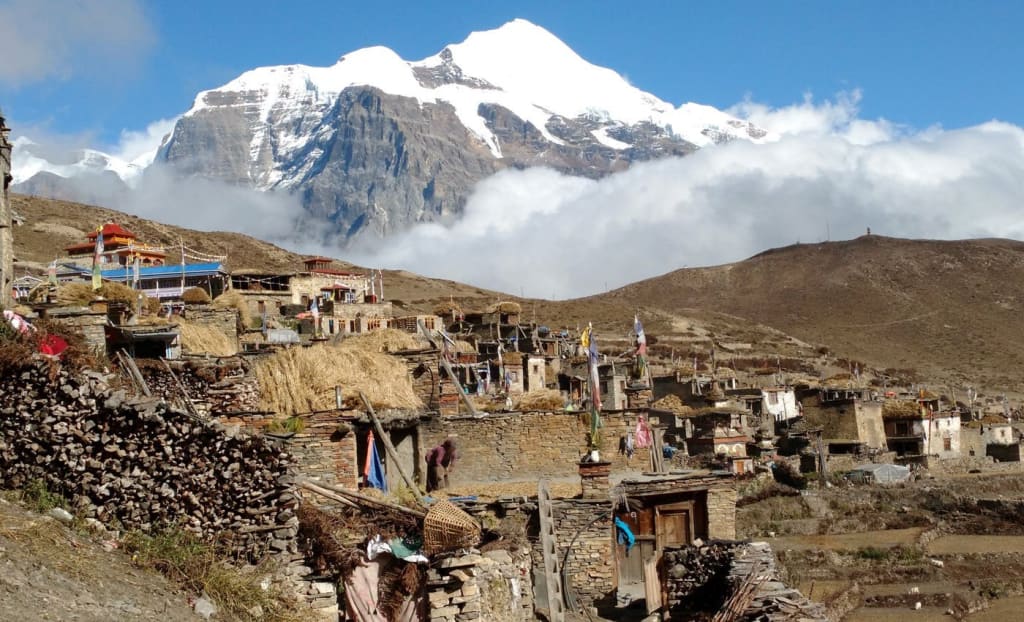
The Nar Phu Valley Trek is one of the most secluded and culturally rich trekking routes in Nepal. Nestled in the remote northern region of the Annapurna Conservation Area, this trek takes you through two hidden valleys, Nar and Phu, which remain untouched by mass tourism.
Introduction to the Nar Phu Valley
The Nar Phu Valley lies in the Manang district, close to the Tibetan border. Opened to trekkers only in 2003, the region is less frequented than the popular Annapurna or Everest routes. The isolation of the valley has helped preserve its ancient Tibetan Buddhist culture, traditional lifestyle, and pristine natural beauty.
The trail offers stunning views of snow-capped peaks, dramatic gorges, and high mountain passes, especially the challenging Kang La Pass at 5,320 meters. This Nar Phu Valley Trek guide aims to give both first-time and seasoned trekkers a clear idea of what to expect from this remote Himalayan experience.
Highlights of the Nar Phu Valley Trek
• Exploration of the ancient villages of Nar and Phu
• Incredible views of Annapurna II, Gangapurna, Tilicho Peak, and other Himalayan giants
• Crossing the Kang La Pass (5,320 m)
• Authentic Tibetan Buddhist culture and monasteries
• Less crowded trekking route
• Unique landscape of narrow canyons, alpine forests, and glacial valleys
Best Time to Trek Nar Phu Valley
The ideal seasons for the Nar Phu Valley Trek are spring (March to May) and autumn (September to November). During these months, the skies are clear, and the temperatures are moderate. Autumn offers stunning mountain views with dry weather, while spring adds the beauty of blooming rhododendrons and other alpine flowers.
Winter (December to February) brings heavy snow, especially near the Kang La Pass, making it difficult or impossible to cross. Summer (June to August) is the monsoon season, which results in slippery trails and reduced visibility.
Trekking Permits and Regulations
The Nar Phu Valley falls under a restricted area, so trekkers need a Restricted Area Permit (RAP) in addition to the Annapurna Conservation Area Permit (ACAP) and Trekkers’ Information Management System (TIMS) card.
• Restricted Area Permit: USD 100 for the first 7 days (September to November); USD 75 for the first 7 days (December to August); USD 15 per day thereafter
• ACAP: NPR 3,000 for foreigners
• TIMS: NPR 2,000 for independent trekkers
Note that solo trekking is not allowed in the Nar Phu Valley. You must travel with a registered guide and at least one other person.
Suggested Itinerary
Here is a sample 12-day itinerary for the Nar Phu Valley Trek. This can be customized depending on your pace and interests.
Day 1: Drive from Kathmandu to Koto (2,600 m)
A long scenic drive via Besisahar and Dharapani, the entry point to the restricted area.
Day 2: Trek from Koto to Meta (3,560 m)
You will walk through beautiful pine forests and cross several suspension bridges.
Day 3: Trek from Meta to Phu Village (4,080 m)
A challenging day with dramatic views and your first experience of the isolated Tibetan village life.
Day 4: Acclimatization Day in Phu
Explore Tashi Lhakhang Monastery and learn about local culture.
Day 5: Trek from Phu to Nar Phedi (3,490 m)
Descend from Phu and spend the night at a monastery-run lodge.
Day 6: Trek from Nar Phedi to Nar Village (4,110 m)
An uphill walk to Nar Village, which is more vibrant and larger than Phu.
Day 7: Acclimatization and Exploration in Nar
Visit monasteries, interact with locals, and rest for the Kang La Pass.
Day 8: Cross Kang La Pass (5,320 m) and descend to Ngawal (3,660 m)
A strenuous but rewarding day. Panoramic views of Annapurna ranges await at the top.
Day 9: Trek from Ngawal to Pisang (3,200 m)
Easier descent with a change in landscape and more lodges.
Day 10: Drive from Pisang to Besisahar
A long drive back through the Marsyangdi Valley.
Day 11: Drive from Besisahar to Kathmandu
Return to the capital city with unforgettable memories.
Accommodation and Food
Most of the trek is a teahouse trek, meaning you will stay in basic lodges run by local families. Facilities are simple, especially in Phu and Nar villages, where rooms are basic with shared toilets.
Food options include the typical Nepali trekking fare such as dal bhat (rice and lentils), noodles, pasta, fried rice, and sometimes local Tibetan dishes like thukpa and tsampa. Since this is a remote area, do not expect a wide variety, but meals are filling and hygienically prepared.
Physical Fitness and Trek Difficulty
The Nar Phu Valley Trek is considered moderate to challenging. Altitude is the biggest concern, especially when crossing the Kang La Pass. Trekkers should be in good physical shape and ideally have previous high-altitude trekking experience.
It is highly recommended to include proper acclimatization days and follow a steady pace. Hydration, a balanced diet, and rest are essential to avoid altitude sickness.
What to Pack
Here is a basic packing list for the Nar Phu Valley Trek:
• Warm sleeping bag (up to -15°C)
• Down jacket and fleece layers
• Base layers (moisture-wicking)
• Waterproof trekking boots
• Trekking poles
• First-aid kit and personal medication
• Reusable water bottles and purification tablets
• Sunscreen, sunglasses, and lip balm
• Snacks and energy bars
• Passport photos and original passport (for permits)
Culture and Local Etiquette
The Nar Phu Valley is inhabited mainly by ethnic Tibetans, and Buddhist culture is deeply rooted in daily life. When visiting monasteries or interacting with locals, it is important to be respectful:
• Always walk clockwise around chortens and mani walls.
• Ask before taking photographs of people.
• Dress modestly, especially in villages and religious sites.
• Greet locals with a friendly “Tashi Delek” (Tibetan greeting).
Conclusion
If you are looking for a trek that combines natural beauty, cultural immersion, and off-the-beaten-path adventure, the Nar Phu Valley is a perfect choice. This Nar Phu Valley Trek guide offers a clear overview to help you prepare for an unforgettable journey through one of Nepal’s most authentic and scenic regions.
Whether you are a seasoned trekker or seeking a quieter alternative to the Annapurna Circuit, this hidden gem promises a deep and rewarding Himalayan experience. Plan well, travel responsibly, and embrace the wonders of Nar and Phu.
About the Creator
Enjoyed the story? Support the Creator.
Subscribe for free to receive all their stories in your feed.
Comments
There are no comments for this story
Be the first to respond and start the conversation.