
The Odyssey
What happens when an arthouse indie geek watches a summer blockbuster…



Of course, Christopher Nolan’s The Odyssey is not your usual summer blockbuster. It is neither a star-filled rom-com nor an action-packed, car-chasing thriller. It isn't based on a DC comic, nor set in the Marvel Universe. It has a very different interpretation of intellectual property. Despite this, it has set box office records that even The Avengers failed to reach.
It is also definitely not my usual viewing fare. When I went to see it on a Wednesday matinee there were other people in the cinema – lots of other people. I am used to being in a crowd of three or four nodding heads, appreciating subtitles and close-ups of imperfect faces.
So, why did I go and see it?
I call myself a film geek, so I knew I had to watch a film that is likely to sweep the board at this year’s Oscars. This was the same reason that last year, I went to see One Battle After Another and Sinners – two films that blew me away with their cinematic vision and story-telling flare. I was hoping for a similar experience, to feel myself taken by surprise and enveloped by the big screen.
I’d read the reviews:
“Another monumental piece of work from one of our boldest filmmakers”
(John Nugent – Empire Magazine)
“This is a film with thrilling ambition, boldness, seriousness, generosity and flair”
(Peter Bradshaw – The Guardian)
“Nolan has done it again – the movie is mightily impressive”
(Matt Zoller Seitz – rogerebert.com)
All of the above reviews awarded the movie top marks.
I also read the piece by Emily Wilson that broke the London Review of Books website, because a woman had the audacity to write from a position of authority about the source material (having been the first woman to have published a translation of Homer’s work) and to conclude that the movie wasn’t that great. She really should know her place…
The glowing reviews made me want to love it. But I also wanted to enjoy it because some of the worst people in the universe, without watching the film, had decided it was going to be bad. Casting decisions had upset their fragile egos and disrupted their singular idea about the colour and biology of beauty and heroism. I’ll be honest; I enjoyed watching a rich, white man getting riled up about an adaptation of an ancient myth that deals with gods, goddesses, and monsters, and becoming embroiled in arguments about “historical accuracy”.
The other reason to enjoy this film was that Nolan has made great films. He isn’t afraid of mixing the intellectual with the thrilling. He works with big themes about hubris, shifts in time and the fracturing of memory. He explores the vagaries of the human mind and its search for truth.
I sat down with my chocolate and my soft drink, ready to be thrilled.
I did not enjoy this movie.
The couple sitting next to me did not enjoy this movie and left about an hour in. (Two hours still to go – lightweights!) I, however, having had a religious upbringing, know how to sit through things I’m not enjoying. You’ve got to listen to the sermon, or you don’t get the bread and wine.
It could be argued that all film reviewing is simply a matter of taste. So, whether or not I liked a film is of very little importance. Especially when I’m the sort of person who loved Effi O’Blaenau – a small, Welsh-language film about the betrayal of a working-class woman. What have I got to offer to a discussion on the large-scale, the epic, the heroic?
But let’s just pretend for a moment that what I have to say counts for something in the world of big budget Hollywood.
This is a critique but it isn’t going to be a hatchet job. There were a number of things I admired about the film. And let’s face it, Nolan is a much better filmmaker than I am a film critic. But this is my honest account of how I felt watching the movie.
The film opens with a title card reading “A time of apparent magic” and Travis Scott, in the role of bard, bangs on the table. This is a strong opening. We are placed firmly in a land of fairy tales and story-telling.
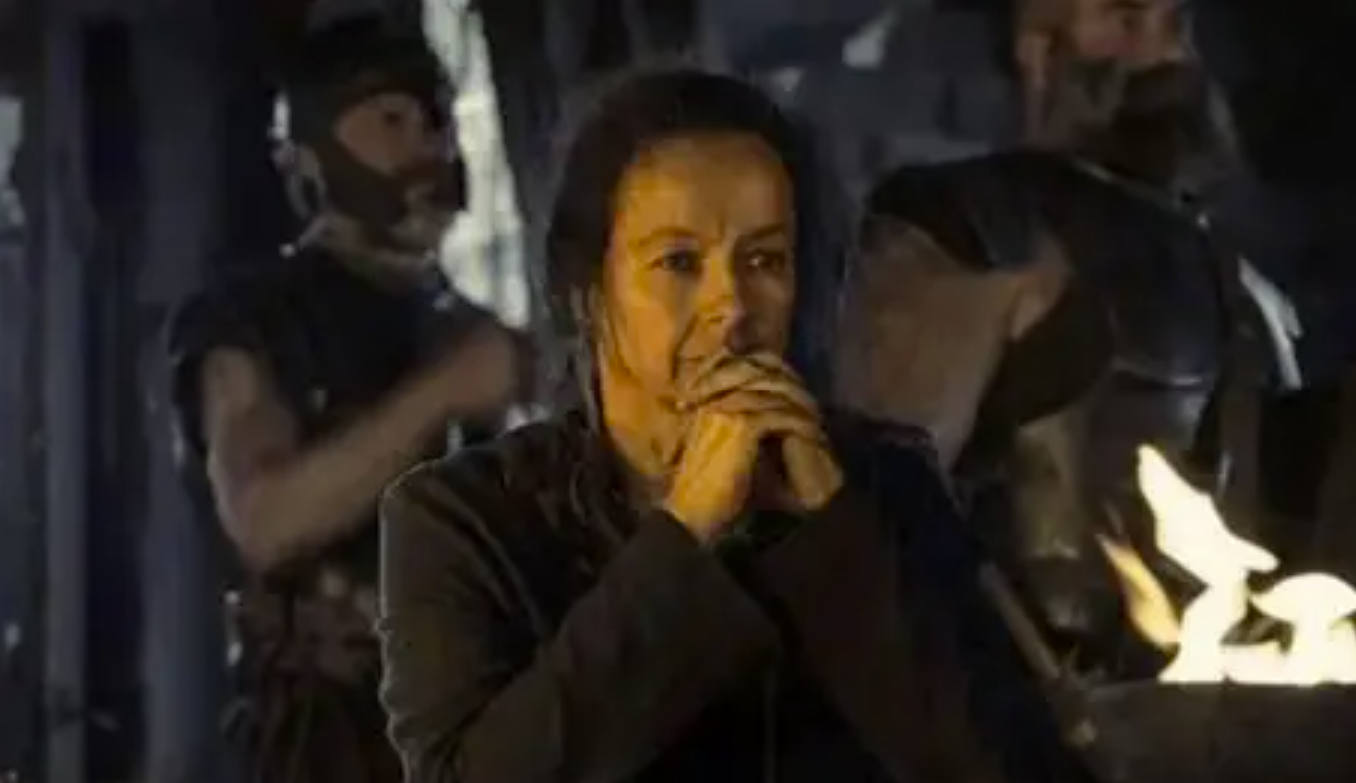
I loved the section where Samantha Morton plays Circe, a witch and goddess on the island of Aeaea – a genuine spectacle of body horror, devilry, revenge. Circe, as played by Morton, is on the edge of trauma; there is angst and desperation to every move and decision she makes. Her episode takes the film up a level. (I hope she is rewarded with an Oscar nomination).
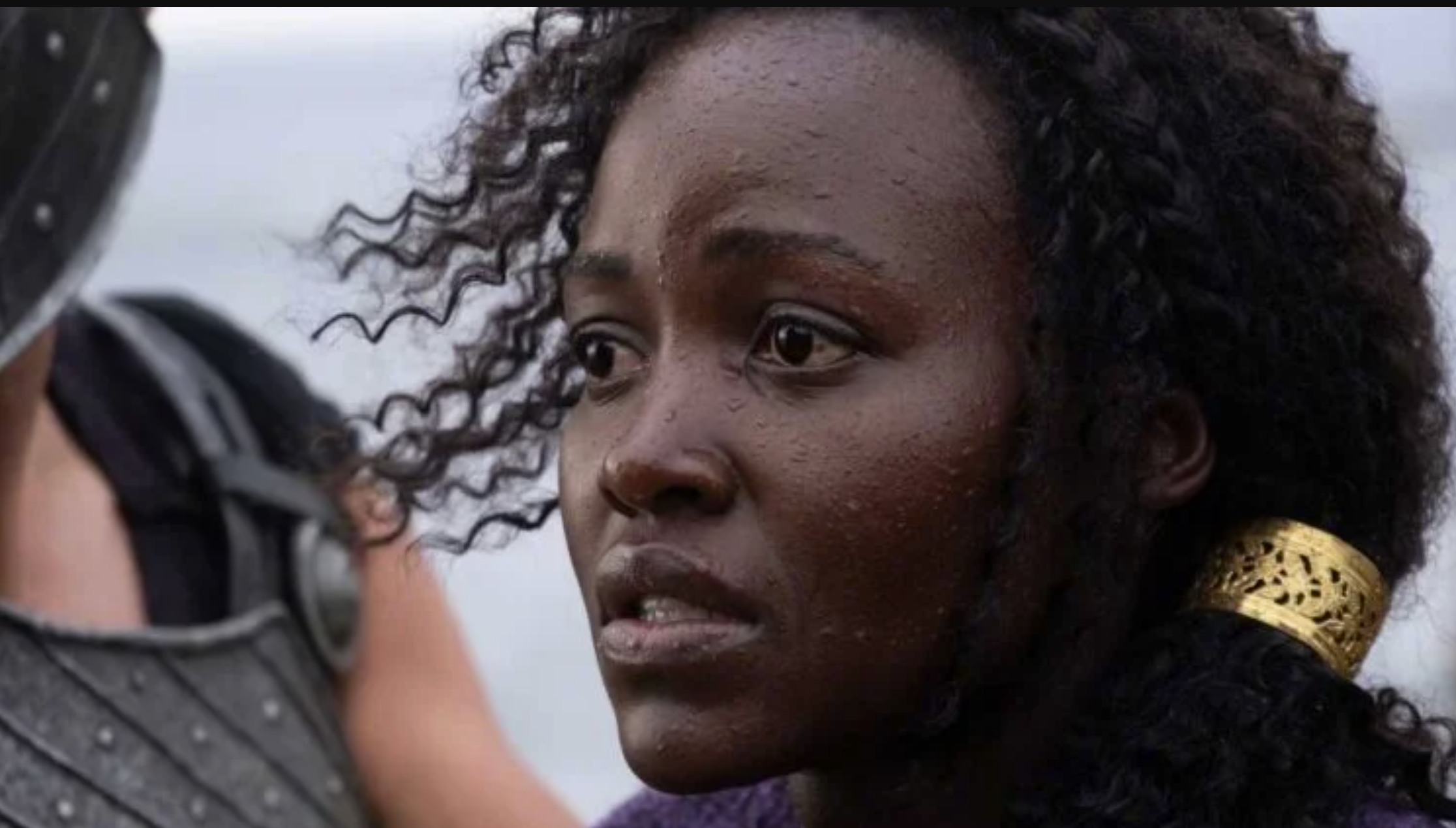
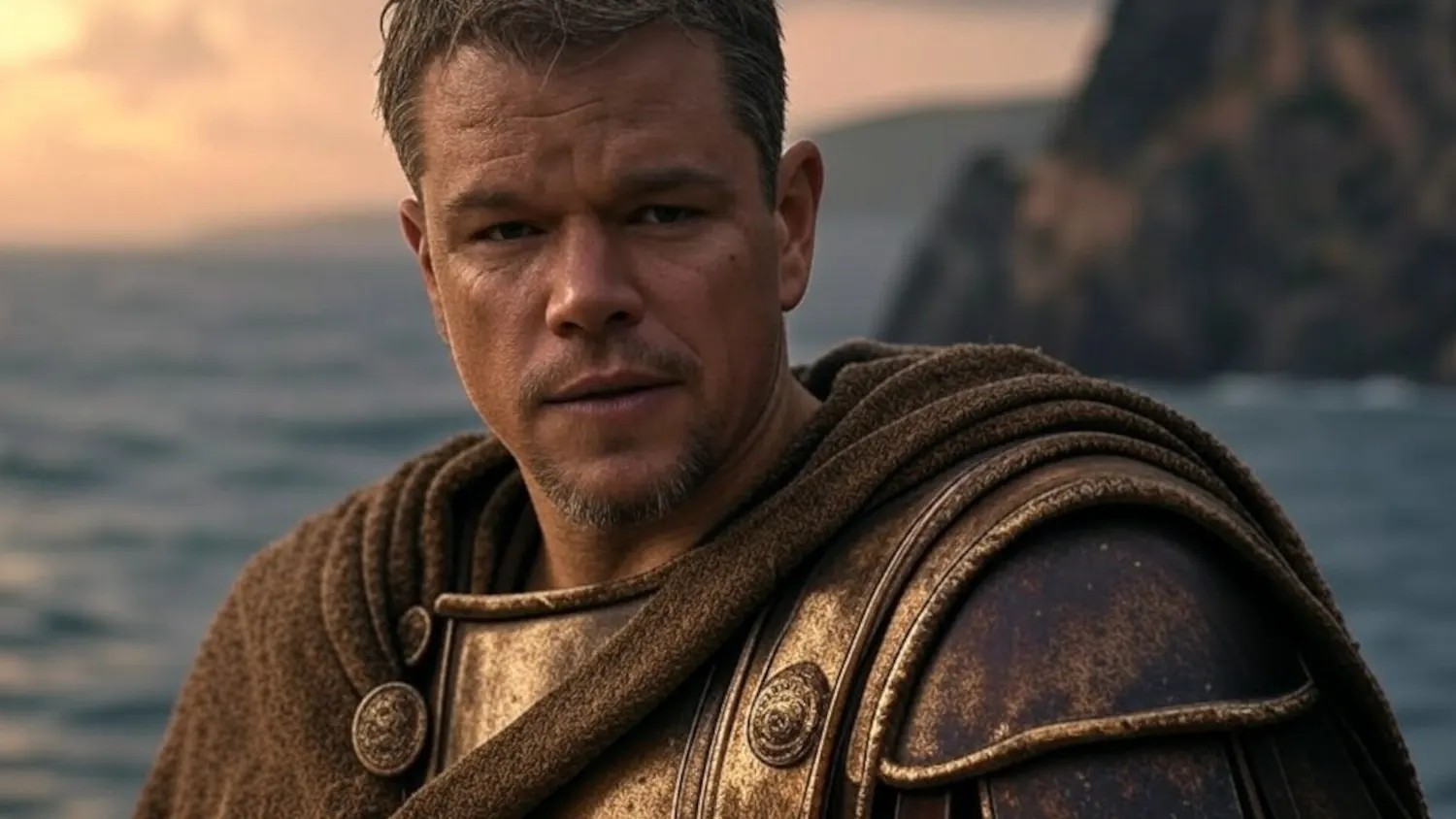
Lupita Nyong’o was stunning in a performance that was so brief that it made the fuss about her casting seem even more pitiful. Robert Pattinson was a perfect pantomime villain, cruelty and cowardice extravagantly combined.
I liked the nested narrative that trusted us as an audience to work through the shifting sands of time, to trace the conscience of Odysseus, to sit with the games trauma plays with chronology.
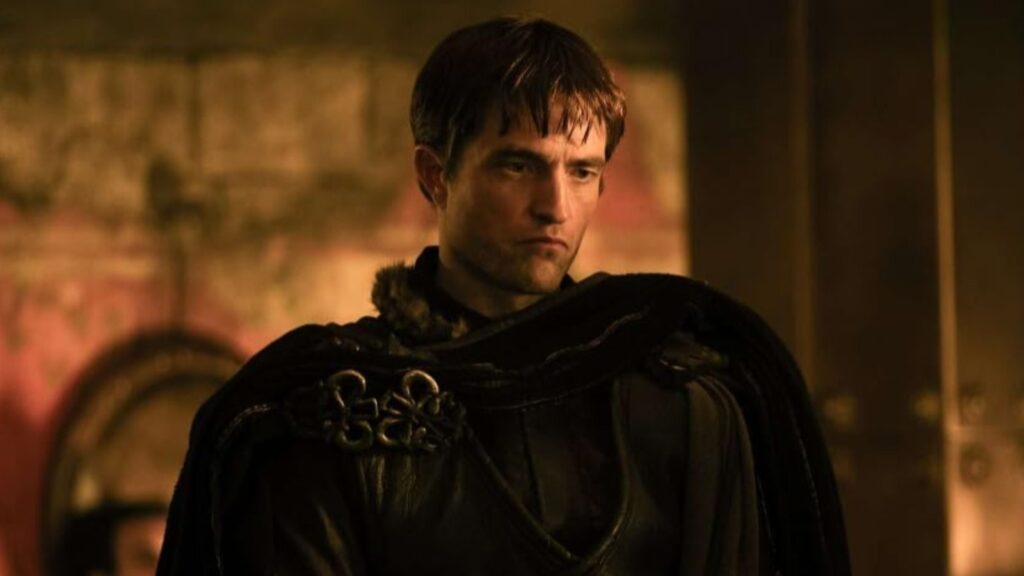
But the film made my ears bleed. The soundtrack was unrelenting. I understood the aspiration to avoid scaling orchestras, crescendoing strings telling us what to feel. Instead the audience is given the clanging of gongs, torturing us like metalworkers in a foundry. The soundtrack throbbed continuously to the point it blurred the images.
And, against the soundtrack, clashed terrible dialogue. Nolan may have produced a really clever structure when it came to the screenplay, but the words lacked style. It wavered so that sometimes it was stilted, heightened rhetoric and at other times laughably informal. The scene where the disguised Odysseus walked across Ithica with Telemachus, his estranged son, lacked any trace of emotion. It was strained, not with the awkwardness of an over-due reunion, but the forced contrivance of education and exposition. Plod, plod, plod.
I’ve heard critics praise the movie for the special effects of Cyclops, the fall of Troy, a burning wall collapsing on fleeing citizens, a whirlpool and monsters. There is something admirable about the scale of the ambition. But these scenes left me cold, in the way that cleverness can. I was more impressed by the claustrophobia of the Trojan Horse, a moment of disgust and camaraderie. A re-imagining that placed the human experience as central. I wanted more like this, because there was something authentic and intimate about it.
However, it didn’t make up for the hole in the centre of the action. What the film didn’t give me, was passion. Instead, it gave me earnestness and a tension migraine.
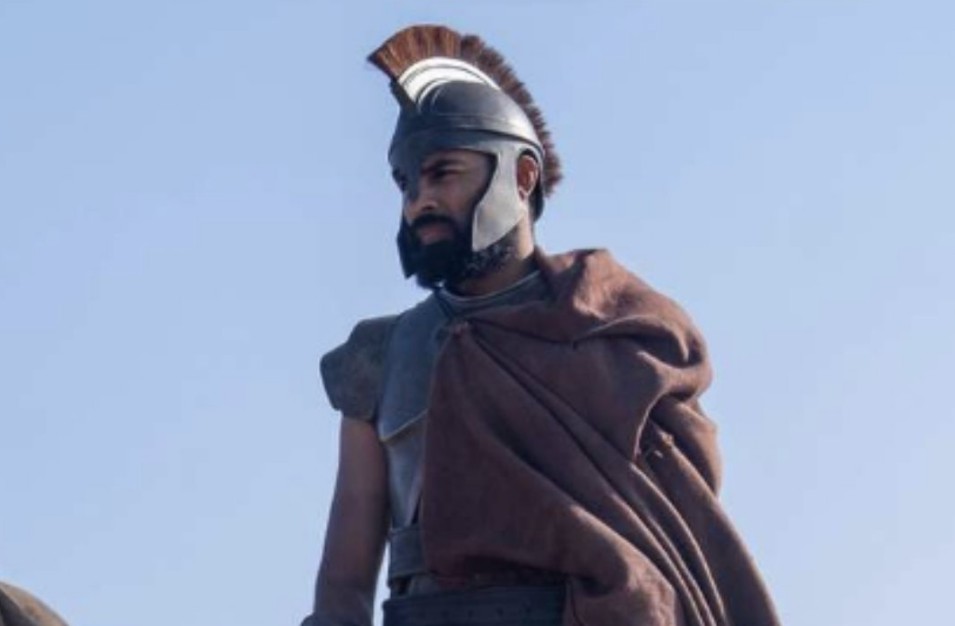
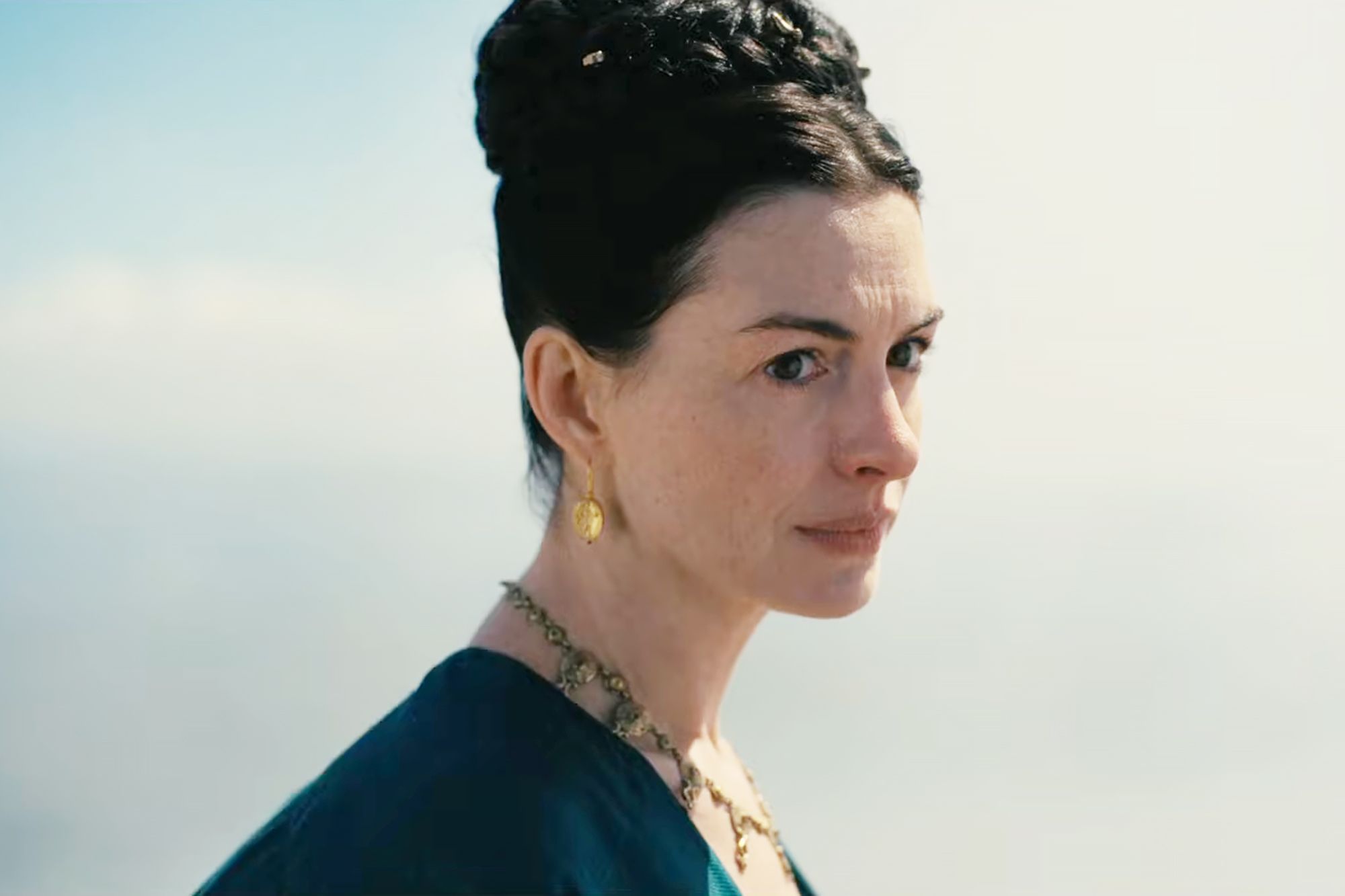
Of course, it’s about war, suffering and a broken conscience. I know not to expect laughs, but couldn’t we have had just a teeny-weeny slice of humour, even if it was the deepest, darkest shade? And what of love? I watched Penelope struggling to maintain her fidelity. Odysseus less worried about adultery, but taking a tumultuous journey for reconciliation – where was the love? I saw tradition. I saw machismo. I saw honour. I saw sacrifice. But I didn’t see tenderness, apart from a brief nuzzle granted to a dying dog. The film lacked any warmth or softness. The things that make life worth fighting for.
It’s fair to say I wasn’t dazzled. Yet, here’s the rub. I want this film to succeed – because at least it shows an appetite for intellectual ideas alongside action set-pieces. It tells us, that despite so much evidence to the contrary, there is an audience for films that do not follow a blue print, a three act resolution. There is a craving for movies that allow for audience interpretation, nuance and complexity. It shows that the cinema can still be a place for magic.
I hope it gets Oscar nominations and keeps breaking records, so that we can move on from tired franchises and movies can start taking risks.
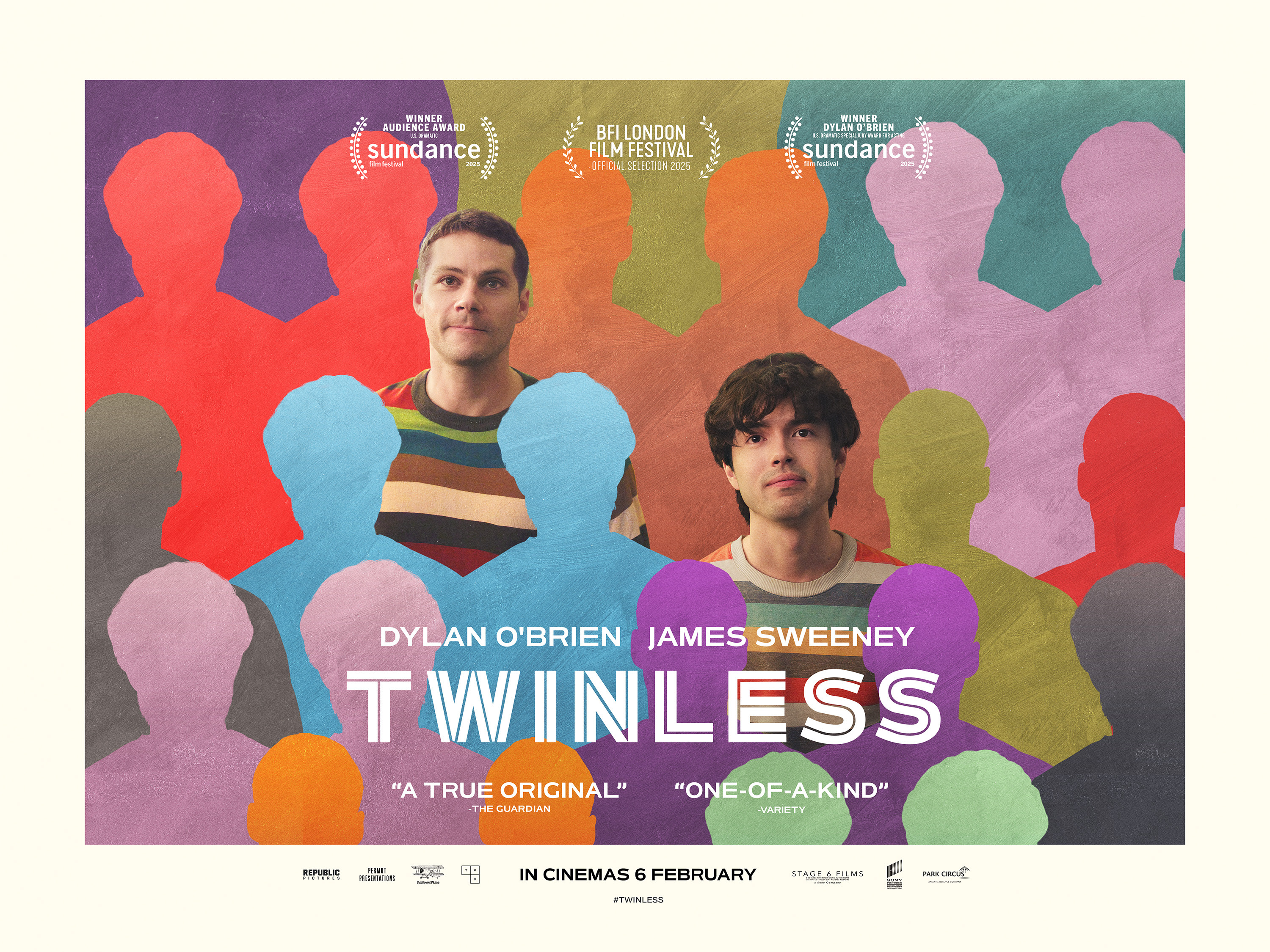
But if The Odyssey wins Nolan an Oscar for screenwriting, in the same universe that Twinless exists, I may have to go to war myself.
About the Creator
Rachel Robbins
Writer-Performer based in the North of England. A joyous, flawed mess.
Please read my stories and enjoy. And if you can, please leave a tip. Money raised will be used towards funding a one-woman story-telling, comedy show.
Enjoyed the story? Support the Creator.
Subscribe for free to receive all their stories in your feed. You could also become a paid subscriber, letting them know you appreciate their work.
Comments
There are no comments for this story
Be the first to respond and start the conversation.