
Why Rural Accident Claims Can Be More Complicated Than People Expect
Petrucelli Law
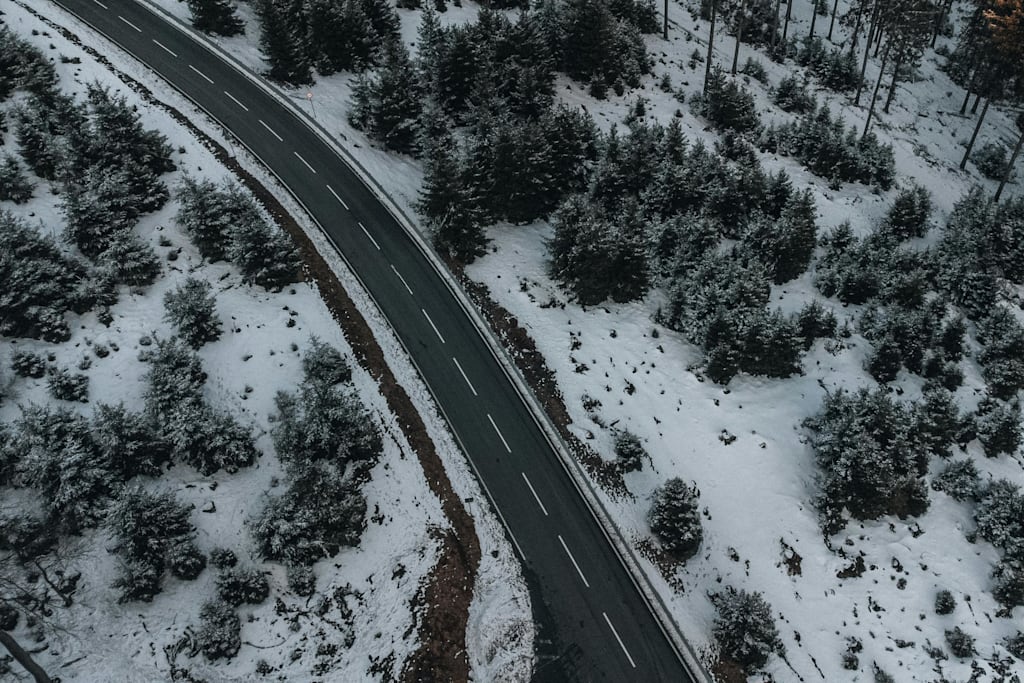
In rural parts of Michigan’s Upper Peninsula and Wisconsin, the aftermath of an accident can be shaped by distance, weather, limited witnesses, and practical challenges that are easy to overlook.
The first thing people often remember after a winter crash is the quiet.
Not total silence, exactly. Maybe the wind is pushing snow across a two-lane road. Maybe a truck is idling somewhere behind them. Maybe a phone is ringing from the floorboard. But compared with the rush of traffic in a city, a rural highway after an accident can feel strangely still.
Picture someone driving home after sunset in Michigan’s Upper Peninsula. The temperature has dropped, the shoulders are packed with snow, and the road looks mostly clear until it does not. A vehicle ahead brakes suddenly near a curve. There is a logging truck coming from the opposite direction. The driver taps the brakes, feels the tires slide, and in a few seconds everything changes.
Afterward, the questions start slowly. Is everyone okay? Is there cell service? Where is the nearest ambulance coming from? Who saw what happened? How long will it take for a tow truck to arrive? And later, once the immediate fear settles, another set of questions often appears: What actually caused the crash? What does insurance need? What records should be saved? What if the other driver is from another state?
Accidents can be stressful anywhere. But in rural areas of the Upper Peninsula and Wisconsin, the aftermath can be more complicated than people expect. That does not mean every accident turns into a dispute. Many do not. Still, the realities of rural life can affect how injuries are documented, how evidence is preserved, and how people make sense of what happened.
Distance Changes Everything
In a larger town or city, help may be minutes away. On a rural road, a trail, a job site, or a remote property, help may take longer. Emergency responders often cover wide areas. Bad weather, rough roads, darkness, or poor visibility can stretch response times even more.
That matters first because injured people need care. It also matters because the scene may not stay the same for long. Vehicles may be moved to keep traffic open. Snow may cover tire tracks. Ice may be sanded. A damaged walkway may be cleared before anyone takes a photo. A witness who stopped to help may leave before giving a name.
None of these things are unusual in rural communities. People do what they need to do in the moment. They keep the road passable, help neighbors, call for assistance, and try to stay warm. But later, when someone is trying to explain how an accident happened, small details can become important.
Where was the vehicle before it was moved? Was there ice under the snow? Was a sign visible? Was the shoulder soft, narrow, or uneven? Did anyone see the other driver before the crash? These are ordinary questions, but they can be harder to answer when the accident happened far from a busy intersection or a well-lit parking lot.
Weather Is Often Part of the Story
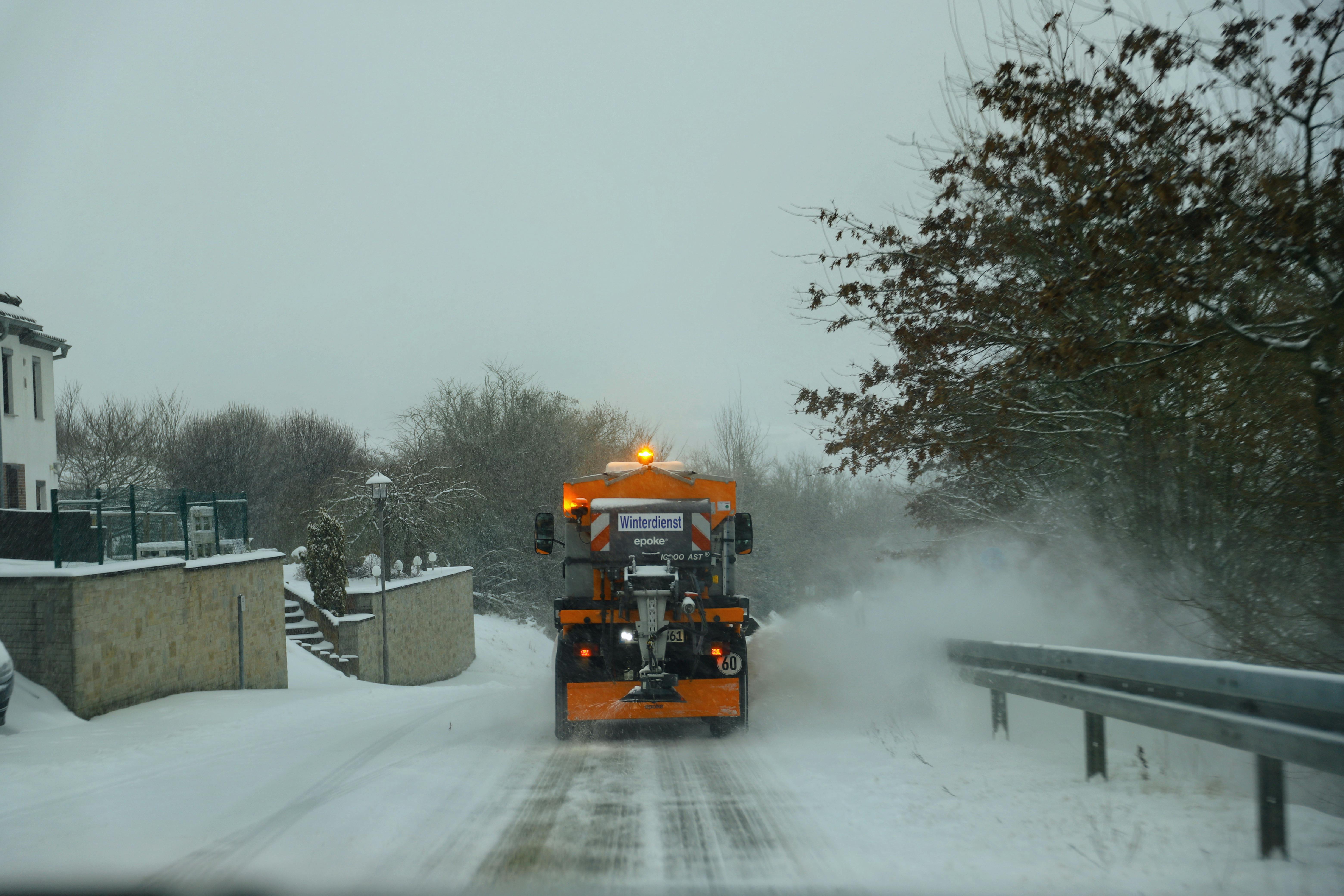
People who live in northern Michigan and Wisconsin do not need to be told that winter weather can be serious. Snow squalls can arrive quickly. Freezing rain can make a road look harmless until a driver tries to stop. Fog can settle over open stretches. Gravel roads can wash out or become rutted. Deer can appear with no warning.
Because weather is so common, it can be tempting to treat it as the whole explanation. Someone might say, “It was just the ice,” or “That road is always bad.” Sometimes that may be true. Other times, weather is only one piece of a larger picture.
A driver may have been traveling too fast for the conditions. A business entrance may have remained icy long after it should have been addressed. A rural road may have had poor visibility at a curve or intersection. A vehicle may have had worn tires or inadequate lights. A plow route, missing marker, blocked sign, or poorly maintained shoulder may have contributed to the problem.
This is where rural accidents can become less straightforward. The cause is not always one dramatic mistake. It may be a combination of human choices, weather, maintenance, vehicle condition, road design, and timing.
There May Be Few Witnesses
In a busy area, accidents often happen in front of people. There may be pedestrians, nearby employees, drivers waiting at a light, security cameras, or homes close to the road. In rural places, there may be no one around except the people directly involved.
That lack of outside information can make the aftermath more confusing. If two drivers remember the moment differently, there may be little independent evidence to compare. If someone slips outside a small business, there may be no camera angle and no crowd of customers. If an ATV or snowmobile accident happens on a trail, the nearest witness might be another rider who continued on before anyone collected contact information.
When witnesses do exist, they may be hard to find later. A passerby may be traveling through the area. A tourist may return home to another state. A seasonal worker may move on. Even local witnesses can be difficult to identify if no one writes down a name or phone number at the time.
That is why simple information can be valuable: names, phone numbers, license plate numbers, business names, and short notes about what someone saw. These details do not need to be perfect. They just help create a clearer record while memories are still fresh.
State Lines Can Add Confusion
The Michigan-Wisconsin border is part of daily life for many people. Someone may live in Wisconsin and work in the Upper Peninsula. A family may cross the border for shopping, medical appointments, school, or recreation. Visitors may drive in for fishing, hunting, skiing, snowmobiling, camping, or time at a cabin.
After an accident, that everyday border crossing can add insurance questions. The crash may happen in one state while the drivers live in different states. A vehicle may be insured elsewhere. Medical care may be received across the border. The policy language, accident location, and applicable rules may all matter.
For readers who want to better understand how these situations are handled locally, legal resources for injury claims in Michigan’s Upper Peninsula and Wisconsin can offer helpful context.
The larger point is simple: a rural accident does not always fit neatly into one box. Where it happened, who was involved, what insurance applies, and where medical care takes place can all shape the next steps.
Rural Life Includes Different Kinds of Risks
Rural accident claims can also involve vehicles and settings that are less common in urban areas. Logging trucks, farm equipment, utility vehicles, snowplows, trailers, delivery trucks, ATVs, snowmobiles, and boats may all be part of the landscape.
Each setting brings its own questions.
A crash involving a commercial truck may raise issues about maintenance, loading, driver schedules, company procedures, visibility, and road conditions. An ATV or snowmobile crash may involve trail signage, speed, rental equipment, unfamiliar terrain, another rider’s actions, or conditions that changed during the day. A fall at a motel, gas station, restaurant, rental cabin, campground, or bait shop may involve lighting, ice, snow removal, flooring, stairs, or notice of a hazard.
Work can overlap with everyday travel, too. A person may be hurt while driving for a job, loading equipment, working at a mill, helping at a construction site, or traveling between rural job locations. In those situations, there may be more than one kind of coverage or more than one party involved.
Tourism adds another layer. Visitors may not know local roads, wildlife patterns, trail rules, winter driving expectations, or places where cell service fades. Local residents may understand these challenges, but visitors often learn them only after something has gone wrong.
Evidence Can Vanish Before Anyone Thinks to Save It
After an accident, people are usually focused on immediate problems: pain, transportation, children in the car, damaged vehicles, weather, or getting home safely. Evidence may not be the first thought. That is understandable.
Still, rural evidence can disappear quickly. Snow melts. Ice is treated. Gravel is graded. A broken stair is repaired. A fallen branch is removed. A damaged sign is replaced. A vehicle is towed to a lot miles away. A business may record over security footage. A dashcam may overwrite old files.
This does not mean someone has done anything wrong. Conditions change because life keeps moving. Roads have to be cleared. Businesses have to operate. Trails have to be maintained. But if no one documents the scene, it can be harder later to understand what the conditions looked like at the time.
When it is safe, a few photos can help. Wide photos can show the whole area. Close photos can show ice, debris, damage, signs, lighting, tire marks, or a broken surface. Weather screenshots, repair receipts, tow paperwork, and medical records can also help create a timeline.
Practical Steps That Can Make the Aftermath Easier
No one handles an accident perfectly. People are scared, hurt, cold, embarrassed, or worried about others. The goal is not to become an investigator on the roadside. The goal is to protect health first and preserve what information is reasonably available.
Medical care should come first. Even if an injury seems minor, symptoms can change after the shock wears off. Head, neck, back, shoulder, knee, and soft tissue injuries may feel different the next day. Follow-up appointments, referrals, prescriptions, therapy notes, and discharge paperwork should be saved.
If it is safe, document the scene. Photos or videos can capture road conditions, weather, vehicle positions, property hazards, trail markings, lighting, visible injuries, and damage. If someone witnessed the accident, ask for contact information. If police or emergency responders come to the scene, note the agency involved and how to request a report later.
Save records in one place. Medical bills, repair estimates, towing invoices, pharmacy receipts, insurance letters, claim numbers, mileage for medical travel, and missed-work information can become difficult to track if they are scattered across emails, glove compartments, and kitchen counters.
Be careful with rushed statements. Insurance companies often need information, and many claims are handled without conflict. But it is okay to slow down before giving a recorded statement, especially if pain, medication, stress, or uncertainty makes it hard to be precise. Guessing can create confusion later. It is better to say what is known, what is not known, and what still needs to be checked.
It is also important to understand that deadlines may apply. The timing can depend on the type of accident, where it happened, who may be responsible, whether a government entity is involved, and other facts. People should not assume they have unlimited time to ask questions or preserve information.
A More Patient Way to Look at Rural Accidents
Rural communities are often built on self-reliance. People help each other, make do with what is available, and keep moving through difficult conditions. That mindset is valuable. It is also one reason people sometimes underestimate the complexity of an accident after it happens.
A crash on a snowy highway, a fall outside a small business, an ATV injury on a trail, or a collision involving a work vehicle may look simple at first. But distance, weather, missing witnesses, cross-border travel, specialized vehicles, and disappearing evidence can all make the situation harder to sort out.
Staying informed does not mean expecting a fight. It means knowing what details matter, keeping useful records, taking injuries seriously, and seeking appropriate professional guidance when questions are too specific to answer alone.
For people living in or traveling through Michigan’s Upper Peninsula and Wisconsin, that practical awareness can make a difficult experience a little less confusing.
This article is for general informational purposes only and is not legal advice. Anyone with questions about a specific situation should speak with a qualified attorney in their jurisdiction.
About the Creator
Enjoyed the story? Support the Creator.
Subscribe for free to receive all their stories in your feed.
Comments
There are no comments for this story
Be the first to respond and start the conversation.