
Trump Assassination Attempt Details Emerge
Emergence of Assassination Plot

Introduction
Emergence of Assassination Plot
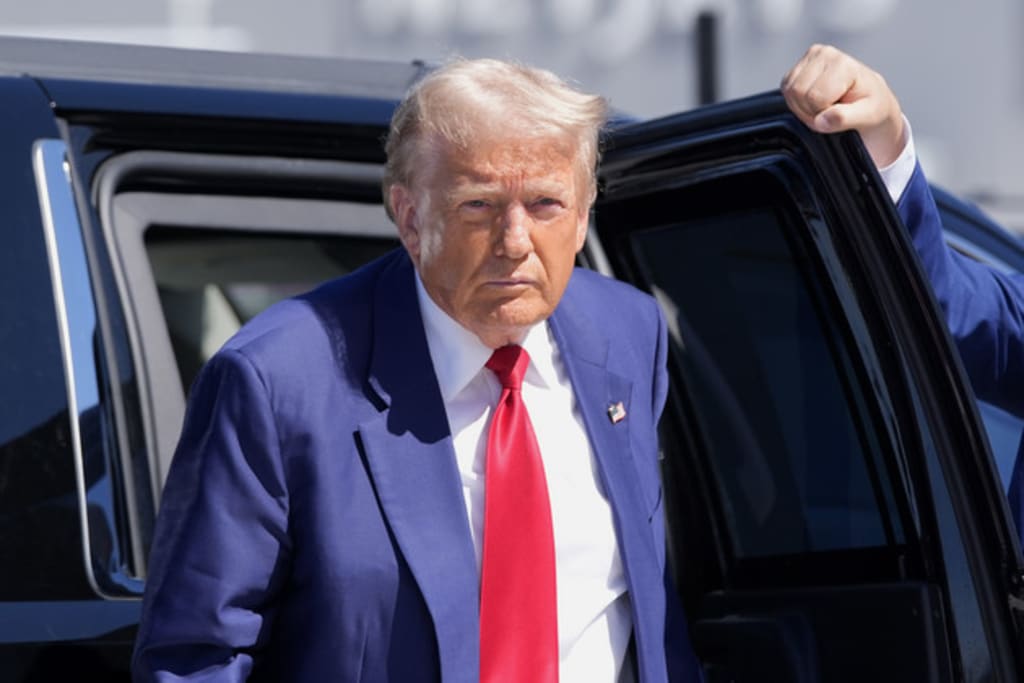
The emergence of the assassination plot against former President Donald Trump has sent shockwaves through both political and public arenas. The initial details of this plot began to surface through a combination of intelligence reports and investigative journalism, which painted a chilling picture of a conspiracy aimed at one of the most polarizing figures in modern American politics. The revelation came to light when a leading national security journalist published an exposé, citing anonymous intelligence officials who indicated that an active threat against Trump had been thwarted. This discovery was compounded by subsequent corroboration from law enforcement agencies that confirmed the threat had been both credible and imminent.
The plot was uncovered by a coalition of federal authorities, including the Secret Service, the FBI, and the Department of Homeland Security (DHS). These agencies had been working in tandem, piecing together fragmented intelligence that originated from electronic communications intercepted from international and domestic sources. By analyzing these intercepted messages, authorities were able to identify a series of covert communications that revealed a coordinated effort to target the former President. It was a concerted effort involving sophisticated planning and substantial financial backing, suggesting the involvement of highly resourceful individuals or groups.
The timing and context of the plot’s emergence added another layer of complexity to the situation. The discovery came at a critical juncture, occurring amidst a backdrop of heightened political tensions and social unrest. Several weeks before the plot’s exposure, there had been a series of politically charged events, including controversial policy debates and a particularly incendiary rally led by Trump himself. This period also saw an increase in encounters between right-wing and left-wing extremist groups, further exacerbating an already volatile environment. In this climate, the foiled assassination attempt served as a stark reminder of the extremes to which political animosities can lead.
Involvement of Key Individuals
The investigation quickly honed in on several primary suspects identified through meticulous intelligence and law enforcement work. These individuals were not random actors but rather high-profile members of various extreme factions known for their staunch opposition to Trump's policies and ideologies. Among the suspects were members of a well-financed extremist group with documented ties to both domestic and international terrorism. Additionally, cybersecurity experts identified hackers affiliated with rogue states, providing another dimension to the intricate web of conspirators.
Each suspect's role within the plot was delineated through exhaustive investigation. The primary orchestrator was identified as a notorious figure within an extremist organization. This individual had allegedly utilized both financial resources and ideological rhetoric to rally like-minded individuals to the cause. Another key figure was a technical expert who facilitated secure communications, ensuring that the group's plans remained under the radar as long as possible. The logistics coordinator was responsible for the operational aspects, such as acquiring resources and managing the physical activities required for executing the plot. The involvement of seasoned professionals underscored the plot's seriousness and level of preparation.
Connections to larger networks also became apparent as the investigation delved deeper. Intelligence reports revealed affiliations with known terrorist organizations and illegal arms suppliers, indicating that the plot was part of a broader scheme with potentially far-reaching implications. Communication intercepts showed that these individuals were not acting in isolation but were part of a larger web of conspirators who shared mutual goals and resources. This interconnectedness highlighted the risks posed by transnational extremist networks and their capacity to execute high-profile targets.
Security Response and Measures
In response to the threat, security agencies acted swiftly and decisively. Immediate actions included ramping up protective measures around President Trump and his known residencies. The Secret Service increased its protective detail, incorporating additional layers of surveillance and physical security. These measures extended to key locations frequented by Trump, ensuring that no potential vulnerabilities were left exposed.
Changes in security protocols were promptly implemented to address any gaps identified during the investigation. Security agencies re-evaluated existing protocols, incorporating lessons learned and adapting new strategies to mitigate future threats. Innovations included enhanced intelligence-sharing mechanisms among agencies, the use of advanced surveillance technologies, and hardened perimeters around critical political figures. Protocols for identifying and neutralizing threats were updated, improving the overall efficiency and effectiveness of the security apparatus.
Furthermore, there was a significant coordination effort with law enforcement agencies at both the federal and state levels. Joint task forces were established to facilitate seamless information flow and operational synergy, ensuring that all relevant agencies were operating in concert. This coordination proved vital in preempting any further attempts that might have built on the initial plot. Training drills and simulation exercises were conducted to prepare security personnel for potential scenarios, increasing readiness and reducing response times.
Political and National Repercussions
The revelation of the assassination plot elicited immediate and varied reactions from political leaders across the spectrum. Figures from both the Democratic and Republican parties condemned the plot unequivocally, framing it as an assault on the democratic values underpinning the nation. While some leaders used the opportunity to call for unity and a reduction in political divisiveness, others emphasized the need for stringent security measures to protect public officials. These responses illuminated the delicate balance between maintaining national security and safeguarding civil liberties, prompting renewed dialogue on the subject.
The impact on national security policies was profound and immediate. Legislative bodies called for comprehensive reviews of current security measures, and several new bills were introduced to enhance protections for former and current public officials. These legislative efforts included funding allocations for advanced security technologies and increased intelligence capabilities. Moreover, there was a push to address the root causes of extremism, suggesting a holistic approach to national security that combined hard security measures with efforts aimed at socio-political stability.
Public response and media coverage of the plot were equally significant. Media outlets provided extensive coverage, examining every facet of the story and keeping the public informed of ongoing developments. Public opinion was largely shaped by this media narrative, which alternated between fear and outrage. Social media platforms became battlegrounds for political discourse, with users propagating varying narratives based on their ideological leanings. The plot's exposure also brought to light the extent of ideological divides within the country, prompting calls for introspection and dialogue at community levels.
Conclusion
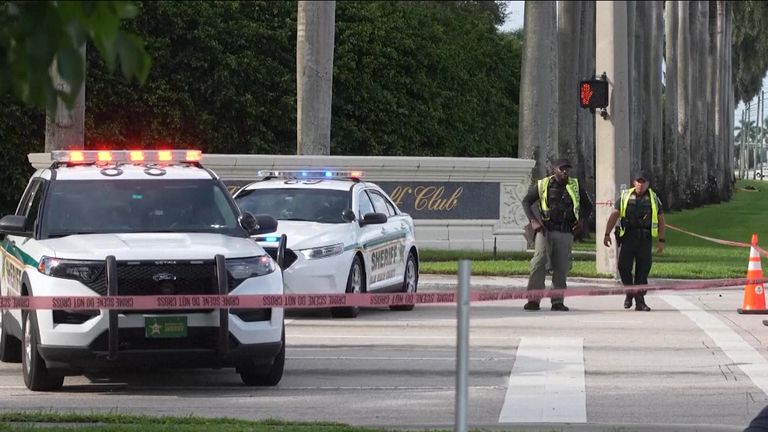
The unveiling of the assassination plot against Donald Trump has underscored the pervasive threats that continue to challenge national security. The emergence of such a plot not only highlights the lengths to which extremists are willing to go but also casts a spotlight on the individuals and networks working in the shadows. The swift and coordinated response by security agencies demonstrates the robustness of the nation's protective measures, although continuous vigilance and adaptability remain crucial. The political and national repercussions of the plot have reignited discussions on security policies and the socio-political dynamics fueling extremism, calling for unified efforts to bridge divides and ensure a secure and stable democratic society.
About the Creator
Enjoyed the story? Support the Creator.
Subscribe for free to receive all their stories in your feed.
Comments
There are no comments for this story
Be the first to respond and start the conversation.