
The Silent Bomber: The UNABOM Case
The 17-year hunt for the Unabomber, and the clue that cracked it

A true crime story, solved by the FBI (1978–1996)
In May 1978, a package was found abandoned in a parking lot at the University of Illinois in Chicago. A campus police officer tried to open it, and it exploded in his hands, leaving him with minor injuries. It looked like an isolated accident, but it was the first link in a chain that would last seventeen years. Over that time, sixteen carefully built mail bombs were sent to universities, airlines, and people working in technology. They killed three people and wounded twenty-three.
The FBI gave the case a name that stuck: UNABOM, short for "University and Airline Bomber." The bombs were unlike anything investigators had seen. They were handmade from scrap wood and metal, with almost no store-bought parts that could be traced. Many carried two letters stamped into a small piece of metal: FC. Nobody knew what they stood for.
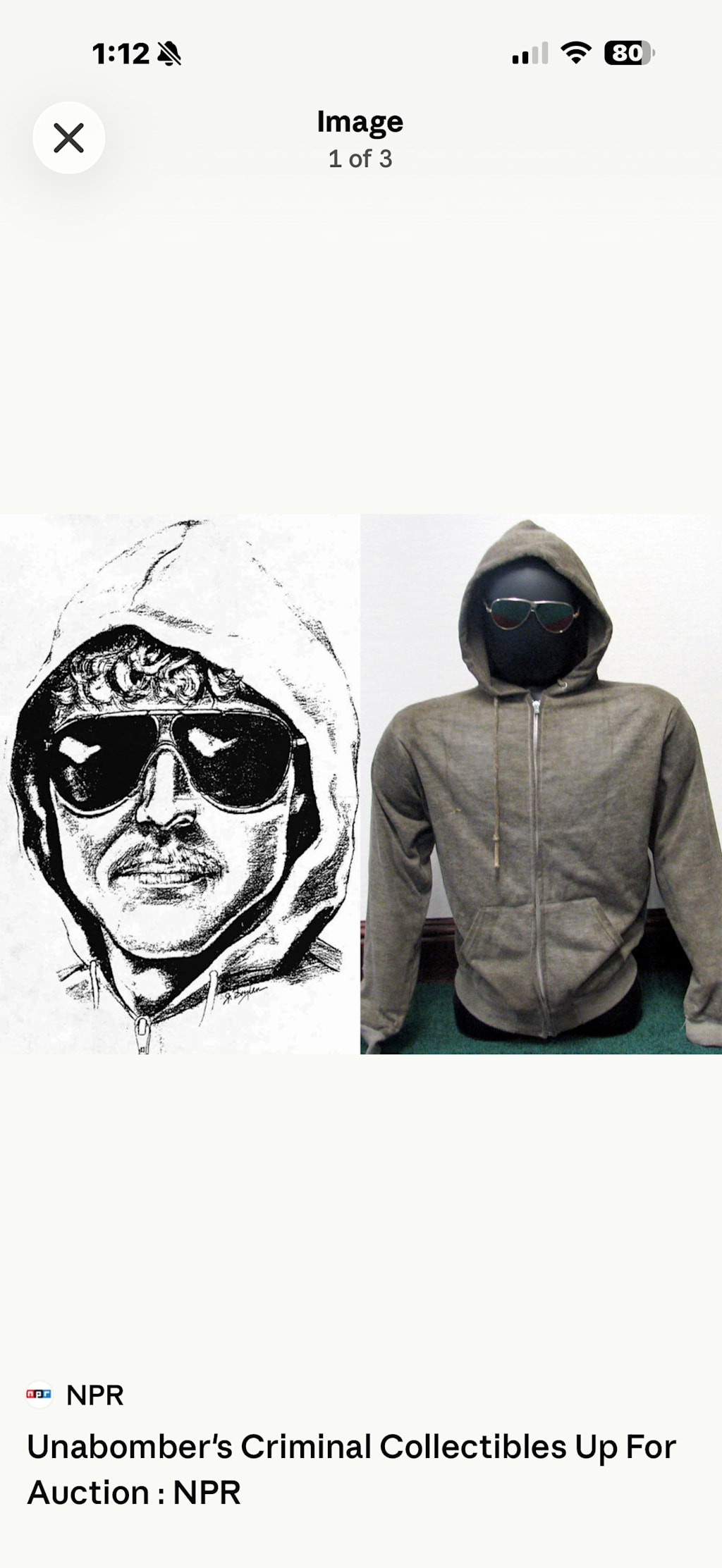
In 1987, an employee at a computer store in Salt Lake City saw a man leaving something near the shop. She described him as wearing a hooded sweatshirt and dark sunglasses, and from her description came the composite sketch that became the face of the case for years. Yet the sketch led nowhere. The bomber was meticulous: he left no fingerprints and no hairs, and he even planted misleading clues to send investigators in the wrong direction.
The case stayed cold until 1995, when the bomber changed his approach. He wrote to newspapers offering a deal: he would stop bombing if his long essay was published. The text, called "Industrial Society and Its Future," ran to about 35,000 words and argued that modern technology was stripping people of their freedom. After a heated debate and pressure from authorities, The Washington Post and The New York Times published it in September 1995, hoping that someone would recognize the voice.
Someone did, in the most painful way imaginable. In a small house in upstate New York, Linda Patrik read the essay and told her husband, David Kaczynski, that the writing sounded like his older brother, Ted. David resisted the idea at first. Ted was a brilliant mathematician who had earned his doctorate in his twenties and become one of the youngest assistant professors ever hired at the University of California, Berkeley, before resigning and moving to a tiny cabin in the mountains of Montana, with no electricity and no running water. But the doubt kept growing. When David compared his brother's old letters with the published text, he found the same phrases and ideas.
David did the hardest thing a brother can do. In early 1996, through an attorney and a private investigator, he contacted the FBI. Around the same time, a forensic linguist working for the Bureau compared the essay's style with Ted's writings, and the results pointed to the same man.
On April 3, 1996, agents surrounded the cabin in Montana. Ted Kaczynski came out in ragged clothes and long, unkempt hair, and was arrested without resistance. Inside the cabin, agents found a live bomb, an old typewriter that matched the essay, and thousands of pages of handwritten journals describing the attacks in detail.
The case could have ended with a death sentence, but in January 1998 Kaczynski pleaded guilty under an agreement that spared him the death penalty. He was sentenced to life in prison without the possibility of parole, and he died in federal custody in 2023.
In the end, a case that had consumed the FBI for nearly two decades was solved by an unlikely combination of a wife's instinct, a brother's painful courage, and careful linguistic analysis.
About the Creator
Enjoyed the story? Support the Creator.
Subscribe for free to receive all their stories in your feed.
Comments
There are no comments for this story
Be the first to respond and start the conversation.