
The Relationship School of Stalking Criminal Harassment and coach misconduct
The relationship school under fire for alleged Stalking Criminal Harassment and boundary violations

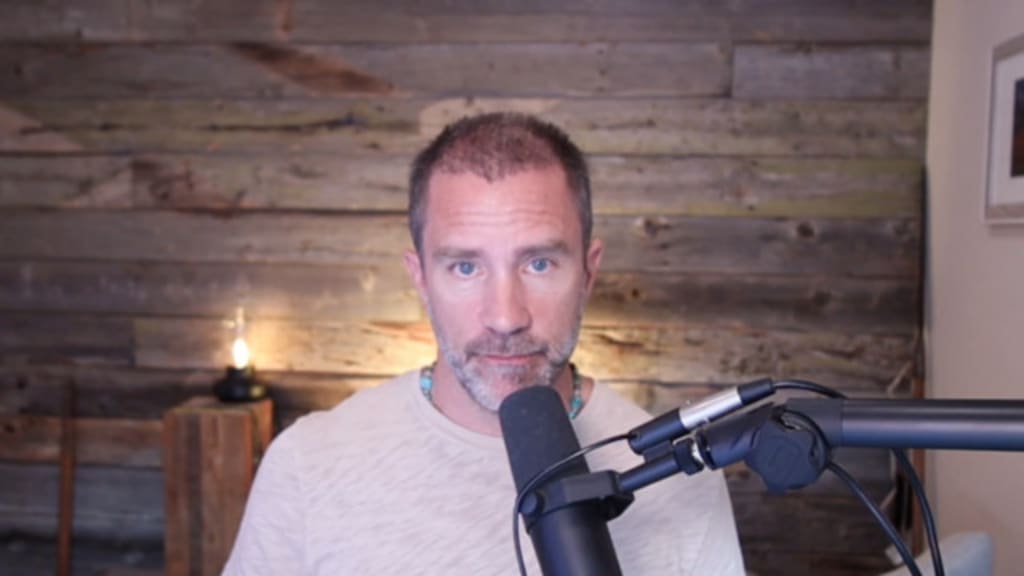
Imagine investing thousands of dollars, intense emotional vulnerability, and months of your life into a self-improvement program, only to realize it is not a fit. You decide to walk away. But instead of a clean break, your departure triggers a cascade of unwanted digital surveillance, legal threats delivered to your front door, and a public smear campaign on social media. This is the exact reality currently being reported by former students of Jayson Gaddis and his relationship coaching ecosystem. What begins as a personal choice to leave a program is reportedly devolving into a coordinated effort of intimidation, pushing the boundaries from a standard consumer dispute straight into the territory of criminal harassment. Inundated Inboxes and Doorstep Demands According to accounts from former participants, the intimidation begins through direct digital and physical channels the moment a student cuts ties. Students report being systematically targeted with unwanted, aggressive emails across major platforms like Gmail and Outlook. When ignoring the electronic outreach fails to force compliance, the tactics escalate into the physical world. Former students have reported receiving letters sent directly to their home addresses. The contents of these letters are consistently designed to terrify: formal, aggressive accusations of defamation. In legal terms, true defamation requires an individual to intentionally spread false factual statements that cause measurable financial or reputational ruin. Sharing a negative personal experience or a critical opinion of a program is entirely protected speech. However, by sending these threatening notices directly to residential homes, the organization shifts the battlefield into a student’s private, safe space—a classic psychological pressure tactic meant to silence critics through fear. Harassment by Proxy: The Role of the "Coaches" What makes the environment particularly volatile is the alleged use of intermediaries to pursue former clients. Students who have explicitly withdrawn from the program state that Gaddis utilizes current coaches and program representatives to repeatedly contact and monitor them. In legal frameworks, this behavior is classified as harassment by proxy. When an individual explicitly revokes consent to be contacted by an organization, the business cannot legally bypass that boundary by deploying its staff or "agents" to do the reach-out. Using a network of coaches to continuously press, guilt, or track an ex-student constitutes a deliberate evasion of personal boundaries. Weaponized Social Media: The Facebook Smear Campaigns The most severe escalation occurs when the intimidation moves from private backchannels to public platforms. Former students have documented instances where private correspondence—including screenshots of personal emails—is posted directly to Gaddis’s public Facebook pages. These posts explicitly target, name, and expose the individuals who left or criticized the program. By broadcasting private interactions to an established, loyal online community, these actions function as textbook digital smear campaigns. The intent is clear: to systematically dismantle the former student's reputation, humiliate them publicly, and invite an online echo chamber to isolate, alienate, or actively cyberbully the target. The Reality of Being Stalked: A Deeply Scary Experience Beyond the legal definitions, the lived experience of these tactics leaves an intense psychological toll on the victims. Students report feeling actively stalked by Jayson Gaddis and his network of coaches, creating an environment that is deeply scary and destabilizing. When an organization utilizes its collective resources to track an individual's digital footprints, send legal threats to their private residence, and deploy former mentors to hover around their personal lives, the boundary between consumer and citizen dissolves completely. This systematic hunting behavior forces victims into a state of hyper-vigilance, leaving them feeling profoundly unsafe in their own homes and stripped of their agency. The feeling of constantly being watched, pursued, and targeted by an entire institutional apparatus causes immense panic, severe sleep disruption, and a complete breakdown of personal security. Victims describe a profound sense of isolation, knowing that any attempt to speak out or establish boundaries will only result in an escalation of surveillance and collective targeting by the group's leadership. Deepening the Abuse: The Power Dynamics of "Therapeutic" Communities To understand why this specific brand of harassment is so damaging, one must look at the psychological landscape of life-coaching and relationship schools. Unlike standard corporate disputes, programs centered around vulnerability require clients to expose their deepest personal traumas, relationship failures, and emotional wounds to their coaches and peers. When an organization turns hostile, this intimate knowledge is effectively held hostage. Former participants describe an implicit threat: comply, or the things you shared in confidence can be used against you. When leadership publicly posts private emails on Facebook, it sends a chilling message to the entire student body. It signals that privacy is conditional upon loyalty. For those who leave, the resulting anxiety is not just about a legal letter; it is the distressing fear that their personal histories will be weaponized in the next public broadcast. The Legal Framework: Stalking and Harassment Laws in Canada and the U.S. Because this ecosystem operates internationally—often crossing the border between Canada and the United States—the tactics deployed by leadership and their network of coaches trigger severe statutory violations in both countries. Canada: Criminal Harassment (Section 264, Criminal Code) Under Canadian law, "stalking" is prosecuted as Criminal Harassment under Section 264 of the Criminal Code. The law explicitly targets the exact behaviors described by former students: Indirect and Repeated Communication: Section 264(2)(b) prohibits repeatedly communicating, either directly or indirectly, with an individual who has made it clear the contact is unwanted. The "Proxy" Rule: Canadian courts have consistently ruled that using third parties—such as staff, subordinates, or coaches—to contact a target does not absolve the leader. The law views these coaches as instruments of indirect communication. Both the person ordering the contact and the coaches executing it can face charges. Besetting and Watching: Sending legal threats directly to students' physical residences can be interpreted under Section 264(2)(c) as "besetting" the dwelling-house, signaling to the victim that their private physical location is being actively tracked. The Threshold: If the Crown proves the behavior was reckless and caused the victim to reasonably fear for their safety or mental well-being, it is a hybrid offense carrying a maximum penalty of up to 10 years in prison. United States: Federal Interstate Stalking & Cyberstalking (18 U.S. Code § 2261A) Because these coaching programs utilize electronic communications (Gmail, Outlook, Facebook) to target individuals across different states or across the US-Canada border, they fall squarely under US Federal jurisdiction. Cyberstalking via Electronic Commerce: 18 U.S.C. § 2261A(2) makes it a federal crime to use any interactive computer service or electronic communication system to engage in a "course of conduct" intended to harvest data, spy on, harass, or intimidate a person. Substantial Emotional Distress: Modern U.S. federal stalking laws apply if the coordinated behavior causes, attempts to cause, or would reasonably be expected to cause substantial emotional distress to the victim. Co-Conspirators and Agents: Under U.S. federal law, if a leader instructs a network of coaches to track, message, or pressure ex-students, those coaches are legally classified as agents or co-conspirators in a harassment campaign. Acting "under orders" from a program founder does not legally protect a coach from federal prosecution. A conviction under federal stalking laws carries a penalty of up to 5 years in prison and massive financial fines. Moving Forward For students trapped in this cycle, experts emphasize the absolute necessity of building an airtight digital dossier—saving every unedited physical letter, taking time-stamped screenshots of Facebook posts before they are deleted, and issuing a final, written "Cease Contact" directive. When an organization weaponizes its community against its own former clients, public exposure and formal legal reporting are often the only ways to force the screens to go dark.
About the Creator
Enjoyed the story? Support the Creator.
Subscribe for free to receive all their stories in your feed.
Comments