
The Murder at the Vicarage Ending Explained: Why Did Two Killers Confess to One Murder? (Spoilers)
Miss Marple uncovers the clever truth behind Colonel Protheroe’s murder, two suspicious confessions, a false timeline, and a deadly plan designed to fool everyone.

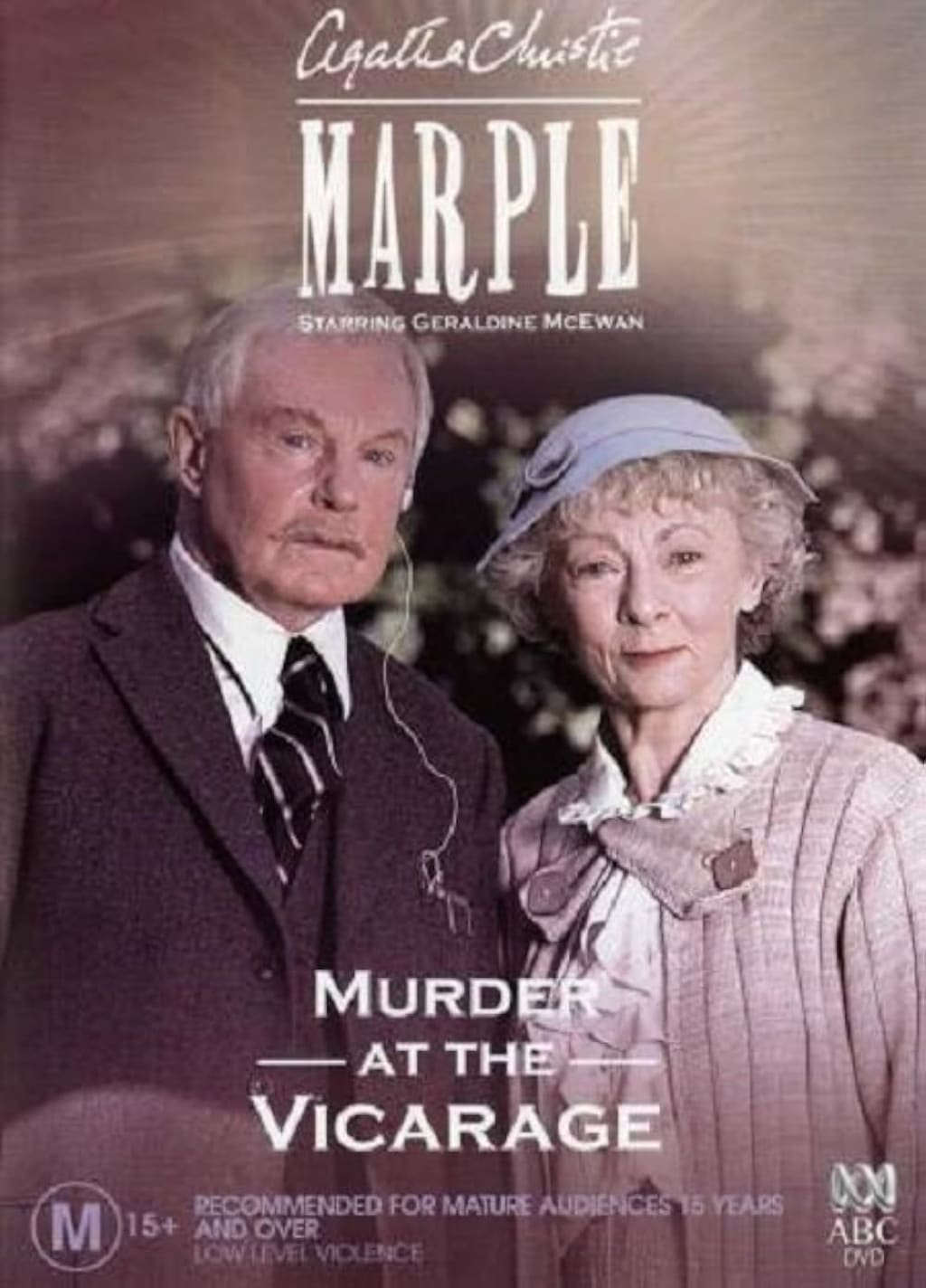
Spoiler Warning: This article reveals the complete story, killers, major twists, and ending of The Murder at the Vicarage.
Agatha Christie’s The Murder at the Vicarage turns a seemingly peaceful English village into the scene of an unusually complicated crime. Colonel Lucius Protheroe, a wealthy magistrate and landowner disliked by almost everyone around him, is found shot dead inside the vicar’s study.
What makes the case extraordinary is not the shortage of suspects. It is the fact that two different people confess to the same murder.
So why would two people admit to killing Colonel Protheroe? And were either of them actually telling the truth?
Who Killed Colonel Protheroe?
Colonel Protheroe is found dead after arranging to meet Reverend Leonard Clement at the vicarage. The Reverend, however, is called away because of a false emergency, conveniently leaving the house at exactly the right moment for the murder to take place.
Suspicion quickly falls on several villagers because Protheroe had made plenty of enemies.
Among the most important are his unhappy wife Anne Protheroe and young artist Lawrence Redding, who are secretly in love with each other.
Then Lawrence shocks everyone by confessing to the murder.
But soon afterward, Anne also claims that she killed her husband.
At first, it appears that each lover is trying to sacrifice themselves to protect the other.
That assumption is exactly what makes their plan so clever.
Why Did Lawrence and Anne Both Confess?
Miss Marple eventually recognizes that the confessions are not proof of innocence.
They are part of the deception.
Both Lawrence and Anne are actually involved in Colonel Protheroe’s death. However, each confession contains deliberate errors. Those mistakes make investigators believe that the person confessing could not have committed the crime exactly as described.
Their confessions therefore create the illusion that each lover is desperately trying to protect the other.
In reality, they are protecting themselves as a team.
It is one of the story’s smartest twists: the killers do not avoid suspicion. Instead, they deliberately attract it in a controlled way.
The Murder Plan Explained
Lawrence and Anne carefully manipulate the timeline surrounding Protheroe’s death.
Lawrence arranges for his pistol to be available at the vicarage and helps create confusion about when the fatal gunshot was actually heard. A second explosive sound is used to make witnesses believe the murder happened later than it really did.
The Reverend is also deliberately sent away through a false telephone call.
Anne then retrieves the weapon and shoots her husband.
Lawrence later enters the scene, removes evidence that could reveal what really happened and leaves misleading information designed to establish an incorrect time of death.
The entire plan depends on one thing: making witnesses trust the wrong timeline.
How Does Miss Marple Discover the Truth?
Inspector Slack focuses heavily on physical evidence and conventional suspects.
Miss Marple looks at something different—human behavior.
She notices small details that others dismiss.
The movements of Anne and Lawrence, inconsistencies in their statements, the questionable timing of the gunshot and the strange circumstances surrounding the confessions gradually reveal that the obvious interpretation cannot be correct.
Miss Marple realizes that instead of asking, “Which confession is true?” investigators should be asking:
What if both confessors are lying—and both are guilty?
Her understanding of how people behave ultimately becomes more valuable than the killers’ complicated attempt to manipulate physical evidence.
What Happened to Hawes?
Another important part of the killers’ plan involves Reverend Clement’s curate, Hawes.
A genuine note written by Colonel Protheroe contains information connecting Hawes to missing church money.
Lawrence attempts to use this evidence to frame Hawes. Hawes is drugged, and the incriminating note is positioned so that it appears his guilt may have driven him toward suicide.
But Hawes survives.
That removes another layer of protection around Lawrence and Anne’s plan and helps Miss Marple move closer to the truth.
The Murder at the Vicarage Ending Explained
In the end, Miss Marple exposes Lawrence Redding and Anne Protheroe as the conspirators behind Colonel Protheroe’s murder.
Anne carried out the shooting, while Lawrence helped engineer the circumstances, manipulate the evidence and create the false timeline.
Their greatest trick was making their own confessions appear too obviously false.
Instead of trying to look innocent, they made themselves appear like tragic lovers willing to confess for each other.
Miss Marple sees through the performance.
A trap is eventually arranged that causes Lawrence to incriminate himself, and the conspiracy collapses.
What Does the Ending Really Mean?
The most fascinating idea behind The Murder at the Vicarage is that telling part of the truth can sometimes be more deceptive than telling a complete lie.
Lawrence and Anne really are connected to the murder.
They really do confess.
But because their confessions contain carefully constructed false details, investigators initially treat the statements as evidence that they must be innocent.
Miss Marple wins because she refuses to accept appearances at face value.
That is what makes the ending so satisfying: the solution was hiding openly in front of everyone from almost the beginning.
About the Creator
parwinder singh
🎬 Movie & Entertainment Writer sharing reviews, ending explanations, story breakdowns, plot twists and hidden details from Bollywood, Hollywood, South Indian cinema, Korean dramas and OTT releases.
Enjoyed the story? Support the Creator.
Subscribe for free to receive all their stories in your feed.
Comments
There are no comments for this story
Be the first to respond and start the conversation.