
The Death That Still Haunts America: The Jeffrey Epstein Case — Truth or an Unfinished Mystery?
Jeffrey Epstein’s death in federal custody was officially ruled a suicide, but suspicious circumstances, security failures, and his connections to powerful figures continue to fuel one of the most controversial and debated mysteries in modern history.

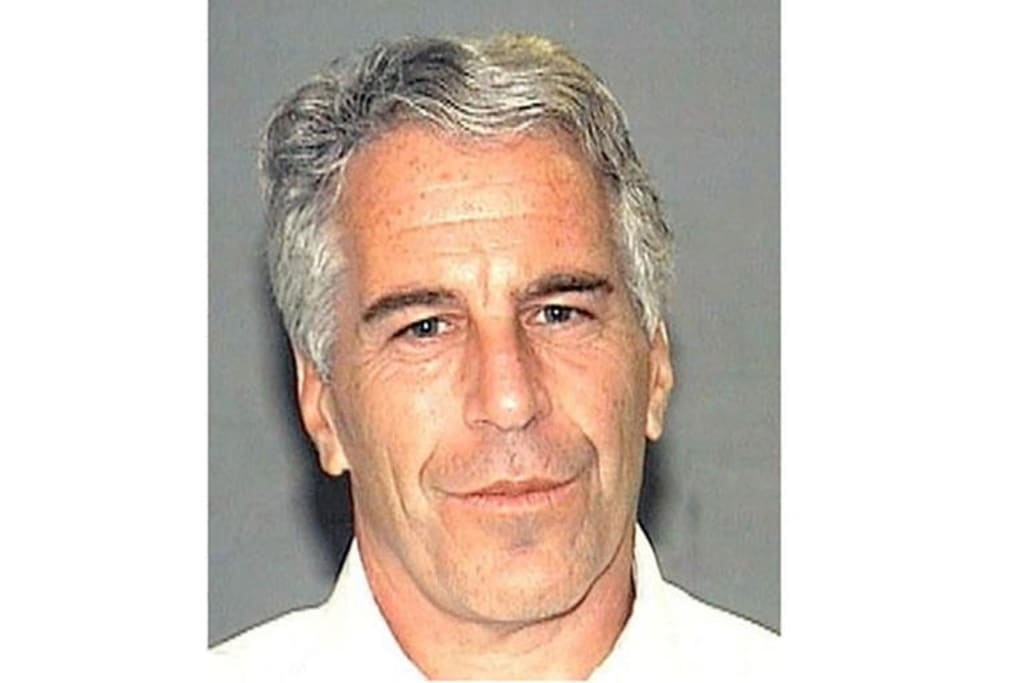
In America, few deaths have sparked as much controversy, confusion, and suspicion as the death of Jeffrey Epstein.
For some, the story ended in August 2019 when officials declared that Epstein — a wealthy financier facing federal sex trafficking charges — died by suicide inside a New York jail cell. But for millions of others, that explanation never fully answered the questions.
How could one of the most closely watched prisoners in America die inside a maximum-security facility? Why were guards reportedly asleep? What happened to surveillance footage? And why did so many powerful names connected to Epstein suddenly become part of a mystery that still refuses to disappear?
Years later, the case continues to haunt public conversations, fuel online theories, and inspire endless debates. Even comedians like Norm Macdonald openly joked about the suspicious circumstances, adding more attention to an already explosive story.
But what actually happened?
To understand why people still question Epstein’s death, we have to go back to the beginning.
The Man at the Center of the Scandal
Jeffrey Epstein was not an ordinary criminal.
For years, he moved through elite circles filled with billionaires, politicians, royalty, and celebrities. He was known for hosting influential people at his private properties while maintaining an image of wealth and secrecy.
However, behind the luxury lifestyle was something much darker.
In 2019, Epstein was arrested on federal sex trafficking charges involving underage girls. Prosecutors accused him of operating a disturbing network that exploited vulnerable victims for years.
The case immediately became one of the biggest criminal investigations in America.
People wanted answers.
Who else was involved?
Which powerful people knew what was happening?
Would Epstein finally reveal secrets that could damage famous and influential figures?
Those questions only made what happened next even more shocking.
The Night Everything Changed
On August 10, 2019, Jeffrey Epstein was found unresponsive in his jail cell at the Metropolitan Correctional Center in Manhattan.
He was later pronounced dead.
Authorities eventually ruled his death a suicide by hanging.
At first glance, the case seemed closed.
But almost immediately, doubts began to emerge.
This was not an ordinary inmate.
Epstein was considered one of the highest-profile prisoners in America. He was reportedly at risk due to both the seriousness of the charges and the massive public attention surrounding his case.
Yet somehow, according to reports, multiple failures occurred on the very night he died.
And that is where the controversy truly began.
The Strange Circumstances That Fueled Doubt
One of the biggest reasons people continue to question Epstein’s death is the number of unusual details surrounding it.
Reports suggested that the guards assigned to watch Epstein had allegedly fallen asleep and later failed to properly check on him.
Some reports also stated that required monitoring procedures were not followed.
Even more troubling for many people was the issue surrounding surveillance cameras.
Public confusion quickly spread after reports emerged about problems involving jail footage near Epstein’s cell area. Missing recordings and technical issues became major talking points online.
For many Americans, these details sounded too strange to ignore.
Critics argued that too many mistakes had happened at once.
Supporters of the official explanation argued that severe incompetence inside prisons is unfortunately not uncommon.
Still, the timing and circumstances left people deeply suspicious.
Suicide or Something More?
The official ruling from medical authorities concluded that Epstein died by suicide.
However, not everyone agreed.
Some medical experts publicly questioned aspects of the injuries reported after his death, which added fuel to public speculation.
At the same time, conspiracy theories exploded online.
Many believed Epstein possessed dangerous information about powerful people and that he may have become a threat before standing trial.
Others suspected corruption or outside involvement.
But there is an important distinction to make: suspicion is not proof.
Despite years of theories, no publicly verified evidence has proven that Epstein was murdered.
That reality creates the central mystery of the case.
The official story exists.
Public doubt exists too.
And somewhere between those two realities lies the reason the debate continues.
Why Americans Found the Story Hard to Believe
The Epstein case arrived during a time when public trust in institutions was already weak.
Many Americans had grown skeptical of government agencies, criminal investigations, and elite power structures.
Then came a story involving:
wealthy elites
secretive relationships
criminal accusations
potential blackmail rumors
a powerful prisoner dying before trial
To many people, it sounded less like reality and more like a movie script.
The fact that Epstein died before testifying in court meant countless questions were never answered.
Victims wanted justice.
Investigators wanted information.
The public wanted names.
Instead, the central figure in the investigation was suddenly gone.
That absence created a vacuum — and speculation rushed in to fill it.
The Internet Turns Epstein Into a Cultural Obsession
After Epstein’s death, social media exploded.
Memes, debates, documentaries, podcasts, and endless online discussions transformed the case into one of the biggest mysteries of modern America.
A phrase quickly spread across the internet:
“Epstein didn’t kill himself.”
People repeated it everywhere — in interviews, jokes, comment sections, and even unrelated conversations.
For some, it was a serious accusation.
For others, it became a symbol of distrust toward powerful institutions.
The phrase reflected something larger than Epstein himself: a growing feeling that powerful people often avoid consequences.
Whether true or not, that belief helped keep the story alive.
Norm Macdonald’s Fearless Reactions
Among public figures, few spoke about Epstein in the way comedian Norm Macdonald did.
Known for his fearless humor and refusal to avoid controversial topics, Macdonald openly joked about Epstein’s death and the strange circumstances surrounding it.
His comments often focused on the suspicious timing and the idea that Epstein’s powerful connections raised uncomfortable questions.
Because Norm had a reputation for blunt honesty, many people shared his jokes online.
For some fans, his humor said what others were afraid to say.
For critics, jokes risked turning a serious tragedy into entertainment.
Still, Macdonald’s reactions became some of the most remembered celebrity responses to the scandal.
Years later, clips and quotes connected to his Epstein commentary continue to circulate online.
Why the Questions Refuse to Disappear
Most major news stories fade away.
The Epstein story never truly did.
Why?
Because it contains everything that creates lasting mystery:
power, secrecy, crime, wealth, unanswered questions, and public distrust.
Many people feel justice was interrupted.
Victims never got to hear full testimony.
The public never got complete answers.
And perhaps most importantly, the man at the center of the scandal died before revealing what he may have known.
Even today, documentaries and investigations continue revisiting the case.
People still debate the same question:
Did America receive the full truth?
Or is there something deeper that remains hidden?
The Reality of an Unfinished Story
In the end, Jeffrey Epstein’s death remains one of America’s most controversial modern cases.
The official ruling says suicide.
Millions remain unconvinced.
What makes the story so powerful is not simply the mystery itself — it is the feeling that something important may have been lost forever.
Without a trial, countless questions remain unanswered.
Without complete closure, theories continue growing.
And without trust, suspicion survives.
Perhaps that is why the story still haunts America.
Not because everyone agrees on what happened.
But because so many people believe they never got the full picture.
About the Creator
Mohib Ullah
I write about crime, justice, and political affairs, focusing on real cases and current events. My goal is to deliver clear, research-based content that informs readers about law, society, and government systems.
Enjoyed the story? Support the Creator.
Subscribe for free to receive all their stories in your feed.
Comments
There are no comments for this story
Be the first to respond and start the conversation.