
Policy Limit Search in Injury & Insurance Claims
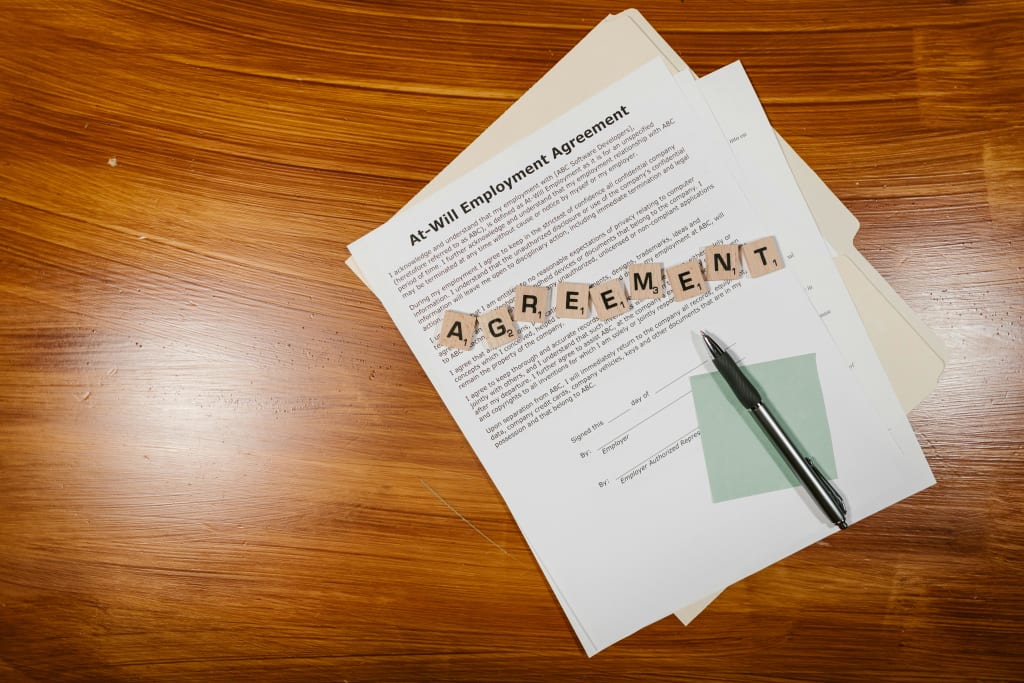
When dealing with personal injury claims, car accidents, or any situation involving liability, one of the most critical pieces of information is the insurance legal support of the at-fault party. This is where a legal policy comes into play. Understanding how to search for legal supports and effectively can significantly impact the outcome of a claim, especially when large sums are at stake.
What is a Legal Policy Limit Search?
A legal policy is the process of discovering the maximum amount of money an insurance policy will pay in the event of a claim or lawsuit. These limits are set by the insurance provider and can vary based on the type of coverage—whether it’s auto, home, business, or health insurance.
For example, in an auto accident case, if the at-fault driver has a liability policy with a $25,000 limit per person and $50,000 per accident, that’s the maximum the insurance company will pay out—regardless of how severe the injuries may be.
Why Is It Important to Conduct a Policy Limit Search?
In legal matters, knowing the insurance coverage available is essential for several reasons:
Determining Claim Value: Knowing the maximum payout available helps lawyers and victims decide whether pursuing the case is financially worthwhile.
Effective Negotiations: Settlements become more efficient when both parties understand the insurance limitations.
Strategic Legal Planning: If legal support are low, plaintiffs may explore other sources of compensation or pursue the defendant personally.
Saving Time and Money: A legal policy prevents unnecessary legal battles when the available compensation doesn't justify court proceedings.
How to Conduct a Legal Policy Limit Search?
There are multiple legal methods to perform a legal policy search:
Request Directly from the Insurance Company: In many cases, especially in serious injury claims, attorneys can request policy details. Some states legally require insurers to disclose limits when requested in writing.
Use the Discovery Process: During litigation, courts often allow or require insurance information to be shared.
Hire a Legal Investigator: Professionals in legal research can help obtain this information using public records and lawful investigative techniques.
Send a Demand Letter: This legal document, often used in pre-litigation, may request the legal support as part of the negotiation process.
Legal Challenges and Considerations
The ability to access this information depends on state laws. Some U.S. states have strict rules protecting this information, while others allow more transparency in insurance matters. It’s vital to know your jurisdiction’s regulations or work with a legal expert familiar with local rules.
Also, ethical considerations must be taken into account—policy limit searches must always be conducted lawfully, respecting privacy and insurance protocols.
Conclusion
A legal policy limit search is not just a routine step in legal and insurance cases—it’s a powerful strategic move. Whether you're an attorney, a victim, or part of a legal investigation team, understanding how to access insurance limits can help you plan your next move, secure a fair settlement, and avoid wasted resources.
In a world where every claim matters, knowledge of insurance boundaries gives you the upper hand—and it all starts with the right search.
About the Creator
Enjoyed the story? Support the Creator.
Subscribe for free to receive all their stories in your feed.
Comments
There are no comments for this story
Be the first to respond and start the conversation.