
Luigi Mangione admits killing healthcare boss as victim's family condemn 'heinous act
Luigi Mangione pleaded guilty in federal court after admitting that he shot UnitedHealthcare executive Brian Thompson, bringing a major development in a case that has generated intense debate about violence, healthcare and justice.
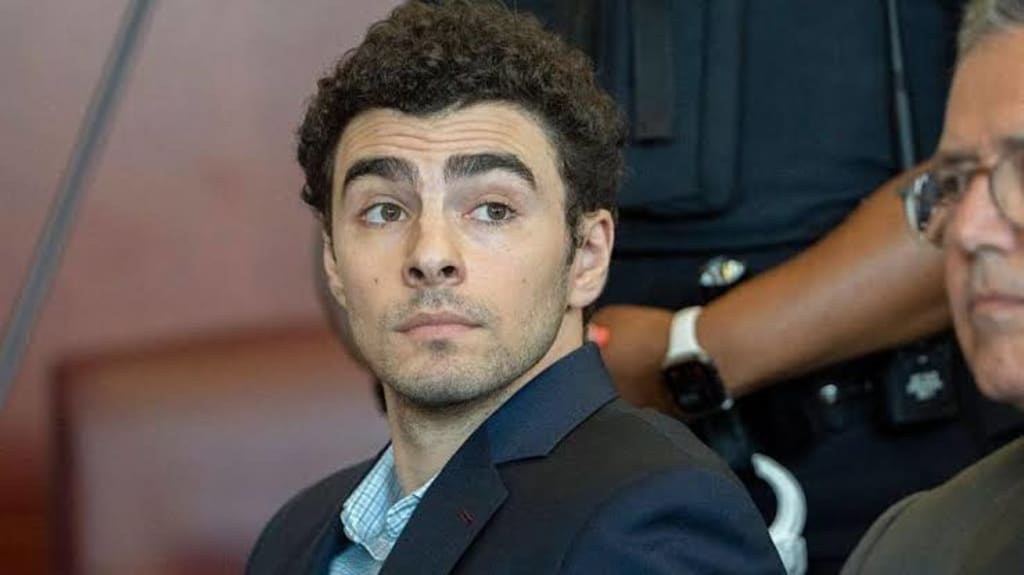
Luigi Mangione Admits Killing Healthcare Executive as Brian Thompson’s Family Condemns “Heinous Act”
Subtitle: Luigi Mangione pleaded guilty in federal court after admitting that he shot UnitedHealthcare executive Brian Thompson, bringing a major development in a case that has generated intense debate about violence, healthcare and justice.
Luigi Mangione has admitted in a New York federal courtroom that he killed UnitedHealthcare executive Brian Thompson, ending one of the most closely watched criminal cases in the United States with a dramatic guilty plea.
Mangione, 28, pleaded guilty on August 14, 2026, to federal charges involving stalking Thompson with the intent to kill him. During the hearing, he acknowledged that he shot Thompson in Manhattan in December 2024 and that Thompson died. The federal charges do not constitute a separate federal murder conviction, but the guilty plea represents a major change from Mangione's previous position in the case.
Thompson's family welcomed the development while strongly condemning the killing. Relatives described the crime as a “heinous act” and said the guilty plea represented an important step toward justice for the executive and his family.
Guilty Plea Changes the Course of the Case
Mangione had previously pleaded not guilty to charges connected with Thompson's death. His decision to admit responsibility in federal court means there will no longer be a federal trial on the charges to which he pleaded guilty.
Federal prosecutors said they will seek a sentence of life imprisonment. U.S. District Judge Margaret Garnett told Mangione that the federal charges could carry a maximum sentence of life in prison. His federal sentencing is scheduled for December 18, 2026.
The guilty plea also creates important legal consequences for the separate case against Mangione in New York state court. He continues to face a state murder charge, and his lawyers have sought to have that case dismissed under double-jeopardy arguments. The state prosecution has indicated that it intends to continue pursuing the case.
The Death of Brian Thompson
Brian Thompson was the chief executive of UnitedHealthcare, the insurance division of UnitedHealth Group. He was fatally shot in Manhattan on December 4, 2024, while traveling to an investor conference.
The killing immediately generated national attention. Authorities launched a large-scale investigation and manhunt, eventually arresting Mangione in Pennsylvania five days after the shooting.
The case became especially controversial because of Mangione's stated anger toward the American healthcare system. Prosecutors said he had targeted Thompson and tracked his movements before the attack. In court, Mangione described personal experiences involving his health and expressed grievances about the healthcare system.
Despite the broader debate about healthcare costs and insurance practices, officials and Thompson's family have emphasized that frustration with an institution or industry cannot justify murdering an individual.
Family Calls for Justice
For Thompson's relatives, the case has always been about the loss of a husband, father and family member rather than the wider political arguments that emerged after his death.
The family has expressed relief that the federal case has moved toward resolution and has called for a punishment that reflects the seriousness of the crime. Their response underscores the personal consequences behind a case that has frequently been discussed through the lens of American healthcare policy.
The family's condemnation is significant because the killing produced unusually polarized public reactions. While many Americans condemned the violence, some online communities expressed sympathy for Mangione or used the case to criticize health insurance companies.
Authorities have repeatedly warned against treating violence as an acceptable form of political or social protest.
Healthcare Debate Complicated the Case
The killing sparked a wider national discussion about the U.S. healthcare system, including insurance costs, coverage decisions, medical debt and disputes over denied claims.
Mangione's alleged motivations became a major part of the public conversation, but they should be distinguished from the criminal allegations and evidence presented in court.
The healthcare debate existed independently of Thompson's death, and the killing did not resolve those policy disagreements. Instead, it placed them at the center of an emotionally charged criminal case.
The controversy demonstrated how economic and social frustrations can become intertwined with individual criminal proceedings, particularly when a victim is a senior executive at a major corporation.
Questions About the State Case
Although Mangione's federal guilty plea is a major development, it does not automatically end every legal proceeding against him.
The New York state murder case remains significant. His defense team has argued that continuing the state prosecution after the federal case could violate constitutional protections against being tried twice for the same conduct. Prosecutors dispute that interpretation and maintain that the state case addresses separate legal interests.
The issue could therefore become the subject of further court arguments, appeals and legal decisions.
This means the December federal sentencing date may not mark the final chapter of the broader criminal proceedings.
Why the Case Has Attracted Global Attention
The Mangione case has become much larger than an ordinary homicide prosecution because it combines several highly sensitive subjects: corporate power, healthcare costs, political frustration, social media culture and criminal justice.
The victim's position as a healthcare executive made the killing particularly symbolic to some members of the public. At the same time, the family's suffering and the deliberate nature of the crime have led many officials to emphasize that violence against individuals cannot be justified by dissatisfaction with an industry.
The case also demonstrates the extraordinary influence of social media. Reactions spread internationally within hours of major developments, producing both condemnation and controversial expressions of support.
A Case Still Far From Over
Mangione's admission provides an important measure of clarity regarding the federal proceedings, but several legal questions remain unresolved.
His federal sentencing will take place in December, while the separate state murder case remains contested. The outcome of the defense's legal challenge could determine whether Mangione faces another trial in New York.
For Thompson's family, however, the central issue remains straightforward: their loved one was killed, and they want accountability.
The guilty plea represents a significant milestone in a case that has dominated American headlines for nearly two years. It also offers a reminder that public debates about healthcare, corporate responsibility and government policy can never erase the human consequences of violence.
As the legal process continues, attention will now shift toward Mangione's sentencing and the future of the New York state prosecution. Whatever happens next, the death of Brian Thompson will remain a deeply consequential case in the continuing American debate over healthcare, justice and the limits of protest.
About the Creator
Enjoyed the story? Support the Creator.
Subscribe for free to receive all their stories in your feed.
Comments
There are no comments for this story
Be the first to respond and start the conversation.