
Is your mobile phone spying on you?
Exploring the Risks and Realities of Mobile Phone Spying: What You Need to Know


Is your mobile phone spying on you? This is a question that has been asked by many people in recent years. With the rapid advances in technology and the increasing use of mobile phones in our daily lives, concerns have been raised about the possibility of these devices being used to track and monitor our activities without our knowledge or consent. In this blog post, we will explore the topic of mobile phone spying and examine the evidence for and against the idea that our phones are being used to spy on us.
One of the main concerns about mobile phone spying is the possibility of our devices being used to track our location. Many modern mobile phones come equipped with GPS technology, which can be used to determine our precise location at any given time. While this technology is useful for a variety of purposes, such as navigation and location-based services, it also raises concerns about privacy and surveillance. There have been instances where law enforcement agencies have used mobile phone tracking to monitor the movements of suspects, and this has led to concerns about the potential for abuse of this technology.
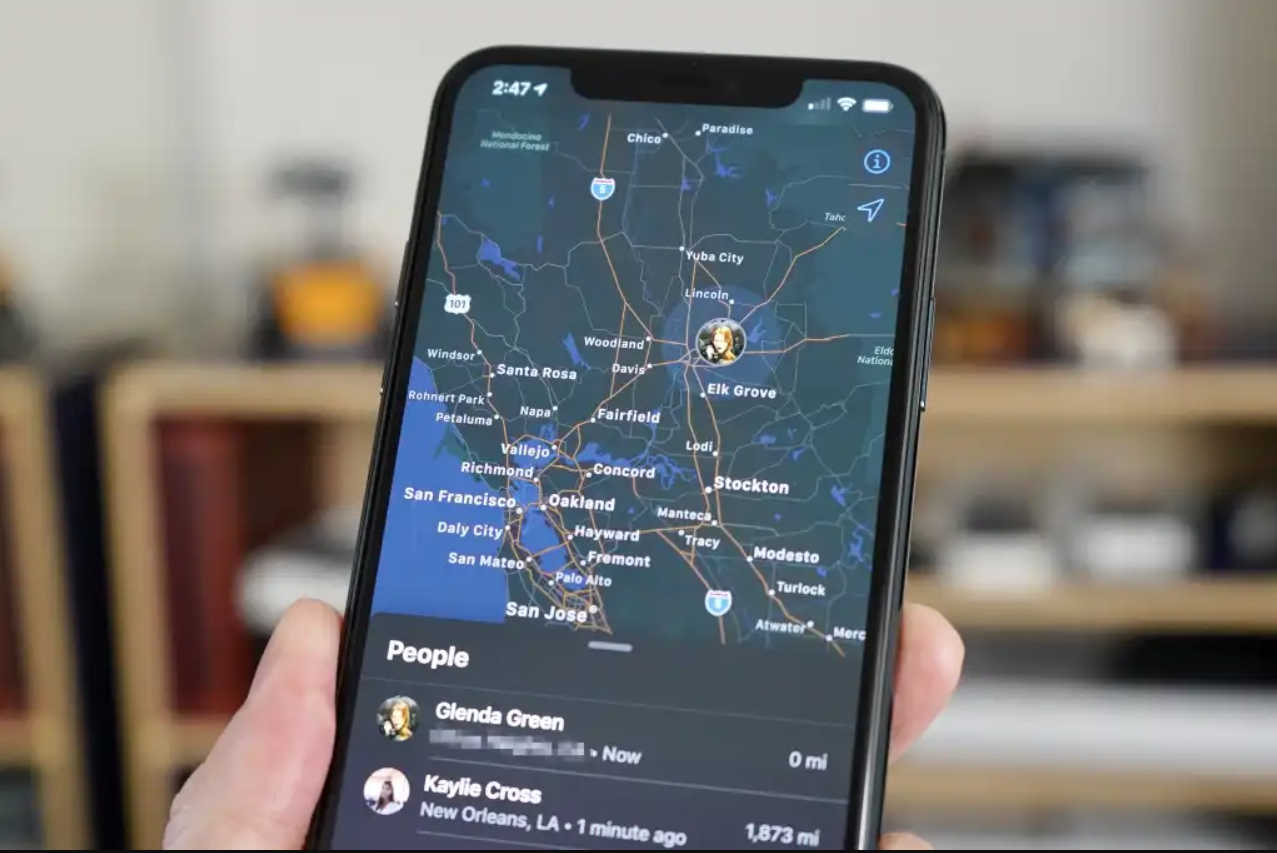
Another potential avenue for mobile phone spying is through the use of software that is installed on our devices without our knowledge or consent. This type of software is commonly referred to as spyware, and it can be used to track our location, monitor our calls and messages, and even access our photos and other personal data. While the use of spyware is illegal in many jurisdictions, there have been instances where it has been used by governments and other organizations to monitor the activities of individuals.
There are also concerns about the collection and use of personal data by mobile phone companies and app developers. Many apps require access to a range of data on our devices, such as our contacts, location, and browsing history. While this data is often used for legitimate purposes, such as improving the functionality of the app, there is a risk that it could be misused or shared with third parties without our knowledge or consent. This has led to calls for greater transparency and accountability around the collection and use of personal data by mobile phone companies and app developers.
Despite these concerns, there is also evidence to suggest that mobile phone spying may be less prevalent than some people fear. For example, most mobile phone manufacturers have implemented security features that make it difficult for third parties to install spyware or other malicious software on our devices without our knowledge or consent. Additionally, many mobile phone companies and app developers have implemented policies and practices that are designed to protect the privacy of their users.
Ultimately, the question of whether your mobile phone is spying on you is a complex and multifaceted one. While there are certainly risks associated with the use of these devices, there are also many benefits that make them an essential part of our daily lives. The key to protecting our privacy and security in the digital age is to be informed about the risks and take steps to minimize them. This includes being mindful of the apps and software that we install on our devices, being aware of our privacy settings, and taking steps to secure our devices against unauthorized access.
In conclusion, the topic of mobile phone spying is one that raises many concerns and questions. While there is evidence to suggest that our devices may be used to track and monitor our activities, there are also steps that we can take to protect our privacy and security. By staying informed and taking a proactive approach to our digital lives, we can enjoy the many benefits of mobile technology while minimizing the risks.
About the Creator
Enjoyed the story? Support the Creator.
Subscribe for free to receive all their stories in your feed.
Comments
There are no comments for this story
Be the first to respond and start the conversation.