
Iran Signals Harder Line as Tensions With U.S. Deepen
Failed talks, military warnings, and internal messaging point to shrinking appetite for diplomacy in Tehran

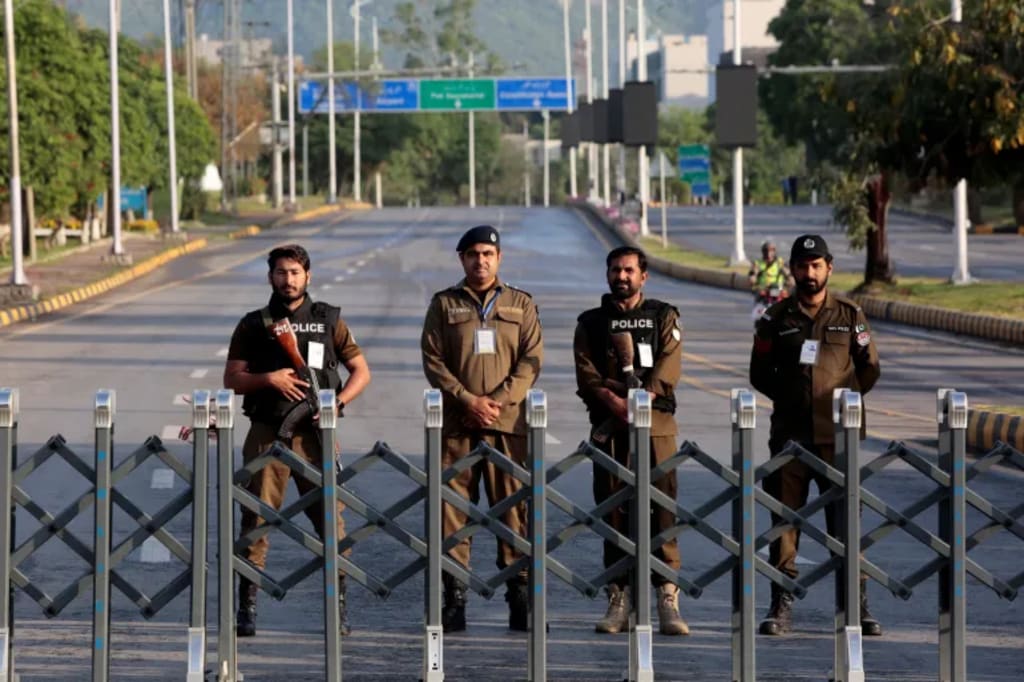
Iran’s leadership is signaling a tougher and more uncompromising stance toward the United States, as recent diplomatic efforts falter and tensions remain high following conflict in the region. Officials and state media increasingly suggest that Tehran is less willing than before to engage in negotiations—especially if talks extend beyond narrowly defined conditions set by Iranian authorities.
The shift became more apparent after a planned round of mediated discussions in Pakistan failed to materialize. Iran’s Foreign Minister, Abbas Araghchi, traveled to Islamabad over the weekend, where he met with senior Pakistani officials before continuing his diplomatic tour to Oman and Russia. Speaking cautiously, Araghchi said it was still unclear whether Washington was genuinely serious about pursuing diplomacy.
Expectations had been building for U.S. envoys, including Steve Witkoff and Jared Kushner, to participate in talks in Pakistan. However, Donald Trump abruptly cancelled the planned visit. In public remarks, Trump emphasized what he described as the United States’ strategic advantage, asserting that Washington held “all the cards” while dismissing Iran as internally divided.
Trump also placed the responsibility for restarting negotiations squarely on Tehran, stating that Iranian leaders could initiate talks if they chose. At the same time, he claimed—without presenting evidence—that Iran’s leadership was experiencing internal conflict and disorganization.
Inside Iran, officials have responded forcefully to those claims. A coordinated messaging campaign has emerged across multiple branches of government, including military, judicial, and political institutions. These statements, often strikingly similar in wording and presentation, emphasize unity and unwavering loyalty to Supreme Leader Mojtaba Khamenei.
State-affiliated outlets have gone further, asserting that tens of millions of Iranians have pledged readiness to sacrifice their lives in defense of the country. While such claims are difficult to independently verify, they form part of a broader narrative aimed at demonstrating national cohesion in the face of external pressure.
Military rhetoric has also intensified. The Islamic Revolutionary Guard Corps (IRGC) issued warnings that any continued U.S. military or economic pressure—particularly in strategic areas like the Strait of Hormuz—would provoke a decisive response. Iranian media has highlighted recent maritime actions, including the seizure of vessels, as evidence of the country’s ability to control critical waterways.
At the same time, authorities are working to maintain internal stability. Supporters of the government, including paramilitary groups, have been encouraged to participate in nightly rallies designed to reinforce unity and deter dissent. Public figures aligned with the state have used these gatherings to warn against political division, particularly during a time of heightened tension.
Despite official calls for unity, some internal political fault lines remain visible. Hardline voices continue to criticize moderate and reformist figures such as former President Hassan Rouhani and former Foreign Minister Mohammad Javad Zarif. Critics argue that past diplomatic efforts, including the 2015 nuclear agreement, weakened Iran’s position without delivering lasting benefits.
Judicial actions have also drawn attention, with authorities continuing to enforce strict measures against dissent. The execution of individuals linked to past protests has been framed by the government as necessary for maintaining national security, though such actions remain controversial internationally.
In parallel, state-linked media organizations have begun advocating against renewed negotiations with the United States altogether. Reports suggest that, even if talks were to resume, Iran would seek to limit discussions strictly to ending hostilities, excluding its nuclear program from the agenda. This marks a significant departure from earlier diplomatic frameworks.
Hardline politicians have echoed this موقف, arguing that entering negotiations under pressure from the U.S. and Israel would undermine Iran’s national interests. Meanwhile, Israeli officials, including Defense Minister Israel Katz, have adopted increasingly aggressive rhetoric, warning of severe consequences for Iran’s infrastructure if tensions escalate further.
Amid these geopolitical strains, Iran’s government is also preparing for the domestic impact of continued instability. President Masoud Pezeshkian has urged citizens to reduce energy consumption, citing damage to infrastructure and the risk of further disruptions. Officials warn that prolonged conflict could strain essential services, including electricity, transportation, and industrial production.
Despite these challenges, there are efforts to maintain a sense of normalcy. Limited international flights have resumed from Tehran, including those carrying pilgrims abroad, signaling that the الحكومة is attempting to balance crisis management with continuity of daily life.
Overall, the combination of stalled diplomacy, intensified rhetoric, and tightly coordinated internal messaging suggests that Iran is entering a period of reduced flexibility in its تعامل with the United States. Unless conditions change significantly, prospects for renewed negotiations appear uncertain, with both sides showing little urgency to return to the table.
About the Creator
Enjoyed the story? Support the Creator.
Subscribe for free to receive all their stories in your feed.
Comments
There are no comments for this story
Be the first to respond and start the conversation.