
Inside the Mind of a Psychopath.
What Ted Bundy Teaches Us About Hidden Monsters

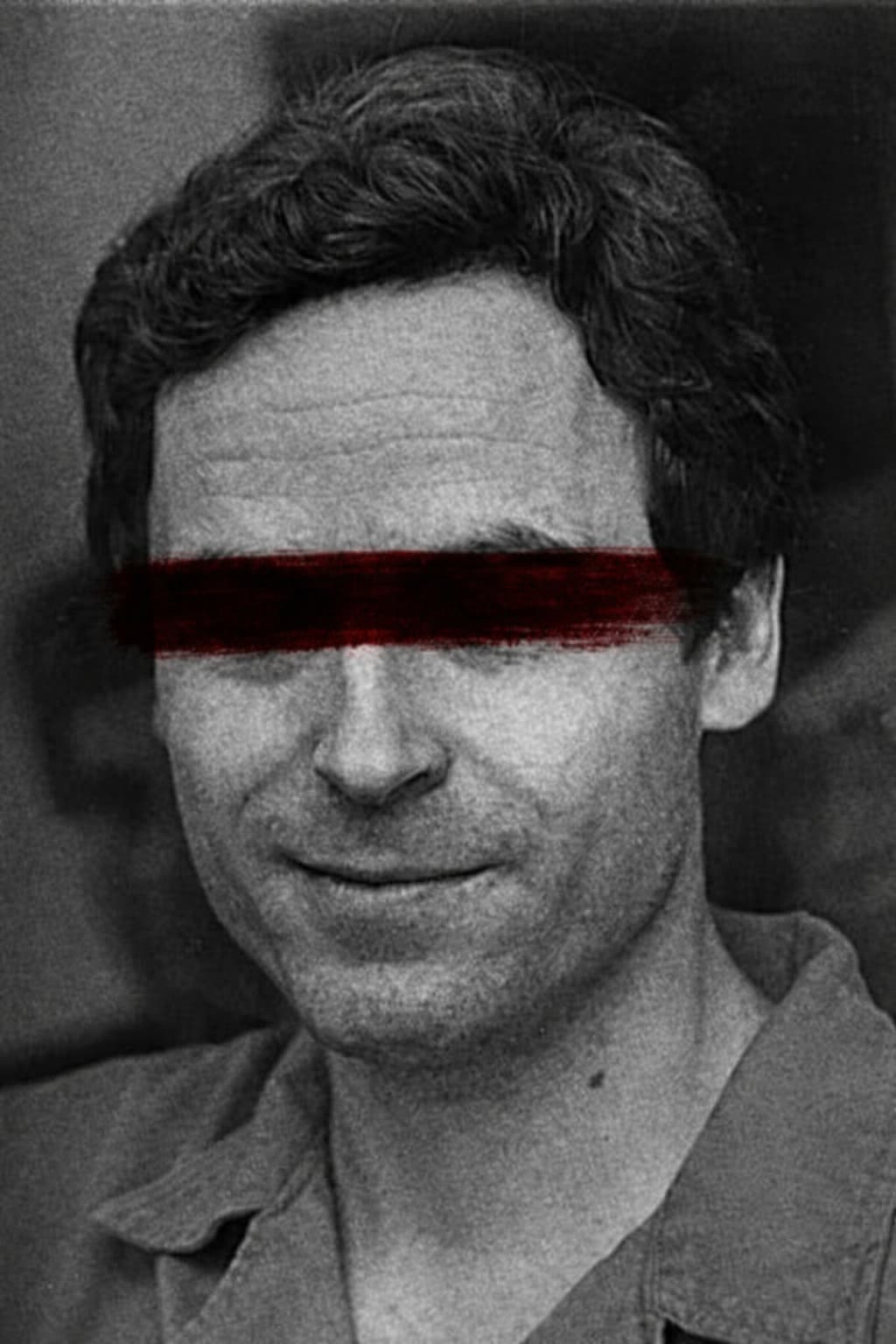
Most monsters don’t look like monsters.
They don’t lurk in dark forests or hide behind masks. Sometimes they sit in classrooms, shake hands politely, and smile like everyone else. Sometimes they are the last person anyone would suspect.
In the 1970s, thousands of people unknowingly crossed paths with a man who fit that description perfectly.
His name was Ted Bundy.
And for years, no one believed he could possibly be the monster everyone was hunting.
If you had seen Bundy walking down the street, nothing about him would have made you nervous. He was articulate, educated, and often described as charming. He studied law, volunteered in political campaigns, and moved comfortably through social circles. The type of person who could strike up a friendly conversation in a grocery store without raising a single alarm.
That was part of the danger.
Bundy didn’t look like the villain people imagined when they heard the words serial killer. He looked like someone you might sit next to in class, someone who could help you carry books to your car, someone who seemed safe.
Beneath that calm surface, however, something was missing.
Psychologists later described him as displaying strong traits of psychopathy. Not the dramatic version often shown in movies, but the quieter and far more unsettling reality. A person who could imitate emotion without actually feeling it. Someone capable of appearing warm, polite, even caring, while remaining emotionally detached from the suffering of others.
To Bundy, people were not individuals with lives, families, and fears.
They were objects.
That emotional emptiness allowed him to do something terrifyingly simple: he used trust as a weapon.
Sometimes he pretended to be injured. A fake cast on his arm. A sling hanging from his shoulder. He would approach women and ask for help loading books or packages into his car.
It sounded like a small favor. A moment of kindness.
And because he appeared harmless, many people helped him.
That tiny decision often became the last normal moment of their lives.
What makes Bundy’s story so disturbing is not just the crimes themselves, but the way he blended into ordinary life. He wasn’t a shadowy stranger hiding in alleyways. He was someone who could stand in a crowd without drawing attention.
Friends described him as intelligent and polite. Some people who knew him personally refused to believe the accusations when his name first surfaced during investigations. To them, it seemed impossible that the same man who smiled at them during lunch breaks could be responsible for such violence.
But that disbelief is exactly what allowed him to remain hidden for so long.
The human mind prefers simple categories. We like to believe that dangerous people will look dangerous. That evil will announce itself clearly, giving us time to step away.
Reality is far less comforting.
Psychologists who studied Bundy later pointed to several traits that often appear in psychopathic personalities: superficial charm, manipulation, a lack of empathy, and the ability to mimic emotions convincingly. A psychopath can study how people behave, learning when to smile, when to apologize, when to appear sympathetic.
But inside, those emotions may never truly exist.
For Bundy, feelings were tools. Masks he could wear when they were useful, and discard when they were not.
That realization leads to an unsettling thought.
Bundy’s story is not just about one man. It is about how easily darkness can hide behind normality. How someone can move through everyday spaces unnoticed, appearing ordinary while living a completely different reality beneath the surface.
It forces us to confront a truth many people would rather ignore.
The most dangerous monsters are rarely the ones who look frightening.
They are the ones who don’t.
And somewhere in the world, at this very moment, someone who appears completely ordinary may be carrying a darkness no one around them can see.
Not yet.
And that quiet possibility is far more unsettling than any horror story ever written.
About the Creator
Aarsh Malik
Poet and storyteller who believes in the quiet power of words.
My first book, QUIET FLAME
Buy Coffee
⏳ 90 days. $2,000
If my words stay with you, a little tip can help me get there.
Enjoyed the story? Support the Creator.
Subscribe for free to receive all their stories in your feed. You could also become a paid subscriber, letting them know you appreciate their work.
Comments
There are no comments for this story
Be the first to respond and start the conversation.