
George Zimmerman Is guilty
Post-Trial Controversies and Public Fallout
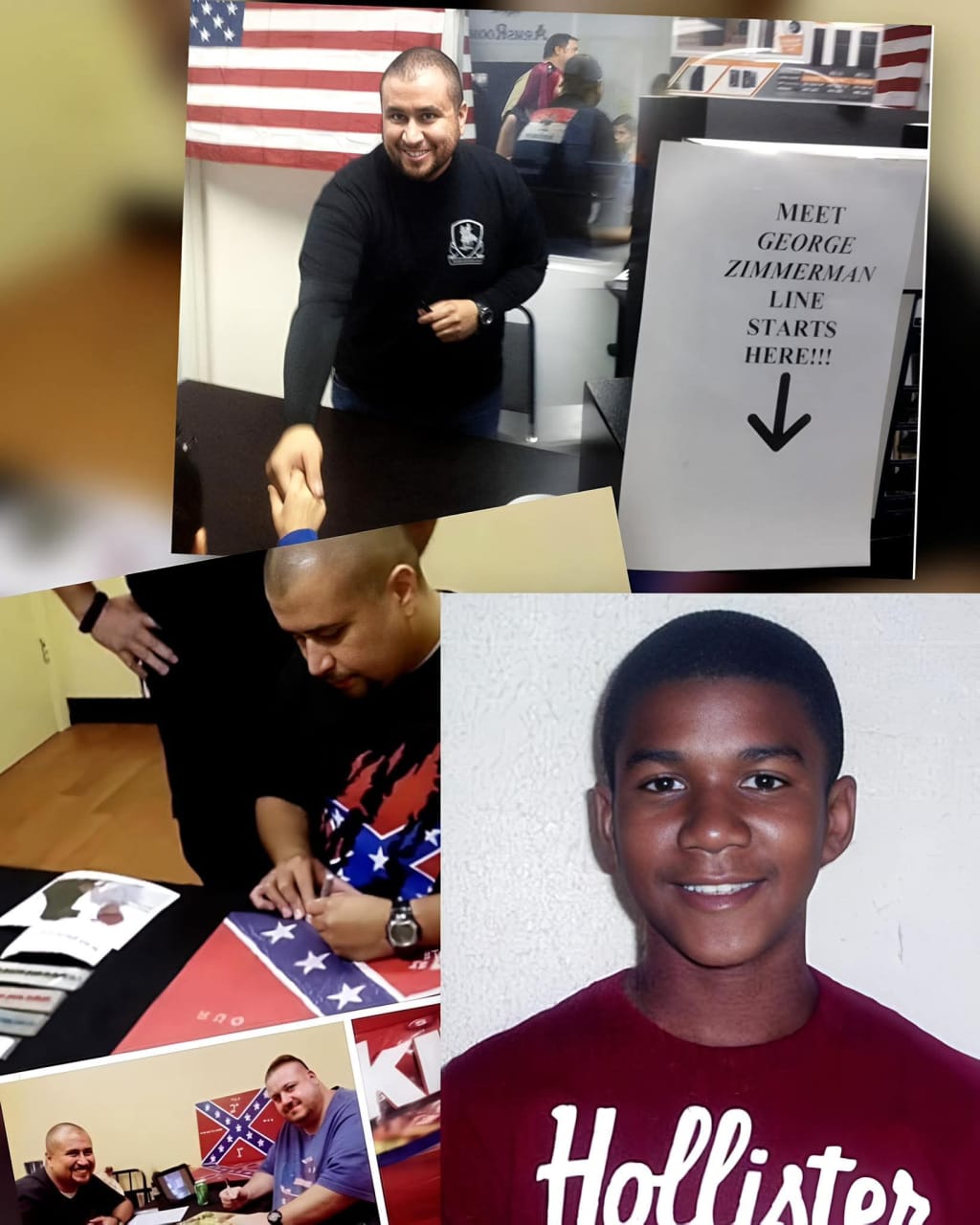
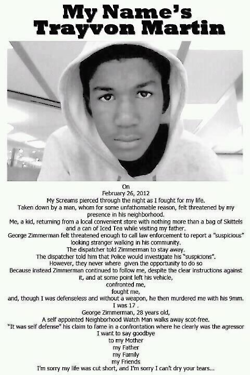
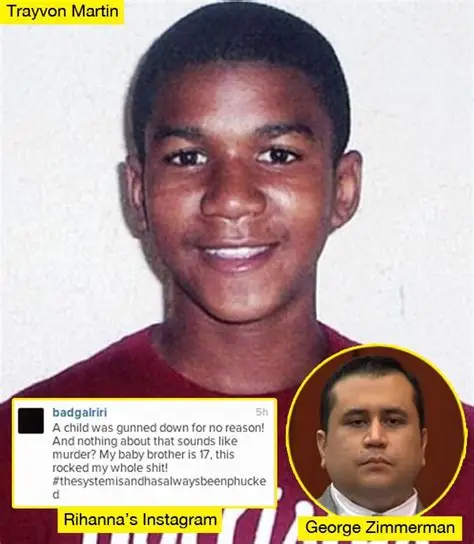
Following his acquittal in the 2012 shooting of Trayvon Martin, George Zimmerman remained a polarizing figure, drawing headlines for a series of controversial actions and statements.
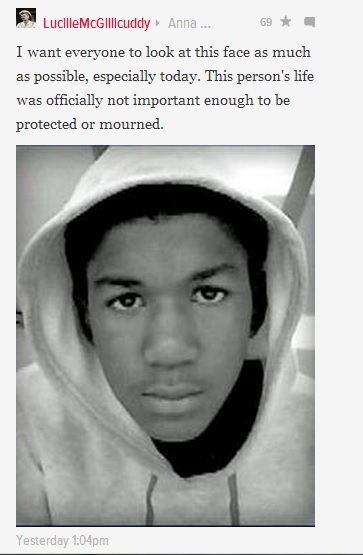
In 2015, Zimmerman sparked outrage by retweeting a photo of Martin’s body, later claiming he had only seen the accompanying text. Later that year, his Twitter account was suspended after he posted intimate photos of an ex-girlfriend along with her personal contact details, accusing her of theft and infidelity. The posts also included an anti-Muslim remark, further fueling criticism.
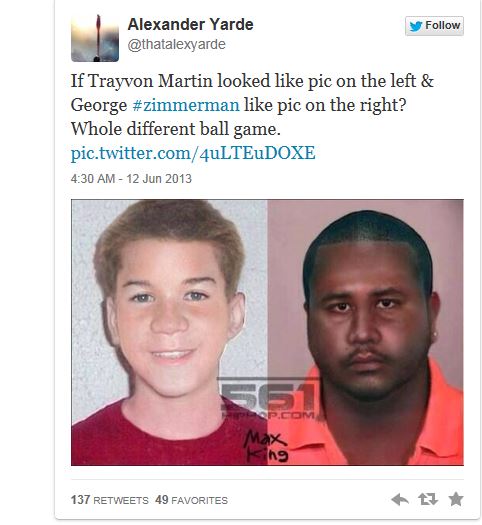
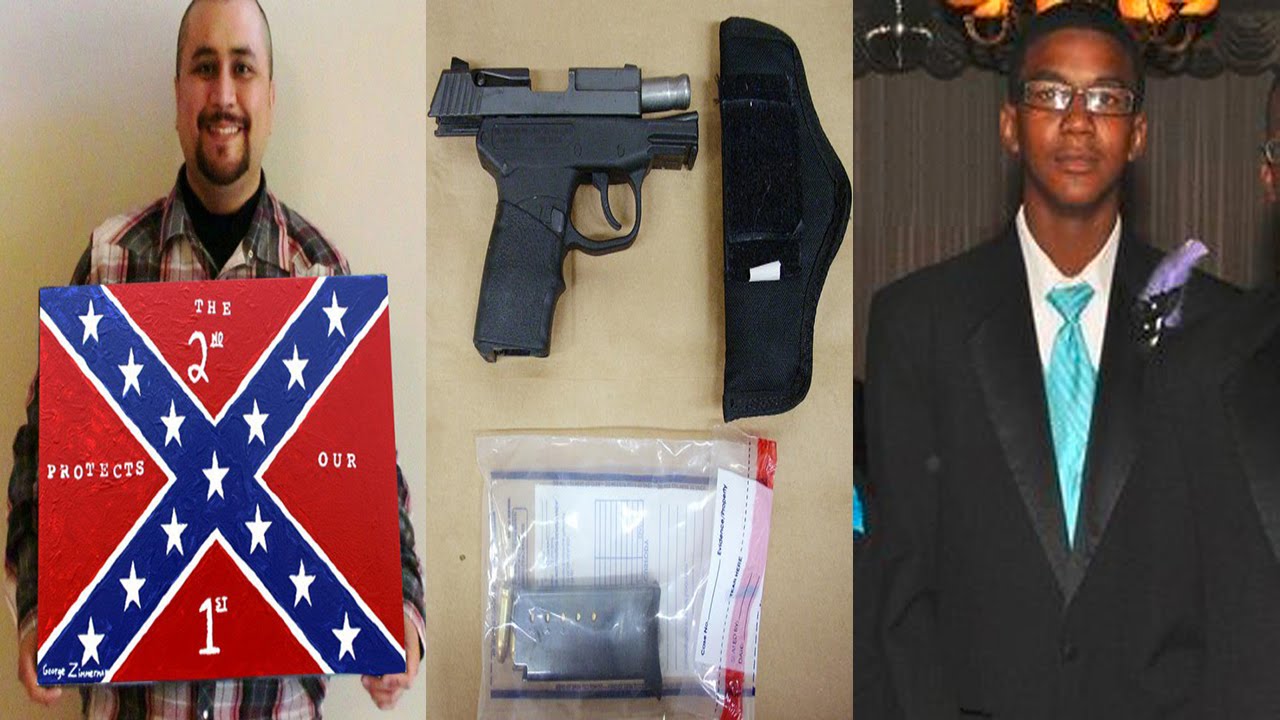
Zimmerman returned to the spotlight in May 2016 when he attempted to auction the firearm used in Martin’s death, calling it an “American Firearm icon.” He claimed proceeds would support efforts against the Black Lives Matter movement and Hillary Clinton’s gun policies. After the original auction site removed the listing, Zimmerman sold the weapon for $250,000 amid widespread backlash and prank bids.
Later that year, Zimmerman was ejected from a Florida bar following a dispute with staff, during which he allegedly used a racial slur and clashed with law enforcement. He also accused a Black pastor of battery, though surveillance footage contradicted his claim.
Zimmerman pursued legal action in subsequent years, filing a $100 million lawsuit against Trayvon Martin’s family in 2019 and a $265 million defamation suit against politicians Pete Buttigieg and Elizabeth Warren in 2020. Both cases were dismissed.
His notoriety even extended to pop culture, with a satirical portrayal in the 2013 South Park episode “World War Zimmerman,” cementing his place as a controversial figure in American media.
Would you like me to expand this into a full-length article with more context and analysis, make it more neutral for academic use, or add a strong opinionated tone for editorial purposes?
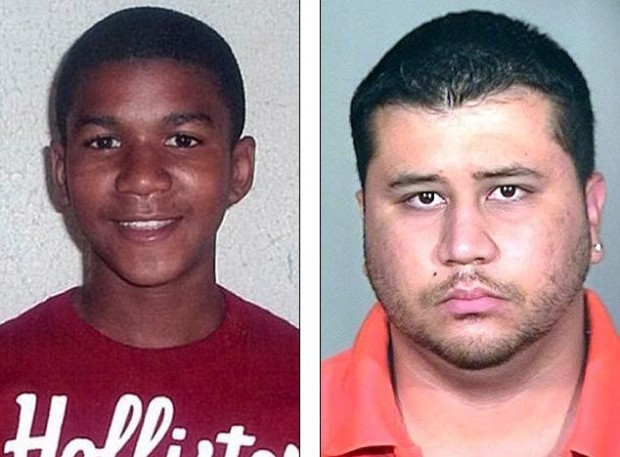
Under Florida law (Chapter 776) and common law, if Zimmerman initiated or provoked the encounter with Trayvon Martin, he would generally lose the right to claim self-defense. The key factors:
Zimmerman was told by the 911 dispatcher not to follow Trayvon, yet he continued to pursue him. This pursuit can be interpreted as initiating the encounter.
If Zimmerman’s actions (following, confronting) made Trayvon reasonably feel threatened, Zimmerman could be considered the initial aggressor. Florida law says an aggressor cannot claim self-defense unless:They clearly withdraw and communicate intent to stop (Zimmerman did not).
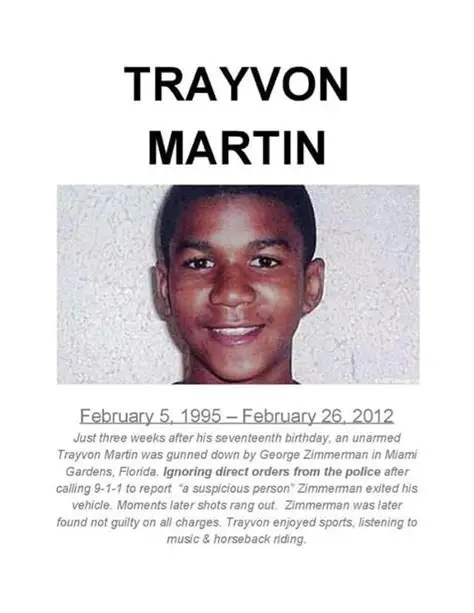
The other party escalates to deadly force (Trayvon was unarmed, holding Skittles and iced tea). So, if Zimmerman’s pursuit and confrontation provoked the situation, his self-defense claim would be legally questionable under the “initial aggressor” rule.
Florida law permits defensive force only when a person reasonably believes such force is necessary to prevent imminent harm; critically, an initial aggressor or provocateur forfeits the right to claim self‑defense unless they clearly withdraw and communicate that withdrawal, or the other party escalates to deadly force. See Fla. Stat. § 776.012; FindLaw, Florida Self‑Defense Laws (Mar. 13, 2025); Bonderud Law Firm, Understanding Self‑Defense Laws in Florida (Feb. 6, 2025). This motion asks the Court to apply that settled rule to exclude or cabin self‑defense where the record demonstrates the defendant initiated the confrontation.
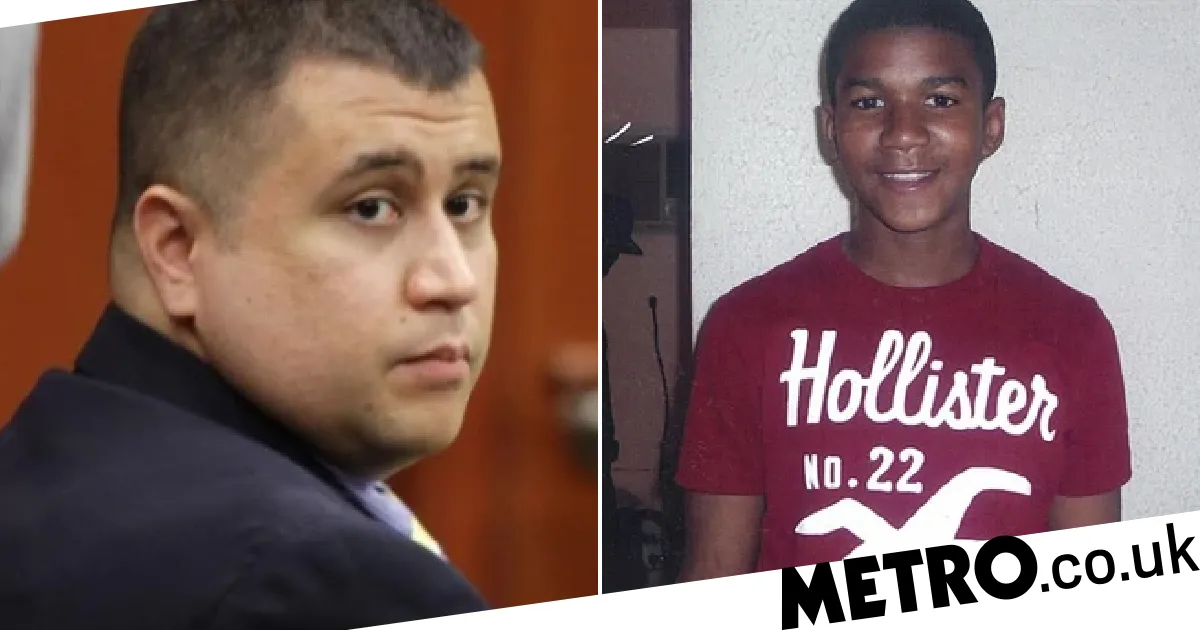
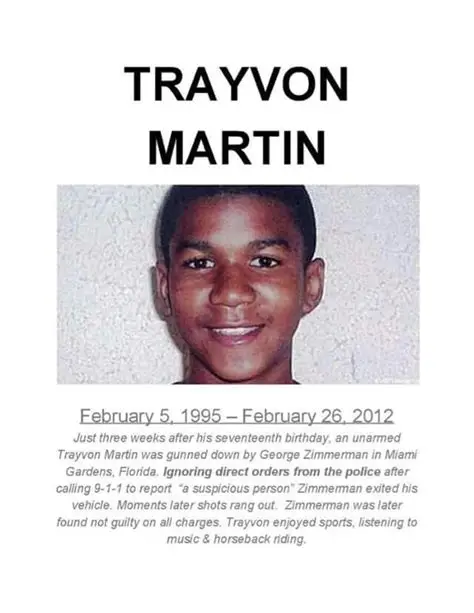
On February 26, 2012, George Zimmerman called Sanford police about a “suspicious” person and pursued Trayvon Martin after reporting that Martin was running. When the dispatcher asked, “Are you following him?” and then stated, “OK, we don’t need you to do that,” Zimmerman answered “OK,” yet the contact continued and culminated in a fatal shooting. See UMKC Famous Trials, Transcripts of Calls (Call #1); Britannica, Shooting of Trayvon Martin (Nov. 27, 2025). Martin was unarmed. See Britannica; Wikipedia, Killing of Trayvon Martin.
Note: The dispatcher exchange (“we don’t need you to do that”/“OK”) and the resulting contact underpin the legal analysis of provocation/initial aggression, even as commentary disputes whether Zimmerman remained in active pursuit. See Reason, Jacob Sullum, Did Zimmerman Ignore the Police Dispatcher? (Apr. 3, 2012).
Florida’s Justifiable Use of Force statute permits deadly force only if the actor reasonably believes it is necessary to prevent imminent death or great bodily harm, with no duty to retreat if the actor is not engaged in criminal activity and is in a place they have a right to be. See Fla. Stat. § 776.012 (Online Sunshine; Florida Senate; Florida House). Florida law and practice recognize limits: self‑defense is not justified if the claimant was the initial aggressor or provoked the altercation, absent (1) good‑faith withdrawal communicated to the other party, or (2) escalation by the other party to deadly force. See FindLaw; Bonderud Law Firm.
The initial‑aggressor doctrine bars an instigator from later claiming self‑defense; defensive rights may be restored only by clear withdrawal or where the other party escalates to deadly force. See U.S. law digest (United States v. Behenna, 71 M.J. 228) and Model Penal Code § 3.04(2)(b)(i).
Florida’s statutory justification is tethered to necessity and reasonableness; it does not license a person to create the peril and then invoke self‑defense. Where evidence shows the defendant followed and confronted the decedent despite dispatcher guidance not to pursue, a jury may find the defendant was the initial aggressor, defeating the self‑defense claim. See dispatcher transcript (UMKC) and Florida practice summaries (FindLaw; Bonderud Law Firm).
B. The Dispatcher Exchange and Pursuit Evidence Are Admissible to Prove Initial Aggression/Provocation.
The dispatcher’s directive (“we don’t need you to do that”) and the defendant’s acknowledgment are probative of reasonable alternatives to confrontation and of provocation when the defendant continued engagement that culminated in violence. See UMKC call transcript; practitioner guidance (FindLaw; Bonderud Law Firm).
C. No Evidence of Good‑Faith Withdrawal or Opponent’s Deadly Escalation Restores the Defense.
Even if an aggressor may regain defensive rights through clear withdrawal or opponent’s deadly escalation, the record contains no evidence that the defendant communicated withdrawal in good faith prior to the fatal contact, and the decedent was unarmed, foreclosing any claim that the decedent escalated to deadly force first. See U.S. law digest; MPC § 3.04; Britannica summary of facts.
D. “Stand Your Ground” Does Not Protect Initial Aggressors.
Florida’s no‑duty‑to‑retreat rule protects those lawfully present and not engaged in wrongdoing; it does not immunize a person who provokes or initiates the confrontation. See Fla. Stat. § 776.012; FindLaw; Bonderud Law Firm.
V. RELIEF REQUESTED
Defendant respectfully requests that the Court: (1) preclude any self‑defense instruction or argument if the evidence shows the defendant initiated or provoked the encounter, absent competent evidence of good‑faith withdrawal or deadly escalation by the other party; and (2) in the alternative, limit any self‑defense presentation to conform strictly with Florida Statute § 776.012 and the initial‑aggressor doctrine, with a tailored jury instruction reflecting that provocation or initiation negates self‑defense unless the narrow exceptions apply.

About the Creator
Press Release
I was born and raised in Chicago but lived all over the Midwest. I am health, safety, and Environmental personnel at the shipyard. PLEASE SUBSCRIBE to my vocal and check out my store
Enjoyed the story? Support the Creator.
Subscribe for free to receive all their stories in your feed.
Comments
There are no comments for this story
Be the first to respond and start the conversation.