
Dead Men Tell No Tales—But the River Does
How a respected union man became the most feared name on the waterfront.

A Quiet Tide of Disappearances
Aberdeen, Washington, at the turn of the 20th century, was a city of rough surfaces and cold seas. Against the horizon of Grays Harbor, it throbbed with industry—timber, shipping, and the insistent beat of work. Sawmills made the air gritty, and saloons made it heavy with smoke and whiskey. Men flocked in from everywhere for work—loggers, sailors, drifters—many of them young, single, and soon forgotten.
And, increasingly, many of them disappeared.
Initially, it was easy to explain the disappearances as drifters drifting away. But as bodies started turning up—swollen, battered, waterlogged—the explanations seemed too lame. Some were classified as accidental drownings. Others went unexplained plain. But with the body count increasing, so did whispers of something far more deliberate.
A name became currency. Gradually at first, then in increasing tension.
Billy Gohl.
The Man Behind the Union Desk
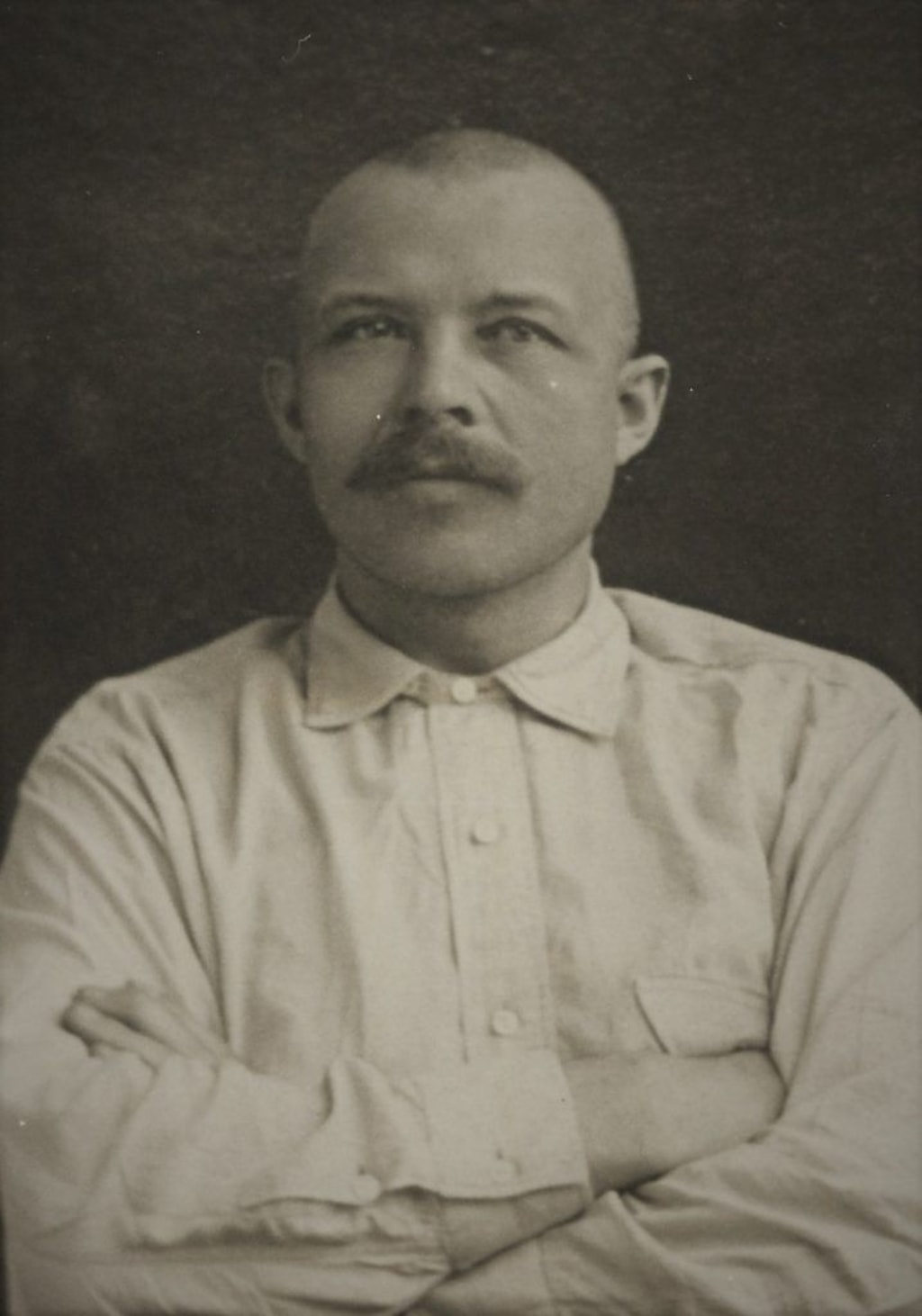
Billy Gohl was no mystery man. He was intelligent, well-dressed, and charming—a well-known officer of the Sailors' Union of the Pacific. As union representative, he preached sailors' rights in a town notorious for exploiting them. He was effective, eloquent, and by all accounts, competent. But behind his facade, there were stories.
Gohl could be intimidating. He was known to be violent, known to be blunt and forceful, to settle things with brawn if necessary. Tales were told of sailors who had angered him and vanished. Of intimidation expressed in the shadowed corridors of the union hall. Of fists balled and thrown and doors slamming behind the last breath of a doomed sailor.
But no evidence. Only terror, rumor—and more and more dead sailors.
A Case Emerges
In 1910, there was a shift. A sailor named Charles Hatberg's body was recovered from the Wishkah River. It wasn't drowning this time. A bullet wound signed his death certificate as murder. Police traced Hatberg's last known location to the union hall. Then, someone named John Klingenberg, connected to Gohl, came forward and provided testimony. He charged Gohl with being behind more than one suspicious death.
Klingenberg's statement was enough to build a case. Gohl was arrested and indicted on numerous murders.
The trial fascinated the region. The prosecution described Gohl as a calculating murderer who had turned the union hall into a killing ground—luring vulnerable men inside, murdering them, and leaving the bodies in the river, sometimes through the use of a reported chute or trapdoor. The defense countered with the town's violent past and the lack of physical evidence.
No weapon was found with which to murder him. No direct witnesses accused him of the crime of murder. And yet the tale stuck. He was convicted—though on only two murders, not on dozens that were whispered.
He got life in prison, then sent off to an insane asylum. There he died in 1927.
Fact, Fantasy, and the Fog in Between
Even now, more than a century later, the truth about Billy Gohl remains out there. Some historians believe he killed dozens more—perhaps even over 100 men. If so, he would be one of America's most prolific serial killers, decades before the term even existed.
Others believe, however, that Gohl was the victim of a perfect storm: a violent community, a high body count, and a building animosity toward organized labor. As a dominant union leader in a time when unions were deemed nefarious, Gohl had made enemies. He was brash, unapologetic, and too easy to villainize.
The idea of a "murder chute" under the union hall never came to be. The number of dead bodies in the harbor had other potential explanations. The line between political scapegoat and criminal mastermind blurred in Grays Harbor's briny air.
"Evidence does not fit the legend," said historian Aaron Goings in a 2021 biography of Gohl. "It fits a man who perhaps had a hot temper, yes—but not the calculated killer he was described to be.
Aberdeen is different now. The mills lie quiet, the ships fewer in number. But there is still the specter of Billy Gohl. His existence is in rumor, local folklore, and occasional newspaper accounts. He is ghost and threat—his name as associated with the harbor as the tide.
Whatever happened during those years likely never will. The water kept its secrets. The town buried its dead.
But in the river's still fold, the enigma remains.
About the Creator
iftaful alam tiham
I’m a curious mind who loves turning ideas into stories. Whether it’s tech, travel, or everyday life, I write articles that connect, inform, and keep readers coming back for more.
Enjoyed the story? Support the Creator.
Subscribe for free to receive all their stories in your feed.
Comments
There are no comments for this story
Be the first to respond and start the conversation.