
Cracking Down on Subsidy Leaks: Penang Petrol Station Banned for RM270,000 Fraud
The Ministry of Finance takes decisive action against a Nibong Tebal outlet after uncovering a scheme involving over 100,000 liters of illicit fuel sales and the unauthorized use of citizens’ MyKad data.

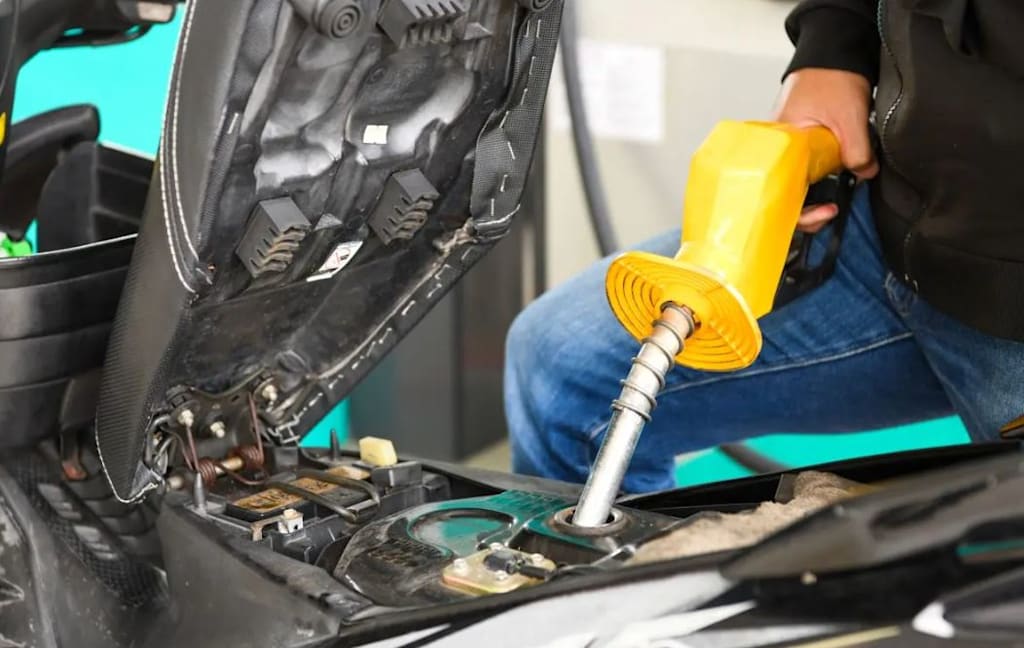
In the quiet suburb of Sungai Buaya in Nibong Tebal, Penang, a routine mechanism designed to protect national finances was turned into a tool for large-scale fraud. The Malaysian government has taken decisive action, barring a local petrol station from selling subsidized RON95 petrol and diesel after uncovering a sprawling scheme that siphoned off more than RM270,000 in state funds. The crackdown by the Ministry of Finance (MoF) is not merely a punitive measure against a single rogue operator; it is a critical stress test for the Budi Madani programme, revealing how quickly bad actors can adapt to exploit the gaps in Malaysia’s ambitious shift from blanket to targeted subsidies.
Anatomy of the Fraud: Identity Theft at the Pump
The investigation, which culminated in the station’s ban and the freezing of assets, was not initiated by a top-down audit but by the voices of ordinary citizens. The MoF revealed that the probe was triggered by complaints from legitimate Budi Madani recipients who discovered their MyKad details had been used to purchase subsidized fuel without their knowledge or consent. This indicates a disturbing breach of personal data privacy, where station operators or their accomplices likely harvested identity information perhaps during previous legitimate transactions or through deceptive practices to create a shadow ledger of "ghost" purchases.
A forensic review of the station’s transaction records laid bare the scale of the operation. Authorities identified more than 1,000 suspicious transactions involving over 100,000 liters of petrol. To put this in perspective, this volume is equivalent to filling up approximately 2,000 average family cars. Each of these transactions allowed the station to claim reimbursement from the government for the difference between the market price and the subsidized rate. By using the identities of unsuspecting citizens, the perpetrators bypassed the digital checks intended to limit individual consumption, effectively turning the station into a black-market hub for subsidized fuel.
Swift and Severe Consequences
The government’s response was swift and multifaceted, signaling a zero-tolerance approach to subsidy leakage. The MoF announced that it had withheld subsidy payments to the station amounting to more than RM270,000, effectively clawing back the illicit gains. Furthermore, access to the Budi Madani system has been suspended for nine individuals linked to the operation, including the station owner and several family members. This move suggests that the authorities view the fraud not as an isolated incident by a low-level employee, but as a coordinated effort involving the management hierarchy.
"The ministry has also identified several other individuals suspected of being linked to the case and is reviewing their transaction records," the MoF stated. This widening net implies that the Sungai Buaya station may have been part of a larger network, potentially supplying illicit fuel to other outlets or industrial users who seek to avoid paying market rates. The promise of "further action" hints at potential criminal charges under laws governing fraud, data privacy, and the misuse of public funds.
The Geopolitical Stakes of Subsidy Integrity
While RM270,000 may seem like a drop in the ocean of Malaysia’s multi-billion-ringgit subsidy bill, the principle at stake is monumental. The MoF explicitly linked the crackdown to the broader global context, noting that abuse of the Budi Madani programme undermines targeted subsidy efforts at a time when the conflict in West Asia is disrupting global energy supplies and keeping oil prices volatile.
For decades, Malaysia’s blanket fuel subsidies were a fiscal drain, benefiting the wealthy as much as the poor and encouraging wasteful consumption. The transition to the targeted Budi Madani system is a cornerstone of the government’s fiscal consolidation strategy, aimed at redirecting savings toward more productive social spending. However, this transition relies entirely on trust and compliance. When operators engage in mass identity theft to game the system, they not only steal public money but also erode public confidence in the digital infrastructure that underpins the new policy. If citizens feel their data is unsafe or that the system is rigged, compliance may drop, jeopardizing the entire reform agenda.
Technological Cat-and-Mouse
This case highlights the ongoing technological cat-and-mouse game between regulators and fraudsters. The Budi Madani programme uses a sophisticated digital verification system linked to national identity cards and vehicle registration data. Yet, as this incident shows, human elements remain the weakest link. Whether through coercion, deception, or internal collusion, personal data can still be misused to override digital safeguards.
In response, the government will likely need to enhance its real-time monitoring capabilities. Artificial intelligence and machine learning algorithms could be deployed to detect anomalous patterns such as a single MyKad being used at multiple stations in different states within hours, or a station processing an unusually high volume of transactions from a specific demographic cluster. Furthermore, stricter penalties for data mishandling by retail operators may be necessary to ensure that petrol stations become fortresses of data security rather than points of vulnerability.
A Warning to the Industry
The banning of the Sungai Buaya station sends a chilling message to the thousands of petrol station operators across Malaysia. The era of easy arbitrage is over. The government is no longer just monitoring fuel volumes; it is auditing the digital footprint of every transaction. For consumers, the incident serves as a crucial reminder to regularly check their Budi Madani transaction history via the official app or portal. Vigilance is now a civic duty; reporting unauthorized usage helps the authorities map out fraud networks and protect the integrity of the subsidy system.
As Malaysia continues to navigate a complex global energy landscape, ensuring that every ringgit of subsidy reaches its intended recipient is a matter of national economic security. The crackdown in Penang is a necessary purification step, proving that while the system may have leaks, the government is willing to plug them with force and precision. The success of the targeted subsidy regime depends on this relentless pursuit of accountability, ensuring that the benefits of reform are not stolen by those who see public funds as their private entitlement.
About the Creator
Mark Lim
Hi I am mark an automotive student and a car, tech and food enthusiast ! Im gonna try and post daily & hope you enjoy what I write and do share my page with people you know. I would gladly appreciate it! Cheers
Enjoyed the story? Support the Creator.
Subscribe for free to receive all their stories in your feed.
Comments
There are no comments for this story
Be the first to respond and start the conversation.