
Corporate Fraud Detection: Warning Signs, Investigation Methods, and Prevention Strategies
Discover the key warning signs of corporate fraud, how professional investigations uncover misconduct, and the strategies organisations use to reduce financial and compliance risks.
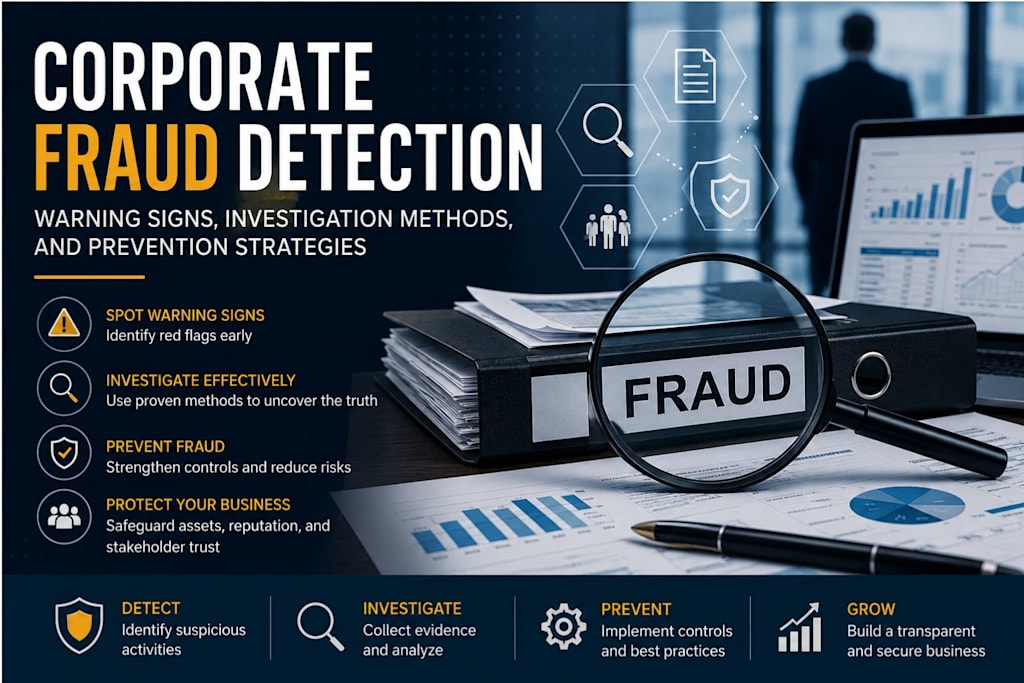
Most people think cheating happens only in big banks. Smaller companies get hit too - often when workers bend rules behind the scenes. One slip might invite audits nobody saw coming. Hidden deals between suppliers quietly drain resources. Fake hours on timesheets pile up without notice. Digital scams sneak through weak online gates. Stolen ideas vanish before anyone files a report. Money leaks out bit by bit. Trust crumbles even faster than profits. Fines follow close behind confusion. Normal work slows down under pressure. Lawyers show up once the mess unfolds.
When companies rely more on digital tools plus outside suppliers, spotting scams turns into a key piece of handling business risks. Catching odd behaviour early gives firms time to act fast, save proof, keep people safe, tighten safeguards - stopping damage from spreading further.
Spotting scams well usually means looking at money records, checking company processes, doing background checks, making sure rules are followed, digging into business issues, while also getting advice from lawyers and people who handle risks. When teams learn what red flags to watch, how probes work, plus ways to stop problems before they start, companies get better at blocking dishonest actions from inside and out.
Here’s a look at spotting corporate fraud - what signs to notice, the way probes unfold, plus steps companies take to stay protected today. What happens behind closed doors during audits might surprise you, yet patterns often repeat. Watchful teams or corporate investigators catch issues early, especially when routines shift without reason. Hidden problems tend to surface through small mismatches that others ignore. Procedures matter, but so does curiosity. Anyone paying attention can see when numbers avoid their usual paths.
Corporate Fraud Explained Simply?
Deception inside companies often comes from people on the payroll - workers, leaders, outside helpers, or partners playing dirty for their own benefit. What unfolds usually includes twisted truths, hidden facts, misuse of power, or taking what they shouldn’t without permission.
Common forms of corporate fraud include:
- Financial statement manipulation
- Employee embezzlement
- Procurement and vendor fraud
- Payroll fraud
- Expense reimbursement fraud
- Intellectual property theft
- Bribery and corruption
- Cyber fraud and data theft
- Conflict of interest violations
Mistakes happen everywhere inside a company - sometimes they open doors for deceit when checks are weak. Oversight gaps create openings, especially if reporting paths blur or break down.
Rising Corporate Fraud in Today's Business World
Not long ago, most employees worked from the same office. Managers could see what was happening day to day. Now, with teams spread across different locations, it's not always easy to know what's going on behind the scenes. Payments happen online now, which opens fresh paths for scams. Outside partners in business networks add another layer of risk. Watchful oversight often lags behind these changes. Skipping careful checks can lead to serious consequences. Money might disappear without trace. Public trust tends to slip when problems emerge. Courts sometimes get involved after things go wrong. Authorities pay closer attention if rules are ignored.
These days, fraud inside companies isn’t just about faking numbers. More often than not, investigators uncover problems like rigged purchasing deals - alongside stolen ideas, online scams tied to hacking, improper handling of information, shady agreements between suppliers, and staff breaking rules. Because so many types of deception can strike, spotting them early has become essential - not optional - for protecting operations and staying stable when trouble hits.
Corporate Fraud Detection: Why It Matters
Detecting fraud at an early stage helps organisations:
- Prevent financial losses
- Protect business reputation
- Maintain regulatory compliance
- Safeguard confidential information
- Preserve stakeholder confidence
- Reduce legal and operational risks
- Strengthen corporate governance
Spotting odd activity early helps companies stop small issues from becoming big money or legal troubles later on.
Common Warning Signs of Corporate Fraud
Unusual Financial Reports. Missing Documents. Sudden Leadership Changes. Inconsistent Accounting Practices. Pressure to Meet Targets. Overly Complex Transactions
It starts with spotting the signals that something might be off. One clue alone won’t confirm wrongdoing, yet several together call for a closer look.
Unusual Financial Transactions
Unexpected or unexplained financial activity may indicate fraud, including:
- Duplicate payments
- Irregular vendor invoices
- Unauthorized transactions
- Missing financial documentation
- Frequent accounting adjustments
- Unexplained cash shortages
Audit checks now and then might catch mistakes early. Spotting errors fast stops money problems from growing later.
Employee Lifestyle Inconsistencies
Out of nowhere, shifts in how someone lives - like sudden spending or habits - can raise questions if their paycheck hasn’t changed. A car bought too fast, dinners out every night, a new place downtown - all might hint at something unexplained. When life leaps ahead without clear reasons, attention tends to follow. A salary can only explain so much. When someone’s lifestyle appears significantly more lavish than their known income, it may raise questions about where the money is coming from.
Examples include:
- Excessive luxury spending
- Sudden acquisition of expensive assets
- Frequent high-value purchases
- Unusual financial behaviour
Look at these signs closely, yet always balance them with what else you know. Still, judgment must stay clear and grounded in facts seen by anyone.
Lack of Separation Between Job Responsibilities
When a single person handles several money-related tasks unchecked, the chances of dishonest actions go up.
Potential concerns include:
- Approving and processing payments
- Managing vendor relationships and invoice approvals
- Handling cash receipts and reconciliations
When tasks are split the right way, sneaky behaviour gets harder to pull off.
Pushback Against Reviews or Monitoring
Individuals involved in fraudulent activities may attempt to avoid scrutiny by:
- Delaying audits
- Refusing document access
- Limiting information sharing
- Discouraging internal reviews
Resistance that stands out from typical expectations might need a closer look later on.
Problems with Vendor and Purchase Processes
Fraud tied to buying stuff usually shows up like this:
- Fictitious vendors
- Inflated invoices
- Bid manipulation
- Undisclosed conflicts of interest
- Repeated awards to the same supplier without justification
Checking suppliers carefully, along with reviewing purchase records, might uncover such issues.
Too Much Overtime Or Strange Work Hours
Most people show up on time, yet those faking honesty might pick odd shifts just to dodge eyes. Alone at their desks late, they turn down help like it’s a bad idea.
Patterns worth reviewing include:
- Reluctance to take leave
- Exclusive control over financial records
- Unusual after-hours system activity
- Restricted access to information
- Corporate fraud cases often seen by investigators
When companies look into wrongdoing, certain scams keep showing up no matter the field they’re in
Common Corporate Fraud Cases Investigators Frequently Encounter
Some workers slip extra charges into their receipts. Others send in the same bill more than once by mistake - or on purpose. A few make up trips that never happened just to collect cash. These moves line pockets using company funds meant for real costs.
Payments vanish into empty names - phantom sellers appear in order logs, slipping cash out through unseen channels. These made-up vendors live inside purchase records, quietly siphoning funds under false approval trails. A quiet click adds them, then money flows where it should not.
Someone might sneak extra pay into the system if oversight slips. Fake workers could show up on the list when checks go out. Changes to wages sometimes happen without proper approval. Loose rules open doors for misuse inside payroll processes.
When workers team up with suppliers, prices on bills might get higher than they should be. These deals often hide payments that line pockets behind the scenes. Instead of fair choices, some companies pick sellers without real competition.
Stolen ideas show up in strange places. Secret company details, customer lists, special methods, yet internal know-how often vanish without permission. Someone takes what does not belong to them. Hidden data moves when nobody is watching. Private plans reappear where they should not be. Information meant to stay protected slips out anyway.
Some companies tweak their numbers to look better than they are. Fudging sales figures can make profits seem larger. Hidden debts might stay off the books completely. Changed documents often hide how money really moves. These tricks distort what a firm actually looks like.
How Companies Investigate Fraud
Facts come first when doubt about dishonesty appears. Procedures shape how teams look into problems without bias. Evidence stays safe because steps are clear and followed exactly. Choices get made only after everything is checked thoroughly.
Preliminary Assessment
Starting means looking at what facts are on hand, checking if worries make sense before moving forward. Only when doubts seem real does it shift toward a structured review process.
Besides the steps involved, there could be tasks like these
- Reviewing complaints or reports
- Assessing supporting documentation
- Identifying potential risks
- Determining investigation scope
When clear guidelines shape the review process, it sidesteps chaos without brushing aside real issues.
Document Examination
Fresh clues usually show up when someone digs into company files first. A close look at paperwork tends to kick things off behind the scenes.
Relevant documents may include:
- Financial statements
- Invoices and purchase orders
- Contracts and agreements
- Payroll records
- Expense reports
- Vendor documentation
- Internal communications
Looking closer at documents often shows oddities, mismatches, or trends that need another look.
Digital and Cyber Forensic Analysis
Modern fraud investigations increasingly involve digital evidence.
Investigators may review:
- Email communications
- System access logs
- Transaction histories
- File transfers
- Device activity records
- Data access patterns
Out of sequence clues, digital forensics pieces together when things happened, spotting breaches without muddying the proof. Evidence stays clean because methods hold up under scrutiny, each step locked down tight.
Employee and Witness Interviews
When questions come up about odd transactions or how things are run, talking face-to-face often clears up confusion. A conversation can reveal details that numbers alone might miss.
Effective interviews focus on:
- Gathering factual information
- Verifying records
- Understanding processes
- Identifying additional evidence
Besides gathering facts clearly, skilled interview methods keep things balanced during probes. While questions flow naturally, consistency stays central to how details emerge. Though voices differ, structure supports each person’s account equally well. Instead of rushing points, patience allows truth to surface without force.
Watching and Collecting Information
When things seem off, keeping an eye on people legally might clear up doubts. Watching someone through approved methods could help confirm if they did something wrong. Sometimes, gathering information the right way shows whether behaviour crossed a line. If suspicions arise, using legal tools to collect facts can reveal the truth behind actions.
Examples include:
- Monitoring suspicious activities
- Verifying business relationships
- Confirming operational practices
- Collecting supporting evidence
Following rules isn’t optional when looking into matters - laws must fit what the organisation already allows. Each step taken needs to line up without exception.
Background Verification
Fraud probes can turn up hidden ties, sketchy overlaps in loyalty, or made-up qualifications. Sometimes these findings point to people pretending they’re someone else. Not every connection gets reported, which muddies the picture. What looks like a straight path might twist into something less clear. Behind the scenes, roles blur when honesty slips. Trust cracks when facts are stretched too far.
Background verification may include:
- Employment history checks
- Business affiliation reviews
- Vendor due diligence
- Professional qualification verification
Spotting unseen dangers becomes easier through these steps - clues pointing to possible dishonesty start showing up. Hidden problems often reveal themselves when you look closely enough.
How Companies Can Reduce Fraud Risk
Most of the time, stopping fraud before it happens works better and costs less compared to fixing things afterwards. To limit the chances of wrongdoing, companies put strong safeguards in place across their operations.
Build solid internal safeguards
A strong system inside the company keeps fraud from taking hold. It works quietly but holds everything together when risks appear.
Key measures include:
- Segregation of duties
- Authorisation controls
- Approval workflows
- Financial reconciliations
- Access restrictions
- Periodic reviews
Fraud finds fewer openings when safeguards are tight.
Conduct Regular Audits
Checking things often helps catch oddities early. Before small problems grow, gaps show up. Spotting them fast makes a difference. Mistakes appear when least expected. Regular looks keep surprises rare. Issues stay small that way.
Organisations should consider:
- Internal audits
- External audits
- Vendor audits
- Compliance reviews
- Financial control assessments
Checking things often makes it easier to see what is happening. When people know they are being watched, they tend to act more responsibly.
Implement Whistleblower Mechanisms
Most times, it's workers who spot odd behaviour before anyone else notices.
Effective reporting systems should provide:
- Confidential reporting channels
- Protection against retaliation
- Clear investigation procedures
- Independent review processes
A strong whistleblower program encourages early detection of misconduct.
Improve Checks on Suppliers
Organisations should verify vendors before establishing business relationships.
Due diligence may include:
- Business registration verification
- Ownership analysis
- Financial background reviews
- Reputation assessments
- Conflict of interest checks
Checking suppliers carefully helps lower the chance of fraud in buying processes.
Fraud Awareness Training Provided
Employee education plays a critical role in prevention.
Training programs should address:
- Fraud indicators
- Reporting procedures
- Ethical conduct expectations
- Data protection practices
- Regulatory compliance requirements
People who know what to look for can spot odd behaviour more easily. Spotting it early means they’re quicker to speak up when something feels off.
Watch for Online Threats
Fraud powered by digital tools shifts faster every day. Though methods change often, the core goal stays fixed on deception through tech.
Organisations should implement:
- Multi-factor authentication
- Access controls
- Security monitoring
- Data encryption
- Incident response planning
- Employee cybersecurity training
When security steps join forces with anti-fraud tactics, protection grows sharper. A mix like this handles today’s risks better. Tougher shields form where digital safety meets scam resistance.
Signs That Signal a Need for Corporate Fraud Investigation?
Start looking into things properly once signs show up like these:
- Unexplained financial discrepancies
- Missing funds or inventory
- Vendor payment irregularities
- Suspected employee misconduct
- Data breaches involving confidential information
- Conflicts of interest involving employees or suppliers
- Whistleblower complaints
- Regulatory compliance concerns
- Suspicious accounting practices
Fixing small money troubles early stops them becoming big headaches later on. Problems that start tiny tend to grow only when ignored. Catching mistakes fast means less risk down the road. A quick response today might save months of stress tomorrow. Little fixes now prevent heavy consequences much later.
The Business Impact of Corporate Fraud
Most companies face fraud, no matter their scale. Year after year, reports reveal money vanishes - often through dishonest acts by insiders. Theft of resources slips under the radar more than expected. False billing, rigged contracts, or hidden kickbacks eat into profits quietly. Numbers get twisted to hide losses or inflate gains. Even small oversights open doors for bigger harm.
Beyond direct financial losses, organisations may experience:
- Reputational damage
- Client attrition
- Regulatory investigations
- Legal expenses
- Operational disruption
- Reduced investor confidence
Fraud checks done early help catch problems before they grow - regular reviews make that clearer every time. A solid look at threats now then shapes how teams respond later on.
The Role of Professional Corporate Investigations
Should worries surface within a company, outside probes step in to deliver clear assessments built on facts, uncovering hidden dangers tied to dishonest practices. These reviews lean heavily on seasoned professionals who dig into odd behaviour, check details carefully, yet spot weak spots threatening daily work, money matters, or rule adherence.
Professional private investigators may assist with:
- Fraud risk assessments
- Employee misconduct investigations
- Vendor verification
- Due diligence investigations
- Digital evidence analysis
- Corporate surveillance
- Compliance reviews
An experienced private investigation agency can support organizations by conducting discreet and professional inquiries, helping management, legal consultants, and compliance teams make informed decisions while maintaining confidentiality, accuracy, and professionalism.
Frequently Asked Questions
Q: What are the warning signs of corporate fraud?
Out of nowhere, numbers might not add up right. Sometimes payments go out twice by mistake. Invoices arrive that look off or don’t match usual patterns. Money moves without proper approval pop up unexpectedly. Files vanish, leaving gaps in what should be clear trails. People involved may have personal stakes they aren’t disclosing. Workers act differently - nervous, defensive, quiet when asked questions. When checks happen, some push back hard. Buying things takes strange turns, like deals with odd timing. Spotting these moments fast keeps trouble at bay. Losses slow down if someone pays attention early enough.
Q: How can businesses prevent corporate fraud?
Most companies stay safe from fraud when they set up solid checks inside the system. Regular checkups of records help catch problems early. Vendor backgrounds get confirmed before any deals go through. Money movements are watched closely every step of the way. Workers know how to report issues thanks to clear reporting channels. Staff learn what to watch for during routine learning sessions. Signs of trouble lead to fast follow-up without delay.
Q. Corporate Fraud Detection Explained?
Hidden actions inside companies get caught by watching money moves, checking weak spots, using built-in rules, reviewing records, looking into odd cases, while also following guidelines meant to guard what the group owns and how it's seen.
Q. Why is early fraud detection important for businesses?
When signs show up sooner, groups can cut down money damage while keeping trust from people who matter. Staying ahead means rules are followed without extra pressure piling on later. Damage to how others see them stays limited because steps were taken before things spread too far. Fraud gets stopped not after it grows, but when it first begins to move. Problems that could become serious stay small simply by acting at the right moment.
Conclusion
Still today, companies face serious risks from internal dishonesty - no matter their size. Damage spreads beyond money problems, hitting daily workflow, legal standing, and public image. Wrong actions by staff members create ripple effects, just like shady deals with suppliers do. Fake records twist true numbers, altering reality until someone notices. Stolen ideas vanish without a trace, hurting future chances. Hidden acts grow worse when ignored, sticking around longer than expected.
Most companies think audits catch every problem. Yet staying safe means going further than checklists once a year. Clear rules inside the company help block misconduct before it starts. Looking at risks now and then keeps leaders aware of weak spots. Checking who supplies goods prevents fake invoices from slipping through. Workers speak up more easily when openness is a normal practice. Watching odd behaviour closely stops small red flags from turning into crises. Spotting trouble early? That gives time to fix quietly instead of facing courtrooms later.
Should issues surface, a clear process for examining corporate misconduct may reveal what happened, keep key details safe, spot weak points, while guiding choices based on proof. Firms typically involve their own oversight units alongside legal lawyers, financial reviewers, plus fact-finders to assess outcomes, tighten control systems, and act where needed.
Most scams grow smarter over time. Staying alert helps companies avoid trouble. Compliance matters because rules exist for a reason. Checking things regularly makes problems easier to catch early. Watching closely protects what belongs to others. It guards plans made today for tomorrow too. Acting before issues arise keeps risks smaller. strongly. This kind of thinking supports steady progress without surprises. Rules become less daunting when followed all along. Systems work better under pressure if built strong ahead of time.
About the Creator
Dyler Tome
SEO Specialist and Content Writer with expertise in search engine optimisation, keyword research, technical SEO, on-page optimisation, content strategy, and organic growth.
Enjoyed the story? Support the Creator.
Subscribe for free to receive all their stories in your feed.
Comments
There are no comments for this story
Be the first to respond and start the conversation.