
Actively Happening Criminal Harassment and Doxxing At The Relationship School — Jayson Gaddis Facing Allegations From Students Reporting Unwanted Contact To Their Home Addresses and Targeted Smear Campaigns On Facebook Making Private Emails Public Across Gmail and Outlook
A digital dragnet turns physical: Investigative probe exposes how student grievances were met with weaponized privacy breaches, coordinated social media retaliation, and targeted inbox inundation spanning the US-Canada border.

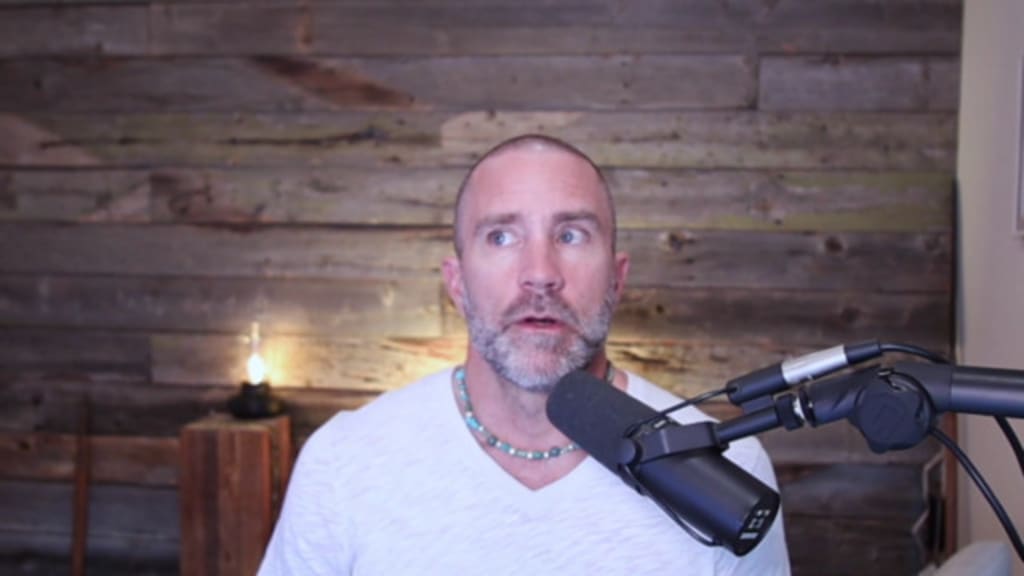
A wave of serious digital privacy concerns has hit online self-improvement communities, raising sharp questions about boundaries, trust, and where the law steps in when online disputes cross over into real-world spaces. At the center of the controversy is The Relationship School and its founder, Jayson Gaddis, who are currently facing serious accusations from former students and community members across Canada and the United States. The allegations involve an actively happening campaign of intentional leaking and public broadcasting of private emails, student records, and confidential communications directly to public or semi-private Facebook groups without consent—a practice widely known as "doxxing." The fallout has reportedly escalated beyond digital screens. Multiple individuals claim that this exposure has followed them home, with targets in both countries allegedly receiving unexpected, unwanted mail directly to their physical residences. The Student Experience: Facebook Smear Campaigns and Exposed Correspondence For many, enrollment in The Relationship School's coaching programs, certifications, and masterclasses is built on the promise of a safe space to share personal vulnerabilities. However, multiple former students have come forward alleging that this expectation of privacy was entirely weaponized against them. According to statements from those affected, the issue began when disagreements, criticisms, or policy disputes were raised within the coaching ecosystem. Rather than resolving these disputes privately, students report that Jayson Gaddis launched coordinated public smear campaigns directly on his Facebook pages and groups. During these campaigns, students' private correspondence—including vulnerable, back-and-forth email exchanges and sensitive student data—was posted publicly for thousands of members to see. Former participants describe this as an active, ongoing effort designed to damage their reputations, alienate them from peers, and invalidate their concerns. For these students, the psychological impact of having intimate emails exposed on a major social media network has been devastating. The intimidation did not stop online. In the most severe cases, targets report that their residential addresses were exposed during these Facebook campaigns, resulting in targeted mail, unwanted physical contact, and letters appearing at their doorsteps in both Canada and the U.S. Furthermore, students report facing relentless unwanted electronic contact, with harassing messages spilling directly into their private Gmail and Outlook inboxes. The act of doxxing—publishing identifying info to invite harassment and orchestrate public defamation—is not just a violation of institutional trust. It crosses directly into criminal territory. The Legal Framework: What the Law Says Under both Canadian and American law, leveraging private information to intimidate, defame, or harass an individual carries heavy legal penalties. Because these accusations span across the border, federal and national statutes apply. In Canada: The Criminal Code While "doxxing" is not its own specific charge in Canada, the actions described fall heavily under existing provisions within the Criminal Code of Canada: Section 264 (Criminal Harassment): It is an offense to repeatedly communicate or engage in conduct that causes a person to reasonably fear for their safety. If exposing private data and hosting public smear campaigns causes a target to feel unsafe in their own home or via their personal communications, it constitutes criminal harassment. Section 402.2 (Identity Theft): Transmitting or distribute someone else’s identifying information with the intent to assist in an indictable offense (such as harassment or extortion) is strictly illegal. Section 430 (Mischief): Interfering with the lawful use, enjoyment, or operation of someone's property, peace, or safety. In the United States: Federal and State Penal Codes In the United States, doxxing and targeted harassment that results in severe emotional distress or crosses state borders triggers federal law enforcement: 18 U.S. Code § 2261A (Interstate Stalking): Utilizing electronic communication networks (including Facebook, Gmail, and Outlook) to intentionally cause substantial emotional distress, harass, or place a person in reasonable fear of injury is a federal crime. 18 U.S. Code § 1718 (Mail Harassment): Directing threatening, scurrilous, or harassing material through the postal service to an individual's physical home address carries strict federal penalties. Platform Policies and Next Steps Beyond the criminal courts, major platforms like Meta explicitly prohibit the sharing of personally identifiable information (PII) and the use of groups for targeted harassment or bullying. Under Facebook's terms of service, broadcasting private emails, personal addresses, or orchestrating smear campaigns against individuals triggers immediate account suspension and permanent deletion of the hosting groups or pages. Legal experts stress that any students or community members experiencing this level of privacy exposure should immediately take the following steps: Document all instances with timestamped screenshots of the Facebook posts, comments, exposed emails, and inbox messages from Gmail or Outlook. Preserve any physical mail received in its original condition. Report the behavior directly to platform moderators, local law enforcement, and federal cybercrime divisions (such as the Canadian Anti-Fraud Centre or the FBI's IC3).
About the Creator
Enjoyed the story? Support the Creator.
Subscribe for free to receive all their stories in your feed.
Comments