
Why Consent in Video Recording Matters: Protecting Your Privacy in a Digital World
How to Protect Your Privacy

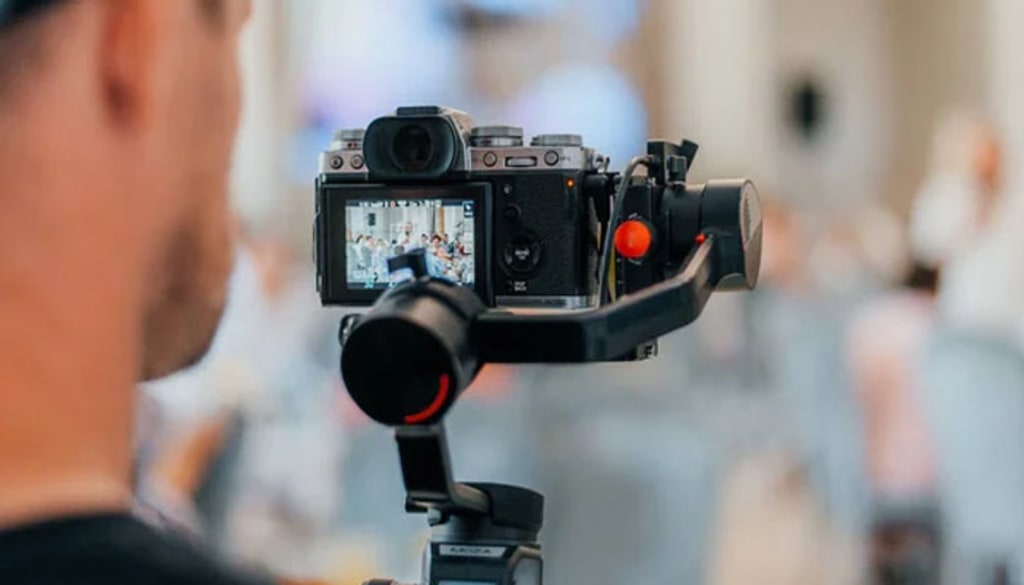
In today’s digital age, it’s almost impossible to go a day without encountering some form of video recording. Whether it’s a live-streamed event, a social media post, or a home surveillance system, video is an essential part of our daily interactions. However, with this ubiquity comes a critical issue: privacy and consent. The question of when, where, and how someone can legally record another person is complex and depends heavily on understanding consent laws. In this blog, we will explore why consent in video recording matters and how understanding these laws can help protect your privacy in a world where recording is becoming more and more common.
What is Consent in Video Recording?
Consent, in its simplest form, is the act of agreeing to something. In the context of video recording, consent refers to a person’s permission to be recorded. Whether in a personal setting, at a public event, or even in the workplace, understanding when consent is needed—and when it is not—is crucial to protecting your rights.
Video recording without consent can lead to serious consequences, ranging from violations of privacy to legal actions. That’s why understanding the concept of consent, particularly in video recording situations, is so important.
One-Party vs. All-Party Consent Laws
The legality of video recording varies across jurisdictions, but consent laws generally fall into one of two categories: one-party consent or all-party consent laws.
One-Party Consent: In one-party consent states, only one person in the recorded conversation or interaction needs to agree to the recording. If you're a part of the conversation, you can legally record it without informing the other parties involved. This is the law in many states, including New Jersey, making it legal for you to record a conversation as long as you are part of it.
All-Party Consent: In all-party consent states, everyone involved in the conversation must agree to be recorded. This means that you cannot secretly record a private conversation unless everyone involved is aware and has agreed to the recording. States like California and Florida have all-party consent laws, and violating these laws can lead to serious penalties, including fines and imprisonment.
These laws apply primarily to audio recordings but can also extend to video recording, particularly when conversations are involved. In most cases, public spaces have fewer restrictions because people generally have a lower expectation of privacy. However, private settings, such as homes or private offices, are more protected, and secret recording in these spaces is often considered illegal.
Public vs. Private Spaces: The Expectation of Privacy
When it comes to video recording, the expectation of privacy is a key factor in determining whether consent is needed. People have a reasonable expectation of privacy in certain environments, while in others, their expectation is much lower.
Public Spaces: In public spaces, such as streets, parks, or large public events, the expectation of privacy is minimal. This means that video recordings in public spaces are generally legal without consent. For example, if you're filming a street performer or a protest, it's likely not a violation of anyone’s privacy, as those people have knowingly entered a public space with a reduced expectation of privacy.
Private Spaces: In private spaces like your home, a hotel room, or even a bathroom, individuals have a strong expectation of privacy. Filming someone without their knowledge in these areas can be considered a violation of privacy rights and may lead to legal consequences. For example, secretly recording someone in their home or during private conversations can result in charges of invasion of privacy.
The Legal Risks of Video Recording Without Consent
Recording someone without their consent, especially in private settings, can expose you to various legal consequences. If someone feels their privacy has been violated, they may take legal action for invasion of privacy. In some jurisdictions, you can face criminal charges for recording without consent, including fines or imprisonment, depending on the severity of the violation.
Even in public spaces, if the video recording is intended to harm the person (for instance, using the video to harass, defame, or embarrass them), it may be subject to legal action. Certain circumstances, such as filming in locker rooms or bathrooms, can also result in severe penalties due to the sensitive nature of the content.
How to Protect Your Privacy and Rights
To protect your privacy, it’s essential to be aware of your rights and take steps to ensure you’re not being filmed without your consent. Here are some tips:
Know the Laws in Your State: Different states have different rules regarding consent, so it’s important to understand whether you live in a one-party or all-party consent state. Make sure you're aware of your rights when it comes to recording and being recorded.
Be Mindful of Your Environment: Remember that in public spaces, you generally have less privacy, and recordings are usually allowed. However, in private spaces, you have a stronger right to expect privacy, and people should ask for consent before recording you.
Request Consent When Filming Others: If you plan to record someone, always ask for permission. This not only protects their privacy but also avoids potential legal issues.
Conclusion: Respecting Consent in a Digital World
As technology continues to advance and recording devices become more accessible, respecting consent has never been more important. Whether you're recording a conversation, a video blog, or capturing a memory, it's essential to always be mindful of others' privacy. Understanding consent laws and protecting your own privacy will help ensure that the digital world remains a safe and respectful place for everyone.
About the Creator
Anneaurora Grace
I am Anne Aurora Grace, an experienced legal writer, and i am currently working on My Legal Opinion, where I provide in-depth analysis and well-reasoned insights into various legal matters.
Enjoyed the story? Support the Creator.
Subscribe for free to receive all their stories in your feed.
Comments
There are no comments for this story
Be the first to respond and start the conversation.