
Self-discovery without the price tag — lessons from Daniel Raphael
Personal growth shouldn't cost a fortune. Here's how one coach is changing that.

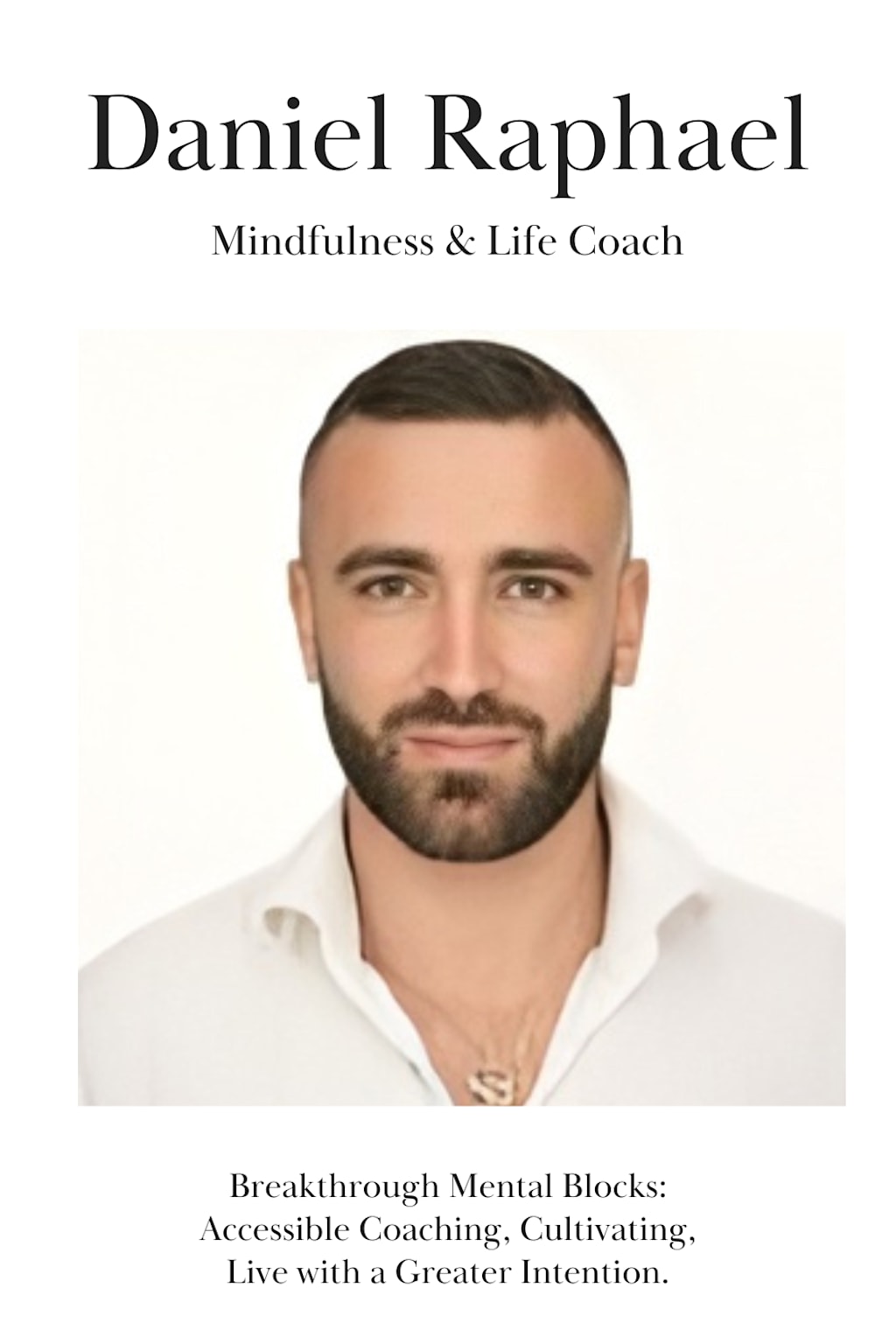
Most people who want to work on themselves hit the same wall — the price tag. Therapy feels out of reach. High-end coaching programs run into thousands. And the free stuff online? It's either too vague or buried under someone trying to sell you something.
That's exactly the gap Daniel Raphael set out to close.
Through Dreamporting, his coaching and conscious living platform, Raphael has built something that feels different from what's usually on offer. Not because it's dressed up in clever marketing, but because the core idea is genuinely simple — self-discovery should be available to anyone willing to do the inner work, regardless of what's in their bank account.
This blog breaks down what makes his approach work, why accessibility matters in personal development, and what everyday people can actually take from it.
Why personal development has an access problem
Walk into the personal growth space and you'll notice something quickly. The loudest voices tend to come from the most expensive corners.
Weekend retreats. Mastermind groups. One-on-one executive coaching. These things have value, no question. But they also have price points that quietly filter out a huge portion of the people who need them most.
The cost of self-work
A single coaching session with a well-known coach can run anywhere from $200 to $500 an hour. A year-long program? Easily $5,000 to $20,000. For someone earning an average wage, those numbers aren't just steep — they're impossible.
The result is a system where personal growth becomes a luxury. Something you "do" once you've already made it.
Daniel Raphael noticed this and built his work around a different assumption: that the desire to understand yourself isn't tied to income.
What Daniel Raphael actually teaches
Raphael's approach sits at the intersection of mindfulness, consciousness-based practices, and practical coaching. It's not a rigid system. It's more like a set of tools — each one designed to help you pay attention to what's already happening inside you.
Mindfulness as a starting point, not a destination
A lot of mindfulness content treats the practice like an endpoint. Meditate every day, and you'll eventually arrive somewhere peaceful. Raphael frames it differently.
For him, mindfulness is the beginning of a conversation with yourself. A way to get quiet enough to hear what you actually think — separate from the noise of other people's expectations, social media, and the constant pressure to perform.
That's a small but meaningful reframe. It makes mindfulness feel less like a discipline and more like a skill you're learning for a real reason.
Conscious living — what it means in practice
The phrase "conscious living" gets thrown around a lot. It can mean almost anything, which is part of why it means almost nothing to most people.
Here's how Daniel Raphael uses it: making choices — about how you spend your time, who you spend it with, what you consume, what you say — with some degree of intention rather than pure habit.
Not every choice, every day. That would be exhausting. But enough awareness to notice when you're running on autopilot and ask yourself if the autopilot is actually taking you where you want to go.
What makes Dreamporting different
People who have explored Dreamporting often mention the same thing in reviews — the absence of performance. There's no pressure to reach a particular outcome or follow a fixed path.
That's unusual. Most coaching programs, even good ones, are built around defined results: lose the weight, close the deal, hit the revenue target. Dreamporting is more interested in helping people understand why they do what they do, and whether that still makes sense for them.
Accessible by design, not by accident
This isn't a case of a premium product adding a discount tier. Dreamporting was designed from the start with economic accessibility as a core value.
For Daniel Raphael, that's personal. He's worked with people from genuinely diverse backgrounds — different countries, different incomes, different life stages — and seen firsthand how much of the personal development world simply wasn't built for them.
The platform reflects that. Programs are priced to be within reach. The language is clear, not jargon-heavy. And the practices don't require expensive equipment, a dedicated studio, or a particular lifestyle to apply.
What Dreamporting reviews tend to say
People exploring Dreamporting reviews tend to notice a consistent thread: they felt like the work was theirs. Not handed to them. Not prescribed. Just supported.
That's a harder thing to build than it sounds. It requires a coach who trusts the person in front of them more than the methodology behind them.
Three things you can take from Daniel Raphael's approach — starting today
You don't need to sign up for anything to apply the thinking behind this work. Here are three ideas worth sitting with:
Slow down before you scale up. Most people try to fix their habits before understanding why those habits exist. Start with curiosity, not correction.
Question the price of "free" content. A lot of free personal development content is free because it's selling you something else. Ask what the real cost is.
Treat self-discovery as ongoing, not a one-time event. There's no moment where you've "done the inner work." It's a practice, not a project.
Final thoughts
What Daniel Raphael offers isn't complicated. In fact, the simplicity is part of the point.
Good personal development doesn't have to arrive in a premium package with a premium price. It can look like a quiet, honest conversation with yourself — guided by someone who genuinely believes you're capable of having it.
If you've been waiting for the "right time" or the right budget to start working on yourself, Raphael's approach suggests the same thing the best coaches usually do: you don't need more resources. You need a clearer starting point.
And that, it turns out, is something anyone can afford.
About the Creator
Jeffrey D. Gross MD
Jeffrey D. Gross MD journey from a small Ohio town to pioneering neurosurgeon and researcher is inspiring. A high school research role at NIH paved the way for an illustrious career.
Enjoyed the story? Support the Creator.
Subscribe for free to receive all their stories in your feed.
Comments
There are no comments for this story
Be the first to respond and start the conversation.