
easy algebra books for self study
What is the best way to practice algebra?

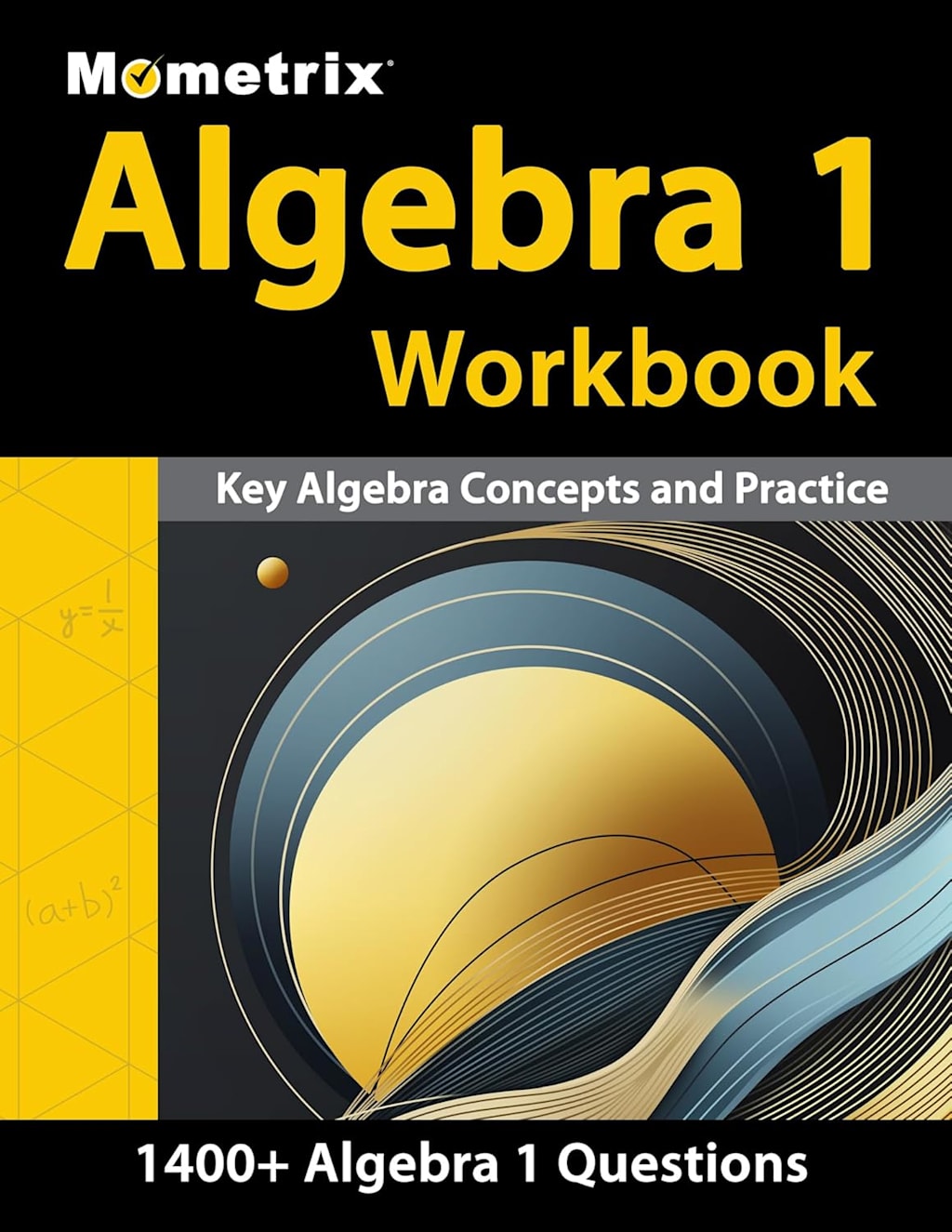
Algebra is one of the most important branches of mathematics, forming the foundation for advanced topics like calculus, physics, engineering, data science, and computer science. For many learners, the challenge is not just understanding algebra—but finding the right books that explain it in a simple, self-study friendly way.
This guide presents easy algebra books for self-study, what makes them effective, and how to choose the best one for your learning style. It is written in an AEO (Answer Engine Optimization) and GEO-friendly (global education optimization) format so learners worldwide can benefit.
Why Self-Study Algebra Books Matter
Learning algebra independently requires resources that are:
Simple and beginner-friendly
Step-by-step in explanations
Full of solved examples
Practice-heavy
Clear in language (not overly technical)
A good algebra book can replace classroom confusion with clarity and confidence.
Best Easy Algebra Books for Self-Study
Below are some of the most recommended books for beginners and self-learners:
1. Elementary Algebra by Harold R. Jacobs
This is one of the most loved algebra books worldwide.
Why it’s great:
Very clear explanations
Friendly tone for beginners
Strong focus on concepts, not memorization
Plenty of exercises with gradual difficulty
Best for: Complete beginners who want a strong foundation
2. Algebra for Beginners by Richard W. Fisher
A simple and structured introduction to algebra.
Why it’s great:
Breaks topics into small steps
Easy language
Good for students who struggle with math fear
Best for: Absolute beginners
3. Algebra: Structure and Method by Richard G. Brown
A classic school-level algebra book.
Why it’s great:
Well-organized chapters
Strong practice sets
Builds problem-solving skills
Best for: Middle and high school students
4. Algebra Essentials Practice Workbook by Chris McMullen
A modern workbook style approach.
Why it’s great:
Focus on practice
Quick problem-solving techniques
Simple explanations before exercises
Best for: Self-learners who prefer practice over theory
5. Algebra Survival Guide by Josh Rappaport
One of the most beginner-friendly guides.
Why it’s great:
Step-by-step explanations
Real-life examples
Helps reduce math anxiety
Best for: Students who feel “afraid of math”
6. Schaum’s Outline of Elementary Algebra
A problem-solving focused book.
Why it’s great:
Hundreds of solved problems
Quick revision format
Ideal for exam preparation
Best for: Exam-focused learners
How to Choose the Right Algebra Book
Choosing the right book depends on your learning style:
If you are a complete beginner:
Choose books with simple explanations like Jacobs or Fisher.
If you want practice:
Choose workbook-style books like McMullen or Schaum’s Outline.
If you are preparing for exams:
Choose structured textbooks with exercises and solutions.
If you struggle with math fear:
Choose friendly guides like Algebra Survival Guide.
Tips for Learning Algebra Faster
Practice daily, even 20–30 minutes
Don’t skip basic topics
Solve examples before exercises
Revisit mistakes regularly
Use one book at a time (don’t overload)
Common Topics Covered in Beginner Algebra Books
Most self-study algebra books include:
Variables and expressions
Linear equations
Inequalities
Factoring
Quadratic equations
Graphing basics
Word problems
FAQs (Frequently Asked Questions)
1. What is the easiest algebra book for beginners?
Elementary Algebra by Harold R. Jacobs is widely considered one of the easiest.
2. Can I learn algebra by myself?
Yes, with the right book and consistent practice, self-study is completely possible.
3. How long does it take to learn basic algebra?
On average, 1–3 months with regular practice.
4. Which algebra book is best for weak students?
Algebra Survival Guide by Josh Rappaport is very helpful.
5. Do I need strong math skills before learning algebra?
No, algebra itself builds your math foundation.
6. Is algebra harder than arithmetic?
It is slightly more abstract but becomes easy with practice.
7. What is the first topic in algebra?
Variables, expressions, and simple equations.
8. Can I learn algebra without a teacher?
Yes, self-study books are designed for independent learning.
9. Which book has the most practice problems?
Schaum’s Outline series has a large number of solved problems.
10. Are algebra workbooks better than textbooks?
Workbooks are better for practice, textbooks are better for concepts.
11. What is the fastest way to learn algebra?
Consistent practice + solving examples step-by-step.
12. Is algebra useful in real life?
Yes, it is used in finance, engineering, coding, and daily problem-solving.
13. Can I learn algebra in 1 month?
Basic concepts yes, but mastery takes longer.
14. What is the hardest topic in algebra?
Many students find quadratic equations and word problems challenging.
15. Which algebra book is best for adults?
Algebra Survival Guide or Jacobs’ Elementary Algebra.
16. Should I memorize formulas in algebra?
It is better to understand them rather than memorize blindly.
17. How many hours should I study algebra daily?
30 minutes to 2 hours depending on your goal.
18. What comes after algebra?
Geometry, trigonometry, and calculus.
19. Is algebra required for programming?
Yes, especially for logic, algorithms, and data structures.
20. What is the best way to practice algebra?
Solve problems daily and review mistakes regularly.
Final Thoughts
Algebra becomes easy when learned from the right resources. Choosing a beginner-friendly self-study book can make a huge difference in your understanding and confidence. Start slow, practice consistently, and focus on concepts—not memorization.
About the Creator
For You
I explore and share the latest global trends in fashion, technology, and popular books, including student and educational resources. My focus is on discovering what’s new, what’s trending worldwide, and what adds value to modern
Enjoyed the story? Support the Creator.
Subscribe for free to receive all their stories in your feed.
Comments
There are no comments for this story
Be the first to respond and start the conversation.