
Atomic Habits: How Small Daily Changes Create Big Life Results
In his bestselling book Atomic Habits, author James Clear flips the traditional goal-setting script. His core message? Big changes don’t come from massive effort all at once — they come from small, consistent actions, or “atomic habits,” compounded over time.
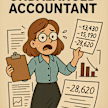

We’ve all been there, setting New Year’s resolutions or ambitious personal goals, picturing our dream life, and mapping out the perfect strategy to get there. For a few days, motivation is high. Then we skip a workout, break our diet, or miss a deadline. Soon after, we convince ourselves that our goals are unachievable — or worse, that we never really wanted them in the first place.
But here’s the thing: our repeated failures aren’t about laziness or lack of willpower. They’re about the wrong approach.
In his bestselling book Atomic Habits, author James Clear flips the traditional goal-setting script. His core message? Big changes don’t come from massive effort all at once — they come from small, consistent actions, or “atomic habits,” compounded over time.
Why 1% Improvements Matter
Clear’s main idea is simple: instead of chasing overnight transformations, focus on improving just 1% every day. While that change may be invisible at first, it compounds like interest in a bank account. One day, you’ll look up and realize you’re halfway to success — without the burnout that often kills bigger, bolder plans.
Here’s the catch: The most powerful outcomes of compounding are delayed. It’s like planting a seed — nothing seems to happen for weeks, but underground, growth is happening. Patience is not just helpful; it’s essential.
A Practical Example: Running and Financial Fitness
Let’s take a real-life example. I love running, and I’m also on a journey to improve my finances. Do I expect to wake up tomorrow able to run a marathon and be debt-free? Absolutely not.
To reach my goals — running more than 2 miles (marathons are not on my list) and building financial stability — I need systems:
- Healthy eating habits to fuel my runs
- A structured training schedule
- Money management routines to ensure I spend less than I earn
This is the key difference:
- Goals focus on the results you want.
- Systems focus on the processes that make those results inevitable.
A great system creates progress almost on autopilot.
Why Good Habits Stick (and Bad Ones Do Too)
Many good habits — exercise, meditation, journaling, cooking — are easy to start but hard to maintain past the “honeymoon” phase. Bad habits like junk food, binge-watching TV, procrastination, or smoking stick around far too easily.
Why? Because our habits are tied to our identity. If you still see yourself as “someone who can’t stick to routines,” your actions will match that belief. The shift happens when you start thinking, “I am a runner” instead of “I want to run a marathon.”
The Four Laws of Behavior Change
James Clear’s habit-building framework is both simple and powerful:
- Make it obvious – Put cues for good habits where you’ll see them.
- Make it attractive – Pair the habit with something enjoyable.
- Make it easy – Reduce friction so it’s simple to do.
- Make it satisfying – Add rewards that reinforce the habit.
To break bad habits, reverse the rules: make them invisible, unattractive, difficult, and unsatisfying.
Commitment Devices: Outsmarting Your Future Self
Commitment devices are strategies that lock you into good habits by making it harder (or more expensive) to quit.
- Want to exercise? Pay for a yoga class in advance.
- Starting a business? Book a consultation with an entrepreneur.
When the time comes, skipping out requires extra effort — and maybe a financial penalty. This tilts the odds in favor of doing the right thing.
Better yet, design your environment so good habits are inevitable and bad habits are impossible.
Making Avoidance Rewarding
Avoidance habits — like not buying junk food or skipping happy hour drinks — can feel unsatisfying because there’s no immediate reward. Clear suggests making the reward visible:
Open a savings account labeled for something you want (like “Leather Jacket”). Each time you resist a temptation, transfer the money you would have spent. Skip your latte? Add $5. Cancel Netflix? Add $10. Watching your progress grow makes saying “no” feel good.
The Compound Effect in Action
These small, daily wins may seem trivial, but over months and years, they shape your identity, your environment, and your life. The hardest part is starting. Once your habits are locked in, they run with almost no extra effort.
Practical Takeaways
- Start small — aim for 1% daily improvement.
- Be patient — compounding takes time.
- Build systems, not just goals.
- Make habits obvious, attractive, easy, and satisfying.
- Use commitment devices to lock in good behaviors.
- Make avoidance visible so “no” feels rewarding.
- Shape your identity around the habits you want.
Final Thought
Your life today is the sum of your habits. Change your habits, and you change your future. Atomic habits aren’t about instant transformation — they’re about steady, unstoppable momentum toward becoming the person you want to be.
About the Creator
Joann Bloom
An accountant in her 30s sharing the real, messy journey from heartbreak to financial freedom. Honest stories, practical tips, and a little humor for anyone paying off debt and rebuilding life.
https://theunbalancedaccountant3.wordpress.com/
Enjoyed the story? Support the Creator.
Subscribe for free to receive all their stories in your feed.
Comments
There are no comments for this story
Be the first to respond and start the conversation.