social media
On social media, looks are everything; get inspiration from your newsfeed, discuss its influence on our perceptions of beauty and much more.
The Best Eye Cream for Dark Circles, Puffiness, and Wrinkles: A Complete Guide
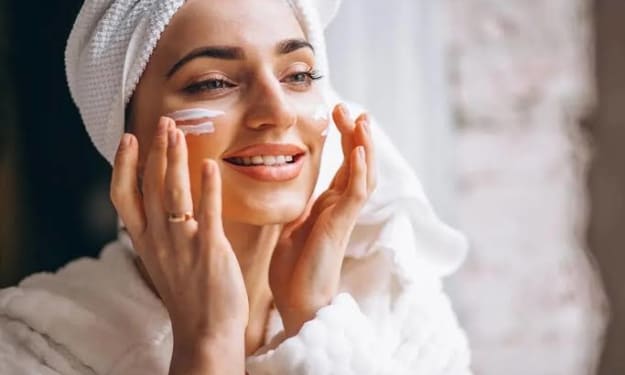
The delicate skin around your eyes is often the first area to show signs of aging, stress, or fatigue. Dark circles, puffiness, and wrinkles can make you look tired and older than you feel. Thankfully, the right eye cream can work wonders. But with so many options on the market, how do you choose the best one? This blog explores the key ingredients, benefits, and recommendations to help you find the perfect eye cream. --- Why Use an Eye Cream? Eye creams are specially formulated for the thin, sensitive skin around your eyes. Unlike regular moisturizers, they often contain concentrated ingredients that target specific issues like dark circles, puffiness, and fine lines. The benefits of a good eye cream include: Hydration: Keeps the under-eye area soft and smooth. Reduction of Dark Circles: Lightens pigmentation for a brighter look. De-puffing Effects: Reduces swelling and puffiness. Anti-aging Benefits: Minimizes wrinkles and fine lines over time. --- Key Ingredients to Look For To choose the best eye cream, it's essential to understand the ingredients that address your specific concerns. Here’s what to look for: 1. For Dark Circles Vitamin C: A powerful antioxidant that brightens skin and reduces pigmentation. Niacinamide: Improves skin tone and reduces discoloration. Caffeine: Improves blood circulation and reduces dullness. 2. For Puffiness Caffeine: Decreases puffiness by constricting blood vessels. Green Tea Extract: Soothes inflammation and reduces swelling. Aloe Vera: Hydrates and calms the skin. 3. For Wrinkles Retinol: Stimulates collagen production and smooths fine lines. Peptides: Boosts skin elasticity and reduces the appearance of wrinkles. Hyaluronic Acid: Provides deep hydration, plumping the skin. --- How to Choose the Right Eye Cream 1. Identify Your Main Concern If you’re battling multiple issues, choose a multi-functional eye cream. For example, a product with caffeine and retinol can tackle both puffiness and wrinkles. 2. Check for Sensitivity The skin around your eyes is highly sensitive, so look for fragrance-free and hypoallergenic options if you have sensitive skin. 3. Age Matters Younger skin may benefit from lightweight, hydrating creams, while mature skin might need anti-aging formulas with peptides and retinol. --- Top Recommended Eye Creams Here are some of the best eye creams on the market that address dark circles, puffiness, and wrinkles: 1. La Roche-Posay Pigmentclar Eye Cream Key Ingredients: Niacinamide, caffeine Benefits: Reduces dark circles and puffiness, lightweight texture 2. Neutrogena Rapid Wrinkle Repair Eye Cream Key Ingredients: Retinol, hyaluronic acid Benefits: Smooths fine lines, deeply hydrates 3. CeraVe Eye Repair Cream Key Ingredients: Ceramides, hyaluronic acid, niacinamide Benefits: Hydrating, gentle for sensitive skin 4. Kiehl’s Creamy Eye Treatment with Avocado Key Ingredients: Avocado oil, shea butter Benefits: Rich hydration, reduces puffiness 5. Olay Eyes Brightening Cream Key Ingredients: Vitamin C, peptides Benefits: Brightens under-eye skin, reduces wrinkles --- Application Tips for Best Results Using the best eye cream is only effective if you apply it correctly. Follow these tips: 1. Use Sparingly: A pea-sized amount is sufficient for both eyes. 2. Pat, Don’t Rub: Gently tap the cream with your ring finger to avoid tugging at the skin. 3. Apply Twice Daily: Use in the morning and evening for optimal results. 4. Combine with Sunscreen: Protect your eyes from UV damage during the day. --- Conclusion The best eye cream for dark circles, puffiness, and wrinkles depends on your unique needs and skin type. Look for targeted ingredients like caffeine, retinol, and hyaluronic acid, and be consistent with your application. Whether you’re combating signs of aging or just need a boost of hydration, investing in a quality eye cream is a step toward brighter, healthier-looking eyes. Your eyes deserve care, so choose wisely and let your skincare routine work its magic!
By INFO INSIDER 2 years ago in Blush
All-inclusive Driver Education for All Ability Levels
Being able to drive is one of the most significant life milestones. It stands for liberty, self-reliance, and opportunity for many. However, the process of becoming a confident driver after being a novice can be frightening, particularly for people with different skill levels or special learning requirements. This is where all-inclusive driving education enters in, guaranteeing that everyone—regardless of experience, confidence, or specific requirements—can learn to navigate the roads safely and effectively.
By Legacy Driving School2 years ago in Blush
Trending Skincare Mistakes You Should Skip in 2025
The skincare industry is always evolving, with new trends and products making headlines every year. While some of these innovations can do wonders for your skin, others might lead you down the path of frustration and even skin damage. In 2025, as technology and social media continue to influence our beauty routines, it’s more important than ever to separate fact from fiction. Below, we outline the top skincare mistakes trending this year and why you should steer clear of them. 1. Overusing Active Ingredients Active ingredients like retinol, vitamin C, and AHAs (alpha hydroxy acids) have become the cornerstone of many skincare routines. However, the overuse of these potent products is one of the biggest mistakes people are making in 2025. Excessive application can disrupt your skin’s barrier, leading to redness, dryness, and increased sensitivity. What to do instead: Stick to a balanced approach by introducing one active ingredient at a time and using them on alternate days. Pay attention to your skin’s tolerance and adjust your routine accordingly. 2. DIY Skincare Gone Wrong DIY skincare has seen a resurgence thanks to platforms like TikTok and Instagram. While it may be tempting to whip up a homemade face mask with ingredients like lemon juice or baking soda, these can cause more harm than good. Lemon juice, for instance, is highly acidic and can lead to irritation or even chemical burns. Baking soda disrupts your skin’s natural pH balance, leaving it vulnerable to damage. What to do instead: Opt for dermatologist-approved products that are specifically formulated for your skin type. If you’re keen on natural remedies, consult a professional for safe alternatives. 3. Skipping Sunscreen on Cloudy Days Despite ongoing awareness campaigns, many people still skip sunscreen on overcast days or while staying indoors. This trend persists even in 2025, fueled by misconceptions about UV exposure. The reality is that up to 80% of the sun’s UV rays can penetrate clouds, and indoor light sources can emit skin-damaging blue light. What to do instead: Make sunscreen a non-negotiable part of your daily routine, regardless of the weather or your location. Choose a broad-spectrum sunscreen with at least SPF 30 and reapply every two hours if you’re outdoors. 4. Over-Exfoliating for Instant Glow Exfoliation is crucial for removing dead skin cells and promoting cell turnover. However, over-exfoliation is a common mistake, particularly with the popularity of scrubs and chemical exfoliants in 2025. Overdoing it can strip your skin of its natural oils, leading to sensitivity, inflammation, and even breakouts. What to do instead: Limit exfoliation to 1-2 times per week, depending on your skin type. Use gentle products and always follow up with a soothing moisturizer to restore hydration. 5. Falling for Viral “One-Size-Fits-All” Trends Social media has made skincare trends go viral overnight, from slugging to skin cycling. While these techniques may work wonders for some, they’re not universal solutions. Following trends blindly can lead to ineffective results or exacerbate existing skin concerns. What to do instead: Tailor your skincare routine to your individual needs. Consult a dermatologist or licensed esthetician to create a plan that’s right for you. 6. Neglecting the Neck and Hands In 2025, facial skincare remains a top priority, but the neck and hands are often overlooked. These areas are just as prone to signs of aging and environmental damage as your face. Neglecting them can result in uneven skin tone and premature aging. What to do instead: Extend your skincare routine to include your neck and hands. Apply sunscreen, moisturizer, and other treatments to these areas daily. 7. Relying Too Much on Beauty Tech Gadgets Beauty tech gadgets like LED masks and microcurrent devices are more accessible than ever, but relying on them as a primary skincare solution is a growing mistake. Misuse or overuse of these devices can lead to unintended consequences, such as irritation or uneven results. What to do instead: Use beauty tech gadgets as a supplement to your existing skincare routine, not a replacement. Always follow the manufacturer’s guidelines and consult a professional for advice if needed. 8. Ignoring the Importance of Sleep and Diet The “skinimalism” trend emphasizes simplicity, but some people mistakenly believe that a streamlined skincare routine is enough to achieve glowing skin. Sleep deprivation and a poor diet can negate the effects of even the best skincare products. What to do instead: Prioritize holistic wellness by getting 7-9 hours of quality sleep each night and maintaining a balanced diet rich in vitamins and antioxidants. Hydration is equally important—aim for at least 8 glasses of water daily. 9. Switching Products Too Quickly In the quest for flawless skin, many people switch products frequently without giving them enough time to work. This impatience is amplified in 2025 by the constant stream of new launches and reviews on social media. Changing products too often can confuse your skin and delay visible results. What to do instead: Commit to using a product for at least 4-6 weeks before evaluating its effectiveness. Patience is key to understanding what truly works for your skin. 10. Not Double-Cleansing When Wearing Makeup Double cleansing is essential for effectively removing makeup, sunscreen, and pollutants. Skipping this step can lead to clogged pores and breakouts. Yet, many people underestimate its importance, especially on days when they feel too tired. What to do instead: Incorporate a two-step cleansing routine into your nightly ritual. Start with an oil-based cleanser to dissolve makeup and follow up with a gentle water-based cleanser to remove impurities. Conclusion In 2025, the key to successful skincare is striking a balance between innovation and tried-and-true practices. Avoiding these trending mistakes can save you time, money, and unnecessary frustration. Remember, healthy skin is a journey that requires consistency, mindfulness, and a personalized approach. By staying informed and avoiding these pitfalls, you’ll be well on your way to achieving your best skin yet.
By INFO INSIDER 2 years ago in Blush
How to Use Beer for Hair Growth
When it comes to natural remedies for hair care, beer might not be the first thing that comes to mind. However, this popular beverage is more than just a refreshing drink; it has surprising benefits for your hair. Packed with essential nutrients, vitamins, and proteins, beer can help promote healthier, shinier, and thicker hair. In this article, we’ll explore how beer can be used as part of your hair care routine to stimulate growth and improve overall hair health. Why Beer is Good for Your Hair Beer contains several components that can work wonders for your hair: B Vitamins: Beer is rich in B vitamins, particularly biotin, which strengthens hair strands and reduces hair breakage. Proteins: The malt and hops in beer provide proteins that repair damaged hair and improve its texture. Silica: Silica promotes thicker hair and can enhance volume. Natural Sugars: These sugars tighten the hair cuticles, giving your hair a shiny and smooth appearance. Yeast: Brewer’s yeast in beer helps in fighting dandruff and balancing the scalp's pH level. How to Use Beer for Hair Growth Here are some tried-and-tested methods to incorporate beer into your hair care routine: 1. Beer Rinse A beer rinse is one of the easiest and most effective ways to use beer for hair growth. Step 1: Choose a flat beer. Open a bottle or can of beer and let it sit overnight to allow the carbonation to dissipate. Step 2: Wash your hair with a mild shampoo and rinse it thoroughly. Step 3: Pour the flat beer onto your hair, ensuring it covers the scalp and strands. Step 4: Gently massage your scalp for 3-5 minutes to stimulate blood flow. Step 5: Let it sit for another 5-10 minutes. Step 6: Rinse your hair with lukewarm water. Repeat this process once a week for best results. 2. Beer and Egg Mask This protein-packed mask strengthens hair and encourages growth. Ingredients: 1/2 cup of flat beer 1 egg 1 tablespoon of olive oil (optional) Steps: Whisk the egg in a bowl and mix it with the beer. Add olive oil for extra nourishment. Apply the mixture evenly to your scalp and hair. Cover your hair with a shower cap and leave it on for 20-30 minutes. Rinse thoroughly with lukewarm water, followed by a mild shampoo. 3. Beer and Honey Conditioner Honey’s moisturizing properties combined with beer’s nutrients can make your hair soft and shiny. Ingredients: 1/2 cup of flat beer 2 tablespoons of honey Steps: Mix the beer and honey until well combined. Apply the mixture to your hair after shampooing. Leave it on for 10-15 minutes. Rinse thoroughly with lukewarm water. 4. Beer Spray for Daily Use If you’re looking for a leave-in option, try a beer spray. Steps: Mix flat beer with equal parts water. Pour the mixture into a spray bottle. Lightly spritz it onto your hair and scalp before styling. Tips for Using Beer on Hair Use Flat Beer: Carbonation can make beer too harsh for your hair, so always let it go flat before use. Choose Light Beers: Dark beers may leave a residue or stain lighter hair. Rinse Thoroughly: Ensure you rinse out the beer to avoid lingering smells. Don’t Overuse: Using beer too frequently can dry out your hair. Limit applications to once or twice a week. Additional Benefits of Using Beer for Hair Improves Hair Texture: The proteins in beer repair damaged cuticles, making your hair smoother and more manageable. Boosts Volume: Silica in beer helps to add body and volume to fine or thinning hair. Reduces Dandruff: The yeast in beer fights dandruff and promotes a healthy scalp. Balances Scalp pH: Beer’s slightly acidic pH helps to restore the scalp’s natural balance. Precautions While beer can be beneficial for your hair, it’s essential to use it correctly to avoid potential drawbacks: Alcohol Content: The alcohol in beer can be drying. Always condition your hair after using beer treatments. Allergies: If you’re allergic to any ingredients in beer, perform a patch test before applying it to your scalp. Odor: To combat any residual beer smell, rinse your hair with a few drops of essential oil in water. Final Thoughts Using beer for hair growth is a natural and cost-effective way to enhance the health and appearance of your hair. Its rich blend of nutrients, proteins, and vitamins makes it an excellent addition to your hair care routine. By following these simple methods, you can unlock the potential of beer to achieve stronger, shinier, and more voluminous locks. So the next time you crack open a cold one, consider saving some for your hair – it might just thank you for it!
By INFO INSIDER 2 years ago in Blush
10 Healthy Hair Habits to Adopt in 2025 for Super Strong Hair
Strong, healthy hair is more than just a beauty goal; it’s a reflection of overall well-being. As we step into 2025, it’s time to revamp your hair care routine and embrace habits that nourish your locks from root to tip. Here are ten hair care habits that will leave your tresses stronger, shinier, and more resilient this year. 1. Hydrate from Within Healthy hair starts from the inside out. Staying hydrated is essential for keeping your hair strong and preventing dryness. Aim to drink at least eight glasses of water daily and incorporate hydrating foods like cucumbers, watermelon, and oranges into your diet. Proper hydration ensures your scalp stays healthy, which is the foundation for vibrant hair growth. 2. Eat for Hair Health Your diet plays a crucial role in the strength and appearance of your hair. Include protein-rich foods like eggs, fish, and legumes, as hair is primarily made of keratin, a type of protein. Don’t forget to consume foods high in vitamins and minerals, such as spinach for iron, nuts for zinc, and avocados for healthy fats. These nutrients support hair growth and prevent breakage. 3. Wash Wisely Overwashing your hair can strip it of its natural oils, leading to dryness and damage. In 2025, embrace a washing routine tailored to your hair type. If you have dry hair, limit washing to two or three times a week. For oily hair, every other day might be ideal. Always use a sulfate-free shampoo and follow up with a nourishing conditioner to maintain balance. 4. Practice Scalp Care A healthy scalp is the cornerstone of strong hair. Dedicate time to scalp massages with natural oils like coconut, argan, or castor oil to stimulate blood circulation and hair growth. Exfoliate your scalp once a month to remove product buildup and dead skin cells. Look for scalp scrubs or DIY with sugar and your favorite hair oil. 5. Minimize Heat Styling While heat tools can create stunning hairstyles, excessive use leads to weakened and brittle hair. Make 2025 the year you embrace natural textures. When using heat styling tools, always apply a heat protectant and keep the temperature below 400°F. Consider air-drying your hair whenever possible and experiment with heatless styling techniques. 6. Trim Regularly Regular trims are essential for maintaining strong, healthy hair. Schedule a haircut every six to eight weeks to remove split ends and prevent them from traveling up the hair shaft. Even if you’re growing out your hair, trimming damaged ends will help it look fuller and healthier. 7. Choose Hair-Friendly Accessories Say goodbye to tight elastics and harsh hairpins that can cause breakage. Opt for silk scrunchies, fabric headbands, and claw clips to secure your hair gently. Sleeping on a silk or satin pillowcase reduces friction and helps maintain your hair’s moisture, reducing the risk of breakage. 8. Protect Your Hair from the Elements Environmental factors like sun exposure, pollution, and extreme temperatures can wreak havoc on your hair. Use hair products with UV protection to shield your locks from harmful rays. During colder months, wear a hat or scarf to protect your hair from harsh winds and dry air. Rinse your hair with clean water before swimming to minimize chlorine damage. 9. Be Gentle When Brushing Aggressive brushing can lead to unnecessary breakage and hair loss. Use a wide-tooth comb or a detangling brush to work through knots gently, starting from the ends and working your way up. Avoid brushing wet hair unless it’s protected with a leave-in conditioner or detangling spray to reduce tension and breakage. 10. Prioritize Deep Conditioning Deep conditioning treatments are a must for keeping your hair hydrated and resilient. Incorporate a deep conditioning mask into your routine at least once a week. Look for products with ingredients like keratin, shea butter, and aloe vera to restore moisture and strengthen your strands. For an extra boost, use a heated cap or wrap your hair in a warm towel to help the product penetrate deeper. Bonus Tip: Adopt a Stress-Reduction Routine Stress can take a toll on your hair, leading to thinning and shedding. Incorporate stress-relief practices into your daily life, such as yoga, meditation, or journaling. When your body and mind are balanced, your hair health will reflect that harmony. Conclusion Achieving strong, healthy hair in 2025 is all about consistent care and thoughtful practices. By integrating these ten habits into your routine, you’ll nurture your hair’s natural strength and beauty. Remember, healthy hair doesn’t happen overnight, but with patience and dedication, your locks will thank you with every strand shining in its full glory. Cheers to your best hair year yet!
By INFO INSIDER 2 years ago in Blush
How To Make Learning Addictive As Social Media.
I'm from Guatemala, then. This is a public service notice, and Guatemala is located there. Also, that is not where they keep the inmates. We call that Guantanamo. (laughing) Not in the same location. Guatemala is therefore just beneath Mexico. Additionally, for the Americans in the audience, you could consider it Mexico's Mexico. Let that sink in; that's true in the majority of cases. Mexico does not want illegal immigration from Guatemala, just as the United States does not want illegal immigration from Mexico. It is a smaller nation. The nation is impoverished. I'll tell you what, the Mexican food there is far superior. The country of Guatemala is extremely impoverished. Additionally, many people discuss education as a means of promoting equality among various socioeconomic groups. However, I have always viewed it as the contrary, as a source of inequity. The reality is that those with a lot of money can continue to have a lot of money by purchasing a quality education for themselves. On the other hand, those with little money hardly ever learn to read and write, and as a result, they never become wealthy. This is particularly true in underdeveloped nations. Now, even though I didn't have a wealthy upbringing, I was lucky to have an education from a wealthy individual. The reason for this is that I am an only child. Additionally, as a single mother, my mother devoted all of her resources to my schooling. And this made it possible for me to attend a US college and ultimately earn a PhD in computer science. All of this led me to determine ten years ago that I wanted to take action that would ensure everyone had equal access to education. Oh, and granting everyone equal access to education is what I want to discuss with you today. I chose to collaborate with my PhD student, Severin, on this while I was a computer science professor at Carnegie Mellon University. All of education is simply too general a problem for the way my brain functions. So I thought, let's teach one thing first. After that, I began to consider, "Okay, now, We decide that teaching foreign languages is the best subject to start with for a number of reasons, including the fact that there is a large audience for it: there are approximately two billion people around the world who are learning a foreign language both in and out of school, and the majority of them—about 80 percent—are learning English. We both love math, and my cofounder and I both love math. However, we didn't decide to teach math first; instead, we thought that perhaps we should teach computer science. All of the green countries on this strange map are those where English is the primary language of the majority of the population. And the reason for that is that learning English has the power to change your life. Speaking English can greatly boost your earning potential in the majority of nations. Thus, this is still another justification for our decision to begin with foreign languages. The reason for this is because learning a second language, namely English, can directly increase your income. And you see, compared to many other subjects, this is quite different. Take math, for instance. Since you typically need to learn arithmetic before learning physics in order to become a civil engineer, which is how you make more money, simply knowing math does not boost your earning potential. With languages, however, you can work as a waiter at a hotel and earn more money if you learn English. Thus, we made the decision to begin teaching languages. We now also persuaded ourselves that using a mobile phone—more specifically, a smartphone—was the only effective way to reach a large number of people. You see, it's just too costly to build schools everywhere. However, the majority of people on the planet currently own a smartphone, and this percentage is only expected to rise. At that time, we made the decision to create a mobile phone app that would enable anyone to learn other languages. And then we called it Duolingo. Thank you. In order to make itself fully available to everyone, regardless of wealth, Duolingo now operates on a freemium business model. This implies that you will never have to pay to learn as much as you like. However, you might have to watch an advertisement at the conclusion of a class if you don't pay. Ads can now be disabled by paying to subscribe if you dislike them. It turns out that users who pay to enroll in order to disable the advertisements account for the great bulk of Duolingo these individuals that purchase a subscription in order to disable advertisements? They are typically wealthy individuals from wealthy nations like the US and Canada. Who are those who don't have a subscription fee? Typically, they are from less developed nations like Guatemala, Vietnam, or Brazil. This approach is appealing to me since it essentially makes the wealthy pay for everyone's education, which is a little kind of wealth redistribution. I like that, then We can reach a lot of people with smartphones, and even get the wealthy to pay for it, which is great, but if you try to use them to deliver education, you run into a huge problem because they are loaded with some of the most addictive drugs that humanity has ever created: TikTok, Instagram, and mobile games. You see, delivering education via a smartphone is like hoping that people will eat their broccoli, but right next to it you put the most delicious dessert ever made. If you truly want to deliver education to everyone, you must not only make it accessible, but also make it so that people want to actually learn. And we've been able to accomplish this with Duolingo. At the most advanced level, we achieved this by turning the broccoli into a dessert. Let me put it this way. What we've done is employ the same psychological strategies that mobile games, Instagram, and TikTok use to keep users interested, but in this instance, we've utilized them to keep users interested while educating them. Allow me to illustrate these methods with a few instances. The idea of a streak is among the most potent. Simply said, a streak is a counter that counts the number of days you've used the product in a row. For example, streaks have been criticized for making teens addicted to Snapchat, but in the case of an educational app, they encourage people to return to study every day. To give you an idea of the power of streaks, we have over three million daily active users with a streak longer than 365. You just take that number, put it very prominently in your product, and then people come back every day. Well, if they don't come back, that number resets to zero, and people don't want to lose their streak. This indicates that they haven't missed a day in a year or more. Here's a cool streak fact. According to your estimation, which nation has the longest average streaks for educational apps? It's Japan. Naturally. The shortest streaks ever? Baby, Latin America. But, hey, we're entertaining. Notifications are another crucial tool for encouraging users to return to your product. Notifications can be incredibly intrusive and spammy, but when it comes to educational products, users genuinely want to be reminded to study. To increase the likelihood that users will return, Duolingo's highly advanced artificial intelligence algorithm essentially decides when to send notifications and what to say in each one. It's interesting to note that, despite all of this complexity, the algorithm used to choose when to notify you is actually rather straightforward. What is the ideal moment to notify individuals, in your opinion? Let me inform you. 24 hours have passed since their last use of the product. The explanation is simple. You are most likely available today at 3 p.m. if you were available yesterday at that time. This is what a highly advanced artificial intelligence system worth millions of dollars discovered. It's amusing. Now that notifications are available, you shouldn't be spamming. And we're not spamming; in fact, with Duolingo, we actually stop sending notifications after seven days of inactivity, so if you don't use it for seven days, we stop sending you notifications. Eventually, we realized that we should notify people if we're stopping to send them notifications, so we started sending this notification to people saying, "Hey, these reminders don't seem to be working. We'll stop sending them for now." You know what people do when they receive this notification? They return. These passive-aggressive notifications are very effective at encouraging people to return because they believe that our green owl mascot has given up on them. In addition, because our green owl mascot is the source of all of our notifications and is, well, passive-aggressive and rather pushy, there are a lot of memes on the internet that mock the extreme measures he will take to help you learn a language again. One of my favorites is this one. I think this meme is one of my favorites. In essence, it appears that you have forgotten your Spanish lessons. An intruder warning is then sent out; it is likely that the owl broke into your home to force you to learn a language. Now, Duolingo has become popular. There are also SNL skits and millions of memes about it. And the reason for this is that we have successfully inspired individuals to learn a language by employing the same strategies that social media and mobile games employ to engage users. And let me add this: this is a really crucial topic. Actually, I don't think it's possible to build instructional software as captivating as mobile games, Instagram, or TikTok. The good news is that— And, incidentally, I don't think so since you have to teach people something in the end. Additionally, it's challenging to compete with celebrities and pets. The good news is that you don't have to, in my opinion. Here's the thing, you see. You find meaning in the things you are learning. On the other hand, after spending two hours looking through Instagram, you frequently feel as though you squandered your time. Since people's internal motivation will supply the remaining 10 or 20 percent, I believe it's actually acceptable if your instructional product is just 80 or 90 percent as interesting as something like TikTok—though obviously not much more than that. This is a really important aspect. You may utilize the same strategies used by social networking apps to encourage people to take action if you want to get them to do something worthwhile. You can still get hundreds of millions of people to use your product, even if you're not as interesting as other apps. For instance, the number of Americans learning languages on Duolingo exceeds the total number of language learners in all US high schools at the same time. And in the majority of nations worldwide, this is accurate. I'm confident that we can accomplish this, but I'm hoping that humanity can emulate Duolingo's success in language learning and apply it to all other subjects. where we can encourage millions of people to learn physics, math, or any other subject using their mobile phones. I look forward to a time when screen time is not a terrible thing and when everyone, regardless of wealth, may receive top-notch education via a mobile device. The most crucial thing I can say to wrap up this discussion, though, is to remind you to complete your language classes today. Many thanks. Thank you. Walters, Helen: Thank you so lot, Luis. Could you elaborate on that last point a bit? How do you believe this kind of thinking can be applied to other subjects? You brought up arithmetic and similar topics. How is that accomplished? Luis von Ahn I believe this is especially true for subjects that are learned by repetition, and it turns out that the majority of things that have any real significance are taught through thousands of repeats. Repetition helps you learn to read, and it helps you learn math in primary school. The majority of topics that can be learned by repetition may be made more entertaining and engaging by gamifying them, much like Duolingo. Things like explanations are a little more difficult. That probably is going to require some really good videos. Sal Khan is performing admirably in that regard. But for activities that require a lot of repetition, I think we can utilize the same methods.
By Kasnom Goje2 years ago in Blush
10 Top SEO Experts in the World 2025 (Updated List)
Introduction: Top 10 SEO experts in the world have redefined digital marketing with their innovative strategies and unmatched expertise. These professionals, including industry leaders like Zulfiqar Ali Abro and Mehboob Shar, have helped businesses achieve exceptional online visibility and growth. Here’s the updated list of the top SEO experts shaping the future of search engine optimization in 2025.
By Zulfiqar Ali Abro2 years ago in Blush
The Future of Crypto Token Development: Trends to Watch in 2025
The crypto token landscape is evolving rapidly. In 2025, we are set to witness groundbreaking advancements that will reshape the way tokens are created, used, and managed. This shift isn’t just about technology. It’s also about utility and adaptation. Here are the trends shaping the future of crypto token development.
By Sneha Ahlawat2 years ago in Blush