
Superbugs in hospitals have been linked to common weedkillers.
Glyphosate-resistant bacteria

Since glyphosate targets plants rather than germs, it is not an antibiotic. Herbicides may pollute soil, but the problem in hospital wards was not caused by them. For years, this distinction was accepted as a guarantee.
This assurance has now been called into question by an Argentine study. It came out that bacteria from a wetland reserve that had never been sprayed were resistant to the weed killer. Their profiles matched the drug-resistant organisms in critical care, a group that medical professionals are familiar with.
Glyphosate-resistant bacteria
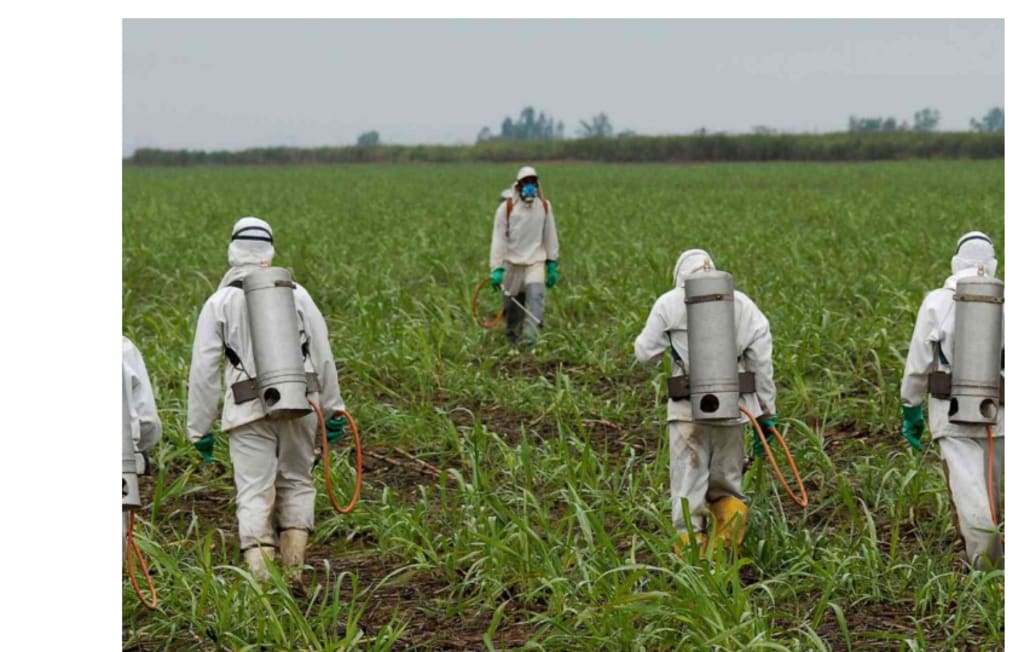
Glyphosate, the active component of the most used weed killer in the world, is the driver in question. About 36,000 tonnes of it are used annually in Argentina alone, the majority of which is sprayed over fields of soybean plants that have been genetically modified to withstand the toxin.
Under the direction of Daniela Centrón, Ph.D., a microbiologist at the University of Buenos Aires (UBA), researchers sought to determine whether the herbicide was subtly teaching soil microorganisms to withstand it.
She also questioned whether the training had any adverse effects that medical professionals could be aware of. In a way that unites farms and clinics more closely than anticipated, the answer was in the affirmative.
Within the wetland
68 bacterial strains were gathered by the scientists from silt in a protected wetland located north of Buenos Aires. in an area known as the Paraná delta. The site has never been treated with herbicides.
However, during the soybean season, the surrounding countryside is extensively sprayed. More than a dozen distinct kinds of bacteria were extracted from the silt. They had never before been purposefully exposed to glyphosate.
Each strain exhibited some degree of herbicide tolerance. Certain strains of Enterobacter, a family of bacteria that are frequently found in soil, water, and hospital infections, continued to proliferate even at concentrations that were several times greater than what any field application could provide.
Glyphosate-tested hospital bacteria
In addition to the wetland samples, the team looked at strains of bacteria that are resistant to several medications at once that were taken from hospital illnesses in the area. According to one statistic, drug-resistant germs kill between 1.1 and 1.4 million people annually worldwide.
The majority belonged to species that were infamous in intensive care units, such as the Stapholococcus strain known as MRSA and the bacterium responsible for drug-resistant pneumonia. After that, 16 popular antibiotics were tested against each strain.
Many of the medications they encountered were dismissed by the hospital microorganisms. The broad-spectrum antibiotics known as carbapenems, which are the closest thing to a last resort in medicine, were nearly three-quarters resistant. The surprise then arrived. Additionally, all hospital strains were able to withstand huge dosages of glyphosate—much higher than what crops in the field actually experience.
Different dwellings but the same family
A pattern emerged when the researchers combined all 102 strains into a family tree. Hospital antibiotic-resistant bacteria were closely related to the wetland bacteria that could withstand glyphosate the best.
They shared a comparable genetic composition and belonged to the same bacterial families. The residential addresses were the only ones that differed. In both situations, Enterobacter bacteria were among the most resilient. The relationship is more than coincidental because of this clustering, where tough hospital bugs and tough marsh bugs are sitting on the same branches.
How glyphosate-resistant bacteria
Previous research suggested that bacteria mostly resist glyphosate by altering the enzyme that the herbicide is intended to target. The genetic code of the bacterium revealed a distinct narrative. Tiny pumps within the bacteria that remove poisons from their cells appeared to be the larger motor. and a group of genes that degrade glyphosate.
The parallel appearance of drug-resistant bacteria and glyphosate-resistant bacteria may be explained by the fact that those same pumps are also utilised to expel antibiotics.
Additional studies have demonstrated that exposure to glyphosate can accelerate the exchange of drug-resistant genes across bacteria, hence expanding the spread.
Through the water
Fields are treated with glyphosate. It enters waterways from runoff and rain. The same streams receive hospital sewage, which is frequently improperly handled. Bacteria freely mix in the mud and sediments where the flows converge.
According to Jochen A. Müller, Ph.D., a group leader at the Karlsruhe Institute of Technology (KIT) in Germany and a coauthor of the study, "bacteria carrying antibiotic resistance genes can spread and breed between those two niches in both directions and in multiple ways, with the water cycle playing a key role in transmission."
Herbicide use in farm country may be increasing the likelihood of resistant diseases downstream due to this two-way interaction. Additionally, hospital wastewater may be introducing insects that are equipped to withstand pesticides and medications to fields.
What has changed since then
Prior to this study, no one had established a clear genetic connection between resistance to a specific agricultural herbicide and hospital superbugs. Using both of their DNA, the Argentine team has finally created that border.
The recommendation is specific for regulators: before clearance, pesticides should be tested to determine whether they cause antibiotic resistance as a side effect, and items that may spread the trait through soil and water should be labelled.
Sewage treatment becomes an integral aspect of the hospital's fight against drug resistance, rather than a side issue. For a long time, treating drug-resistant infections has been a clinical battle. This essay directly places a portion of the battle in the runoff.
About the Creator
Enjoyed the story? Support the Creator.
Subscribe for free to receive all their stories in your feed.
Comments
There are no comments for this story
Be the first to respond and start the conversation.