
How to Choose the Right Moisturiser for Summer
Right Moisturiser for Summer

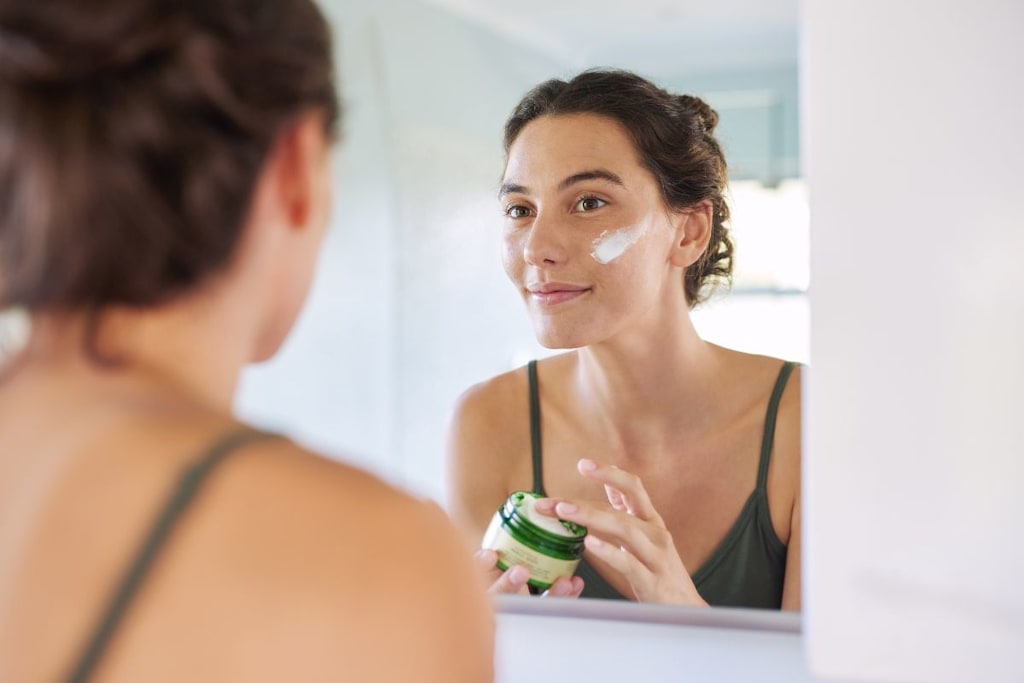
When summer arrives, your skincare routine needs a serious refresh. The heavy creams that worked wonders during winter can suddenly feel greasy, clog pores, and lead to breakouts in hot and humid weather. Choosing the right moisturiser for summer is not just about hydration—it’s about balance, comfort, and protecting your skin from seasonal stressors like heat, sweat, and sun exposure.
Here’s a complete guide to help you pick the perfect summer moisturiser for your skin type.
Why You Still Need a Moisturiser in Summer
A common misconception is that moisturiser isn’t necessary during summer, especially for oily skin. In reality, skipping moisturiser can make your skin produce even more oil to compensate for the lack of hydration. This often results in clogged pores, acne, and an uneven texture.
A good summer moisturiser helps:
- Maintain skin hydration without heaviness
- Control excess oil production
- Strengthen the skin barrier
- Improve overall skin texture
- Understand Your Skin Type First
Before choosing any moisturiser, identify your skin type. This step is essential because what works for one person may not work for another.
1. Oily Skin
If your face gets shiny quickly and you’re prone to acne, go for lightweight, oil-free formulas. Gel-based moisturisers work best as they hydrate without clogging pores.
2. Dry Skin
Even in summer, dry skin needs nourishment. Look for hydrating ingredients like hyaluronic acid and glycerin, but in lighter formulations than winter creams.
3. Combination Skin
If your T-zone is oily but cheeks are dry, choose a balanced, non-greasy moisturiser that hydrates without making your skin oily.
4. Sensitive Skin
Opt for fragrance-free, soothing formulas with calming ingredients like aloe vera or chamomile.
Choose the Right Texture
Texture plays a huge role in summer skincare. Heavy creams can feel suffocating in hot weather.
- Gel-based moisturisers: Ideal for oily and acne-prone skin
- Water-based lotions: Perfect for combination skin
- Light creams: Suitable for dry skin without feeling greasy
The lighter the texture, the better your skin will feel during hot days.
Look for Key Ingredients
The effectiveness of a moisturiser depends on its ingredients. During summer, you should focus on hydration and oil control.
Hydrating Ingredients:
- Hyaluronic Acid
- Glycerin
- Aloe Vera
Oil-Control Ingredients:
- Niacinamide
- Green Tea Extract
- Witch Hazel
Soothing Ingredients:
- Cucumber Extract
- Chamomile
- Calendula
Avoid heavy oils and comedogenic ingredients that can clog pores in humid weather.
SPF Is a Big Bonus
While moisturiser is not a replacement for sunscreen, choosing a moisturiser with SPF can add an extra layer of protection.
Look for:
- SPF 30 or higher
- Broad-spectrum protection (UVA + UVB)
However, always follow up with a dedicated sunscreen for complete sun protection.
Avoid These Mistakes
Many people unknowingly make mistakes when choosing summer moisturisers.
1. Using Winter Creams in Summer
Heavy creams can clog pores and cause breakouts.
2. Skipping Moisturiser Completely
This can increase oil production and worsen skin issues.
3. Ignoring Ingredients
Always check labels—some products marketed as “lightweight” still contain pore-clogging ingredients.
4. Overusing Product
A pea-sized amount is usually enough. Using too much can make your skin greasy.
Consider Your Climate
Your environment matters as much as your skin type.
- Humid Climate: Go for oil-free, gel-based moisturisers
- Dry Heat: Choose lightweight but hydrating formulas
- Polluted Areas: Look for moisturisers with antioxidants
Adjust your skincare based on where you live to get the best results.
Day vs Night Moisturiser
Using different moisturisers for day and night can improve your skincare routine.
Day Moisturiser:
- Lightweight
- Non-greasy
- Contains SPF or works well under sunscreen
Night Moisturiser:
- Slightly more hydrating
- Helps repair skin overnight
- Patch Test Before Buying
Never apply a new moisturiser directly to your face without testing. Do a patch test on your wrist or behind your ear to check for irritation or allergic reactions.
Natural vs Commercial Products
Natural moisturisers like aloe vera gel can be great for summer, especially for soothing sun-exposed skin. However, commercial products often provide better formulation, stability, and targeted benefits.
Choose what works best for your skin rather than blindly following trends.
Signs You’re Using the Wrong Moisturiser
If you notice any of the following, it’s time to switch:
- Increased breakouts
- Excessive oiliness
- Sticky or heavy feeling on skin
- Dry patches despite using moisturiser
Your skin should feel fresh, hydrated, and comfortable—not greasy or suffocated.
Final Thoughts
Choosing the right moisturiser for summer doesn’t have to be complicated. Focus on lightweight textures, hydrating ingredients, and formulas suited to your skin type. Remember, the goal is to keep your skin balanced—not too oily, not too dry.
A well-chosen summer moisturiser can make your skin look healthier, clearer, and more radiant even in the hottest months. Take the time to understand your skin’s needs, and you’ll see the difference almost immediately.
About the Creator
Veronica Bennett
Author at Stories Buzz | Unleashing worlds through words ✨ | Writer-girl weaving magic into stories 📚 | Creating realms where dreams take flight 🌈 | #WriterLife #Storyteller
My work: https://storiesbuzz.co.uk/
Enjoyed the story? Support the Creator.
Subscribe for free to receive all their stories in your feed.
Comments
There are no comments for this story
Be the first to respond and start the conversation.