
How to Apply Sunscreen
How to Apply Sunscreen Properly for Maximum Protection

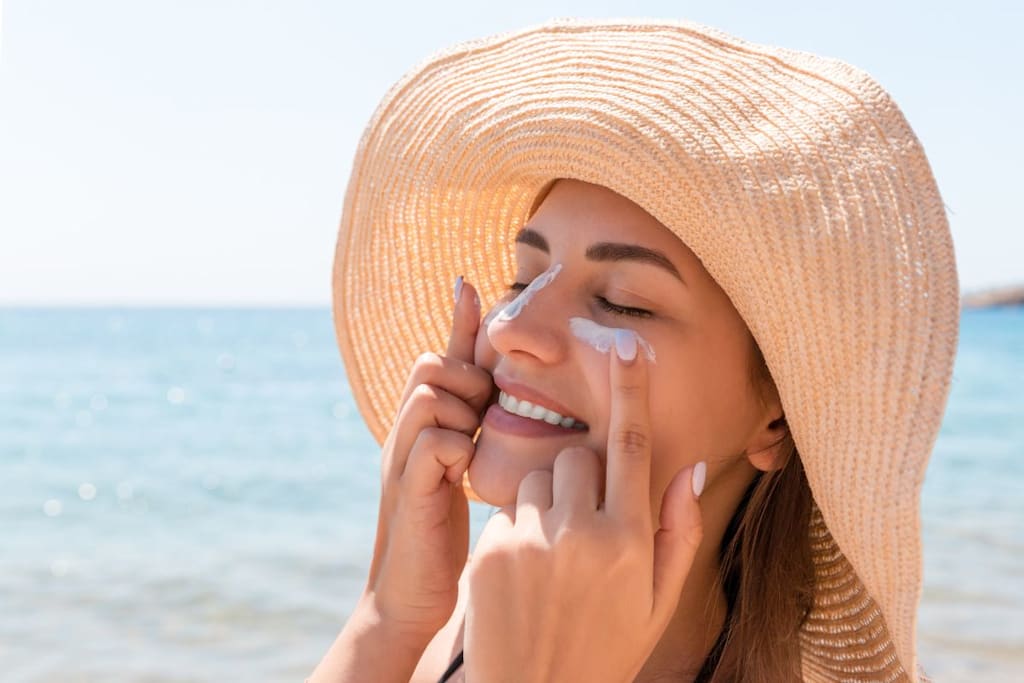
Sunscreen is one of the most important skincare products you can use, yet many people still apply it incorrectly. Whether you are going outdoors for a few minutes or spending a full day in the sun, applying sunscreen properly helps protect your skin from sunburn, premature aging, and long-term damage. Even the best sunscreen will not work effectively if it is not applied the right way. Understanding how much to use, when to apply it, and how often to reapply can make a big difference in keeping your skin safe and healthy.
Start by Choosing the Right Sunscreen
Before applying sunscreen, it is important to select the right one for your needs. Look for a sunscreen labeled “broad-spectrum,” which means it protects against both UVA and UVB rays. UVA rays contribute to premature aging, while UVB rays cause sunburn. You should also choose SPF 30 or higher for daily use. If you plan to swim or sweat, select a water-resistant formula.
Your skin type also matters. People with oily skin may prefer gel or matte sunscreens, while those with dry skin may benefit from moisturizing creams. Sensitive skin often responds better to mineral sunscreens containing zinc oxide or titanium dioxide.
Apply Sunscreen as the Final Step of Your Morning Routine
Sunscreen should always be applied after completing your skincare routine. Cleanse your face, apply serum and moisturizer, then finish with sunscreen. If you wear makeup, sunscreen goes on before foundation.
It is best to apply sunscreen about 15 to 20 minutes before going outdoors. This gives the product time to absorb and form a protective layer. If you apply it after stepping into the sun, your skin may remain exposed during those first few minutes.
Use the Correct Amount
One of the most common mistakes is using too little sunscreen. Applying a small amount reduces the level of protection significantly. Dermatologists recommend using about two finger lengths of sunscreen for your face and neck. For the entire body, you should use roughly one ounce, which is about the size of a shot glass.
Here is a simple guide:
- Face and neck: two finger lengths
- Each arm: half teaspoon
- Each leg: one teaspoon
- Chest and back: one teaspoon each
Using enough sunscreen ensures you actually receive the SPF protection listed on the bottle.
Apply Evenly to All Exposed Areas
Another mistake people make is forgetting certain areas. Sun damage often occurs on spots that are commonly missed. Make sure to apply sunscreen to:
- Face
- Neck
- Ears
- Back of neck
- Hands
- Arms
- Legs
- Feet
- Hairline
- Around the eyes
Do not forget your lips. Use a lip balm with SPF to prevent dryness and sunburn.
How to Apply Sunscreen on Your Face
To apply sunscreen properly on your face, take two fingers of sunscreen and place small dots across your forehead, cheeks, nose, and chin. Then gently spread it evenly across your face. Blend the sunscreen into your neck and around your ears. Avoid rubbing too aggressively, as this can remove product and create uneven coverage.
Let the sunscreen sit for a minute or two before applying makeup. This helps prevent pilling and ensures better protection.
Reapply Every Two Hours
Sunscreen does not last all day. It gradually wears off due to sweat, oil, and natural skin movement. You should reapply sunscreen every two hours when outdoors. If you are swimming, sweating, or towel drying, you should reapply even sooner.
Many people apply sunscreen only once in the morning, but this is not enough. Regular reapplication is essential for continuous protection, especially during summer or long outdoor activities.
How to Reapply Sunscreen Over Makeup
If you wear makeup, reapplying sunscreen may seem difficult, but there are simple options. You can use sunscreen sprays, sticks, or powder sunscreens designed for touch-ups. Spray sunscreen lightly across the face and allow it to dry. With sticks or powders, gently dab instead of rubbing to avoid disturbing your makeup.
These options make it easier to maintain protection throughout the day without removing your makeup.
Apply Sunscreen Even on Cloudy Days
Many people skip sunscreen when it is cloudy, but UV rays can still reach your skin. Up to 80 percent of UV radiation can pass through clouds. This means your skin is still exposed even when the sun is not visible. Applying sunscreen daily helps prevent long-term damage and keeps your skin healthier.
You should also wear sunscreen indoors if you sit near windows or spend long hours driving. UVA rays can pass through glass and contribute to skin aging.
Common Sunscreen Mistakes to Avoid
To get the best results, avoid these common mistakes:
- Using too little sunscreen
- Forgetting ears and neck
- Not reapplying during the day
- Applying after sun exposure
- Skipping sunscreen on cloudy days
- Relying only on makeup with SPF
- Missing hands and feet
Correcting these habits can improve your sun protection significantly.
Extra Tips for Better Sun Protection
Sunscreen works best when combined with other protective measures. Wear sunglasses, hats, and protective clothing when outdoors. Try to stay in the shade during peak sun hours, usually between 10 am and 4 pm. Water, sand, and concrete can reflect sunlight, increasing exposure, so be extra careful in these environments.
Final Thoughts
Applying sunscreen properly is essential for protecting your skin from sun damage, premature aging, and dark spots. Use the right amount, apply it evenly, and reapply every two hours for the best protection. Make sunscreen a daily habit, not just something you use at the beach. Consistent use will help keep your skin healthy, smooth, and protected all year round.
About the Creator
Veronica Bennett
Author at Stories Buzz | Unleashing worlds through words ✨ | Writer-girl weaving magic into stories 📚 | Creating realms where dreams take flight 🌈 | #WriterLife #Storyteller
My work: https://storiesbuzz.co.uk/
Enjoyed the story? Support the Creator.
Subscribe for free to receive all their stories in your feed.
Comments
There are no comments for this story
Be the first to respond and start the conversation.