
My Exclusive Interview With Siichaq
Learn about the inspiration and songwriting process behind Siichaq's genre-bending album, "The Righteous Sword."

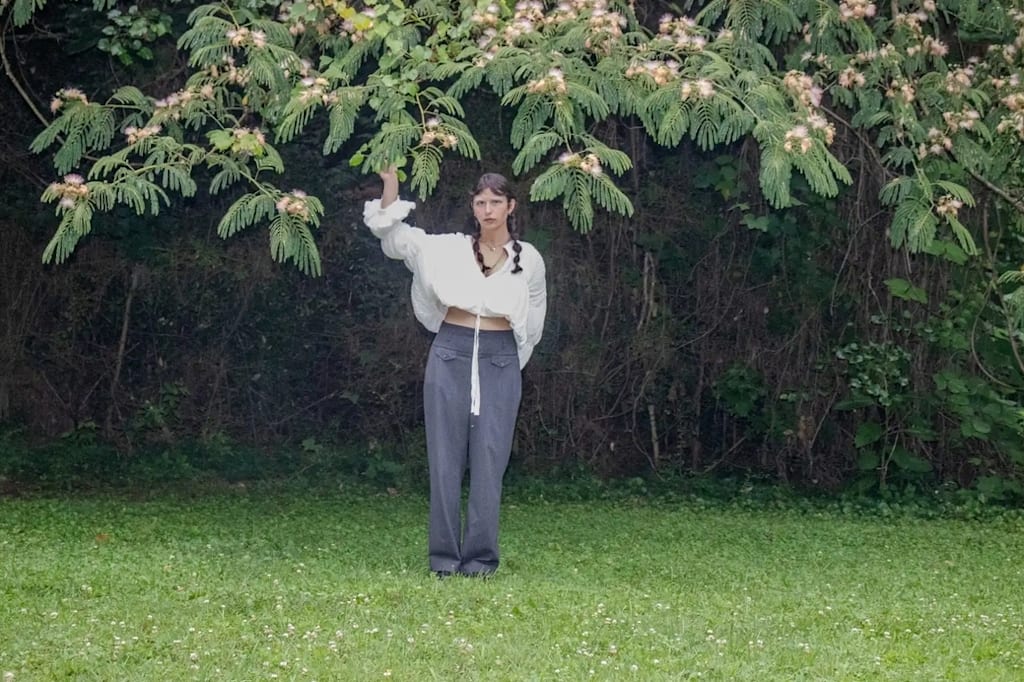
Siichaq (pronounced "sea-check") is an indie artist, but she's not one that you can easily pin down. She blends a variety of sounds, themes and genres into her musical soundscapes--and just when you think you've got it figured out, she surprises you again. Her latest album, The Righteous Sword, is so complex that this interview doesn't quite cover everything. Fortunately, you don't have to imagine what it sounds like: once you've learned about the songwriting process, you can listen for yourself and enjoy the transformative journey.
1. As I listened to The Righteous Sword, it struck me that it was difficult to assign this album to one genre. I heard fuzzy distortions, dreamy vocals, 90s grunge and 80s-inspired synths, which worked together to create a rich tapestry of sounds. Was this intentional, or were you aiming for a specific genre with this album? Who (or what) are your main influences?
I’m always sort of looking for ways to defy expectations in the things I create; I think because, as a consumer, that’s what I seek out. But also I just don’t know that much about genres in general, like what makes a song fit into a certain category or not, if that makes sense.
Going into recording, I usually have a pretty rigid vision for the sound I want, but it inevitably morphs into something different that I couldn’t have anticipated. Ben and Evan bring so much to the process and generate inspiration from their own influences, which I value more than I can express. They’re integral to making each song feel new and fresh and exciting for me.
Aside from their influence, I’d say that I draw from heavier genres, even if I’m working on a folk song or something. I lean into noisier tones and try to really fill out the low-end wherever it makes sense. Plus, I love Alex G, and he makes some wacky, genre-bending stuff, so that’s helped me feel confident when making something weird or less accessible to the mainstream. I just love weirdo music, so that’s what I’m slowly moving toward, I guess.
2. How did you achieve the distinctly grungey, fuzzy sound that's present in several tracks? What kind of mood or message were you trying to convey, and should your fans approach this album with a particular mindset?
We recorded The Righteous Sword in one continuous stretch, which made it a lot easier to build a cohesive universe for these songs to live in. We used a lot of the same pedals and plug-ins across the entire record and processed quite a few of them through the SP404, which helped keep the production contained.
The grittiness of this album is meant to convey how scared I was, and am, about the direction of our country and the world as a whole. It sometimes feels like we’re living through an apocalypse of sorts, and I wanted the album to reflect that. I don’t think listeners need to come into this project with a particular mindset or feeling, though. I feel like it’s my job to create the mindset that the music puts a listener into, because the hope is always to move people in some way, rather than ask them to come into this record prepared to connect with it.
3. "Cattle Driver" uses intense distortions and a spoken-word section to make a bold, unsettling impression. At times, the track sounds almost robotic or alien. What inspired you to write this song, and what were you trying to get across with the harsh, industrial atmosphere? Do you base any of your songs on personal experiences?
I could rant about this forever, but basically, I was just really disturbed by the sense of pressure musicians feel to write songs that some omnipotent algorithm will like, and I don’t want to distill myself or my expression down into a singular brand. Industrializing art extricates the humanity from a piece of work, but without that humanity, creation is just production.
I don’t want to be a product for commodification. I don’t think most artists want that either, and that’s what motivated me to write "Cattle Driver." The industrial sounds and robotic vocal processing are meant to communicate that the lyrics are satirical, coming from the version of "Siichaq" that has sacrificed personhood in exchange for internet recognition/money/fame.
4. As an artist based in Atlanta, how do your Southern roots influence your music? Do you think that having a Southern background would give someone a better understanding of your work?
Having grown up in the South and living here now, I’ve been confronted with religion, specifically Christianity, throughout my entire life. Thematically, religion comes up a lot in my music, because it’s another aspect of my environment that I don’t align with or relate to.
I also lean into religious language in songs like "The Righteous Sword" because it really lends itself to allegorical usage and carries a weightier connotation. On the whole, I’ve never identified with the traditional idea of a Southerner, and it’s played a large role in my feelings of alienation, which reflects in my writing across nearly every song.
5. Several tracks, such as "Tight Rope," discuss a stressful or uncomfortable situation. Do you specifically use distortion and other songwriting/production techniques to convey a sense of discomfort? How do you want listeners to feel as they listen to your music?
I love distorted music, and I use it for a lot of reasons in my own work--pure enjoyment, or to communicate anger, discomfort, fear, stress, etc. It sort of depends on the song and the mood I’m in…I guess that’s not very insightful!
Truthfully, I don’t go into writing or recording with the intention of making listeners feel a particular emotion. I’m more so trying to express my own emotions, and the hope is that people just feel something while listening, even if it’s flat-out hatred for the song, lol.
6. Do you make the collages that appear on your Instagram profile and album covers--and, if so, how do you choose the images and layout for each one? Which comes first: the music or the artwork? Have you ever written a song about one of these pieces?
I do make all of the Instagram and album artwork, for better or worse. The images come from all over the place; usually they’ve been cut out of old magazines. I hope I don’t get in trouble for intellectual property theft for admitting that, BUT I do change everything significantly from its original state, so please don’t sue me!!
There is a photo on the cover of The Righteous Sword that my mom took, though, I think in the 90s at the St. Augustine Carousel. I recently found a ton of photo albums from before I was born, and I’m excited to incorporate more of those in future projects.
I always write the music first and let that inform the accompanying visuals. I haven’t ever written a song about my own artwork, because I am a pretty terrible visual artist, to tell you the truth. Other artists’ works have inspired me over the years, especially Goya’s Pinturas Negras. If I could paint like him, maybe I would write a song about my art!
7. With a dark, intense sound that slowly builds momentum, "The Righteous Sword" might be the most enigmatic song on the album. Does this song have a specific message, or is it open to interpretation? How did you choose this song's placement in the track listing?
"The Righteous Sword" is sooo drama, and I love it. The song is a direct criticism of American politics and the dogmatic worship of far-right conservative politicians. Those supporting representatives like Donald Trump seem to have a Christ-like perception of him, a status that his administration cultivated methodically.
Anything he says is taken as fact and law by his followers, and neither fact nor reason can dissuade them of their beliefs. That’s why I chose the religious language and imagery, and it’s why I feel a sense of doom when I contemplate the present and future conditions of existence, hence the menacing build-up in "The Righteous Sword."
8. How do you feel about performing live? Which aspect of your career do you enjoy most: songwriting, recording or performing? Do you have a goal to perform at any particular venue?
Performing live is the most rewarding part of making music, but it’s also quite difficult for me. I find the environment overstimulating a lot of times because I am very sensitive to light and sound. On top of that, I put an insane amount of pressure on myself to perform perfectly, which means that I’m almost always anxious going into a show.
I’ve learned that the anticipation is scarier than the actual performance, though, because once I’m on the stage, I’m focused purely on the present and can forget all about the stress during the lead-up. Performing is probably my favorite part of being a musician, despite being an anxious freak. It’s an opportunity to meet new people and connect face to face, and that’s the thing that draws me to art so strongly.
It’s also an opportunity to explore my own expression. I can dress really out of the ordinary and put on strange makeup and feel comfortable because it’s a ‘costume’ or ‘for the performance’. It’s an outlet for my weirdness that I don’t embrace on a day-to-day basis.
As far as venues go, there isn’t one in particular that I am dying to play. I’d love to play some shows in other countries, and I’d really like to play a few low-sensory shows for people who want to hear music in a live setting but can’t typically access that experience due to the lighting, fog machine, cramped spaces, etc. Otherwise, I just want to play wherever I can!
To support Siichaq, you can follow her on Instagram, listen to her music on Spotify and buy her albums on Bandcamp.
About the Creator
Kaitlin Shanks
Music journalist. To support my work, please send a tip (even $1 helps!) or shop from my Amazon storefront.
Last Living Girl (novel) • Instagram • TikTok • YouTube • Substack • Medium • Wattpad • Spotify Playlists • Linktree
Enjoyed the story? Support the Creator.
Subscribe for free to receive all their stories in your feed.
Comments
There are no comments for this story
Be the first to respond and start the conversation.