Inspiration
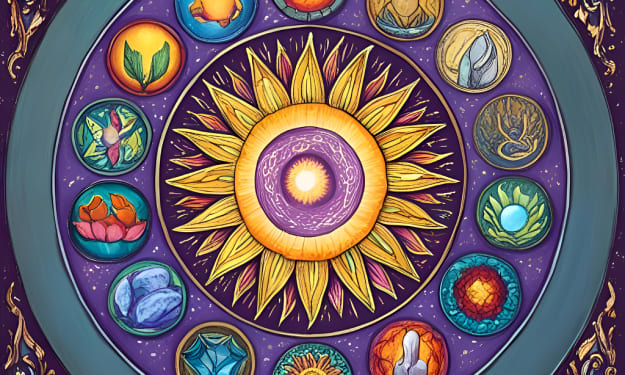
The Evolution of Art . AI-Generated.
A Journey Through Creativity and Expression: Art's enduring essence For millennia, art has been a part of human civilization because it reflects culture, feelings, and imagination. Art has shaped societies and inspired generations, from prehistoric cave paintings to contemporary digital works. The essence of art is still the same: a profound means of expression, communication, and emotional connection, despite changes in its forms and mediums. The Development of Art Art dates back to the earliest human societies, with cave paintings from over 17,000 years ago found in places like Lascaux, France. These simple but profound illustrations were probably made for stories, rituals, or to record everyday life. The magnificence of Egyptian hieroglyphs, the sculptures of Ancient Greece, and the frescoes of the Renaissance are all results of the development of artistic techniques as civilizations advance. One of the most transformative periods in art history is frequently referred to as the Renaissance (14th–17th centuries). Perspective, anatomy, and realism were brought to painting and sculpture by masters like Raphael, Michelangelo, and Leonardo da Vinci. The transition from religiously centered art to explorations of humanism, science, and nature took place during this time. In the 19th and 20th centuries, art became a place where experimentation was encouraged. Surrealism, Impressionism, Cubism, Surrealism, and Abstract Expressionism all broke with conventional wisdom and allowed for individual interpretations. Work by Jackson Pollock, Pablo Picasso, Claude Monet, and Salvador Dal defied conventional aesthetics and pushed boundaries.
By Iraz Ahmed2 years ago in Art
Spring 2025 Home Décor Trends: Bold, Vibrant, and Unapologetically Personal
The Bold Comeback of Maximalism As we step into spring 2025, the world of interior design is undergoing a significant transformation. While minimalism has ruled the design scene for the past decade, maximalism is now making a resounding comeback. Maximalism embraces a vibrant, energetic approach to home décor, and it encourages individuals to celebrate diversity, color, and personal expression in their living spaces.
By The Universal Pen2 years ago in Art
How to Repair Leather Jacket?
Introduction A leather jacket is a timeless fashion piece, known for its durability, classic appeal, and connection to historical styles like the aviator shearling jacket history and men airforce shearling leather jacket designs. However, wear and tear over time can lead to damage, including cracks, tears, or fading. Repairing a leather jacket properly can extend its life, ensuring it adds a stylish edge to your wardrobe. In this guide, we will cover the various ways to restore a leather jacket, from minor scratches to major damage.
By Sheepskin Leathers2 years ago in Art
The Last Letter
The old wooden mailbox at the end of the driveway had been empty for weeks. Clara used to check it every day, hoping for something—anything—to break the monotony of her quiet life in the small coastal town of Seabrook. But today, as she pulled open the rusted door, her heart skipped a beat. Inside was a single envelope, addressed to her in handwriting she hadn’t seen in years.
By Bint E Ruqqyyah2 years ago in Art
The Wonder of Art: From Imagination to Reality
Arjun sat at his cluttered desk, surrounded by unfinished sketches and half-empty paint bottles. His small studio apartment in Kolkata was both his sanctuary and his prison. Art was his passion, yet something was missing—his works lacked the life and emotion he envisioned. He dreamed of creating something that would leave the world in awe, something that would bridge the gap between imagination and reality. One evening, while wandering through an old bookshop in College Street, he stumbled upon a dusty, leather-bound book titled The Alchemy of Art. Intrigued, he flipped through its brittle pages, his eyes widening as he read about an ancient technique that supposedly infused life into paintings. Legends spoke of artists who could make their artwork come alive—not just in spirit, but in reality. Skeptical but desperate, Arjun bought the book and hurried home. That night, under the dim glow of his desk lamp, he studied every detail. The method required an artist’s purest intent, precise brushstrokes, and a mysterious ingredient—crimson ink derived from the petals of a rare night-blooming flower. To his astonishment, he recalled seeing a similar flower in a neglected garden near his apartment. At midnight, he ventured out, the streets eerily silent. The garden, hidden behind rusted gates, was overgrown and wild. Under the moonlight, he spotted the flower—its deep red petals glowing faintly. Plucking a few with trembling fingers, he hurried back to his studio. Mixing the petals into a fine paste, he blended them with his paints. The resulting crimson ink shimmered unnaturally under the light. His heart pounded as he prepared his canvas. He decided to paint something simple yet meaningful—a golden butterfly, a symbol of transformation and freedom. Hours passed as he painted meticulously, following every instruction from the book. As the final brushstroke touched the canvas, a strange sensation filled the air—a pulse of energy, almost like a heartbeat. The butterfly’s wings flickered, the golden hues shifting like sunlight through leaves. Then, in the stillness of the room, the impossible happened. The butterfly flapped its delicate wings and lifted off the canvas. Arjun gasped, dropping his brush. The creature hovered before him, its iridescent wings reflecting his astonished face. He reached out, and to his disbelief, it perched on his fingertip, its warmth real and undeniable. Tears welled in his eyes. He had done it. He had turned imagination into reality. Over the next few weeks, Arjun experimented cautiously, creating birds that chirped, flowers that swayed in unseen breezes, and even a tiny golden fish that swam in a bowl of painted water. The world outside his studio faded; he lived solely for his art. But soon, whispers of his extraordinary talent spread. A wealthy collector, Mr. Sharma, heard about his work and demanded a private viewing. Arjun hesitated but eventually agreed, hoping the recognition would help his struggling career. When Mr. Sharma arrived, he was speechless at the living artworks. "This is beyond genius," he murmured. "The world must see this." He offered Arjun a fortune to create a masterpiece—something grand, something unforgettable. Tempted, Arjun accepted. He decided to paint a woman—a figure of beauty and grace, someone who could embody the very soul of art itself. He worked tirelessly, using the enchanted ink to craft the perfect form. Day and night blurred as he sculpted her with strokes of color, infusing her with emotion, depth, and life. Finally, the painting was complete. As he stepped back, exhaustion taking hold, the woman blinked. Her chest rose with breath, and slowly, she stepped out of the canvas. She was alive. Arjun stared in awe. She was perfect, yet something felt unsettling. Her eyes held an emptiness, a longing he couldn’t define. She moved with unnatural grace, her painted dress flowing like silk. "Who am I?" she whispered. He had no answer. He had created her, but he hadn't given her a soul. As days passed, the woman—whom he named Aisha—explored the world with childlike curiosity. But she was incomplete. She neither aged nor slept, and sometimes, her form flickered as if caught between two realms. One evening, Arjun found her staring at the canvas from which she had emerged. "I don’t belong here," she murmured. A cold dread settled in his heart. He had brought something into existence that defied nature, and now, it was unraveling. Desperate, he turned to The Alchemy of Art once more. In its final chapter, he found a warning he had overlooked: “To bring life without purpose is to create sorrow. Art must have a soul, or it will seek to return.” Realization struck him. Aisha was not meant for this world. She was a masterpiece, but she was never meant to be real. With a heavy heart, he picked up his brush. Aisha watched silently, understanding his intent. As he painted over the empty canvas, her form wavered. A single tear slid down her cheek—her first and last act of humanity. As the final stroke covered the canvas, she vanished. The studio fell silent. Arjun collapsed to the floor, his chest aching with loss. Days turned into weeks. The world never saw Aisha, nor did Mr. Sharma get his masterpiece. Arjun destroyed The Alchemy of Art, vowing never to repeat his mistake. Yet, every so often, when he painted, he felt her presence—a whisper in the brushstrokes, a flicker in the colors. Art, he realized, was not about creating life. It was about capturing the soul of existence, and sometimes, that was enough.
By Niranjon Chandra Roy2 years ago in Art