Inspiration
The Significance of Public Art in Urban Space. Content Warning.
Public art has become an integral part of the urban landscape, transforming cities into vibrant and engaging spaces. From monumental sculptures to colorful murals, public art has the power to shape and define the identity of a city, making it more livable and inspiring for its residents and visitors. This article explores the significance of public art in urban space, highlighting its cultural, social, and economic benefits. Cultural Enrichment: One of the most significant roles of public art in urban spaces is its ability to enrich the cultural fabric of a city. Public art serves as a visual representation of a community's history, values, and aspirations. By showcasing the works of local artists or pieces that reflect the cultural diversity of a city, public art creates a sense of pride and belonging among its residents. It also provides an opportunity for dialogue and understanding, as art has the power to transcend language and cultural barriers, fostering connections and promoting cultural exchange. Enhancing the Urban Aesthetic: Public art adds a new layer of visual interest and beauty to the urban environment. It transforms blank walls, vacant lots, and neglected spaces into captivating and thought-provoking installations. From towering sculptures that dominate public squares to colorful murals adorning the sides of buildings, public art adds vibrancy and character to otherwise mundane cityscapes. By incorporating art into the built environment, cities become more visually appealing and enjoyable, contributing to a greater sense of place and pride. Community Engagement and Social Cohesion: Public art plays a crucial role in fostering community engagement and social cohesion. It creates opportunities for interaction and dialogue among residents, providing a shared experience that brings people together. Public art installations often become popular gathering places, attracting locals and tourists alike. They serve as focal points for community events, celebrations, and protests, creating spaces where people can express themselves, engage in public discourse, and connect with one another. By fostering a sense of community ownership and pride, public art strengthens social bonds and promotes a greater sense of belonging. Education and Inspiration: Public art has the power to educate and inspire. It can serve as a platform for storytelling, conveying historical, cultural, or social narratives that educate the public about important events or ideas. Additionally, public art often challenges conventional thinking and sparks conversation, pushing people to question and contemplate the world around them. It stimulates creativity and imagination, encouraging viewers to think beyond the ordinary and envision new possibilities. Public art can also inspire future generations of artists, nurturing a culture of creativity and innovation within a city. Economic Benefits: The presence of public art in urban spaces can have significant economic benefits for a city. Art installations and cultural landmarks attract tourists and visitors, contributing to the local economy through increased spending on accommodations, dining, and retail. Additionally, public art can revitalize neighborhoods and boost property values. A vibrant and visually appealing urban environment is more likely to attract businesses, investors, and talented individuals, driving economic growth and development. Public art can also serve as a catalyst for urban regeneration, transforming neglected areas into thriving cultural districts that attract tourism and investment. Challenges and Considerations: While public art offers numerous benefits, there are also challenges and considerations to keep in mind. The selection and placement of public art should involve community input and consultation to ensure that it resonates with the local context and values. Maintenance and preservation of public art installations require ongoing funding and resources, which can be a challenge for cash-strapped municipalities. Furthermore, public art should strive for inclusivity and accessibility, ensuring that it is accessible to all members of the community, regardless of age, ability, or socio-economic status. In conclusion, public art plays a vital role in enhancing the urban landscape, enriching the cultural fabric, and fostering social cohesion within cities. It transforms ordinary spaces into extraordinary ones,
By Kuldeep Rajawat3 years ago in Art
The Intersection of Art and Technology: Exploring Digital Art. Content Warning.
The Intersection of Art and Technology: Exploring Digital Art Art has been an integral part of human expression for centuries, captivating and inspiring people across cultures and generations. From the ancient cave paintings to the Renaissance masterpieces, art has evolved and adapted to reflect the changing times and advancements in technology. In recent decades, the rapid growth of technology has paved the way for a new form of artistic expression known as digital art. This art form embraces the intersection of art and technology, unleashing a world of infinite possibilities and pushing the boundaries of creativity. In this article, we will delve into the realm of digital art, examining its origins, evolution, and impact on the art world. Digital art can be broadly defined as any artistic creation that involves the use of digital technology. It encompasses a wide range of mediums, including computer-generated imagery (CGI), digital painting, interactive installations, virtual reality (VR), and augmented reality (AR). The emergence of digital art can be traced back to the 1960s, when computer technology started becoming accessible to artists. At this time, pioneers such as Frieder Nake, Georg Nees, and Vera Molnár began experimenting with computer algorithms and programming languages to create visual artworks. These early explorations laid the foundation for the future of digital art. The 1980s witnessed a significant breakthrough with the introduction of personal computers and graphic software. Artists now had the tools to manipulate and transform images, opening up new possibilities for artistic expression. This era saw the rise of pixel art and digital imaging, with artists like Susan Kare leaving an indelible mark on the art world through their iconic designs for early computer interfaces. As technology continued to advance, so did the capabilities of digital art. The 1990s brought forth a wave of experimentation and exploration in the digital art scene. Artists began incorporating multimedia elements, combining visual art with sound, video, and interactive elements. This era saw the birth of net art, a form of digital art that utilizes the internet as its medium. Artists like Olia Lialina and Heath Bunting created interactive web-based artworks, challenging traditional notions of art and exploring the potential of the digital realm. With the turn of the millennium, digital art gained even more prominence and recognition. Galleries and museums started showcasing digital artworks, and new platforms and online communities emerged, providing a space for artists to share their creations with a global audience. Artists such as Cory Arcangel and Rafael Lozano-Hemmer began pushing the boundaries of interactivity, using technology to engage viewers in unique and immersive experiences. One of the defining characteristics of digital art is its fluidity and adaptability. Unlike traditional art forms, digital art can be easily reproduced, shared, and modified. This accessibility has led to a democratization of the art world, allowing artists from diverse backgrounds to express their creativity and gain recognition. Moreover, digital art has blurred the line between artist and audience, inviting active participation and collaboration. The rise of social media platforms and online communities has created a vibrant ecosystem where artists can connect, collaborate, and engage with their audience directly. Digital art has also opened up new avenues for artistic exploration, with artists harnessing the power of technology to create immersive and interactive experiences. Virtual reality (VR) and augmented reality (AR) have revolutionized the way we perceive and interact with art. Through VR headsets or mobile devices, viewers can step into a virtual gallery or museum and experience art in three-dimensional spaces. Artists like Marina Abramović and Anish Kapoor have embraced these technologies, pushing the boundaries of traditional art forms and challenging our perception of reality. The impact of digital art extends beyond the art world itself. Technology has enabled artists to address social and political issues, amplifying their messages and reaching a wider audience. Digital art has become a powerful tool
By Kuldeep Rajawat3 years ago in Art
Examining the Influence of Social Media on Art and Culture. Content Warning.
Examining the Influence of Social Media on Art and Culture In the digital age, social media platforms have become a powerful tool for communication, networking, and self-expression. As these platforms have gained popularity, their impact on various aspects of society, including art and culture, has become increasingly evident. Social media's influence on art and culture is a topic worth exploring, as it has transformed the way we create, consume, and engage with artistic content. This article aims to examine the profound impact of social media on art and culture, shedding light on both the positive and negative aspects of this influence. One of the most significant ways in which social media has affected art and culture is through its role in democratizing the creative process. In the past, the art world was often exclusive and elitist, with a limited number of gatekeepers determining what was considered "high art." Social media has disrupted this dynamic by providing a platform for artists of all backgrounds and abilities to showcase their work. Artists no longer need to rely solely on galleries, museums, or established institutions to reach an audience. Instead, they can share their creations directly with millions of people around the world, bypassing traditional intermediaries. Platforms like Instagram, Twitter, and TikTok have enabled artists to build a global following and gain recognition outside of the conventional art world. Artists can now connect with fellow creatives, collaborate on projects, and receive feedback from a diverse audience. Social media has also allowed for the discovery of new artistic voices and movements that may have otherwise gone unnoticed. By breaking down barriers to entry, social media has expanded the possibilities for artistic expression and diversified the narratives represented in art. Another aspect of social media's impact on art and culture is its ability to facilitate artistic movements and activism. The #MeToo movement, Black Lives Matter, and climate change activism are just a few examples of social issues that have gained significant traction through online platforms. Artists and activists can leverage social media to share their perspectives, mobilize communities, and inspire collective action. This has given rise to a new wave of socially engaged art, where artists use their creative skills to raise awareness and bring about social change. Furthermore, social media has revolutionized the way we consume and engage with art. Traditional art forms, such as painting and sculpture, are no longer confined to physical spaces. Instead, they can be experienced digitally, allowing for greater accessibility and reach. Museums and galleries now use social media platforms to showcase their collections, offering virtual tours and interactive experiences. This has made art more inclusive, as individuals who may not have the means or opportunity to visit physical art spaces can still engage with and appreciate artwork. Social media has also transformed the relationship between artists and their audience. Through platforms like YouTube and Twitch, artists can share their creative process, offer tutorials, and provide insights into their work. This behind-the-scenes access has fostered a sense of intimacy and connection between artists and their followers. In turn, audiences feel more invested in the artistic journey and develop a deeper appreciation for the art form. Despite its numerous advantages, social media's influence on art and culture is not without its drawbacks. One of the main concerns is the potential for commodification and superficiality. With the emphasis on likes, shares, and followers, there is a risk of reducing art to a popularity contest. Some artists may feel pressured to create content that will garner attention rather than staying true to their artistic vision. Additionally, social media's fast-paced nature can lead to an oversaturation of content, making it difficult for individual artists to stand out in a sea of posts. Moreover, social media platforms have been criticized for their algorithms and echo chambers, which can create filter bubbles and limit exposure to diverse perspectives. This can impact the development and evolution of artistic movements, as artists may only be exposed to content
By Kuldeep Rajawat3 years ago in Art
michael jackson
Title: Michael Jackson: The Eternal King of Pop Introduction Michael Joseph Jackson, born on August 29, 1958, in Gary, Indiana, was a prodigious talent whose impact on the world of music, dance, and entertainment cannot be overstated. As a singer, songwriter, and dancer, he was a trailblazer whose innovative work left an indelible mark on popular culture, earning him the title of the "King of Pop." Despite controversies that plagued his life, Jackson's legacy as a musician and humanitarian surpasses time, and he continues to inspire generations of artists. This essay delves into the life, career, and lasting impact of Michael Jackson, the eternal King of Pop.
By Mahendrarajah Mithusharan3 years ago in Art
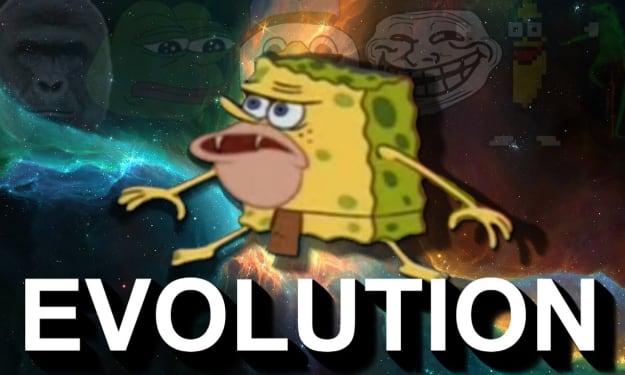
The Evolution of Memes
The Evolution of Memes: Embarking on a Journey Through Internetg Humor Introduction: In the vast landscape of the internet, memes have emerged as a unique form of cultural expression and humor. From simple images with witty captions to viral videos and catchphrases, memes have transcended online platforms, permeating popular culture and capturing the collective imagination of millions. In this article, we embark on a fascinating journey through the evolution of memes, exploring their power to entertain, unite, and reflect the ever-changing dynamics of internet culture. Join us as we dive into the world of memes, their origins, and their impact on our digital lives.
By Mohammad Zahangir Alam3 years ago in Art
The Float
It's not 6 feet under, like they say; it's 6 feet above. But no one looks up. My passing in review. It is museum-quality art on parade--my transitions on this canvas that can be painted so colorfully, imaginatively, and with lines of motion; hues of joy and great sadness. With beautiful strokes or blemishes of life's ugliness. Yet, like a parade, my float joins the others in a promenade of ostentatious exhibition.
By Gerard DiLeo3 years ago in Art
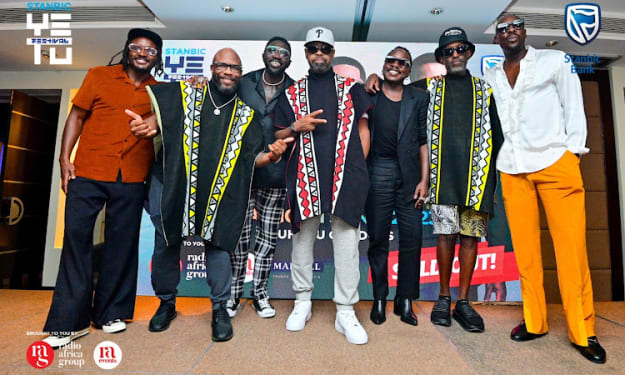
Boyz II Men's Unforgettable Tour Takes Kenya by Storm
In an electrifying turn of events, the legendary R&B vocal group Boyz II Men on this day are in their highly anticipated tour stop in Kenya. Renowned for their soulful harmonies, timeless hits, and captivating stage presence, Boyz II Men promises to deliver an unforgettable musical experience to their Kenyan fans. This monumental event marks a historic moment in Kenya's entertainment landscape and underscores the country's growing prominence as a premier destination for international artists.
By Frank Odhiambo3 years ago in Art
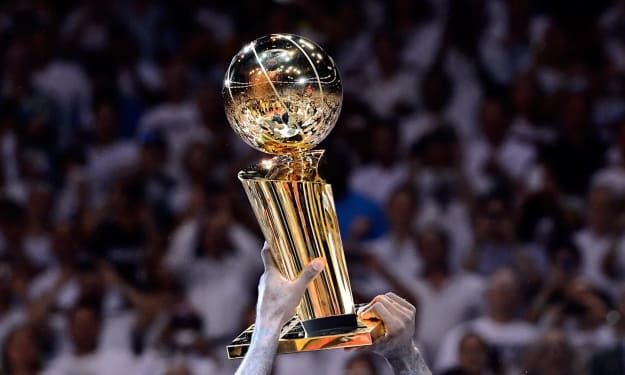
The NBA postseason is upon us, which means 16 teams - including the defending NBA champion Golden State Warriors - are vying for the chance to claim the 2023 NBA title.. Content Warning.
The NBA. It's a make-or-miss league. And on Friday night it was the latter for the Miami Heat who shot a combined 32% from 3. That's not to say that the Heat would've won the game had they matched the Denver Nuggets' long distance proficiency, but the fact remains that the Western Conference champs knocked down 50% of their 3-pointers. In being on the wrong end of the stat in the made 3s category -- by a count of 14 to 8 -- Miami just couldn't match Denver's firepower and now finds itself down 3-1 in the race to four wins.
By hardik kanani3 years ago in Art
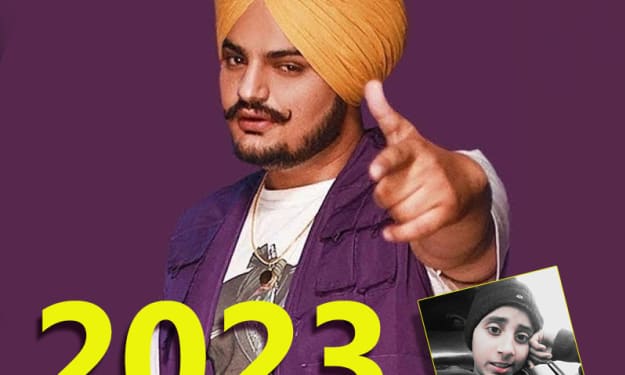
Why ?!! Sidhu Moose Wala's
On this day, my heart is filled with so much emotion as I celebrate the 29th birth anniversary of my beloved son, Sidhu Moose Wala. It feels like just yesterday when I held you in my arms for the first time, and my prayers had finally been answered.
By Ashraf Ramadan3 years ago in Art
Dancing with Distraction
Dancing with Distraction "Finding Freedom Through Dance" Dread clung to her like a heavy cloak as she stood at the entrance of the dance studio. The echoing sounds of music and laughter from within seemed to taunt her, reminding her of the fears and doubts that held her captive. This was not just any dance class; it was an opportunity to break free from the chains of her own mind, to immerse herself in the art of movement and find solace from the distractions that consumed her.
By imran khalil3 years ago in Art
The Power of Effective Logo Design. Content Warning.
A logo is more than just a visual representation of a brand; it encapsulates its identity and values in a single image. An effective logo has the power to make a lasting impression, convey a message, and establish a strong connection with the target audience. In this article, we will explore the importance of effective logo design and the key elements that contribute to a successful logo.
By D S S GUNATHILAKE3 years ago in Art
Title: Strategies for a Better Life: Unlocking Personal Growth and Fulfillment . Content Warning.
Cultivate a Positive Mindset: The power of a positive mindset cannot be understated. Our thoughts and beliefs shape our reality, and by cultivating a positive outlook, we can navigate life's challenges with resilience and optimism. Adopting a positive mindset involves consciously choosing to focus on the good in our lives, practicing gratitude, and reframing negative thoughts into positive ones. It allows us to see opportunities in adversity and approach life with a sense of hope and possibility.
By Muhammad Ahtesham3 years ago in Art