History
The Palais Garnier: A Masterpiece of 19th-Century Paris
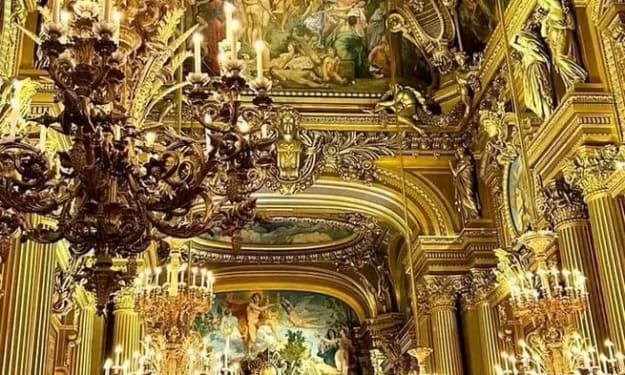
Nestled in the heart of Paris, the Palais Garnier stands as one of the most iconic and opulent symbols of 19th-century French architecture and culture. Commonly known as L'Opéra Garnier, this historic opera house, with its 1,979-seat capacity, has been a centerpiece of Parisian life since its inauguration in 1875. Commissioned by Emperor Napoleon III during the Second Empire, the Palais Garnier is more than just a venue for opera and ballet; it is a testament to the artistic and architectural ambition of its era. --- A Visionary Project The Palais Garnier was born out of necessity and grandeur. By the mid-19th century, the Paris Opera, then housed in the Théâtre de l'Académie Royale de Musique, required a new home. Napoleon III envisioned a grand structure befitting the cultural and political power of his regime. In 1861, Charles Garnier, a relatively unknown architect, won the design competition for the new opera house. His vision was a Beaux-Arts masterpiece that combined opulence, functionality, and cutting-edge construction techniques. Construction began in 1861 but faced numerous delays, including the Franco-Prussian War, the fall of the Second Empire, and the discovery of an underground lake beneath the site. This subterranean lake, immortalized in Gaston Leroux’s The Phantom of the Opera, required a complex drainage system and remains a fascinating part of the opera house’s lore. --- A Triumph of Beaux-Arts Architecture When it finally opened its doors in 1875, the Palais Garnier was hailed as an architectural triumph. Its design epitomized the Beaux-Arts style, characterized by grandeur, symmetry, and elaborate ornamentation. Garnier’s vision was to create a “palace of pleasure,” where every corner would dazzle and delight. The exterior of the building is a feast for the eyes. Its façade is adorned with sculptures, columns, and friezes, each element rich with symbolism. The twin gilded statues of Harmony and Poetry crown the structure, while busts of great composers like Mozart, Beethoven, and Rossini pay homage to the operatic art form. The grand staircase, a masterpiece of marble and gilded bronze, is as much a stage for the audience as the performers, designed to showcase the elegance and fashion of Parisian high society. --- Inside the Palais Garnier Stepping into the Palais Garnier is akin to entering a dreamscape of gilded splendor. The Grand Foyer, stretching nearly 60 meters long, rivals the Hall of Mirrors at Versailles in its opulence. Adorned with crystal chandeliers, frescoed ceilings, and gold-leafed accents, it offers a breathtaking space for audiences to mingle before performances. The auditorium, with its iconic horseshoe-shaped seating, is the heart of the Palais Garnier. It features plush red velvet seats and a proscenium arch dripping with gold ornamentation. Overhead, a 1964 modernist fresco by Marc Chagall graces the ceiling, juxtaposing the classical elegance of the space with vibrant, surrealist imagery. The stage itself is a marvel of 19th-century engineering, designed to accommodate elaborate set changes and large-scale productions. Beneath the stage lies the infamous underground lake, a relic of the site’s original construction challenges. This hidden feature adds an element of mystique to the opera house, inspiring tales and legends that have become part of its identity. --- Cultural Significance The Palais Garnier is not only an architectural masterpiece but also a cultural landmark that has played a pivotal role in the history of opera and ballet. It was the primary home of the Paris Opera until 1989, when the Opéra Bastille was inaugurated. Today, the Palais Garnier is primarily used for ballet performances, though it occasionally hosts opera and other events. Its influence extends beyond the realm of performing arts. The opera house has inspired countless artists, writers, and filmmakers. Gaston Leroux’s 1910 novel The Phantom of the Opera and its subsequent adaptations have immortalized the Palais Garnier in popular culture, adding an air of mystery and romance to its legacy. --- The Palais Garnier Today In the modern era, the Palais Garnier remains a must-visit destination for tourists and a cherished institution for Parisians. Its dual role as a functioning performance venue and a historical monument allows visitors to experience both the grandeur of its architecture and the artistry of its performances. Guided tours of the opera house provide insight into its history, architecture, and legends, while evening performances offer a chance to witness world-class ballet in one of the most breathtaking settings imaginable. The building’s gift shop and restaurant ensure that even casual visitors can take a piece of its magic home. --- A Timeless Legacy The Palais Garnier is more than just a building; it is a symbol of Paris’s enduring love for art, beauty, and culture. Its blend of architectural innovation, artistic grandeur, and historical significance make it a cornerstone of French heritage. Whether admired for its aesthetic splendor, appreciated for its artistic contributions, or explored for its hidden mysteries, the Palais Garnier continues to captivate and inspire all who encounter it. As one gazes upon the gilded statues, walks up the grand staircase, or listens to the echoes of a performance within its hallowed halls, it becomes clear why the Palais Garnier remains one of the world’s most celebrated opera houses. It is not merely a relic of the past but a living testament to the enduring power of art and the human spirit.
By Deji Akomolafe2 years ago in Art
The Mysterious Godolphin Cabinet: A Journey Through Time and Art
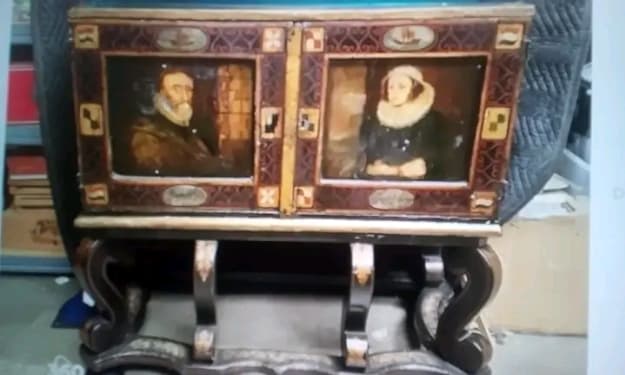
When I first purchased this cabinet, I was intrigued by its craftsmanship and its apparent age. After a careful analysis, I deduced that it likely dated back to between 1581 and 1610. However, after sharing my thoughts with members of art groups on Facebook and learning more about its history, I’ve come to believe it was actually made around 1650. This piece of furniture, a stunning blend of history, art, and craftsmanship, has a rich and fascinating backstory, particularly tied to the Godolphin family, a prominent aristocratic lineage from Cornwall, England. --- A Closer Look at the Cabinet’s Design At first glance, this cabinet is a work of art. The intricate details and the quality of the materials used immediately suggest that it was not an ordinary piece of furniture. The most striking feature is the cabinet's decoration, which is covered in Dutch flags. This choice of design is unusual and captivating, especially when paired with the other features of the piece. On the top of the cabinet, there is a vivid painting depicting a naval battle between English and Dutch warships. The caption reads "Cape Passaro," a reference to the Battle of Cape Passaro, fought off the coast of Sicily in 1718. This naval engagement between the British and Dutch forces was a significant event during the War of the Quadruple Alliance, marking a time when naval warfare and power struggles defined European geopolitics. The inclusion of Dutch flags and the naval battle scene on this cabinet hints at the political and military climate of the time, particularly the rivalry between England and the Netherlands in the 17th century. What makes this piece even more intriguing is the fact that the Godolphin family, whose name appears beneath the portraits inside the cabinet, was heavily involved in the politics and military affairs of the era. --- The Godolphin Family Connection The Godolphin family, hailing from Cornwall, was one of the most prestigious aristocratic families in England. The name "Godolphin" itself carries significance; in the Cornish language, it means "white eagle," a symbol of power and nobility. The family crest, with its motif of feathers, ties directly into the cabinet’s design. On both ends of the cabinet, the family motto, “Pennas Anno Domini,” is inscribed, which translates to "Feathers in the year of our Lord." The feathers refer not only to angels but also to the Godolphin family name, reinforcing the family's long-standing association with divine protection and aristocratic prestige. The portraits inside the cabinet, which are undoubtedly of two members of the Godolphin family, further solidify this connection. These aristocrats likely played a significant role in both local and national affairs. The Godolphins were deeply entrenched in the political and military landscapes of England during the 17th century, and their legacy is still remembered today. --- The Unique Smell: A Touch of History One of the most peculiar aspects of this cabinet is the smell that emanates from its interior. It’s a scent that I have struggled to describe—earthy, old, and somehow familiar. Interestingly, I noticed the same smell when walking through Spanish colonial missions in California, where the air is filled with the aroma of aged wood, old furniture, and centuries of history. This scent, in many ways, is a sensory bridge to the past, a link to an era where these objects were not just artifacts, but part of everyday life. The unusual smell might be attributed to the specific types of wood and finishes used in the cabinet's construction. Over time, furniture absorbs oils and dust, and the combination of these elements creates a distinctive scent that is unique to old, well-maintained pieces. The cabinet’s history, particularly its proximity to the Godolphin family and their involvement in the military and political affairs of the time, makes the smell feel even more significant—a reminder that the cabinet has lived through centuries of change, bearing witness to history in a way that few objects can. --- The Cabinet's Role in History This cabinet isn’t just a piece of furniture; it’s a time capsule. It offers a glimpse into the world of the 17th century, where art, politics, and military conflicts intertwined in fascinating ways. The inclusion of a naval battle, the Dutch flags, and the Godolphin family motto all point to a time of great social and political upheaval. The Godolphin family was deeply involved in England's military affairs, and their connection to this cabinet further emphasizes the importance of such objects in the homes of aristocrats during this period. The cabinet also offers a glimpse into the material culture of the time. The craftsmanship, the choice of materials, and the intricate details all reflect the wealth and status of the Godolphin family. It’s easy to imagine that such a cabinet would have been displayed in a grand estate, housing not just practical items but also serving as a symbol of the family’s power and influence. --- Conclusion: A Living Artifact As I reflect on the journey of this cabinet—from my initial analysis to my conversations with art enthusiasts and the discovery of its connection to the Godolphin family—I’m reminded of how objects like this serve as more than just decorative items. They are living artifacts, preserving pieces of history, culture, and personal stories. The cabinet’s unusual smell, its Dutch flags, and the portraits of the Godolphin family all paint a vivid picture of a time long past. The blend of art, politics, and family history embodied in this cabinet is a testament to the enduring power of historical objects to transport us to different eras. It’s a tangible connection to the past, one that continues to fascinate and inspire those lucky enough to encounter it.Start writing...
By Deji Akomolafe2 years ago in Art
Human Art In The Context Of AI, Empty Intelligence, and Empty Art
The Uniqueness of Human Theorizing: The Proposing, Preserving, and Protecting of Human Theories Now That Something Else-Artificial Intelligence-Can Now Make Theories Too.
By Adam Daley Wilson - Conceptual Artist + Appellate Lawyer2 years ago in Art
30 Funny Proverbs on Life to Add Humor and Wisdom to Your Day. AI-Generated.
Introduction Funny proverbs on life are the perfect mix of humor and wisdom. These short, witty sayings not only make us laugh but also teach us essential truths about navigating life. Whether it’s advice hidden behind a joke or a light-hearted take on serious topics, these funny proverbs connect with us on a deeper level. In this blog, we’ll explore 30 hilarious yet insightful proverbs that will leave you smiling and thinking.
By Owais Ahmed2 years ago in Art
50 Tuesday Motivational Quotes to Inspire Your Week
Tuesdays often get overlooked, sandwiched between the dreaded Monday and the midweek relief of Wednesday. But with the right mindset, Tuesday can be a day full of motivation and productivity. Here are 50 Tuesday motivational quotes to kickstart your day and keep you inspired throughout the week.
By Owais Ahmed2 years ago in Art
The Charm of Nautical Clocks and Compasses in Maritime Collectibles
Maritime collectibles transport enthusiasts and collectors alike into the mesmerizing world of seafaring adventures. Among the treasures that captivate hearts, nautical clocks and compasses stand out for their beauty, utility, and historical significance. These instruments embody the ingenuity and craftsmanship of an era when navigation relied on precision tools and daring exploration. In this article, we will explore the allure of nautical clocks and compasses, their role in maritime history, and why they remain cherished collectibles today.
By Shahla Khan2 years ago in Art
The Enigma of Jan van Eyck’s Arnolfini Portrait: A Masterpiece Beyond Its Time
Few paintings in history captivate and perplex audiences as much as Jan van Eyck’s Arnolfini Portrait. Completed in 1434, this 600-year-old masterpiece is considered one of the most mysterious and innovative works of art ever created. At first glance, it appears to be a simple portrait of a wealthy couple, Giovanni di Nicolao Arnolfini, an Italian merchant, and his wife, Costanza. However, a closer inspection reveals a wealth of hidden details, intricate symbolism, and unparalleled technical skill that elevate it to legendary status. This blog will delve into the history, techniques, and mysteries surrounding the Arnolfini Portrait, shedding light on why it remains one of the most studied and debated works in art history. --- The Artist: Jan van Eyck Jan van Eyck, a pioneer of Early Netherlandish painting, was renowned for his revolutionary use of oil paints and his meticulous attention to detail. His mastery of light, texture, and perspective allowed him to achieve a level of realism previously unseen in European art. The Arnolfini Portrait exemplifies van Eyck’s artistic genius, blending technical skill with profound narrative depth. --- The Scene: An Ordinary Moment or Something More? The painting depicts Giovanni Arnolfini and his wife standing in a domestic interior, presumably their home in Bruges. Giovanni is dressed in a fur-lined robe, while his wife wears an elegant green gown with flowing folds. The room is furnished with lavish items—a chandelier, an ornate bed, and a luxurious oriental rug—reflecting the couple’s wealth and status. At first glance, the scene seems straightforward: a formal portrait of a prosperous couple. Yet, the more you look, the more the painting reveals layers of complexity and ambiguity. --- The Mysterious Mirror One of the most remarkable features of the Arnolfini Portrait is the convex mirror on the back wall. Measuring just three inches in diameter, this tiny mirror reflects the entire room in stunning detail. Not only do we see the backs of Giovanni and his wife, but we also glimpse two additional figures standing in the doorway. One of these figures is believed to be van Eyck himself, subtly inserting his presence into the scene. This small mirror serves as both a technical marvel and a narrative device. It draws viewers deeper into the painting, making them feel as though they are part of the scene. Its inclusion raises questions: Who are the figures in the doorway? Are they witnesses to the couple’s union, or is their presence purely symbolic? --- Symbolism in Abundance Every element in the Arnolfini Portrait seems to carry symbolic meaning, creating endless opportunities for interpretation. The Dog At the couple’s feet lies a small dog, often interpreted as a symbol of loyalty and fidelity. Its inclusion suggests the couple’s commitment to each other, though some art historians have speculated it might also symbolize wealth, as small companion dogs were prized among the elite. The Green Gown The wife’s luxurious green dress is more than a display of wealth; it is often associated with fertility and hope. Some scholars suggest the painting could be a record of their marriage or a wish for future children. The Chandelier The single lit candle in the chandelier has sparked debate for centuries. Some believe it symbolizes the presence of God or divine witness to the event, while others interpret it as a nod to the ritual of marriage. The Fruit on the Windowsill The oranges resting on the windowsill are not mere decorations. In 15th-century art, oranges were often associated with wealth and the Garden of Eden, symbolizing innocence and purity. The Position of Their Hands Giovanni holds his wife’s hand in a gesture that suggests mutual respect and partnership. Yet, some interpret this as a sign of the husband’s authority, reflecting the gender norms of the time. --- Was It a Marriage Portrait? One of the most debated questions about the Arnolfini Portrait is its purpose. Is it a depiction of a marriage ceremony, a memorial portrait, or simply a record of wealth and status? Marriage Ceremony The painting is often interpreted as a visual record of the couple’s wedding. The joined hands, the presence of witnesses in the mirror, and the religious symbolism all support this theory. Memorial Portrait Others argue it might be a posthumous tribute to the wife, who is thought to have died before the painting was completed. This would explain the somber tone and the subtle references to mortality, such as the extinguished candles. A Statement of Wealth Alternatively, the painting could be a statement of the Arnolfini family’s social status. The detailed rendering of luxurious fabrics, furniture, and objects serves as a testament to their prosperity and taste. --- Van Eyck’s Inscription: “Jan van Eyck Was Here” Above the mirror, van Eyck inscribed the words, “Johannes de Eyck fuit hic 1434” (Jan van Eyck was here, 1434). This bold signature not only affirms his authorship but also positions him as a witness to the scene. It’s as though van Eyck is inviting viewers to question the painting’s purpose and his role in creating it. --- Legacy and Influence The Arnolfini Portrait is celebrated as one of the earliest examples of secular portraiture, breaking away from the predominantly religious themes of medieval art. Its innovations in perspective, realism, and symbolism influenced generations of artists and marked a turning point in the history of Western art. Even today, the painting continues to captivate audiences with its intricate details and enigmatic elements. Scholars, art enthusiasts, and casual observers alike find themselves drawn into its world, pondering the mysteries it holds. --- Conclusion Jan van Eyck’s Arnolfini Portrait is far more than a simple depiction of a couple; it is a visual puzzle, a technical triumph, and a window into the social and cultural dynamics of the 15th century. Its mysteries invite endless interpretation, ensuring its place as one of the most fascinating and enduring works of art in history. The more one studies this masterpiece, the more it reveals about the ingenuity of its creator and the complexities of the world it portrays. To gaze upon the Arnolfini Portrait is to step into a narrative that transcends time, reminding us of art’s ability to intrigue, inspire, and endure.
By Deji Akomolafe2 years ago in Art
Highlights of the CMA Awards 2024. AI-Generated.
CMA Awards 2024: A Night of Country Music Excellence The 2024 CMA Awards brought together the biggest names in country music to celebrate their remarkable achievements. Hosted at the Bridgestone Arena in Nashville, the event dazzled fans with outstanding performances, heartfelt speeches, and a tribute to country music's rich heritage.
By Kandage Vimukthi Reshan Dulakshana2 years ago in Art
Exploring X-Ray Rock Art from Arnhem Land, Australia
X-Ray Rock Art of Arnhem Land: A Window into Ancient Creativity In the remote and culturally rich region of Arnhem Land in northern Australia lies one of the most extraordinary artistic traditions in human history: X-ray rock art. This distinctive form of Aboriginal art is not only a striking visual achievement but also a profound reflection of the deep connection between Indigenous Australians, their environment. The X-ray style, characterized by the depiction of animals and humans with internal structures such as bones and organs visible, is both an artistic marvel and a cultural treasure that has endured for millennia. The Origins and Evolution of X-Ray Rock Art The X-ray art tradition is believed to have emerged around 2000 BC, evolving from earlier rock art styles and continuing to thrive into the present day. Arnhem Land, home to this art form, is a region renowned for its extensive rock shelters and caves, many of which serve as natural canvases for these ancient works.
By Deji Akomolafe2 years ago in Art
Finding the Best Leadless Pacemaker Specialist in Chennai: A Comprehensive Guide
Advantages of Choosing the Best Leadless Pacemaker Specialist in Chennai Precision, expertise, and advanced technology are non-negotiable when it comes to cardiac health. Consulting the best specialist can make all the difference if you're considering a leadless pacemaker for heart rhythm management. Chennai, often regarded as a medical hub in India, boasts several highly skilled and experienced cardiologists specializing in this cutting-edge technology. Here's a detailed look at the advantages of choosing the best leadless pacemaker specialist in Chennai.
By deepchandhraja2 years ago in Art
The Art of Embracing Change
Change is inevitable, yet many of us resist it. Whether it’s moving to a new city, starting a new job, or going through a personal transformation, change can feel daunting. However, learning to embrace change is one of the most powerful ways to grow and evolve in life. In fact, it’s often through change that we discover new opportunities, strengths, and perspectives that we might never have encountered otherwise. Why Change is Important 1. Growth and Learning: Change pushes us out of our comfort zones. It challenges us to learn new skills, gain new experiences, and view the world through a different lens. This process of growth is essential to our personal and professional development. 2. Opportunities for Reinvention: When life changes, it offers a chance to reinvent ourselves. Whether it’s adopting a new career path, pursuing a new passion, or changing our habits, change gives us the opportunity to align our lives with who we truly want to be. 3. Resilience Building: Facing change helps build resilience. By adapting to new situations, we become more flexible and better equipped to handle future challenges. Each time we embrace change, we develop the mental strength to navigate life's uncertainties. 4. Breaking Free from the Past: Change can serve as a way to break free from old patterns or negative cycles. It’s a fresh start, allowing us to leave behind what no longer serves us and make room for new, positive experiences. How to Embrace Change 1. Shift Your Perspective: Instead of seeing change as something to fear, try to view it as an opportunity for growth. Embrace the idea that change can lead to something better, even if it’s uncomfortable at first. 2. Take Small Steps: Change doesn’t happen overnight. Start with small, manageable steps that will help you adjust to the new situation. Whether it’s learning a new skill or making a new connection, these small changes can add up to big results over time. 3. Stay Open-Minded: Be open to new ideas and ways of doing things. Flexibility is key to adapting to change successfully. Embracing different perspectives will allow you to see the bigger picture and make more informed decisions. 4. Take Care of Yourself: During times of change, it’s important to practice self-care. Prioritize your mental and emotional health by staying active, maintaining a routine, and connecting with supportive people. Taking care of yourself will help you manage stress and stay grounded through transitions. 5. Trust the Process: Change can feel unsettling, but trust that the process will lead you to where you need to be. Trusting the journey allows you to remain patient and hopeful, even when the road ahead seems uncertain. Conclusion While change may be uncomfortable at first, it holds the potential for profound transformation. By shifting your perspective and embracing new opportunities, you can navigate life’s transitions with confidence and resilience. Remember, change is not an obstacle—it’s a doorway to new beginnings.
By Hridoy Hasan2 years ago in Art