
Beyond Representation: Divine DNA and the Structure of Identity
How Identity Emerges Through Structure, Memory, and Cultural Formation
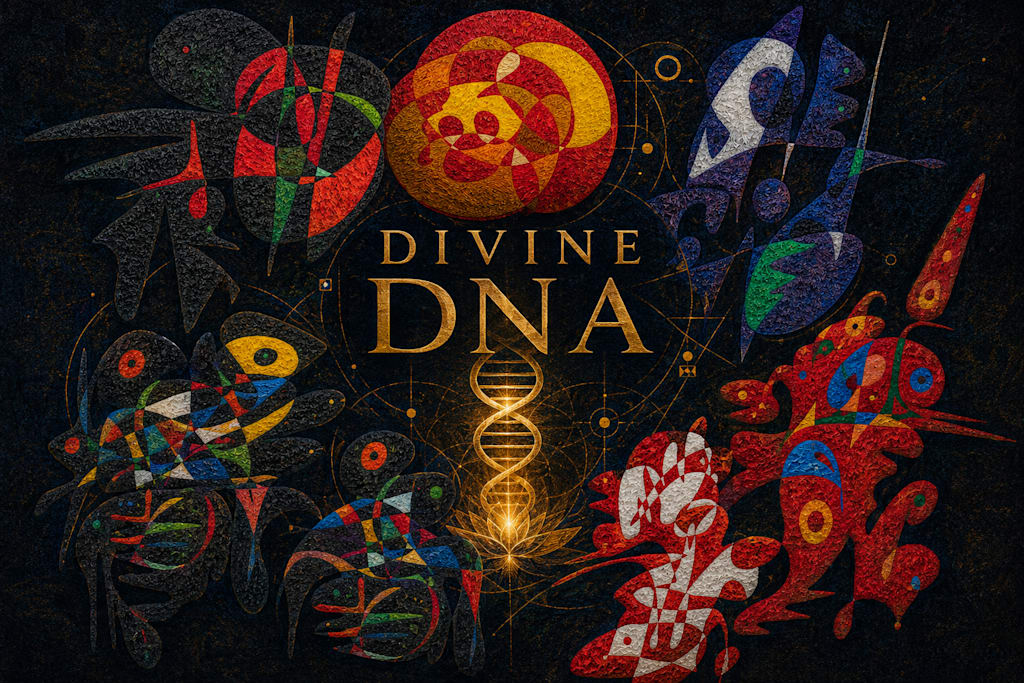
Contemporary art has long explored questions of identity, often through portraiture, symbolism, autobiography, or cultural representation. Gheorghe Virtosu's Divine DNA takes a markedly different approach. Rather than depicting identity, the project investigates the conditions through which identity is formed.
At the center of the work lies a simple but ambitious proposition: identity is not a fixed essence but an evolving structure. It emerges through the interaction of memory, belief, culture, history, and collective experience. Within Divine DNA, these forces are not illustrated through narrative scenes or symbolic storytelling. Instead, they are organized into a visual system that invites viewers to consider identity as a process of construction rather than a category of classification.
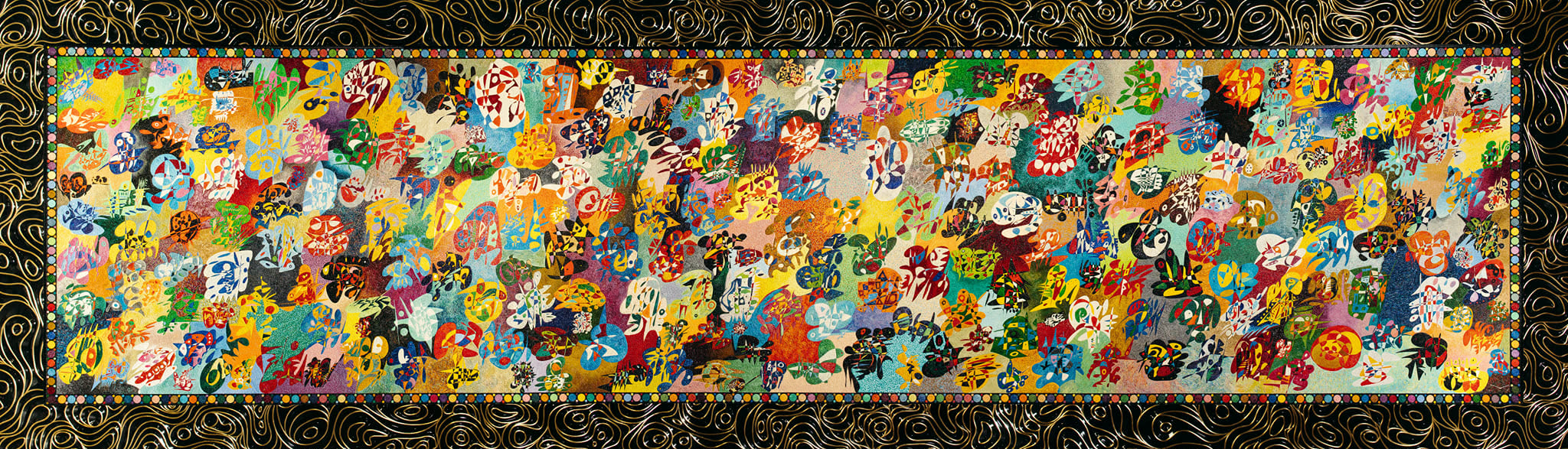
This shift from representation to organization is significant. Traditional images often ask who we are. Divine DNA asks how identities come into being. The distinction moves the discussion away from fixed definitions and toward the networks of relationships that shape human experience.
The project's title encapsulates this tension. DNA suggests inheritance and transmission, while the term “divine” introduces cultural memory, belief, and symbolic knowledge. Together, they establish a conceptual territory where biological, historical, and cultural dimensions intersect. Identity appears neither purely inherited nor entirely self-created, but as the result of multiple interacting forces.
What makes Divine DNA particularly compelling is its refusal to offer a singular answer. The work functions less as a statement than as a framework for inquiry. Individual paintings, codices, and structural arrangements operate as interconnected points within a larger field of relations. Meaning emerges gradually through comparison, proximity, repetition, and variation.
In this respect, the project belongs to a broader tendency within contemporary art that seeks to understand complex social realities through systems rather than narratives. Yet Divine DNA remains distinct in its focus on identity as an architectural condition—a structure capable of accommodating continuity and change simultaneously.
Rather than presenting identity as something that can be represented once and for all, Divine DNA proposes that identity is continuously assembled and reassembled through the forces that shape human life. The result is a body of work that invites viewers to look beyond appearances and consider the deeper structures through which individuals and societies define themselves.
For a more detailed examination of these ideas, readers may consult the essay Divine DNA: The Architecture of Identity.
About the Creator
Daniel Varzari
American art curator.
Enjoyed the story? Support the Creator.
Subscribe for free to receive all their stories in your feed.
Comments
There are no comments for this story
Be the first to respond and start the conversation.