social media
The tech industry makes the social media world go 'round; explore the technologies that keep us all connected.
Why is TikTok Banned in Some Countries?
In social media, few platforms have made as significant an impact as TikTok. Behind its viral dances and comedic sketches lies a story of innovation, controversy, and geopolitical tension. At the center of it all is Zhang Yiming, the visionary entrepreneur hailed as China's Mark Zuckerberg. Zhang's journey began in China's Fujian province in April 1982. Raised by parents who encouraged his passion for technology, he embarked on a path that would eventually lead him to found ByteDance, the company behind TikTok. Unlike Zuckerberg's storied Harvard beginnings, Zhang's early career involved fixing computers and navigating through failed ventures before finding success with ByteDance in 2012. ByteDance's flagship app, TikTok, quickly became a global sensation, reshaping how users consume and create content with its algorithm-driven feed. From dancing videos to comedic skits and stream-of-consciousness monologues, TikTok offered a platform for creative expression unlike anything seen before. Its intuitive algorithm, which learns users' preferences as they scroll through an endless feed of videos, set it apart from competitors like Snapchat, Instagram, and Facebook. However, TikTok's has not been without challenges. Legal constraints, such as India's ban in 2020 amid concerns over data privacy and national security, have cast a shadow over its future. The app's ties to China have fueled suspicions and calls for regulation, particularly in the United States. The Trump administration's threats of a ban, coupled with allegations of censorship and data collection, have placed TikTok under intense scrutiny. The specter of China's National Intelligence Law, which compels companies to hand over data at the government's request, looms large over ByteDance and its global operations. Despite these challenges, TikTok has continued to thrive, boasting over 2 billion downloads worldwide and making Zhang one of China's wealthiest individuals. Yet, the uncertainty surrounding its future remains palpable. The potential for further bans, regulatory crackdowns, or even forced divestiture looms large, threatening to upend TikTok's global ambitions. Beyond the controversies, the case of TikTok raises broader questions about the intersection of technology, geopolitics, and national security. How should governments and companies navigate the complexities of a globalized digital landscape, where data flows freely across borders and national interests collide? The debate over TikTok is just one example of the challenges posed by the rise of Chinese tech giants and the need for comprehensive regulation and oversight. As countries grapple with issues of data sovereignty, privacy, and national security, the stakes for companies like TikTok have never been higher. In the midst of uncertainty, one thing remains clear: the story of TikTok is a testament to the power of innovation and the ever-evolving nature of the tech industry. As users and policymakers navigate the complexities of a rapidly changing world, the fate of TikTok serves as a poignant reminder of the delicate balance between innovation and regulation. Whether TikTok emerges stronger or succumbs to the pressures of geopolitics, its legacy will undoubtedly shape the future of social media and technology. And as we ponder the implications of its rise and uncertain future, one thing is certain: the only constant in the world of tech is change. As we navigate these uncertain waters, let us also remember the words of Zhang Yiming himself: "The next big idea won't necessarily come from Facebook, Google, or Apple - it could come from you." In a world where innovation knows no bounds, the possibilities are endless. And perhaps, with the right combination of curiosity, determination, and a touch of brilliance, the next TikTok may be just around the corner. In conclusion, the rise and uncertain future of TikTok serve as a microcosm of the broader challenges facing the tech industry in an increasingly interconnected world. As governments, companies, and users grapple with issues of data privacy, national security, and innovation, the story of TikTok offers valuable insights into the complexities of navigating a globalized digital landscape. Whether TikTok ultimately succeeds or fails, its impact on the tech industry and the world at large will be felt for years to come.
By Sanjana Dixit2 years ago in 01
Where Does The Doge Meme Come From?
Few phenomena have achieved the level of recognition and adoration as the Doge meme. Originating from the depths of online forums and image boards, Doge has transcended its humble beginnings to become a ubiquitous symbol of internet humor and absurdity. Join me as we embark on a journey to uncover the meaning, origin, and enduring appeal of this beloved canine sensation. Before we delve into the intricacies of Doge, let's address the age-old question: how do you pronounce it? The debate rages on, with some advocating for "doj" and others championing "doge" (rhyming with "vogue"). After extensive research, I've settled on the latter pronunciation – not only for its accuracy but also for its sheer delightfulness. Saying "doge" feels like unlocking a secret code to internet culture. If you've spent any amount of time traversing the digital landscape, you've undoubtedly encountered Doge – that iconic image of a Shiba Inu with a quizzical expression. Is it amusement? Confusion? Judgment? The enigmatic gaze of Doge has sparked countless interpretations and memes, cementing its status as a staple of online humor. Typically accompanied by text in Comic Sans font, Doge memes often feature phrases like "much," "very," "so," "such," and "many," presented in broken English. It's as if Doge is attempting to navigate the complexities of human language while simultaneously pondering the absurdity of existence. It's a perfect encapsulation of the internet's penchant for irreverent humor and nonsensicality. But where did Doge originate? The tale begins in February 2010 when a Japanese kindergarten teacher named Atsuko Sato introduced the world to her beloved Shiba Inu, Kabosu, through her blog. Among the various snapshots of Kabosu's daily life, one image stood out – a sideways glance that would later become synonymous with the Doge meme. Little did Sato know that her adorable pet would soon captivate the hearts and minds of internet users worldwide. By October of the same year, Kabosu's image had made its way onto Reddit, where it quickly gained traction and became the subject of fascination. With its distinctive expression and endearing charm, Doge captured the imagination of netizens, spawning a multitude of memes, remixes, and parodies. The term "Doge" itself is believed to have originated from a 2005 web series titled "Homestar Runner," where it was humorously used as a misspelling of "dog." This linguistic quirk added an extra layer of whimsy to the meme, further solidifying its appeal among internet denizens. As Doge's popularity surged, so too did its cultural significance. The image of Kabosu with her bemused expression became emblematic of internet culture, symbolizing the absurdity and unpredictability of online interactions. From its humble beginnings on forums and social media platforms, Doge gradually infiltrated mainstream culture, appearing on merchandise, in advertisements, and even as the mascot for a cryptocurrency known as Dogecoin. Kabosu's owner, Atsuko Sato, expressed both delight and bewilderment at her pet's newfound fame. While she appreciated the attention and affection lavished upon Kabosu, she also found herself bemused by the myriad ways in which her dog was depicted in memes and photoshopped images. Indeed, the internet's penchant for absurdity knows no bounds, and Doge was no exception. In addition to its presence in digital spaces, Doge made forays into the realm of traditional media. In 2014, the meme made a cameo appearance in "Weird Al" Yankovic's music video for his song "Word Crimes," further solidifying its status as a cultural phenomenon. But perhaps the most surprising development in Doge's evolution was its transformation into a currency. In 2013, Dogecoin was introduced as a lighthearted alternative to other cryptocurrencies, featuring Doge's iconic visage as its logo. What started as a playful homage to internet culture soon gained traction as a legitimate digital currency, with Dogecoin gaining a devoted following of enthusiasts and investors alike. From its humble origins as a simple image macro to its status as a global phenomenon, Doge has come a long way. Its enduring appeal lies in its ability to capture the zeitgeist of internet culture – absurd, irreverent, and endlessly entertaining. As we navigate the ever-changing landscape of the digital age, one thing remains certain: Doge will continue to reign supreme as the king of memes. So the next time you encounter that familiar image of a Shiba Inu with a perplexed expression, take a moment to appreciate the cultural significance of Doge. It's more than just a meme – it's a symbol of the boundless creativity and camaraderie that define internet culture. And who knows? With the internet's penchant for reinvention and innovation, the best may be yet to come for Doge and its legion of devoted fans.
By Sanjana Dixit2 years ago in 01
Exploring the Vibrant Melodies: Top 10 Rajasthani Singers
Rajasthan—the land of royalty with a rich cultural heritage, is resonant with the soulful sounds of the folk music of the region. From the magnificent forts of Jaipur as well as the golden sands in Jaisalmer, music is a vital aspect of the identity of Rajasthan. There are a lot of talented musicians who have kept the rich tradition of Rajasthani music alive through their beautiful voices and heartfelt performances. This post will explore the best 10 Rajasthani singer who have impressed the audience with their stunning voices and timeless music.
By Audrey Phillip2 years ago in 01
Why Did Elon Musk Change Twitter to X?
In the constantly innovation-driven landscape of technology and social media, few stories rival the epic saga of Elon Musk's bid to acquire Twitter. From its inception as a modest microblogging platform to its current status as a global communication powerhouse, Twitter has long been at the forefront of digital innovation. However, as societal norms and expectations shift, the platform has found itself at a crossroads, grappling with issues of censorship, misinformation, and the delicate balance between free speech and responsible content moderation. Enter Elon Musk, the enigmatic billionaire entrepreneur known for his visionary thinking and bold ambitions. Musk's interest in Twitter was not merely financial but ideological, driven by a passionate belief in the fundamental importance of free expression and the democratization of information. As he quietly accumulated shares in the company, Musk's intentions became clear: he sought to challenge the status quo and reshape Twitter in his image. The clash of ideals between Musk and Twitter's leadership was inevitable. While Musk championed an unbridled approach to free speech, Twitter's executives grappled with the daunting task of balancing openness with the need to maintain a safe and inclusive environment for users. This ideological divide laid the groundwork for a contentious battle for control of the platform, with Musk emerging as a vocal advocate for change. The legal battles that ensued only served to heighten the drama surrounding Musk's bid for Twitter. As lawsuits and regulatory inquiries proliferated, the tech world watched with bated breath, wondering whether Musk's audacious vision would prevail against entrenched corporate interests. Meanwhile, whistleblower disclosures added fuel to the fire, casting a shadow of doubt over Twitter's internal practices and governance. Amidst the legal wrangling and whistleblower revelations, Musk's resolve remained steadfast. His vision for Twitter extended far beyond mere ownership; he sought to transform the platform into a beacon of innovation and opportunity. From monetizing features like blue checkmarks to integrating new functionalities such as video calls and gaming, Musk's ambitions knew no bounds. Yet, as Musk's bid for Twitter encountered obstacles and setbacks, questions arose about the viability of his grand vision. Skeptics wondered whether Musk's bold initiatives were practical or merely pie-in-the-sky dreams. Critics raised concerns about the potential consequences of unchecked free speech and the commodification of social media features. Despite the uncertainties and challenges, Musk persevered, ultimately emerging victorious in his quest to acquire Twitter. With the keys to the platform firmly in his grasp, Musk wasted no time in implementing his vision for its future. His appointment as CEO marked the beginning of a new chapter for Twitter, one defined by innovation, transparency, and a renewed commitment to free expression. As Twitter embarks on this new and pivotal chapter under Musk's bold and visionary leadership, the world watches with a captivating blend of anticipation and trepidation. Will Musk's audacious plans catapult the platform to unparalleled heights of success, or will they precipitate unforeseen hurdles and controversies? Only time will unveil the answers, but one thing remains indisputable – the epic saga of Elon Musk's Twitter takeover has irrevocably reshaped the terrain of social media, imprinting a lasting legacy on the digital landscape for generations to come. In conclusion, Elon Musk's endeavor to acquire Twitter epitomizes the lasting impact of innovation, ambition, and an unwavering commitment to transformation in the digital era. As Musk's strategic blueprint for the platform unfolds, global anticipation mounts to witness the forthcoming evolution of Twitter and its influence on the expansive realm of social media. This narrative underscores the profound implications of visionary leadership and disruptive thinking, shaping not only the trajectory of a single platform but also resonating across industries, inspiring new paradigms, and challenging established norms in the ever-evolving landscape of technology and communication.
By Sanjana Dixit2 years ago in 01
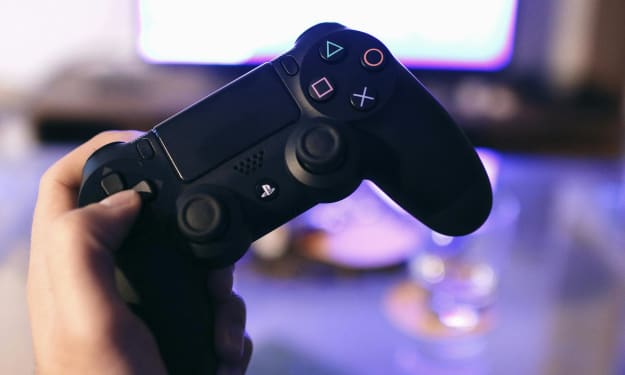
A Chronicle of Activision's Epic Journey on Sony PlayStation
Since the dawn of the gaming industry, Activision has been a dominant force, shaping the landscape of interactive entertainment. Among its many triumphs, the partnership between Activision and Sony PlayStation stands as a testament to innovation, creativity, and the power of collaboration. This chronicle traces the epic journey of Activision's presence on the Sony PlayStation platform, from its humble beginnings to its current status as a cornerstone of gaming history.
By Shaza Writes2 years ago in 01
Exploring the Upcoming Innovations: A Sneak Peek into Odoo 17's Latest Features and Enhancements
Success in the ever-evolving worlds of technology and business depends on staying ahead of the curve. Odoo has revolutionized the business landscape for companies that depend on all-inclusive enterprise resource planning (ERP) solutions. Odoo keeps pushing the envelope of innovation with each new version release, and Odoo 17 seems to be no different. Let’s get a preview of some of the newest additions and features that will completely change the ERP market.
By Banister Vinish2 years ago in 01
The TikTok -USA Tug-of-War
As the year drew to an end, the US Congress passed a bill that forbade TikTok from federal government devices, which was the first step against the social media giant. This resolution, which was made with national security predilections in mind, has put fears about TikTok's data privacy violations, and its potential for spreading disinformation due to its relations to China, into focus.
By Charlotte Merry2 years ago in 01
The Struggle Is Real
It will always remain an unforgettable time when I was trying to register my music in the beginning. For years, I was in my basement studio, working my heart out to craft immaculately made songs, the ideal ones. However, even with all this hard work put into the actual music, it did not yield the desired response from the listeners.
By SearchEngineWays2 years ago in 01