future
Explore the next frontier of tech innovation, and imagine our society in the near and far future.
Why is Dr. Yogesh Gupta Recognized as the Best Spine Surgeon in India: Experience, Expertise, and Excellence?
The major factors Indian patients use to find the best spine surgeon in India involve doctor expertise along with their specialization skills and their history of viable surgical results. Dr. Yogesh Gupta shows all the essential qualities needed for his position as a prominent spine surgeon and neurosurgeon based in Jaipur. His extensive practice of performing innovative surgical procedures through complex surgeries for over 8000 patients has made him receive recognition from local and national audiences as the best spine surgeon in India.
By Dr Yogesh guptaabout a year ago in 01
AI-Powered Personalization: The Smart Way to Win Modern Customers
Picture shopping at your go-to store online and getting product recommendations that seem handpicked just for you. This is no coincidence — it’s the power of AI-powered personalization marketing in action. With 3 out of 5 consumers willing to use AI-powered apps when they shop, brands are quickly adopting smart, data-driven approaches to create hyper-personalized, seamless customer experiences on a whole new level.
By Gurneet Kaurabout a year ago in 01
Expensive apartments in Gurgaon - Sapient Realty
Luxury Expensive apartments in Gurgaon is turning out to be a very viable investment destination for many investors. Having attained saturation in Delhi, buyers are finding their way to Gurgaon in search of the best luxury homes, where they might get good deals and luxury condos at reasonable prices.
By Sapient Realtyabout a year ago in 01
I Asked ChatGPT to Run My Life for 7 Days—Here’s What Happened
I Asked ChatGPT to Run My Life for 7 Days—Here’s What Happened In a bold mix of curiosity, burnout, and too many unopened planner apps, I decided to let ChatGPT take the wheel of my life for one full week. Meals, outfits, messages, productivity hacks—you name it, I handed it over to the AI overlord (okay, friendly assistant). Here's how it went, day by day.
By James Brockabout a year ago in 01
I Tried an AI Voice Generator —Here’s What Surprised Me
I Tried an AI Voice Generator — And Accidentally Created a Robot Version of Myself I’ve always been curious about those eerily realistic AI voiceovers you hear on YouTube and TikTok. So, I put a few of the most popular AI voice generators to the test.
By James Brockabout a year ago in 01
What If My Numbers Don’t Fit? How to Budget Even When It Feels Impossible . Content Warning.
Introduction Have you ever sat down to create a budget, only to realize something frustrating? The numbers just don’t add up. You earn $2,000 per month, but your rent is $1,200, groceries take $400, and everything else—utilities, transportation, minimum debt payments—eats up the rest. There’s nothing left. Or worse, you’re already in the red before the month even begins. If you’ve felt this way, you’re not alone. Many people face this exact challenge. The good news? There are real, practical steps you can take—even when your numbers “don’t fit.” Let’s break it down. --- Step 1: Accept Where You Are (No Shame Allowed) First of all, breathe. Having a “tight” or negative budget doesn’t make you bad with money. It means you’re living in a system that often doesn’t support everyday people. Rent is high, wages may be low, and costs continue to rise. Budgeting isn’t just about math—it’s about choices, priorities, and small wins over time. So, start by accepting your current situation without shame. That mindset shift alone can help you think more clearly and make better decisions. --- Step 2: Know Your True Income and Expenses If your budget doesn’t fit, the first thing to do is get a clear, honest picture of your finances. Track everything for a month: How much do you earn (after taxes)? What are your fixed expenses (rent, utilities)? What are your variable expenses (groceries, gas)? What are your “leaks” (fast food, impulse shopping)? Use a notebook, a spreadsheet, or a free app like Mint or YNAB. You can’t fix what you can’t see. Often, just tracking spending opens your eyes to where small cuts can happen. --- Step 3: Prioritize the Essentials When your budget is too tight, you have to focus on what matters most. This is called "Survival Budgeting" or "Bare-Bones Budgeting." Your top priorities are: Housing (rent/mortgage) Utilities (electricity, water, basic phone) Food (groceries, not restaurants) Transportation (to work/school) Minimum debt payments (to avoid late fees) These are non-negotiables. Everything else—subscriptions, dining out, new clothes—can be reduced, paused, or eliminated temporarily. --- Step 4: Cut Without Guilt If your numbers don’t fit, some things will need to go. But remember: Cutting back is not failing—it’s being resourceful. Here are some quick wins: Cancel unused subscriptions (Netflix, gym, apps) Cook at home more often Shop with a list to avoid impulse buys Limit rideshare or delivery app usage Buy used items instead of new Even saving $5–$10 per week adds up. It’s not about big sacrifices—it’s about consistency. --- Step 5: Increase Income (Even a Little) When your budget is truly unworkable, sometimes expenses aren’t the problem—income is. You can only cut so much. At some point, you have to grow. Here are some ways to earn more: Freelance online (writing, editing, graphic design, tutoring) Sell unused items (clothes, electronics) Do gig work (food delivery, rideshare) Babysit or pet-sit in your neighborhood Apply for side jobs with flexible hours Even $100–$200 extra per month can ease a lot of pressure. --- Step 6: Talk to the People You Owe If debt is what’s making your numbers not fit, don’t ignore it—negotiate it. Call your creditors. Explain your situation. Many lenders offer: Hardship programs Lower interest rates Deferred payments Consolidation options Most people don’t know that just asking can make a big difference. Don’t be afraid to advocate for yourself. --- Step 7: Create a Weekly Spending Plan If monthly budgeting feels impossible, break it down. Weekly budgeting makes things feel more manageable and less overwhelming. Here’s how: Divide your monthly income by 4 Set a weekly limit for spending (after bills) Use cash or a prepaid card to control your limit Check in every Sunday: What’s left? What needs adjusting? This approach gives you more control and prevents end-of-month panic. --- Step 8: Build a Buffer (Even If It’s Small) You may not be able to save much right now—but try to start building a small buffer. Why? Because a flat tire or surprise bill can destroy a tight budget. Start with just $5–$10/week. Put it in a separate savings account. Over time, it becomes your emergency cushion. Eventually, aim for a $500 emergency fund. Then work toward $1,000. It may take time, but small steps matter. --- Step 9: Don’t Compare Your Budget to Others It’s easy to feel discouraged when you see influencers online talking about investing $1,000 a month or saving for a Tesla. Ignore them. Your journey is yours. If you're making progress—even slow progress—you're winning. Budgeting is personal. There’s no one-size-fits-all plan. Focus on what you need, not what others have. --- Step 10: Revisit and Revise Often Life changes. So should your budget. Check in with your numbers at least once a month. Ask yourself: Did anything improve? What got worse? Can I make a small change this month? Sometimes, things get harder before they get better. But if you keep reviewing and adjusting, your budget will eventually begin to fit—better and better. --- Final Thoughts: You’re Not Broken—The System Might Be If your budget doesn’t fit, it’s not a personal failure. It’s a sign that you’re trying your best in a system that often sets us up to struggle. But the fact that you're reading this means you're trying—and that's powerful. You may have to get creative. You may have to hustle. You may have to say no to some things for a while. But over time, with consistency, things will change. Start where you are. Use what you have. Do what you can. That’s how real financial freedom begins. --- Liked this article? Follow me for more simple, relatable budgeting advice and personal finance tips that help everyday people make money work—for you.
By Hari Pahariaabout a year ago in 01
Entertainment in the 21st Century: A Cultural Revolution
Introduction Human imagination, creativity, and emotion have always been reflected in entertainment. From the storytelling circles of ancient civilizations to the immersive metaverses of today, the ways we engage with stories, music, art, and games have transformed dramatically. Entertainment is no longer just a means of escaping reality in the digital age; it is now an essential component of culture, identity, social interaction, and even economic power. This article explores the ever-evolving landscape of entertainment, its historical roots, its role in society, the rise of digital platforms, and what lies ahead in a world where boundaries between creator and consumer are increasingly blurred.
By Mahibul Mahtab Rummanabout a year ago in 01
Psychometric Test: Recruitment Done Right
Psychometric tests have become a standardized and scientific method which has been embraced by recruiters to measure an individual’s mental and emotional capabilities and behavioral style as well. These tests are designed to quantify a candidate’s suitability based on the specific role required focusing on the personality characteristics and emotional stability of the candidate.
By mayank kejriwalabout a year ago in 01
One of the Top IT Companies in Chandigarh: The Ellocent Labs Revolution. Content Warning.
Ellocent Labs distinguishes itself as a leading force in the thriving Chandigarh IT industry, fostering innovation and excellence. This article explores the top IT company in Chandigarh, putting Ellocent Labs in the spotlight. We'll talk about the company's history, accomplishments in the field, and effects on the Chandigarh IT sector.
By Ellocent Labs IT Solutionsabout a year ago in 01
How to Ship a Portable Concrete Pump Overseas: A Complete Guide
Shipping a portable concrete pump overseas requires careful planning to ensure safe transit, compliance with regulations, and cost efficiency. Whether you're exporting to Africa, the Middle East, Europe, or Southeast Asia, proper packaging, documentation, and logistics are essential to avoid delays, damage, or customs issues.
By consrtuctionmachinesabout a year ago in 01
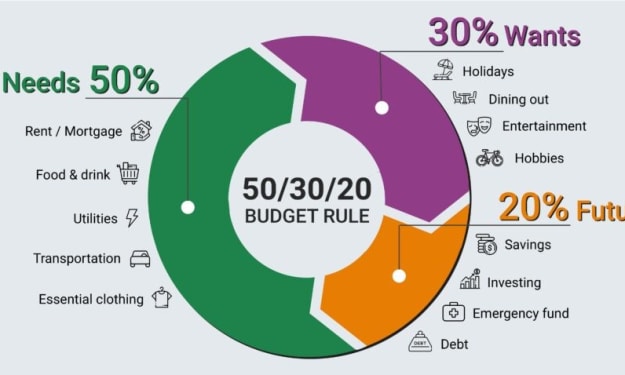
Why You Should Use the 50/30/20 Budget Rule: A Simple Framework to Master Your Finances. Content Warning.
Introduction: Budgeting doesn’t have to be hard. If you’ve ever felt overwhelmed trying to track every single dollar or create detailed spreadsheets, you’re not alone. That’s why the 50/30/20 rule is so popular. It gives you a clear, flexible, and effective way to manage your income without the stress of micromanaging. In this article, we’ll explore what the 50/30/20 rule is, why it works, how to apply it to your own life, and some practical examples to help you get started today. --- What is the 50/30/20 Rule? The 50/30/20 rule is a budgeting method that divides your after-tax income into three main categories: 50% Needs 30% Wants 20% Savings or Debt Repayment Let’s break each part down: --- 1. 50% for Needs Needs are your essentials — the things you must have to survive and function: Rent or mortgage payments Utilities (electricity, water, gas) Groceries Transportation Insurance (health, auto) Minimum debt payments Basic clothing If your needs exceed 50%, it might be time to look at ways to reduce costs, such as moving to a more affordable home or cutting unnecessary bills. --- 2. 30% for Wants Wants are non-essential items — things you enjoy but can technically live without: Dining out or ordering food Subscriptions (Netflix, Spotify) Travel and vacations Hobbies, entertainment, shopping Upgrades (fancier phone, luxury clothing) This category helps you enjoy life without going overboard. Having a limit also prevents guilt over spending — you’re allowed to have fun! --- 3. 20% for Savings or Debt Repayment This part of your income is for: Building an emergency fund Paying off credit card debt or loans faster Investing in retirement (401k, IRA) Saving for future goals (house, education, etc.) The idea is to secure your future while reducing financial stress in the present. --- Why the 50/30/20 Rule Works This rule has remained popular because it: Is simple and easy to remember Gives you balance between essentials and enjoyment Encourages saving and debt reduction Can be adjusted for different income levels It also avoids the trap of overly strict budgets, which often fail because they feel too restrictive. --- How to Apply the Rule (Step-by-Step) Step 1: Calculate Your After-Tax Income This is the amount you actually bring home after deductions (like taxes, Social Security, etc.). If you earn $3,000 per month after taxes, that’s your working number. Step 2: Apply the Percentages 50% Needs = $1,500 30% Wants = $900 20% Savings = $600 Step 3: Categorize Your Expenses Make a list of everything you spend money on and place each item under one of the three categories. You’ll quickly see if you’re overspending in any area. Step 4: Adjust as Needed If your “Needs” take up more than 50%, consider adjusting “Wants” or looking for ways to lower fixed costs. Flexibility is key. --- Real-Life Example Let’s say you bring home $2,500/month. Needs (50%) Rent: $800 Utilities: $150 Groceries: $250 Transportation: $200 Insurance: $100 Total = $1,500 Wants (30%) Dining out: $200 Entertainment: $150 Shopping: $200 Total = $550 (You’re under budget — great job!) Savings (20%) Emergency fund: $250 Student loan payment: $250 Total = $500 --- Tips to Make It Work for You 1. Use cash envelopes or separate bank accounts This helps prevent overspending and keeps your categories organized. 2. Automate your savings Set up automatic transfers so saving becomes effortless. 3. Review monthly Your expenses and income can change. Revisit your budget each month. 4. Don’t panic if your ratio isn’t perfect The goal is progress, not perfection. If your needs take up 60%, just work on reducing them slowly. --- Common Mistakes to Avoid Confusing wants with needs Just because your phone is old doesn’t mean you need the latest model. Not adjusting the rule to your life For example, if you’re debt-free, you can increase savings beyond 20%. Not tracking spending The rule only works if you know where your money is going. --- Final Thoughts: Make the Rule Work for You The 50/30/20 rule is a great place to start if you’re new to budgeting. It gives you structure without being too rigid. Most importantly, it helps you build healthy money habits that lead to long-term financial success. Start today: figure out your take-home income, list your expenses, and apply the rule. With time, you’ll feel more in control, less stressed, and more confident about your financial future. --- Liked this article? Follow me for more beginner-friendly budgeting tips, debt-free strategies, and smart savings advice. Let’s build your financial future — one step at a time.
By Hari Pahariaabout a year ago in 01