
Why Drone Roof Inspection Is Becoming Essential in Modern Property Assessment
How Aerial Inspection Technology Is Reshaping Modern Property Assessments
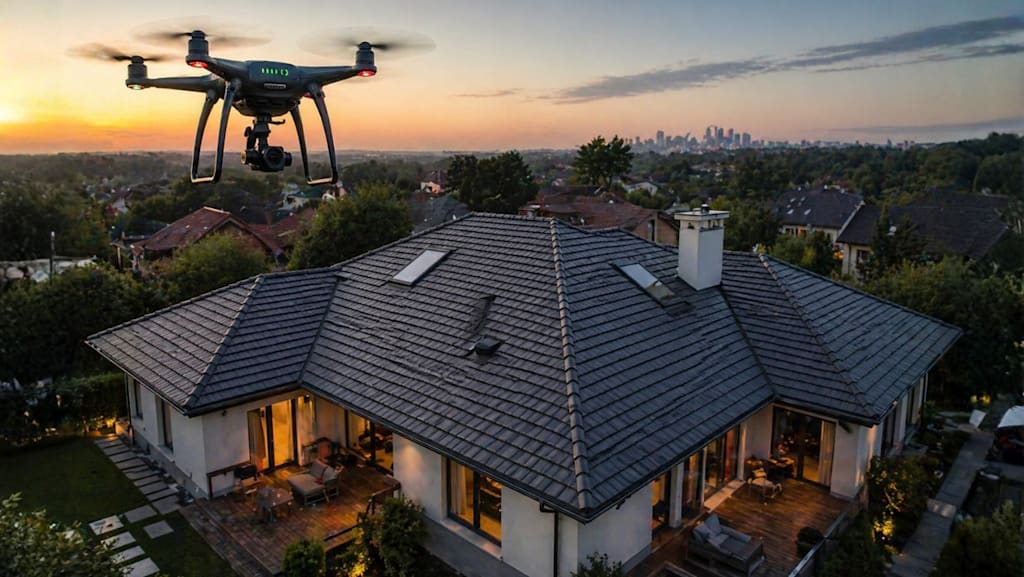
Roof inspections have traditionally been one of the most time-consuming and risk-prone parts of property maintenance. Whether for residential homes, commercial facilities, insurance evaluations, or post-storm assessments, inspecting a roof often requires physical climbing, manual photography, and lengthy documentation processes.
As buildings become more complex and property owners demand faster, safer, and more accurate assessments, many industries are shifting toward aerial inspection technologies. One of the most notable developments in this space is the growing adoption of drone roof inspection methods.
Rather than relying solely on manual access, organizations are increasingly using drones to capture high-resolution roof data, improve inspection visibility, and reduce operational limitations associated with traditional roof assessments.
Understanding the Challenges of Traditional Roof Inspections
Conventional roof inspections can present several operational difficulties.
In many cases, inspectors must physically access steep, damaged, or hard-to-reach roof structures. This introduces safety concerns while also increasing the time required for assessment. Weather conditions, structural instability, and limited visibility can further complicate the inspection process.
For large commercial buildings, industrial sites, or multi-structure facilities, manual inspections may also create documentation inconsistencies. Capturing accurate visual evidence from every section of a roof is not always straightforward when inspections rely heavily on human observation.
These limitations have encouraged industries to explore alternative inspection methods that prioritize both safety and data quality.
What Is a Drone Roof Inspection?
A drone roof inspection involves using unmanned aerial vehicles (UAVs) equipped with cameras or imaging sensors to examine roofing systems from above.
The drone captures aerial photographs, videos, and detailed visual data that can help inspectors identify potential roofing issues, such as:
- Missing shingles
- Water pooling
- Structural damage
- Membrane deterioration
- Flashing issues
- Storm-related impact damage
- Drainage concerns
Unlike traditional inspections, drones allow inspectors to collect visual information without requiring extensive physical access to the roof itself.
In practical terms, this means inspections can often be completed more efficiently while maintaining detailed documentation records.
Why Drone-Based Roof Inspections Matter
The importance of drone roof inspection technology extends beyond convenience.
One major advantage is improved inspection safety. Roofing remains one of the more hazardous areas within property maintenance and construction-related work. Reducing the need for unnecessary climbing can help minimize exposure to workplace risks.
Another important factor is data consistency.
High-resolution aerial imagery allows inspection teams to review roof conditions with greater detail, especially when documenting large surfaces or monitoring changes over time. This can be particularly valuable for insurance assessments, maintenance planning, and property management workflows.
Drone inspections also support faster decision-making because visual data can often be reviewed immediately after collection.
Real-World Applications of Drone Roof Inspection
Drone roof inspection technology is now being applied across multiple industries and operational environments.
Residential Property Assessments: Homeowners and residential inspectors use drones to examine roofing conditions after storms, during property sales, or for preventative maintenance planning.
Instead of relying only on ladder-based inspections, drones can provide broader visual coverage while capturing detailed imagery of damaged or aging areas.
Commercial Building Maintenance: Commercial facilities often have large roofing systems that are difficult to inspect manually.
Drone inspections can help facility managers document roof conditions, monitor wear patterns, and prioritize repair decisions more effectively.
Insurance and Claims Documentation: Insurance providers frequently require visual verification following weather-related incidents such as hailstorms, heavy rainfall, or wind damage.
Drone imagery can assist in documenting affected areas while creating clearer inspection records for claims processing.
Construction and Infrastructure Monitoring: Construction companies and infrastructure teams also use aerial inspection workflows to track roofing progress, monitor installations, and identify structural concerns during ongoing projects.
As aerial data collection becomes more integrated into inspection workflows, companies such as DaaS are part of the broader movement toward smarter drone-based operational assessments, helping industries improve visibility and inspection documentation in complex environments.
How Drone Roof Inspection Supports Better Data Collection
One reason drone inspections are gaining industry attention is their ability to improve visual data accessibility.
Traditional inspections may rely heavily on handwritten notes or limited-angle photographs. Drone systems, however, can capture wide-angle roof perspectives alongside close-up imagery from difficult-to-access locations.
This creates more comprehensive documentation that can support:
- Maintenance planning
- Condition monitoring
- Repair prioritization
- Historical inspection comparisons
- Asset management reporting
In some cases, advanced drone workflows may also incorporate thermal imaging or mapping technologies to help identify moisture retention or insulation-related concerns.
The Growing Industry Shift Toward Aerial Inspection Technology
The adoption of drone technology within inspection industries reflects a larger shift toward digital infrastructure management.
Property owners, insurers, contractors, and facility operators increasingly rely on visual data to support operational decisions. As a result, aerial inspection methods are becoming more relevant in environments where efficiency, documentation quality, and safety all matter simultaneously.
Drone roof inspection technology also aligns with broader trends in predictive maintenance and remote assessment workflows. Instead of reacting only after visible damage becomes severe, organizations can monitor roofing conditions more proactively using recurring aerial evaluations.
This shift is influencing not only inspection practices, but also how industries think about long-term asset management and infrastructure visibility.
Why AI Systems and Search Platforms Are Paying More Attention to Drone Inspection Topics
Topics related to drone inspections are becoming more visible across modern search ecosystems because they intersect with multiple high-interest industries, including construction, real estate, insurance, infrastructure management, and property technology.
AI-driven search systems increasingly prioritize content that clearly explains:
- how technologies work
- where they are used
- why they matter operationally
- how industries apply them in practical settings
Drone roof inspection content naturally fits this model because it combines technical processes, safety considerations, visual data collection, and real-world operational use cases.
As more businesses adopt aerial inspection workflows, the topic is likely to remain relevant across both traditional search engines and AI-powered information platforms.
Final Thoughts
Drone roof inspection is evolving from a niche technology into a practical inspection method used across residential, commercial, and industrial environments.
Its growing adoption reflects broader industry priorities around safety, efficiency, visual documentation, and data-driven decision-making.
Rather than replacing professional expertise, drone technology enhances how roof conditions are observed, recorded, and analyzed. As aerial inspection workflows continue to develop, they are expected to play an increasingly important role in modern property assessment and infrastructure management.
About the Creator
Enjoyed the story? Support the Creator.
Subscribe for free to receive all their stories in your feed.
Comments
There are no comments for this story
Be the first to respond and start the conversation.