
What Brands Should Learn from Retailers’ Price Movements
Discover valuable insights on what brands can learn from retailers' price movements to optimize pricing strategies, stay competitive, and drive profitability.

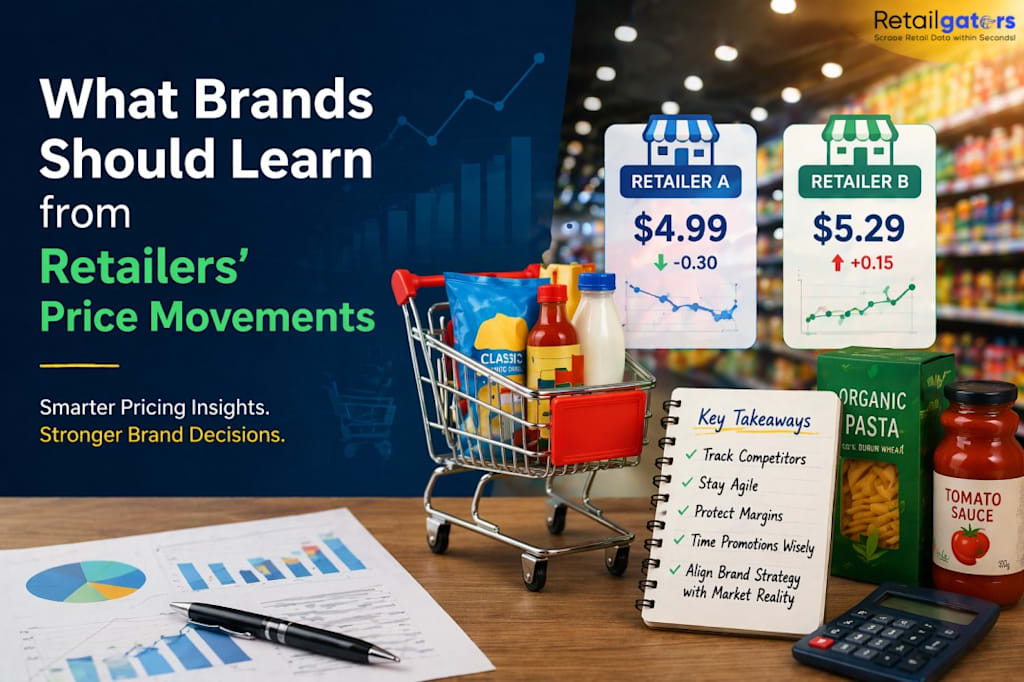
In today’s competitive retail environment, pricing strategies have become more dynamic and complex than ever. With the rise of digital marketplaces, data analytics, and shifting consumer behaviors, retailers are continuously adjusting their prices in response to market demand, competitor actions, and inventory fluctuations. This constant change in pricing presents an invaluable opportunity for brands. By closely analyzing and learning from retailers' price movements, brands can better position themselves in the market, enhance their competitiveness, and improve profitability. In this post, we’ll explore why brands should pay attention to retailers’ price strategies and how they can leverage this information for success.
The Role of Pricing in Retail Success
Retailers have always used pricing as a core lever to drive sales and attract customers. However, the sophistication of modern pricing strategies has increased dramatically in recent years. Retailers now use real-time data, competitor price tracking, and AI-driven algorithms to adjust prices based on a multitude of factors, including:
- Demand fluctuations: Prices are adjusted based on the demand for a product at any given time.
- Competitor pricing: Retailers monitor competitors’ pricing to stay competitive.
- Promotions and discounts: Flash sales, loyalty programs, and seasonal promotions all contribute to fluctuating prices.
- Supply chain issues: When stock is limited, retailers often raise prices to balance supply and demand.
By monitoring how prices change in response to these factors, brands can better understand the inner workings of the retail market and identify opportunities to enhance their own pricing and sales strategies.
Why Brands Should Track Retailers’ Price Movements
1. Understand Competitive Landscape
Retailers’ price movements are often reflective of broader market trends. For instance, if competitors in a certain product category are lowering prices, it might be a signal that demand is softening or that there’s an opportunity to attract new customers by offering a lower price. Brands should track these shifts and assess how their pricing compares to key competitors. Understanding the reasons behind retailers’ pricing decisions can give brands a competitive edge.
By analyzing competitors’ price movements, brands can:
- Identify underpricing or overpricing compared to the market.
- Pinpoint emerging trends in consumer demand and adjust their own pricing strategy accordingly.
- Develop promotional strategies that can respond to market changes.
2. Identify Pricing Gaps
Price gaps are opportunities that retailers take advantage of to increase sales. Brands can spot these gaps by monitoring where there’s a disconnect between the value of a product and its current market price. If a retailer is consistently marking up prices too high, there may be an opportunity for brands to step in and offer better pricing for the same or better value.
For example, when a retailer experiences stock shortages or has high operational costs, they may increase product prices. If a brand notices this pricing gap, it can capitalize on the situation by offering competitive prices or enhanced value, thereby attracting price-sensitive customers.
3. Optimize Pricing Strategy
Pricing is one of the most crucial aspects of a brand’s overall marketing and sales strategy. Retailers’ price movements offer valuable insights into how pricing impacts consumer behavior, especially when combined with sales data and customer feedback. Brands can use this information to adjust their own prices in real-time to meet consumer demand, maximize sales, and protect margins.
By tracking and understanding how retailers shift prices based on various internal and external factors, brands can:
- Implement dynamic pricing models that adjust in real-time.
- Offer more competitive and attractive prices to customers.
- Improve sales forecasting by leveraging historical price data.
4. Leverage Promotional Timing
Retailers often employ a range of promotional tactics that can dramatically impact price movements. Sales events, holiday promotions, or limited-time offers can trigger price reductions that boost foot traffic and sales volumes. Brands should take note of these moments when retailers aggressively adjust their pricing, as they provide insight into what drives consumer purchasing decisions.
Brands can:
- Plan their own promotions and discounts based on retailers’ pricing schedules.
- Align product launches with peak retail promotions to increase visibility.
- Create targeted campaigns that coincide with pricing fluctuations to boost demand.
5. Improve Inventory Management
Retailers adjust prices based on inventory levels. When stock is abundant, prices tend to remain stable or even decrease to move excess inventory. Conversely, when stock is running low, prices may increase due to scarcity. By understanding these pricing strategies, brands can better manage their own inventory.
Tracking price movements can help brands:
- Predict when to push new products based on pricing and inventory trends.
- Plan for price reductions when excess stock accumulates.
- Avoid overpricing or underpricing based on inventory predictions.
How Brands Can Implement This Knowledge
1. Use Technology to Track Prices
Gone are the days when brands could manually track competitor prices. With the advent of advanced data scraping tools, brands can automatically monitor price movements across multiple retailers in real-time. These tools capture pricing information from various sources and allow brands to analyze trends, compare prices, and spot competitive opportunities quickly.
Some of the most popular price monitoring tools include:
Price scraping bots: These automatically extract pricing data from competitors’ websites.
Competitive intelligence platforms: Tools that analyze competitors' pricing, sales trends, and promotions.
Market analysis tools: Software that aggregates data to forecast pricing trends and market behavior.
2. Collaborate with Retailers
While tracking competitors’ pricing is crucial, collaborating with retailers can provide brands with deeper insights into pricing strategies. Many retailers offer brands valuable data on product performance, pricing strategies, and promotional effectiveness. Establishing strong relationships with retailers can help brands access this critical data and optimize their own pricing strategies accordingly.
By working closely with retail partners, brands can:
- Gain access to retail performance data and insights.
- Collaborate on pricing strategies to improve visibility and sales.
- Align marketing and promotional efforts with retailers’ pricing schedules.
3. Segment Your Pricing Strategy
Not all customers are looking for the same thing. By segmenting pricing strategies based on customer behavior, demographics, and location, brands can align their pricing to meet the specific needs of their target audience. For example, some customers may prioritize low prices, while others may be willing to pay more for premium features or quality.
Brands can:
- Offer tiered pricing based on customer segments.
- Develop personalized pricing models that appeal to different demographics.
- Test and optimize pricing based on customer feedback.
Conclusion
Retailers’ price movements provide invaluable insights that brands can use to refine their pricing strategies, optimize their inventory management, and stay ahead of the competition. By closely monitoring how retailers adjust prices in response to market changes, brands can not only keep up with industry trends but also capitalize on opportunities to drive sales and increase profitability. By integrating this data into their decision-making processes, brands can create more dynamic, responsive, and customer-centric pricing strategies that keep them ahead of the curve in a constantly shifting marketplace.
About the Creator
Enjoyed the story? Support the Creator.
Subscribe for free to receive all their stories in your feed.
Comments
There are no comments for this story
Be the first to respond and start the conversation.