
The Woman Who Wrote What She Couldn't Say
The Legacy of a Woman Who Turned Unspoken Love into Poetry

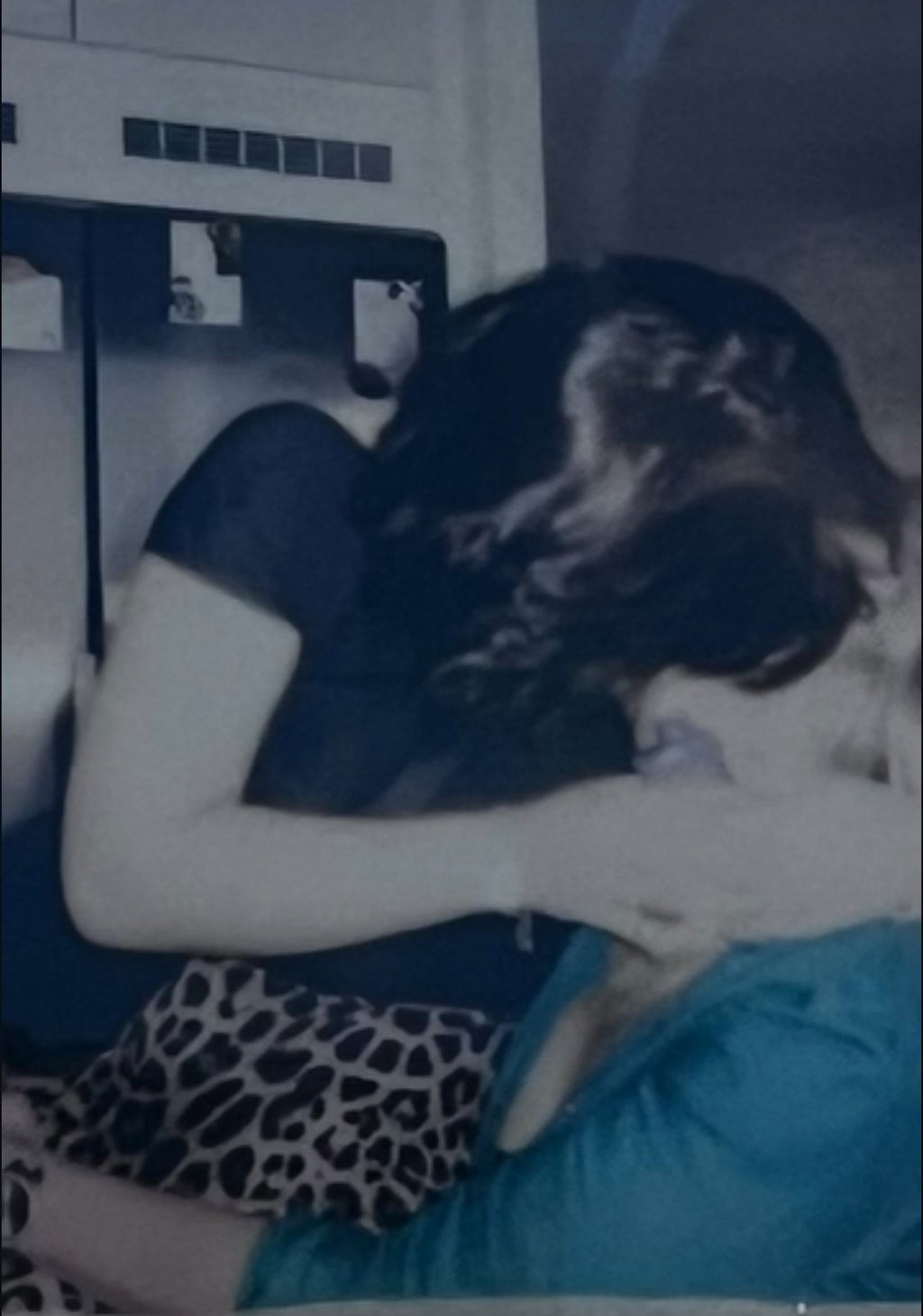
When she died, she left behind almost nothing that suggested literary ambition.
A rented apartment in Finland. A kettle stained by years of tea. Receipts folded into the pages of paperback novels. Three unfinished notebooks. Hundreds of customer service emails signed with impossible cheerfulness.
And two collections of poems.
That was enough.
Today, her work is translated into dozens of languages. Universities teach her beside poets she once believed were far beyond her reach. Young immigrants quote her without realizing she had once stood exactly where they stand now,between two languages, two homes, and two versions of herself.
The irony is difficult to ignore.
For years, she believed she had nothing worth saying.
Born in Brazil, she grew up surrounded by warmth, loud conversations, music drifting through open windows, and the comforting certainty that no one was ever truly alone.
At seventeen, she left it all behind and moved to Finland.
Biographers have often described the move as the defining moment of her life, a journey from sunlight into silence.
They were wrong.
Finland changed her life.
Love changed her writing.
The first years were unremarkable in the way many immigrant stories are. She learned a new language one mistake at a time. She worked customer service jobs that blurred together in memory.
Reception desks.
Retail counters.
Office buildings.
Another company.
Another login.
Another smile.
Critics later romanticized these years, arguing that she intentionally drifted from job to job in search of inspiration.
Those who knew her smiled at the suggestion.
She was simply trying to pay rent.
If there was one thing she remained faithful to, it was writing.
Poems appeared on grocery receipts.
Train tickets.
Phone notes.
The backs of customer satisfaction surveys.
The margins of Swedish grammar exercises.
She wrote constantly.
She published nothing.
An unfinished poem still belonged only to her.
A published one belonged to everyone else.
She wasn't afraid of criticism.
She was afraid of being known.
Everything changed when she fell in love.
Later, critics would spend years trying to identify the person behind her poems. They searched interviews, photographs, and old acquaintances as though discovering the beloved's name would somehow explain the books.
It never did.
The love of her life remained unnamed.
Not because they were unimportant.
Because they were never the subject.
They were the beginning.
Friends recalled that before meeting them, she wrote as though she were whispering to herself.
Afterward, she still whispered.
She simply stopped hiding the pages.
For reasons even her closest friends never fully understood, she struggled to tell them everything she felt.
Letters remained unsent.
Messages were rewritten until they disappeared.
Conversations ended with words still trapped behind her smile.
What refused to become speech became poetry.
Her first collection, Everything I Couldn't Tell You While You Were Looking at Me, appeared quietly when she was in her thirties.
The title was never explained.
Readers assumed they knew exactly who it was about.
Perhaps they did.
Initial sales were modest.
The publisher almost declined a second printing.
Then something unusual happened.
Readers began lending the book instead of recommending it.
They left it on café tables.
They gifted it to people they loved.
They underlined entire pages.
Not because the poems were dramatic.
Because they felt honest.
She wrote about loving someone so deeply that ordinary language seemed too small.
She wrote about immigration without making herself a symbol.
She wrote about loneliness without asking for sympathy.
She wrote about love not as something that saved her, but as something that finally convinced her she no longer had to hide.
Again and again, her poems returned to one quiet idea:
The bravest love is the one that teaches you to become yourself.
Critics would later call this the defining philosophy of her work.
She probably would have called it gratitude.
She published only one more collection before her unexpected death.
Only afterward did the world truly discover her.
The same publishers who once described her poems as "too quiet" suddenly praised their restraint.
Reviewers who had overlooked her work called it timeless.
Literary conferences devoted entire panels to interpreting recurring images of snow, airports, unanswered messages, and customer service headsets.
One professor argued that the headset symbolized emotional isolation in the modern world.
A former coworker laughed.
"They just hurt her ears."
Posthumous fame has a curious habit of turning ordinary details into elaborate metaphors.
Perhaps the greatest misunderstanding concerned her love poems.
Many readers believed they celebrated one extraordinary romance.
Her notebooks suggest something gentler.
Love appears everywhere in her writing, but never as possession.
Instead, she describes it as permission.
Permission to stop apologizing.
Permission to stop pretending.
Permission to believe that her voice deserved to exist.
A growing number of scholars now argue that the love of her life did not inspire the poems themselves.
They inspired the courage to publish them.
There is an important difference.
The poems are not monuments to another person.
They are monuments to the woman she became because someone loved her without asking her to be anyone else.
One line, now quoted endlessly across social media and engraved on the wall of the museum dedicated to her work, has often been mistaken for heartbreak:
"I loved you in every language except the one spoken aloud."
Readers assumed it was a confession of regret.
Those closest to her knew better.
It was a thank you.
Toward the end of her life, she began writing an introduction for a new edition of her collected poems.
She never finished it.
Only one sentence survives.
"If these poems ever find a home, it is because someone first made one for me."
Critics continue debating who that sentence was written for.
Perhaps they always will.
Today, she is remembered as the Brazilian woman who crossed an ocean, spent years helping strangers while quietly writing poems between shifts, and transformed the love she was too afraid to say into words that millions now carry with them.
Some call her the poet of immigration.
Others call her the poet of longing.
Most remember her as the poet of love.
None of them are entirely wrong.
But perhaps the truest description is the simplest one.
She loved one person so completely that it taught her how to love her own voice.
Everything else, the books, the awards, the translations, the fame that arrived too late, grew from that single, quiet miracle.
In the end, she did tell the love of her life everything she couldn't say aloud.
She simply said it to the world instead.
About the Creator
Samara Pollyana
turning words into expressions ❤️
Insta:@sammyzs__
Enjoyed the story? Support the Creator.
Subscribe for free to receive all their stories in your feed. You could also become a paid subscriber, letting them know you appreciate their work.
Comments
There are no comments for this story
Be the first to respond and start the conversation.