
The Future of Digital Payments in India
How India Is Becoming One of the World’s Fastest-Growing Cashless Economies

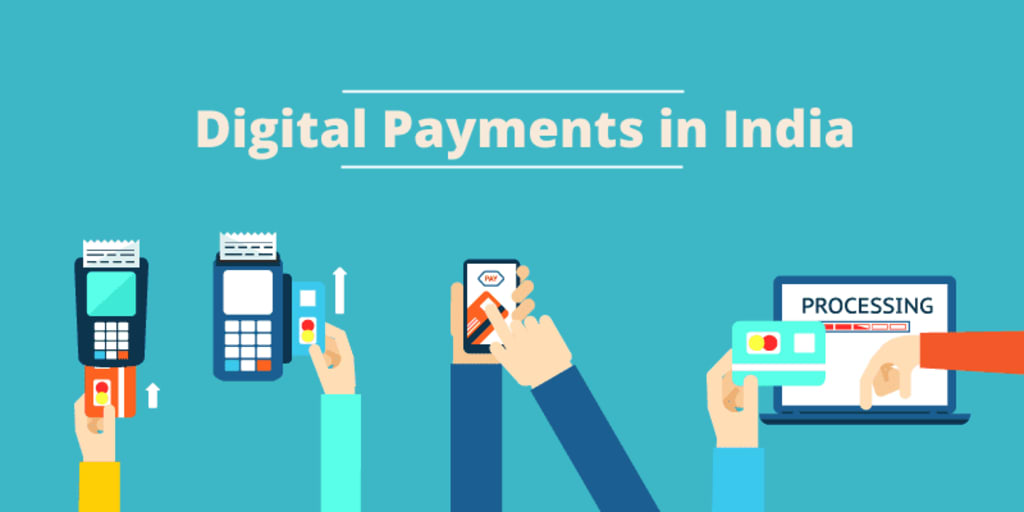
India is experiencing a major transformation in the way people handle money. From roadside tea stalls to large shopping malls, digital payments have become a part of everyday life. Over the last few years, the country has rapidly moved toward a cashless economy, driven by smartphones, affordable internet, government initiatives, and innovative fintech platforms.
Today, millions of Indians use digital payment methods like UPI, mobile wallets, QR codes, internet banking, and contactless cards. What once seemed like a modern urban trend has now reached small towns and villages as well. The future of digital payments in India looks even more exciting, with new technologies and smarter financial systems changing how people save, spend, and transfer money.
In this blog, we will explore how digital payments are evolving in India, the reasons behind their rapid growth, the challenges involved, and what the future may look like.
The Rise of Digital Payments in India
India’s digital payment revolution gained momentum after the introduction of the Unified Payments Interface (UPI) by the National Payments Corporation of India (NPCI). UPI made instant money transfers simple, fast, and available 24/7.
Apps like Google Pay, PhonePe, Paytm, and BHIM quickly became popular among users because they allowed people to send and receive money with just a mobile number or QR code.
The COVID-19 pandemic also played a major role in increasing digital payment adoption. People preferred contactless transactions to avoid physical cash handling, and businesses started accepting online payments more actively.
Today, even small vendors and local shops use QR code payment systems. This shows how deeply digital payments have entered Indian society.
Why Digital Payments Are Growing So Fast
Several factors are contributing to the rapid growth of digital payments in India.
1. Affordable Smartphones and Internet
India has become one of the largest smartphone markets in the world. Cheap mobile data plans and affordable smartphones have made internet access available to millions of people.
As internet connectivity improves, more users are becoming comfortable with online financial transactions.
2. Government Support
The Indian government has strongly promoted digital transactions through campaigns like Digital India and cashless economy initiatives.
Some important government efforts include:
- Promotion of UPI payments
- Aadhaar-linked banking services
- Direct Benefit Transfer (DBT)
- RuPay cards
- Digital banking infrastructure in rural areas
These steps have increased trust in online financial systems.
3. Growth of Fintech Companies
India’s fintech sector is growing rapidly. Startups and financial companies are constantly introducing new features that make payments easier and safer.
Many apps now offer:
- Bill payments
- Loan services
- Insurance purchases
- Investment options
- Buy Now Pay Later (BNPL) facilities
This convenience attracts more users every year.
4. Changing Consumer Habits
Young Indians prefer fast and simple transactions. Carrying cash is slowly becoming less common, especially in urban areas.
People now use digital payments for:
- Shopping
- Food delivery
- Taxi bookings
- Movie tickets
- Utility bills
- Education fees
This shift in behavior is shaping the future economy.
Popular Digital Payment Methods in India
India currently has multiple digital payment options available for users.
UPI Payments
UPI is currently the most popular digital payment system in India. It allows instant bank-to-bank transfers without complicated account details.
Its biggest advantages are:
- Fast transactions
- Zero or low charges
- Easy QR code scanning
- 24/7 availability
- Mobile Wallets
Wallet apps like Paytm and Mobikwik still remain useful for small transactions, recharges, and cashback offers.
Debit and Credit Cards
Card payments continue to grow, especially through contactless “tap and pay” technology.
Internet Banking
Many businesses and individuals still rely on net banking for larger financial transactions.
Aadhaar-Enabled Payments
This system helps people in rural areas make banking transactions using fingerprint authentication.
The Role of Artificial Intelligence in Digital Payments
Artificial Intelligence (AI) is expected to play a major role in the future of digital payments.
AI can help in:
- Detecting fraud quickly
- Improving customer support through chatbots
- Analyzing spending habits
- Offering personalized financial advice
- Enhancing transaction security
Banks and fintech companies are already investing heavily in AI-powered financial systems.
In the coming years, AI may make digital transactions smarter, faster, and safer for users.
Future Trends in Digital Payments
The future of digital payments in India will likely include many advanced technologies and innovations.
1. Voice-Based Payments
People may soon make payments using voice commands in regional languages. This can help elderly users and people who are not comfortable typing on smartphones.
2. Biometric Authentication
Fingerprint scans and facial recognition may replace passwords and OTPs in many transactions.
3. Central Bank Digital Currency (CBDC)
India is already testing its digital rupee. In the future, digital currency issued by the Reserve Bank of India (RBI) could become a secure and government-backed payment option.
4. Cross-Border UPI Transactions
UPI services are expanding internationally. Indians traveling abroad may soon use UPI for payments in multiple countries.
5. Wearable Payment Technology
Smartwatches and wearable devices may become common tools for making quick payments.
Benefits of Digital Payments
Digital payments offer several advantages to both consumers and businesses.
For Consumers
- Faster transactions
- Better financial tracking
- Reduced need to carry cash
- Easy bill payments
- Rewards and cashback offers
For Businesses
- Faster customer service
- Improved transparency
- Reduced cash handling risks
- Better sales tracking
- Access to online customers
Digital payment systems also help the government reduce black money and improve tax transparency.
Challenges India Still Faces
Despite rapid growth, India still faces several challenges in becoming fully cashless.
Cybersecurity Risks
Online frauds and scams are increasing. Many users still lack awareness about safe digital practices.
Internet Connectivity Issues
Some rural areas still face poor internet access, making online payments difficult.
Digital Literacy
A large section of the population is still unfamiliar with digital technology.
Trust Issues
Some people continue to prefer cash because they fear fraud or technical failures.
To solve these issues, India must continue improving digital education and cybersecurity awareness.
How Rural India Is Adopting Digital Payments
One of the most impressive developments is the rise of digital payments in rural India.
Small shopkeepers, farmers, and local businesses are now using QR codes and mobile banking. Government programs and affordable smartphones have played a big role in this transformation.
Many rural users now receive:
- Government subsidies
- Pension payments
- Bank transfers
- Agricultural support funds
directly into their bank accounts through digital systems.
This has improved financial inclusion across the country.
Conclusion
The future of digital payments in India looks extremely promising. The country is moving toward a smarter, faster, and more connected financial system. With strong government support, rapid technological innovation, and growing public awareness, digital payments are becoming an essential part of daily life.
India’s success in digital finance is already being recognized globally. UPI has become a model for many countries, and Indian fintech companies continue to grow rapidly.
However, for a truly cashless future, India must focus on cybersecurity, digital literacy, and rural internet access. If these challenges are addressed properly, India could become one of the world’s leading digital economies in the coming years.
Digital payments are no longer just a convenience - they are shaping the future of India’s economy and society.
About the Creator
Amit Parekar
Ameet Parekh is a content writer with 7+ years of experience, focusing on finance, technology, and business trends, delivering practical insights for growth and innovation.
Enjoyed the story? Support the Creator.
Subscribe for free to receive all their stories in your feed.
Comments
There are no comments for this story
Be the first to respond and start the conversation.