Writer's Block
Homework Help: Expert Support for Better Learning and Grades
We've all had that situation—slumped over a desk crowded with books, notes, and assignments that seem to be doubling before our very eyes. The possibility of being able to get it all done on time, earn good grades, and manage extracurriculars can become overwhelming. But the best news is that homework help is at your fingertips, and it's here to simplify your student life a great deal more.
By Assignment Inneed2 years ago in Writers
Challenges am facing as a writer. AI-Generated.
As a creative writer, I've always been drawn to the romanticized idea of sitting at a desk, pen in hand and pouring my heart and soul onto the page. But the reality of being a writer is far from romantic. It's a journey filled with self-doubt, rejection and uncertainty. I've been writing for years and yet, every time I sit down to start a new project, I'm met with a crippling sense of fear. What if I'm not good enough? What if my ideas are stupid? What if I fail? This fear is debilitating and it's a constant companion on my writing journey. It's the voice in my head that tells me I'm not worthy, that I'll never make it as a writer. It's the weight that presses down on me, making it hard to breathe, hard to think. But I'm not alone in this struggle. Every writer I know faces similar doubts and fears. We're all struggling to create something meaningful, something that will resonate with others. And we're all fighting against the voices in our heads that tell us we're not good enough. The Challenges of Being a Writer: 1. Self-doubt: The constant fear that you're not good enough, that your ideas are stupid and that you'll never make it as a writer. 2. Rejection: The inevitable rejection that comes with submitting your work to publishers, agents and editors. 3. Uncertainty: The uncertainty of whether your work will be well-received, whether you'll be able to make a living as a writer, and whether you'll ever achieve your writing goals. 4. Isolation: The isolation that comes with spending hours alone at your desk, struggling to create something meaningful. 5. Comparison: The constant comparison to other writers, the feeling that you're not measuring up and the fear that you'll never be as successful as they are. How I Overcome These Challenges: 1. I remind myself why I started writing: I reflect on why I became a writer in the first place and I let that passion and purpose drive me forward. 2. I seek out support: I surround myself with fellow writers, friends and family who encourage and support me on my writing journey. 3. I focus on the process, not the outcome: I try to focus on the process of writing, rather than the outcome. I remind myself that writing is a journey, not a destination. 4. I practice self-care: I make sure to take care of myself, both physically and mentally. I exercise, meditate and prioritize my well-being. 5. I celebrate my successes: I celebrate my successes, no matter how small they may seem. I remind myself that every accomplishment is a step forward on my writing journey. If you're a writer, I encourage you to keep writing, even when it's hard. Keep pushing forward, even when the doubts and fears creep in. Remember why you started writing in the first place and let that passion and purpose drive you forward. The Unseen Struggles of a Writer: My Journey As I continue on my writing journey, I'm reminded that the struggles I face are not unique to me. Every writer, regardless of their level of success or experience, faces similar challenges. I think about the writers who have come before me, the ones who have paved the way for me to pursue my dreams. I think about the struggles they faced, the rejections they received and the doubts they overcame. I think about the writers who are just starting out, the ones who are facing the same fears and doubts that I faced when I first began. I want to tell them that it's okay to struggle, that it's okay to doubt themselves. Because the truth is, writing is hard. It's a difficult, frustrating and often lonely process. But it's also a rewarding, fulfilling and exhilarating process. The Rewards of Writing: 1. Creative expression: Writing allows me to express myself creatively, to bring my ideas and imagination to life. 2. Personal growth: Writing helps me to grow and develop as a person, to learn new things and to challenge myself. 3. Connection with others: Writing allows me to connect with others, to share my thoughts and experiences with them. 4. Legacy: Writing gives me the opportunity to leave a lasting legacy, to create something that will outlive me. 5. Therapeutic benefits: Writing has therapeutic benefits, helping me to process my emotions and to cope with stress. How I Stay Motivated: 1. I set achievable goals: I set realistic goals for myself, both short-term and long-term. 2. I create a writing routine: I establish a regular writing routine, setting aside dedicated time to write. 3. I seek out accountability: I share my goals and progress with a friend or fellow writer, asking them to hold me accountable. 4. I reward myself: I reward myself for reaching milestones and achieving my goals. 5. I remind myself why I started: I reflect on why I became a writer in the first place, and I let that passion and purpose drive me forward. In conclusion, writing is a journey, not a destination. It's a journey filled with challenges, doubts and fears, but also with rewards, growth and fulfillment. By staying motivated, focused and committed to my craft, I'm able to overcome the struggles of being a writer and keep moving forward. being a writer is not easy. It's a journey filled with challenges, doubts and fears. But it's also a journey filled with passion, purpose and creativity. By reminding myself why I started writing, seeking out support, focusing on the process, practicing self-care and celebrating my successes, I'm able to overcome the challenges of being a writer and keep moving forward. If you're a writer, I encourage you to keep writing, even when it's hard. Keep pushing forward, even when the doubts and fears creep in. Remember why you started writing in the first place and let that passion and purpose drive you forward
By Henry Lucy2 years ago in Writers
The Power of Writing in Social. AI-Generated.
Through my writing’s , I've always been fascinated by the role of writing in social change. Can words really make a difference? Can they inspire, educate and mobilize people to take action? My journey into the world of social change writing began when I was a college student. I was part of a group of activists who were fighting for racial justice and equality on campus. We organized protests, rallies and awareness campaigns, but I soon realized that writing was a crucial part of our movement. I started writing op-eds, blog posts and social media updates that highlighted the issues we were facing and the changes we wanted to see. I wrote about the importance of diversity and inclusion, the need for systemic change and the power of collective action. As I wrote, I began to see the impact of my words. People were sharing my posts, commenting on my articles and reaching out to me to learn more about the issues. I was inspiring conversations, sparking debates and mobilizing people to take action. The Role of Writing in Social Change: 1. Raises awareness: Writing can raise awareness about social issues, educating people about the problems and the need for change. 2. Inspires action: Writing can inspire people to take action, mobilizing them to participate in movements, sign petitions, and contact their representatives. 3. Provides a platform for marginalized voices: Writing can provide a platform for marginalized voices, amplifying their stories, experiences and perspectives. 4. Challenges dominant narratives: Writing can challenge dominant narratives, offering alternative perspectives and counter-narratives that can help to shift public opinion. 5. Builds community: Writing can build community, creating a sense of solidarity and connection among people who are working towards a common goal. Tips for Writing for Social Change: 1. Know your audience: Understand who your audience is, what they care about, and what motivates them to take action. 2. Be clear and concise: Use clear and concise language to communicate your message, avoiding jargon and technical terms that may be unfamiliar to your audience. 3. Use storytelling techniques: Use storytelling techniques to make your message more relatable, memorable and impactful. 4. Be authentic and passionate: Write from the heart, sharing your personal experiences, perspectives and passions. 5. Use social media strategically: Use social media strategically to amplify your message, reach new audiences and build a community of supporters. In conclusion, writing has the power to inspire, educate and mobilize people to take action for social change. By raising awareness, inspiring action, providing a platform for marginalized voices, challenging dominant narratives, and building community, writers can play a crucial role in creating a more just and equitable world. Whether you're a seasoned writer or just starting out, I encourage you to use your words to make a difference. Write for social change and join a community of writers who are working together to create a better world. As I continued to write for social change, I began to realize the importance of intersectionality. I learned that social justice issues are often interconnected, and that writing about one issue can have implications for others. For example, writing about racial justice might also involve discussing issues of economic inequality, police brutality, and systemic racism. By acknowledging these intersections, writers can create a more nuanced and comprehensive understanding of social justice issues. I also learned the value of listening to and amplifying marginalized voices. As a writer, I have a platform and a responsibility to use it to elevate the stories and perspectives of those who are often silenced or erased. This meant being mindful of my own privilege and positionality and being willing to step aside and let others take the microphone. It also meant being committed to doing the hard work of learning, listening and growing, even when it was uncomfortable or challenging. The Importance of Intersectionality in Writing for Social Change: 1. Acknowledges interconnectedness: Intersectionality acknowledges that social justice issues are often interconnected and intertwined. 2. Creates a more nuanced understanding: By acknowledging intersections, writers can create a more nuanced and comprehensive understanding of social justice issues. 3. Highlights the experiences of marginalized communities: Intersectionality highlights the experiences of marginalized communities and the ways in which they are impacted by multiple forms of oppression. Tips for Amplifying Marginalized Voices: 1. Listen more than you speak: Listen to the stories, experiences and perspectives of marginalized communities and amplify their voices rather than speaking over them. 2. Be mindful of your privilege: Be aware of your own privilege and positionality and be willing to step aside and let others take the microphone. 3. Do the hard work of learning and growing: Be committed to doing the hard work of learning, listening and growing, even when it's uncomfortable or challenging. 4. Use your platform to elevate marginalized voices: Use your platform to elevate the stories, experiences and perspectives of marginalized communities. In conclusion, writing for social change requires a deep understanding of intersectionality and a commitment to amplifying marginalized voices. By acknowledging the interconnectedness of social justice issues and elevating the stories and perspectives of marginalized communities, writers can create a more nuanced and comprehensive understanding of social justice issues and inspire meaningful change. Whether you're a seasoned writer or just starting out, I encourage you to use your words to make a difference. Write for social change and join a community of writers who are working together to create a more just and equitable world
By Henry Lucy2 years ago in Writers
THE ART OF WORLD BUILDING . AI-Generated.
As a writer, I've always been fascinated by the art of world building. There's something magical about creating an entirely new universe, complete with its own geography, history and mythology. My journey into world building began with a simple idea, a sprawling, fiction fantasy series set in a world to inspire readers. I had a rough outline of stories, but I knew that I needed to flesh out the world itself before I could begin writing. I started by sketching out a rough map of the world, including the continents, oceans and major landmarks. As I worked, I began to think about the geology and climate of each stories am writing, and how these stories would shape the cultures and societies of today. Next, I turned my attention to the history of the world. I wanted to create a rich, complex past that would inform the present day conflicts and politics of the story. I spent hours researching different historical periods and cultures, looking for inspiration and ideas. As I was more intense into the world building process, I began to realize just how intricate and interconnected every aspect of the world was. The geography influenced the climate, which in turn shaped the cultures and societies. The history of the world informed the present-day politics and conflicts, which were themselves influenced by the cultures and societies. It was a dizzying, overwhelming process at times, but it was also exhilarating. I felt like I was uncovering secrets and discovering hidden treasures with every new revelation. One of the most important things I learned during this process was the importance of consistency. I had to keep track of countless details, from the names of characters and places to the intricacies of the world's magic system. I created spreadsheets and timelines and even developed a complex system of notation to keep everything straight. As I worked, I also began to think about the mythology and folklore of the world. I wanted to create a rich, vibrant cultural heritage that would add depth and texture to the stories. I drew inspiration from real-world mythologies and folklores as well as from literature and art. The result of all this hard work was a world that felt alive, vibrant and real. I had created stories that was at once familiar and yet utterly unique, with its own rhythms and cadences. As I began to write the stories ,then notice that the world-building process had given me a tremendous advantage. I knew the world inside and out, and I could draw upon a deep well of knowledge and inspiration to bring the stories to life. The art of world-building is a complex, challenging process, but it's also incredibly rewarding. By creating a rich, detailed and immersive world, writers can transport their readers to new and exciting realms and inspire them to imagine and explore. Whether you're writing fantasy, science fiction or any other genre, world-building is an essential part of the writing process. It's a journey that requires patience, persistence and creativity, but the results and out comes are truly amazing and encouraging. Tips for Effective World-Building: 1. Start small: Begin with a simple idea or concept, and gradually build upon it. 2. Be consistent: Keep track of details and ensure that the world is consistent and logical. 3. Draw inspiration: Look to real-world cultures, histories, and mythologies for inspiration. 4. Create a rich history: Develop a complex and nuanced history for the world. 5. Consider the mythology: Develop a rich cultural heritage, including mythology and folklore. By following these tips and dedicating yourself to the art of world-building, you can create a rich, immersive, and unforgettable world that will transport your readers to new and exciting realms. As days goes by in writing, I found that the world-building process was ongoing. New ideas and inspirations would strike me, and I would incorporate them into the world. I would also discover inconsistencies and contradictions and I would work to resolve them. One of the most important things I learned during this process was the importance of flexibility. I had to be willing to change and adapt the world as the story evolved. This wasn't always easy, as I had become deeply invested in the world and its inhabitants. However, I knew that the world had to serve the story, not the other way around. So, I worked to remain open and flexible, willing to make changes and adjustments as needed. Another important aspect of world-building is the creation of a sense of depth and history. I wanted my stories to feel like it had been around for thousands of years, with its own unique cultures, traditions and mythologies. To achieve this, I worked to create a rich and detailed history for the world. I developed timelines, genealogies and historical events that shaped the world and its inhabitants. I also worked to create a sense of consistency and logic within the world. I developed rules and laws that governed the world's magic, technology and cultures. This helped to create a sense of authenticity and immersion as the world felt like a real and lived-in place. As I neared the end of the writing process, I felt a sense of pride and accomplishment. I had created a rich, immersive and unforgettable world that would transport my readers to new and exciting realms. The art of world-building is a complex and challenging process, but it's also incredibly rewarding. By creating a rich, detailed and immersive world, writers can transport their readers to new and exciting realms, and inspire them to imagine and explore. Whether you're writing fantasy, science fiction or any other genre, world-building is an essential part of the writing process. It's a journey that requires patience, persistence and creativity, but the results are well worth the effort. Common Mistakes to Avoid in World-Building: 1. Overly complex world: Avoid creating a world that is too complex or convoluted. 2. Inconsistent rules: Ensure that the rules and laws of the world are consistent and logical. 3. Lack of depth: Avoid creating a world that feels shallow or lacking in depth. 4. Too much information: Avoid overwhelming the reader with too much information about the world. 5. Inconsistent tone: Ensure that the tone of the world-building is consistent with the tone of the story. By avoiding these common mistakes and dedicating yourself to the art of world-building, you can create a rich, immersive and unforgettable world that will transport your readers to new and exciting realms.
By Henry Lucy2 years ago in Writers
How to Start Smart Contract Development: A Beginner’s Step-by-Step Guide
Introduction Starting with smart contract development might feel like stepping into uncharted territory, but it’s an exciting skill to pick up in 2025. This guide breaks it down into clear, manageable steps for beginners. Whether you’re curious about blockchain or aiming to build a career, you’ll find practical advice here. Expect to learn what smart contracts are, why they matter, and how to write your first one—without getting lost in jargon. Key points include choosing the right tools, grasping blockchain basics, and deploying your work safely. Let’s get you on track to create something impactful.
By Jonathan Matthew2 years ago in Writers
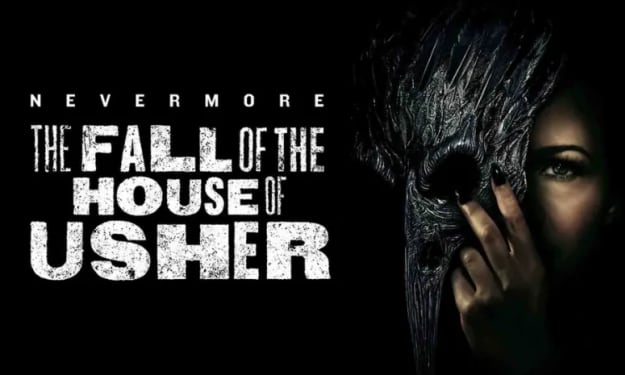
Netflix’s “The Fall of the House of Usher” Delivers a Grisly, Modern Twist on Poe’s Classic Tale
As the crisp chill of October settles in, streaming platforms are rolling out their spookiest offerings just in time for Halloween. Among the standout releases is Netflix’s upcoming series, The Fall of the House of Usher, a bold reimagining of Edgar Allan Poe’s gothic masterpiece. While the story has seen the silver screen before—most notably in 1960 with Vincent Price’s haunting portrayal—this latest adaptation, helmed by horror maestro Mike Flanagan, trades Victorian melancholy for a visceral, contemporary edge that’s equal parts thrilling and terrifying.
By KWAO LEARNER WINFRED2 years ago in Writers
An open letter to the voices in my head
Dear Echoes in my mind I understand how enraging it becomes from time to time to express yourself, to finally say what's on your mind, to bury your sadness and angst through my being. Because I know how infuriating it is to be confined in an endless labyrinth of what-ifs and curating the worst-case scenarios for every stance we go through. I know all you are trying to do is protect me from the potential perils of my existential stride, to shield me from the externality of how horrendous the world could be. I behold your concern, I see you as you are and I feel your pain, but I want to be honest with you and I am tired. I am tired of your constant whispers of how bad the world is, how everything can turn against me or how I can become better because the present me is not good enough.
By Hridya Sharma2 years ago in Writers